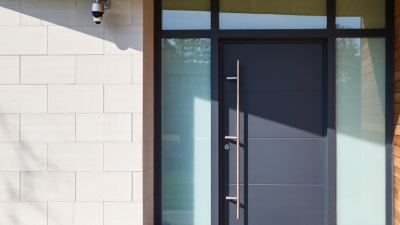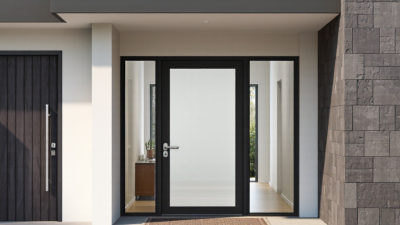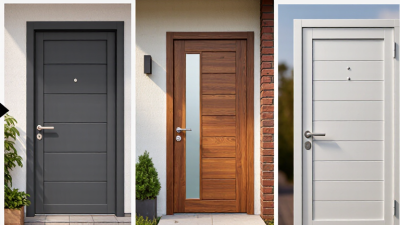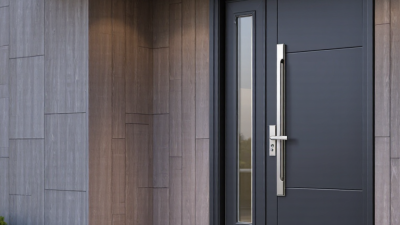



How to Choose a Modern Front Door for Your Home?

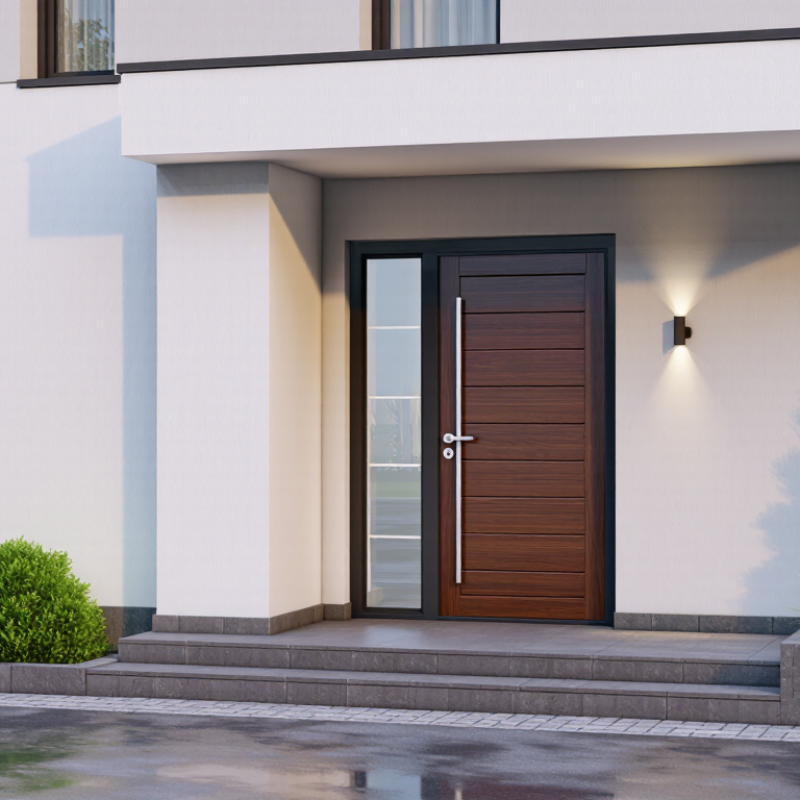
A Modern Front Door shapes your home’s first impression, but appearance is only part of the decision. It should suit the architecture, handle local weather, and work smoothly every day. Picture the entry at different times: morning glare on glass, rain along the threshold, or grocery bags in both hands. These small realities can matter more than a showroom photograph.

Begin by checking the opening, available clearance, and how the door will swing. Then compare materials, insulation, glazing, locks, and maintenance needs. Fiberglass can offer a wood-like appearance with less upkeep, while steel may provide a sturdy, practical option. Solid wood has warmth and character, but usually needs more attention to moisture and finish. No material is perfect. A dark, glossy surface may look striking, yet show fingerprints and scratches quickly.

Think about daylight and privacy together. Clear glass brightens a hallway, while textured or divided glazing can soften views from outside. Ask a qualified installer to verify measurements and explain how the frame, seals, and threshold fit your home. Product claims deserve a careful read; performance depends on the complete installation, not the door alone. A beautiful choice can still disappoint if it sticks in humid weather or leaves a noticeable draft. The right door balances style, comfort, durability, and budget—and leaves room for honest trade-offs.

How to Choose a Modern Front Door for Your Home?

Define Your Home’s Entryway Needs and Door Requirements

Before choosing a finish, define what the entry must do. Measure the rough opening, jamb depth, threshold, and existing door swing. Check for a level landing and enough clearance for furniture or a stroller. A deep porch may need a different weather seal than an exposed doorway. Small details matter. Note whether you need privacy, daylight, sound reduction, or a wider clear opening. A large glass panel can brighten a dim hall, but it also changes sightlines. Not just looks.

For comfort, compare whole-door U-factor, air-leakage information, glazing, and weather seals; ask for documentation rather than relying on appearance. The U.S. Department of Energy recommends sealing air leaks around doors to reduce drafts and energy waste. Also inspect the frame for soft wood or gaps before ordering, since a new slab cannot correct a failing frame. The 2024 Cost vs. Value Report by Zonda estimated a 188.1% cost recoup for a steel entry-door replacement in its national analysis. That is a modeled resale estimate, not a promise; local costs and buyer preferences differ. Treat it as context, then match the door to your home’s exposure, daily use, and maintenance tolerance. A little awkwardness in the old entry may be telling you something.
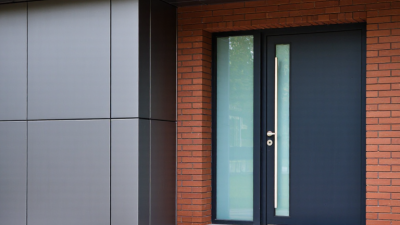
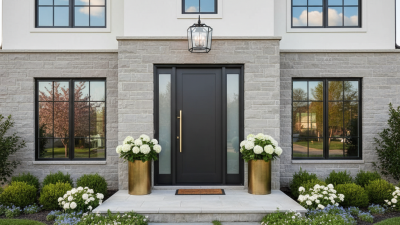
Compare Modern Front Door Materials and Their Maintenance Needs

A modern front door should suit your home’s weather, entryway, and maintenance routine. Fiberglass resists moisture and usually needs only mild soap and water. Its insulated core can help limit drafts, while textured finishes can resemble painted wood. Still, quality varies, so check the door’s construction and warranty details before buying. Steel doors are sturdy and often budget-friendly, but exposed scratches may rust if left untreated. Small marks matter.

Wood offers natural grain and can be repaired or refinished, but it needs more attention. Sun and rain can fade its finish or cause swelling, especially on exposed entrances. Check the exposure first. Overhangs help, but they do not prevent all weathering. Inspect the finish, seals, and threshold each season; a draft near the bottom may point to worn weatherstripping rather than a poor door. I would not choose wood just for appearance if regular refinishing feels unlikely.

Tips: Match upkeep to your climate and habits. Ask how often the finish needs renewal, and confirm that replacement weatherstripping is available. Wipe away grit before cleaning, since it can scratch finishes. Check hinges and seals twice a year. No material is maintenance-free, and the ideal choice may be less obvious than a showroom display suggests.

Choose a Style, Color, Finish, and Glazing Option

A modern front door should suit the house, not just a trend. Start with its lines: a flat slab can sharpen a simple façade, while narrow panels may echo older trim. Hold color samples beside the exterior in morning and afternoon light. Deep charcoal can look nearly black under a porch roof. Warm white can reveal every scuff. Small details matter.

Choose a finish for both appearance and upkeep. Textured coatings can disguise fingerprints; glossy surfaces make scratches easier to spot. Glazing changes the mood and the light. A vertical glass panel brightens a dim entry, but check privacy from the sidewalk at night.

The U.S. Department of Energy recommends looking for an exterior door’s energy-performance ratings, including its U-factor; lower values indicate better insulation. Don’t guess from appearance alone.

The National Association of REALTORS® and NAR Research Group’s 2024 Remodeling Impact Report gives a steel entry-door replacement a 100% cost recovery estimate. That figure is not a promise: costs and resale results vary by region and project. A restrained color may be safer for resale, though it can feel a little too cautious. Choose what fits the home—and your daily use.

Evaluate Security, Insulation, and Weather Resistance

A modern front door should feel reassuring before it looks impressive. Check the door, frame, hinges, and lock as one system; a strong slab can still be vulnerable if its frame is poorly anchored. A multipoint lock can secure several points along the frame, while reinforced hinges help resist leverage. If you want glass, consider laminated glazing and think about what can be seen from the street. More light is useful, but privacy matters too. A good display is not the only goal.

Insulation depends on the whole opening, not just the door’s core. Compare published thermal and air-leakage ratings, then inspect the weatherstripping and threshold. On a cold day, a narrow draft beneath the door can be more noticeable than the door’s material. Fiberglass and insulated steel often perform well, but installation quality still matters. Weather resistance deserves equal attention: look for a durable finish, tight seals, and a threshold that sheds water away from the interior. In rainy or windy locations, small gaps can invite moisture and make the entry harder to keep comfortable. It is tempting to choose the sleekest design. Still, check how its finish and seals will age in your local conditions.

Confirm Door Measurements, Hardware, and Installation Requirements

Before comparing finishes, measure the existing door slab, not just the visible opening. Record its width, height, and thickness at several points; older frames can be slightly out of square. If you can remove the trim safely, measure the rough opening as well. Note the jamb depth from the interior wall to the exterior wall. Write each number down. I once trusted a single width reading, and felt sure of it—too sure.

Check which side the hinges are on and whether the door swings inward or outward. This affects the hardware position and clearance near walls, steps, or furniture. Confirm the door’s handle and lock preparation, including hole sizes and spacing. Small details matter. A new lock may not fit existing holes, even when the door looks like a close match.

Before ordering, review the installation instructions and ask whether the existing frame can be reused. Look for soft or damaged wood, a raised threshold, and signs of water around the sill. A new door needs a level, plumb frame and properly fitted weatherstripping to close and seal well. If measurements or frame condition are uncertain, have an installer check them on site. It may feel like an extra step, but guessing here can mean delays or poor fit.

How to Choose a Modern Front Door for Your Home

Confirm the door measurements, hardware, and installation requirements before choosing a style.

Common U.S. single-entry door slab widths include 30, 32, and 36 inches; a common height is 80 inches. These are typical sizes, not a substitute for measuring your existing slab and rough opening. Before ordering, also check the jamb depth, door thickness, swing direction, clearance, and whether the slab is prepared for your chosen lock and handle.