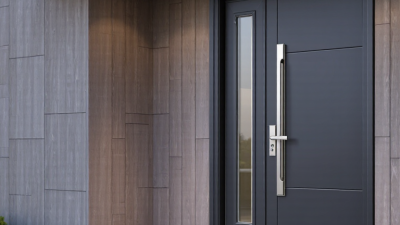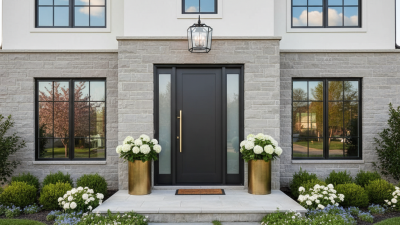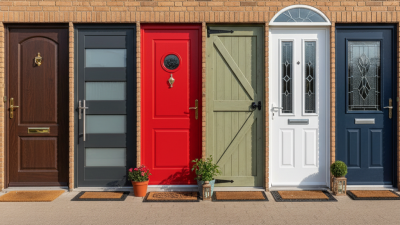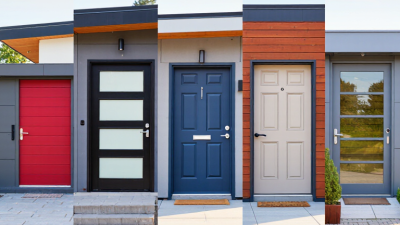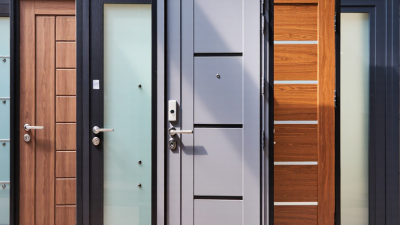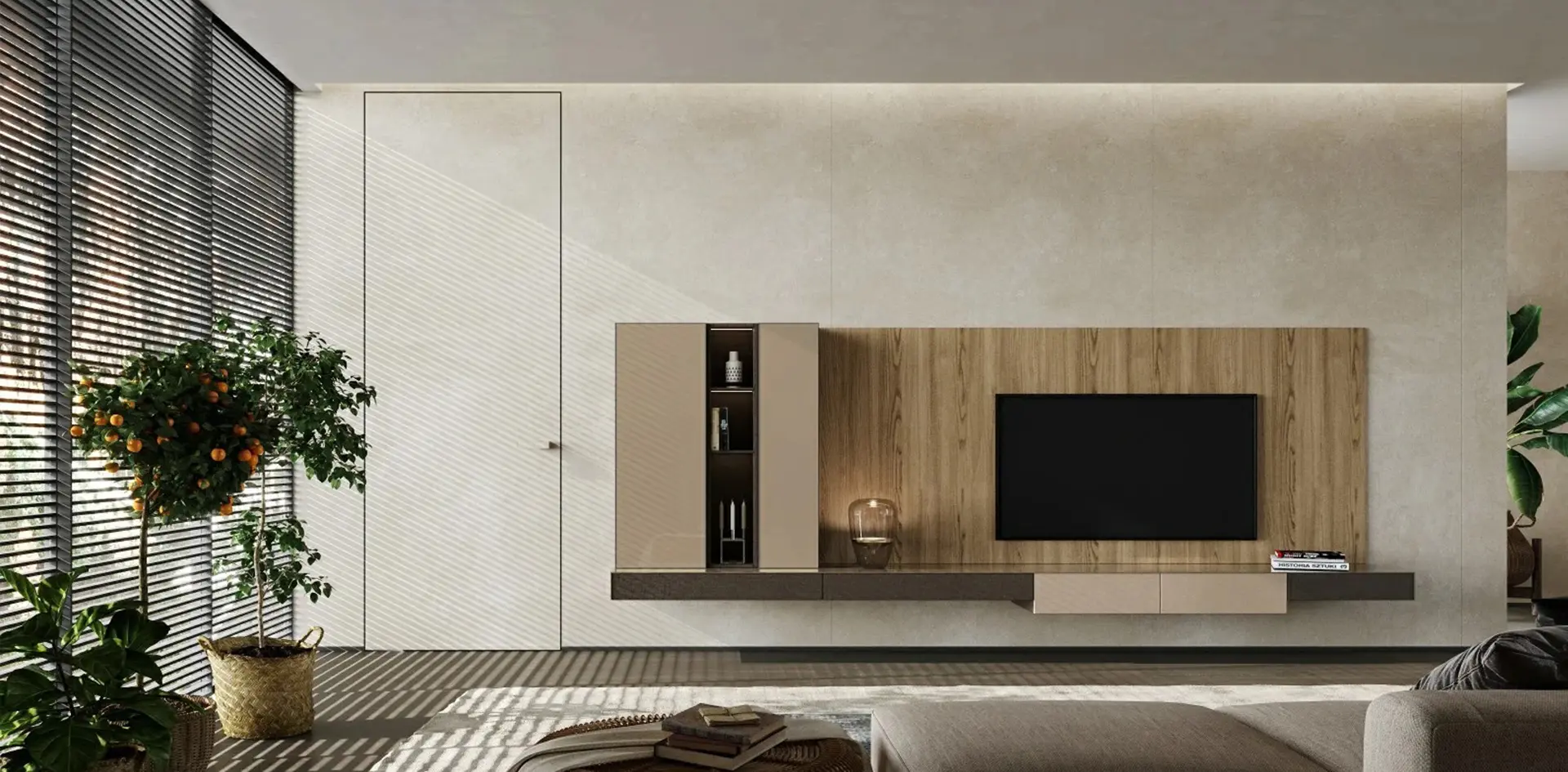
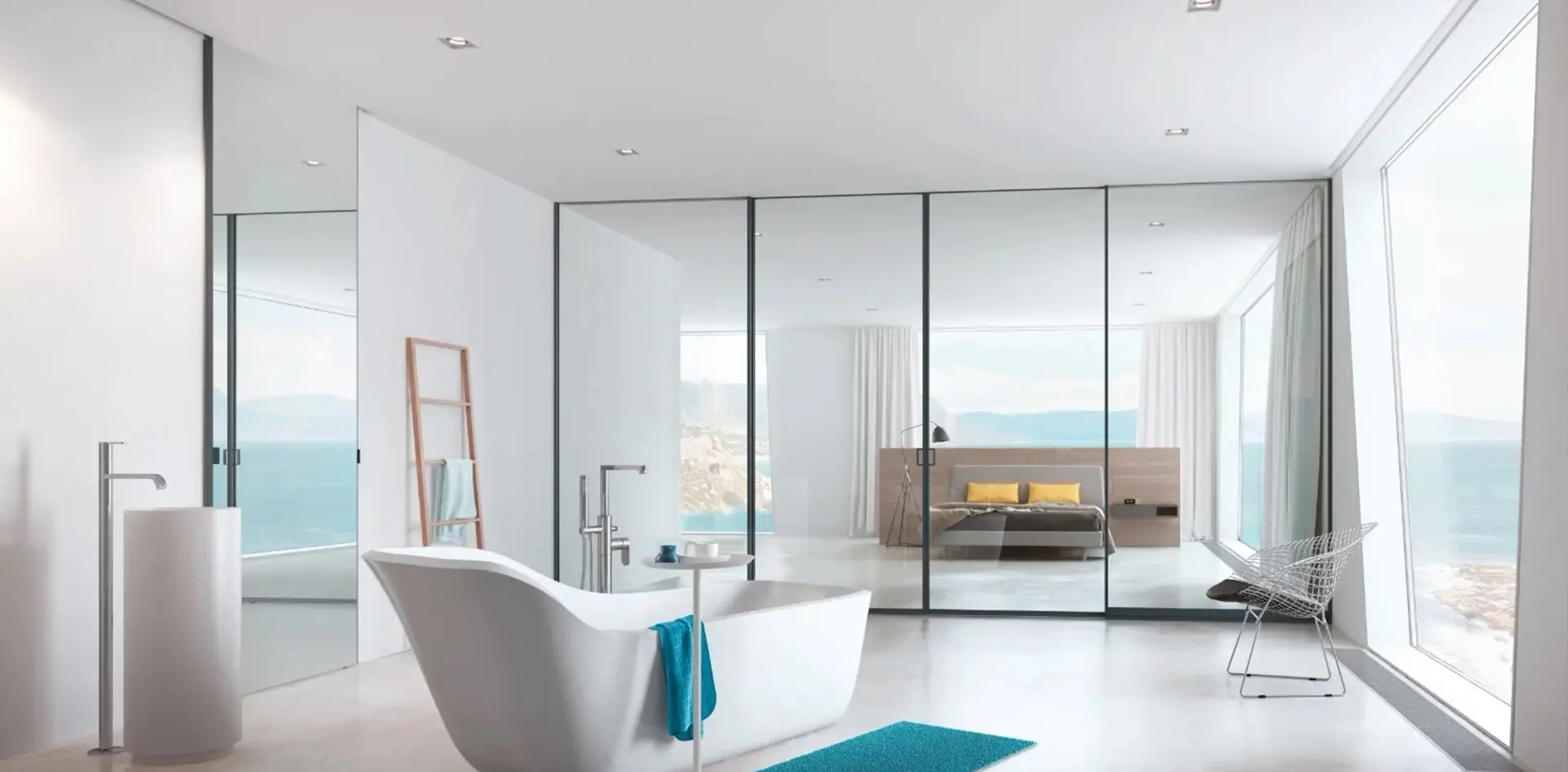

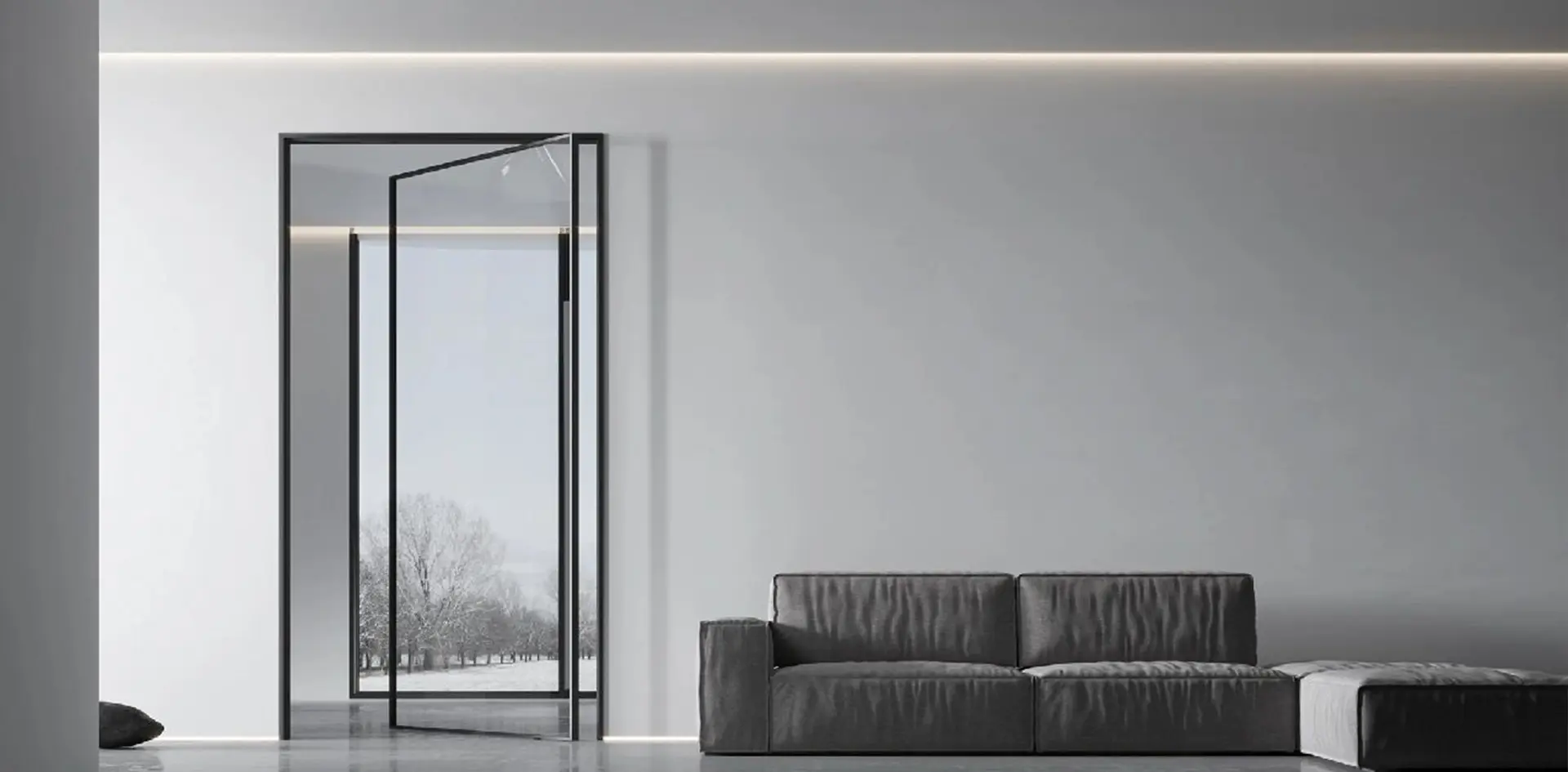


Choosing the best Modern Front Door begins with more than appearance. It shapes the entrance, controls daylight, and influences how secure the home feels. Architect and author Sarah Susanka has described the front door as “the handshake of the house.” That image remains useful. A strong entrance should feel welcoming, not theatrical.
Begin by studying the property’s architecture, street exposure, and daily use. A slim steel door may suit a minimalist façade, but it can feel cold beside warm brick. Natural timber adds texture, although it needs careful sealing in wet climates. Fiberglass can imitate wood with less maintenance. Consider the door’s width, swing direction, glazing, insulation, drainage, and threshold height. These details affect comfort during winter, summer, and heavy rain.
Security deserves equal attention. Look for a reinforced frame, a quality multi-point lock, and correctly fitted hinges. Frosted or textured glass can bring daylight without exposing the hallway. Check thermal performance rather than trusting attractive marketing language. Local building requirements may also affect fire ratings, accessibility, and installation. A qualified installer can identify problems before they become expensive.
There is no universal best choice. I once preferred a dramatic full-glass entrance, until glare and privacy changed my view. That mistake matters. Design photographs rarely show fingerprints, fading, drafts, or the sound of a closing door. Touch samples, test hardware, and inspect finished projects whenever possible. The right Modern Front Door should look considered, operate quietly, and remain dependable after the first impressive photograph. Even small compromises can be worthwhile when they improve everyday living.
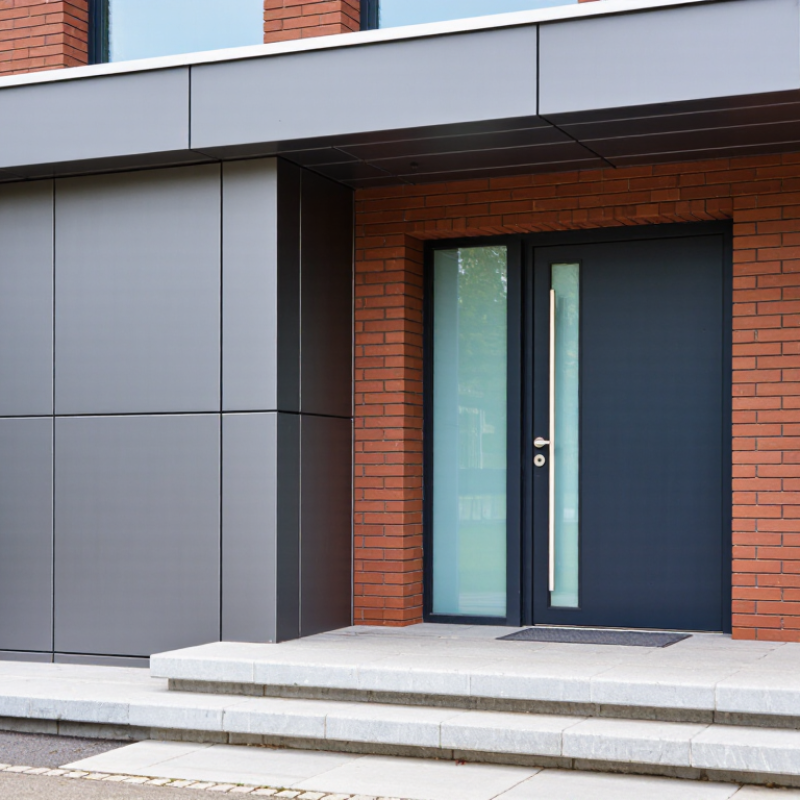
How to Choose the Best Modern Front Door?
A modern front door should respond to your home, not only its appearance. Begin by studying the entrance throughout the day. Does afternoon sun overheat the hallway? Does wind push rain beneath the threshold? These details shape the door’s glass, insulation, swing direction, and weather seals. Measure twice. A beautiful door can still feel wrong if it blocks furniture movement or narrows an accessible route.
Security also requires practical thinking. Choose a strong core, reliable hinges, a properly fitted lock, and a frame anchored to sound structure. Avoid focusing on one impressive feature. The entire door system matters. In renovation work, I have seen excellent slabs underperform because installers ignored uneven walls or weak framing. Local building requirements should guide opening sizes, safety glazing, ventilation, and fire separation. Qualified installation is not an optional finishing touch.
Consider how much care you can realistically provide. Smooth painted surfaces may show dust near a busy walkway, while textured finishes can collect it. Glass can brighten a dark foyer, but privacy may matter after sunset. Test samples outside, where changing light reveals their real color. Listen closely. The quiet click of hardware and the absence of drafts often say more than a showroom display. I would also question my first choice: is the design still practical during heavy rain, muddy shoes, or a delivery at night? Some compromises remain, and that is normal.
A modern front door should suit your climate, not only your exterior design. Fiberglass resists moisture, dents, and temperature changes well. Steel offers strong security and a stable surface, but damaged coatings may rust. Wood feels warm and substantial, yet it needs careful sealing. Aluminum is lightweight and resists corrosion, although poor thermal design can create cold spots.
Look beyond the outer material. A dense insulated core improves comfort and reduces heat transfer. Reinforced rails and stiles help prevent twisting. Strong corner joints matter more than decorative panels.
Check the threshold closely. It should include a raised seal, drainage path, and an adjustable sweep. These small details often decide whether wind-driven rain reaches the hallway.
Weather performance requires evidence. Ask for independently tested ratings for air leakage, water penetration, and structural pressure. In cold regions, compare U-values and inspect the thermal break around the frame. Coastal homes need corrosion-resistant fasteners and finishes that tolerate salt air. UV exposure can fade dark surfaces faster than expected. I once underestimated the importance of installation, and even a well-built door leaked around an uneven sill. That mistake still matters. Hire an installer who follows the manufacturer’s instructions and seals the rough opening correctly. No door is perfect. Maintenance remains necessary, especially after storms and seasonal movement.
Choosing a modern front door starts with the opening, not the showroom finish. Glass should match your climate and exposure. The U.S. Department of Energy reports that windows can cause 25–30% of household heating and cooling energy use. A mostly glazed door may intensify that weakness. Check independently rated U-factor and solar heat gain coefficient values through the National Fenestration Rating Council system. Lower U-factor usually means less heat transfer. SHGC needs climate-specific judgment. In a hot room, low solar gain matters. In a cold, sunny entry, higher gain may help. That trade-off is easy to miss.
Tips: Stand inside the entry on a sunny afternoon. Feel the glass edge and threshold. Ask for the complete door-system rating, not just the slab. Check weatherstripping compression, sill sealing, and drainage paths. Textured or laminated glass can improve privacy. However, verify its visible-light rating. Heavy hardware alone proves little.
Security depends on the frame, hinges, strike area, and installation. ANSI/BHMA standards provide performance classifications for hardware. Forced-entry resistance should come from documented testing, not marketing language. The FBI’s 2022 Crime Data Explorer reported 847,522 burglary offenses in the United States. That data does not identify every entry point. The limitation matters. A stronger lock cannot fix a loose frame. Thresholds can also waste energy. Infrared inspection or a smoke-pencil test may reveal drafts. I have seen attractive doors underperform because installers rushed the sill pan.
Measure the entryway before comparing styles, finishes, or glass options. Record the existing door slab, frame, threshold, and wall opening separately. Measure width at the top, middle, and bottom. Walls shift slightly over time.
Measure height from the finished floor to the underside of the frame. Check the jamb depth, hinge positions, and swing direction. A tape measure helps, but a level reveals problems that measurements can miss.
I once trusted one width measurement and overlooked a sloping threshold. That mistake created an unwanted gap beneath the door.
Inspect the surrounding wall for moisture, damaged framing, or loose trim. Installation may require a new sill, shims, flashing, insulation, or exterior sealant. Confirm whether the replacement fits the rough opening or needs structural adjustment. Check local building requirements for clearance, emergency access, energy performance, and safety glazing. These details vary by location.
Ask an experienced installer to review your measurements before ordering.
Provide photos showing the interior, exterior, hinges, threshold, and nearby walls. Include the direction the door opens. Small details matter. A modern door should close smoothly without rubbing, binding, or exposing daylight around the frame. Allow extra time for uneven floors and older masonry. Measurements are not always perfect, and a second inspection can prevent an expensive correction.
Choosing a modern front door begins with the opening, not the showroom finish. Measure width, height, jamb depth, and threshold height at several points. Older walls rarely stay perfectly square. A few millimeters can create drafts, binding, or costly adjustment work. For exposed entrances, I favor insulated cores, weather seals, and durable hardware. Select glass carefully; clear panels improve daylight, while textured glass protects privacy. Check the door’s thermal rating and water-management details in the specification. It should feel solid.
Maintenance planning should happen before installation. Ask how often seals need cleaning, lubrication, or replacement. Wipe the surface with mild soap and water, then dry it fully. Do not use abrasive pads on painted or coated finishes. Inspect hinges, locks, drainage channels, and the lower edge twice yearly. After heavy rain, look for swelling, staining, or moisture near the threshold. These checks take minutes. Still, many homeowners postpone them until the lock becomes difficult. That habit is easy to regret.
Long-term value includes comfort, security, repair access, and appearance. Compare the full installed cost, not only the door price. Include preparation, flashing, trim, hardware, finishing, and future seal replacement. A low initial quote may hide poor fitting or limited service support. Request written installation details and a clear warranty before paying. Keep photographs of concealed flashing and product specifications for future repairs. I would also test the door during windy and rainy conditions. A beautiful door can still underperform. If maintenance depends on specialist products, reconsider the choice. Simple care usually survives busy households better than delicate detailing.