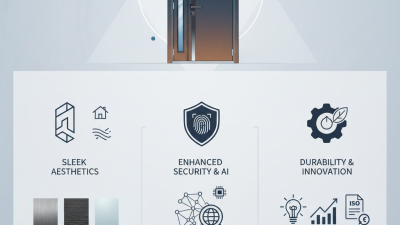

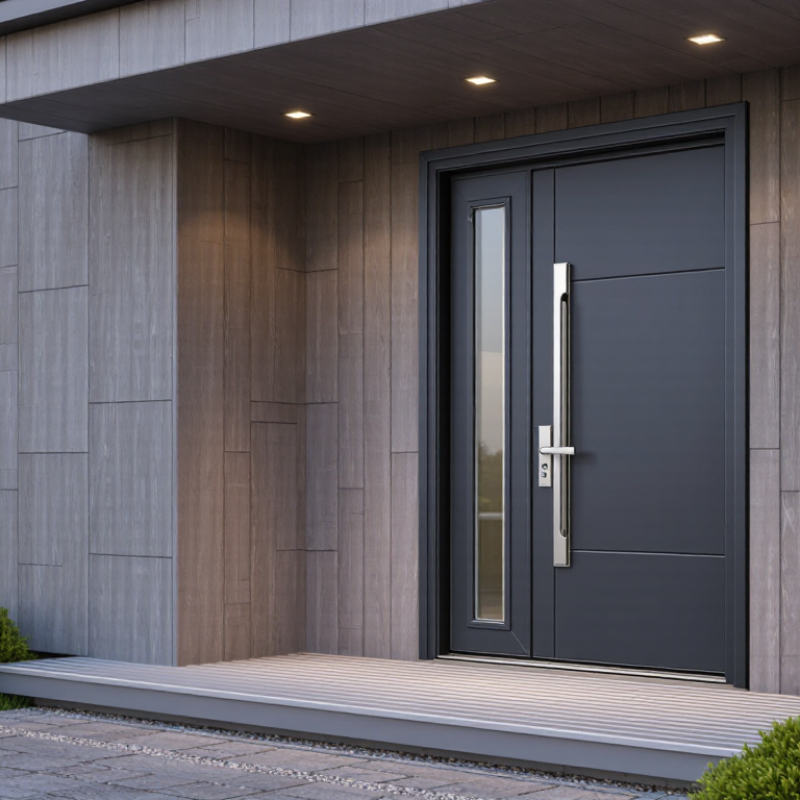
How to Choose the Best Modern Front Door from China?

Choosing the best Modern Front Door from China starts with more than color, handle style, or a low quotation. The door must suit the building, local climate, and installation conditions. A glossy sample is useful, but it cannot prove how the finished product will perform. Ask for clear specifications and test documentation before comparing suppliers.

The Global Alliance for Buildings and Construction’s 2024 Global Status Report estimates that buildings and construction accounted for 32% of global energy demand and 34% of energy-related carbon dioxide emissions in 2023. These figures describe the wider sector, not doors alone. Still, they show why insulation and careful installation deserve attention. Check the stated U-factor or thermal transmittance, weather-seal design, frame material, and glazing details where relevant. Values need context. Test methods and rating systems can differ between markets.

Look closely at practical details. Does the threshold suit your entry? Can the hinges support the door’s weight? Are finishes and hardware specified in writing? Ask how the supplier handles packaging, lead times, replacement parts, and quality checks. Request project references and confirm that reports match the exact model and configuration—not merely a similar product. Small mismatches matter.

There is no universal “best” door. A design that works in a mild coastal climate may disappoint in a cold, exposed entryway. I would compare documented performance, service support, and total delivered cost before choosing appearance alone. And inspect the sample carefully. It may still leave questions.
How to Choose the Best Modern Front Door from China?

Identify Your Needs for a Modern Front Door

Before comparing modern front doors from China, define what the entrance must do each day. Measure the opening at several points, since older frames are rarely perfectly square. Measure twice. Record wall thickness, threshold height, and the direction the door should swing. A beautiful slab is not useful if it blocks a hallway or misses the existing frame.

Next, consider local weather, noise, privacy, and the level of daylight you want. A glazed panel can brighten a dim entry, but its size and glass specification affect privacy and insulation. In a hot, cold, or rainy climate, ask for documented details on thermal performance, weather seals, and finish durability. Small details matter. Check whether the quoted dimensions describe the door leaf or the full frame, and confirm which side is viewed from outside. That can be costly.

Set a realistic budget that includes shipping, installation, hardware, and any needed frame adjustments. Ask suppliers for dimensioned drawings, material descriptions, finish samples, and clear packing details before production. Compare the same specifications, not just the photos or headline price. A common planning mistake is choosing a finish from a screen alone; colors can look different in daylight. I would also leave room for one revision, because measurements and preferences sometimes change after reviewing a physical sample.

Compare Door Materials, Designs, and Performance

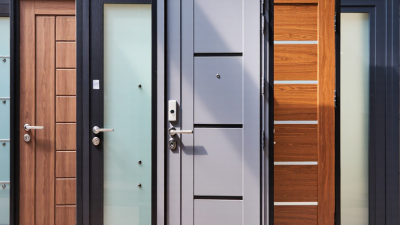
Choosing a modern front door from China means comparing construction, not just appearance. Steel offers strong security and a crisp profile, but its finish and insulation need careful checking. Aluminum is lighter and suits slim, contemporary frames; thermal breaks help limit heat transfer. Fiberglass resists moisture and needs little upkeep, though surface quality varies. Timber brings natural grain and warmth, but needs more attention in exposed settings. Material labels alone reveal little.

Design should fit the home and the local climate. A large glass panel adds daylight, while laminated or insulated glazing can improve privacy and comfort. Check the complete door set: frame depth, threshold, weather seals, hinges, and lock preparation all affect performance. Ask for specifications and test reports for the exact model, including air leakage, water resistance, and thermal performance where available. A sample finish helps; screens can mislead. There is no perfect material. A heavy door may feel reassuring, yet still perform poorly if its frame or seals are weak. Confirm opening measurements and handing before production, since small mismatches can complicate installation.

How to Choose the Best Modern Front Door from China? — Compare Door Materials, Designs, and Performance

Door Type Common Construction Design Options Thermal Performance Weather and Corrosion Resistance Security Potential Maintenance Best Suited For Key Points to Verify
Thermally Broken Aluminum Aluminum profiles separated by an insulating barrier, usually combined with insulated panels or glazing. Slim frames, contemporary finishes, large glass areas, and a wide range of powder-coated colors. Generally good when the thermal break, insulated infill, and perimeter seals are well designed. Standard aluminum without a thermal break conducts heat readily. Good when the finish and hardware suit the local climate. Coastal exposure calls for appropriate corrosion-resistant finishes and components. Can be strong with a reinforced frame, secure lock points, and suitable hinges; the material alone does not determine security. Usually low; clean surfaces and periodically check seals, hinges, and locks. Modern homes, contemporary renovations, and entrances where a slim-profile appearance is desired. Ask whether the frame is thermally broken; check glazing specification, weather seals, finish durability, and tested performance data.
Steel Steel skins over a core, or a steel frame with an insulated panel; construction varies considerably by product. Flat or paneled faces, painted finishes, and optional glazed sections or decorative detailing. Depends on the core, edge construction, and seals. Metal faces can transfer heat, so insulated construction matters. Requires a durable protective coating and sound edge protection to limit corrosion, especially where the finish is damaged or exposure is severe. High potential when the door, frame, hinges, and locking hardware are designed and installed as a complete system. Low to moderate; inspect coatings and promptly repair chips or scratches that expose the metal. Entrances prioritizing a solid feel and a broad range of practical, modern designs. Confirm steel thickness, core type, frame reinforcement, coating system, lock configuration, and independent test results where available.
Solid Wood Timber stiles, rails, and panels, or a solid timber slab; species and construction affect performance. Natural grain, stained or painted finishes, flush designs, and traditional or contemporary panel layouts. Wood is less conductive than metal, but insulation and airtightness depend on door thickness, construction, and seals. Performance varies with species, finish, exposure, and maintenance. Moisture and direct weather can cause movement over time. Can be secure when paired with a strong frame, suitable locks, and reinforced hinge areas. Moderate to high; finishes may need periodic inspection and renewal, particularly on exposed faces and edges. Homes seeking a natural material, distinctive grain, or a warm, substantial appearance. Check timber species, moisture control, construction method, finish on all faces and edges, and suitability for the intended exposure.
Engineered Wood Wood-based cores or engineered stiles and rails, often finished with veneer, laminate, or paint. Consistent flush surfaces, wood-look finishes, and a wide choice of colors and panel patterns. Varies by core and overall build. A well-sealed insulated construction can perform well, but the finish alone does not indicate insulation. Depends on the core, edge sealing, and exposure rating. Some products are intended for sheltered locations rather than direct weather. Depends on core strength, frame attachment, hinges, and lock hardware. Generally low indoors or in sheltered entrances; damaged edges and moisture exposure need attention. Projects seeking a stable, uniform appearance and a wood-style finish, especially in protected entryways. Confirm whether the product is rated for exterior use, how edges are sealed, and what warranty applies to moisture exposure.
Fiberglass-Composite Composite skins over an insulated core, with construction and reinforcement varying by model. Painted colors, wood-grain effects, smooth faces, and designs with optional glazing. Often good with an insulated core and well-sealed frame; request product-specific test data rather than relying on material claims. Typically resists routine moisture exposure well, but performance depends on the finish, seals, installation, and product specification. Can provide good security when reinforced and fitted with suitable locks and hinges. Usually low; inspect hardware and weather seals periodically and follow the finish-care instructions. Buyers looking for an insulated, low-maintenance alternative to wood or metal. Verify exterior-use suitability, skin and core construction, frame strength, hardware options, and test documentation.
Stainless Steel Stainless-steel sheet or profiles over a core, or a metal frame with an infill panel. Clean metallic finishes, flush surfaces, and restrained contemporary detailing. Depends on the core and thermal design; metal construction itself does not guarantee good insulation. Can offer good corrosion resistance, but the appropriate grade and finish depend on the environment, particularly near the coast. Can be robust when the frame, reinforcements, hinges, and locking system are properly specified. Low to moderate; cleaning requirements depend on finish and local exposure. Modern projects that favor a durable metal appearance and straightforward detailing. Request the stainless-steel grade, core details, finish specification, and evidence of performance for the intended environment.

Buying note: Compare complete door-set specifications, not material names alone. Ask for documented thermal, air-leakage, water-resistance, wind-load, and security test results where relevant. Confirm that the door, frame, hardware, and installation method suit the project’s climate, opening size, and local building requirements.

Check Safety Standards and Manufacturing Quality

A modern front door can look solid and still fail at its joints, frame, or lock preparation. The FBI’s 2023 Crime in the Nation report recorded an estimated 847,522 burglaries in the United States. That number is context, not a measure of door performance. Ask the Chinese manufacturer for a third-party test report covering the complete door assembly, not just the lock. ASTM F476 provides test methods for the security of swinging door assemblies. Check that the tested sample matches your order’s size, glazing, frame, and hardware. Looks are not proof.

Manufacturing quality needs evidence on paper and at the factory. Request inspection records for welds, corner joints, coating thickness, weather seals, and hardware alignment. For North American projects, ask for applicable NAFS air, water, and structural performance results, and verify the tested configuration. The U.S. Department of Energy says windows account for about 25–30% of residential heating and cooling energy use. That figure is not door-specific, but it underscores the value of tight seals across the building envelope. Ask for a documented water-penetration test, too. A glossy finish is easy to photograph; consistent production is harder to prove. Ask for records.

Evaluate Chinese Suppliers and Export Capabilities

Choosing a Chinese supplier starts with evidence, not polished catalog photos. Request the factory’s production address, export history, and named contact for quality control. Ask for recent inspection records and references from comparable projects. A video call can show whether the sample room, assembly line, and packing area match the supplier’s claims. Small details matter. Check whether quotations clearly specify door dimensions, core material, frame, finish, hardware, packaging, and replacement-part terms.

Export capability needs separate verification. The World Bank’s 2023 Logistics Performance Index ranked China 19th among 139 economies, but a national ranking cannot guarantee one factory’s shipping performance. Ask for recent shipment records, typical lead times, port options, and photos of protective crating. Confirm who prepares export documents and who handles damage claims. One weak point: suppliers may quote production time but omit design approval and packing time. Put every milestone in the purchase schedule.

For a modern front door, request test reports for the exact proposed construction, not merely a similar product. Compare air leakage, water resistance, wind-load performance, and thermal transmittance where relevant. The International Energy Agency reported that buildings accounted for about 30% of global final energy consumption in 2022, making insulation details worth checking. A glass insert, threshold, or metal frame can change performance substantially. Ask for labeled drawings and a physical sample. Then compare the sample with the final specification before approving production.

Compare Pricing, Warranties, and Installation Requirements

When choosing a modern front door from China, compare the delivered price, not just the factory quote. Include crating, freight, import charges, local delivery, and any needed hardware. Zonda’s 2024 Cost vs. Value report put a U.S. steel entry-door replacement at an average $2,355, with an estimated $4,430 resale value. That is a U.S. renovation benchmark, not a reliable quote or guaranteed return for an imported door.

Small print matters. Compare warranty length alongside what it actually covers: finish fading, glass seals, frame movement, hardware, and replacement labor. Ask whether coverage starts at shipment or installation, and who handles claims if parts must travel overseas. A long warranty can still leave freight and labor costs with the buyer. Get exclusions and claim steps in writing.

Installation can change the real price. Confirm the rough-opening dimensions, wall depth, handing, sill height, and whether the supplied frame fits local construction. Ask for written instructions covering anchoring, flashing, and sealing; poor sealing can invite drafts or water entry. Check product test documentation and, where available, NFRC ratings for U-factor and solar heat gain. Measure twice. I would not assume a standard-size door fits an existing opening; site conditions are easy to underestimate.