How to Choose Modern Entry Doors in 2026?
Choosing Modern Entry Doors in 2026 involves more than matching a façade with a fashionable finish. A front door must welcome guests, resist daily weather, support home security, and operate smoothly for years. The right choice begins with the building itself: its climate, entrance direction, wall structure, available space, and architectural style. A dark aluminum door may look striking in bright sunlight, while a sheltered timber door can add warmth near a covered porch. Small details matter.
Experience also reveals problems that showroom images rarely show. A low threshold may improve accessibility, but it can require careful drainage in wet regions. Oversized glass can brighten a hallway, yet it may reduce privacy or increase heat gain. Smart locks offer convenience, though they still need dependable manual access and regular maintenance. Compare independent test results, manufacturer warranties, installation instructions, and verified performance ratings. Qualified installers should confirm the frame, hinges, seals, and threshold before final fitting. Local building requirements should also be checked with reliable professionals.
There is no perfect door.
A thoughtful decision balances appearance, insulation, ventilation, security, maintenance, and budget. It also allows room for honest reconsideration. You may prefer a minimalist steel design, then discover that fingerprints, coastal air, or harsh afternoon sun change the practical picture. This guide explains how to assess Modern Entry Doors with evidence rather than impulse, helping you choose an entrance that feels beautiful on opening day and remains dependable through changing seasons.
Define Modern Entry Door Styles and Their Core Features
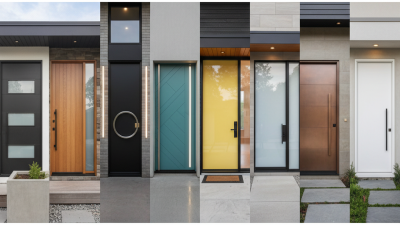
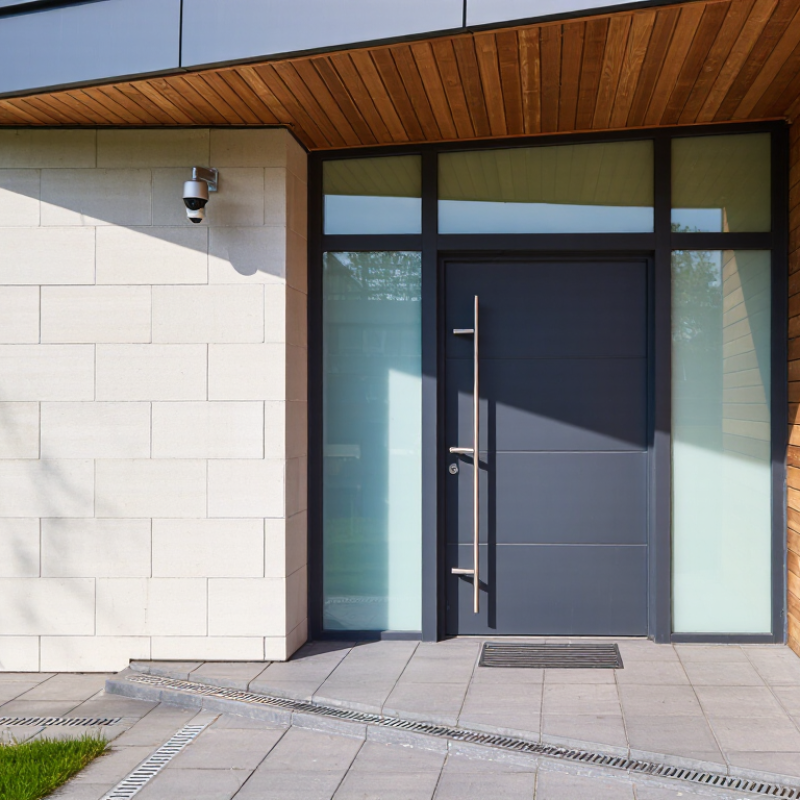
Modern entry doors are defined less by decoration than by disciplined proportion, clean geometry, and useful performance. In 2026, three styles appear especially practical.
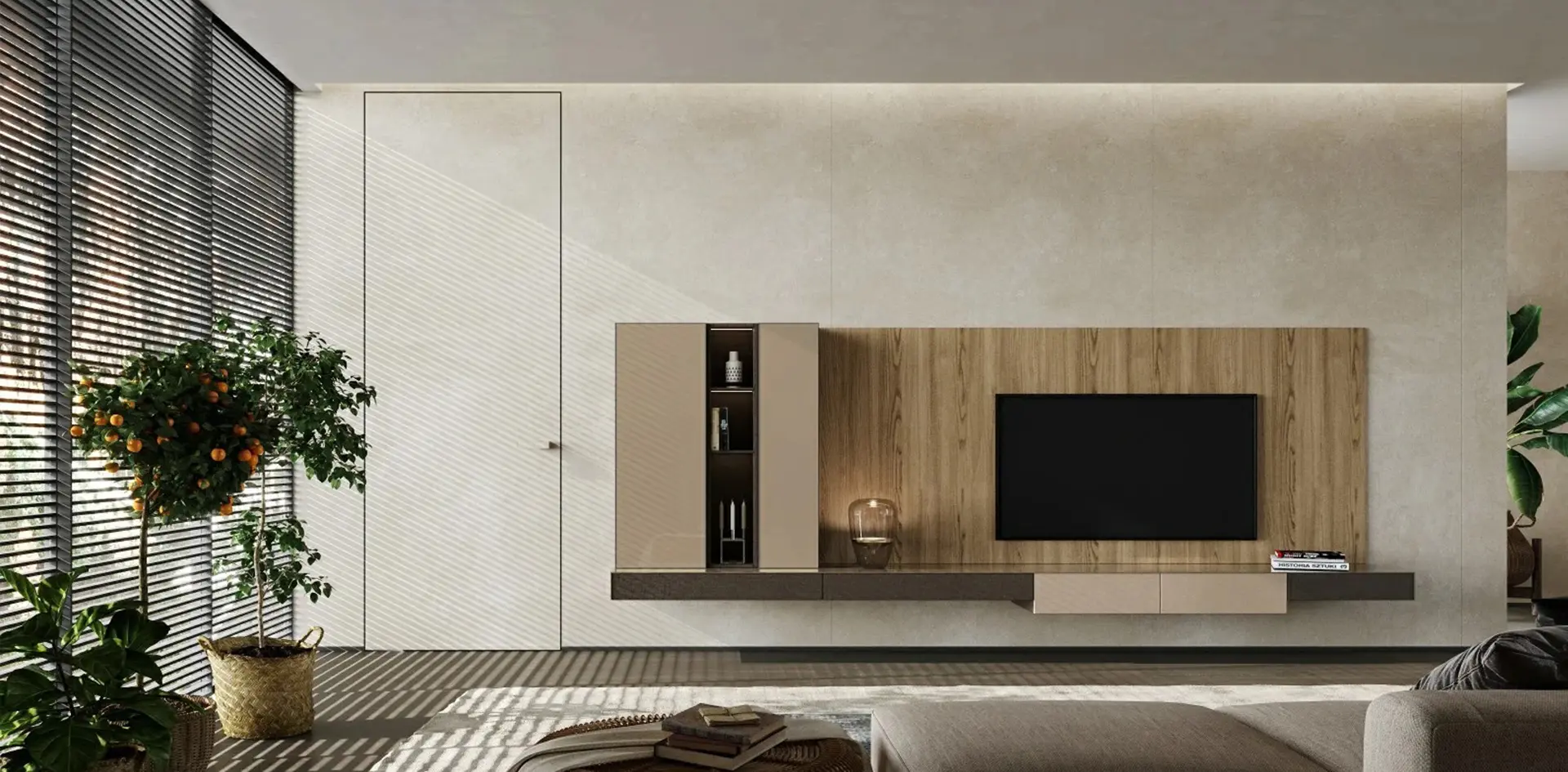
A flush door uses a smooth, uninterrupted surface, often with concealed hinges and a narrow pull handle.
A slim-frame glazed door brings daylight through tall, carefully divided panels.
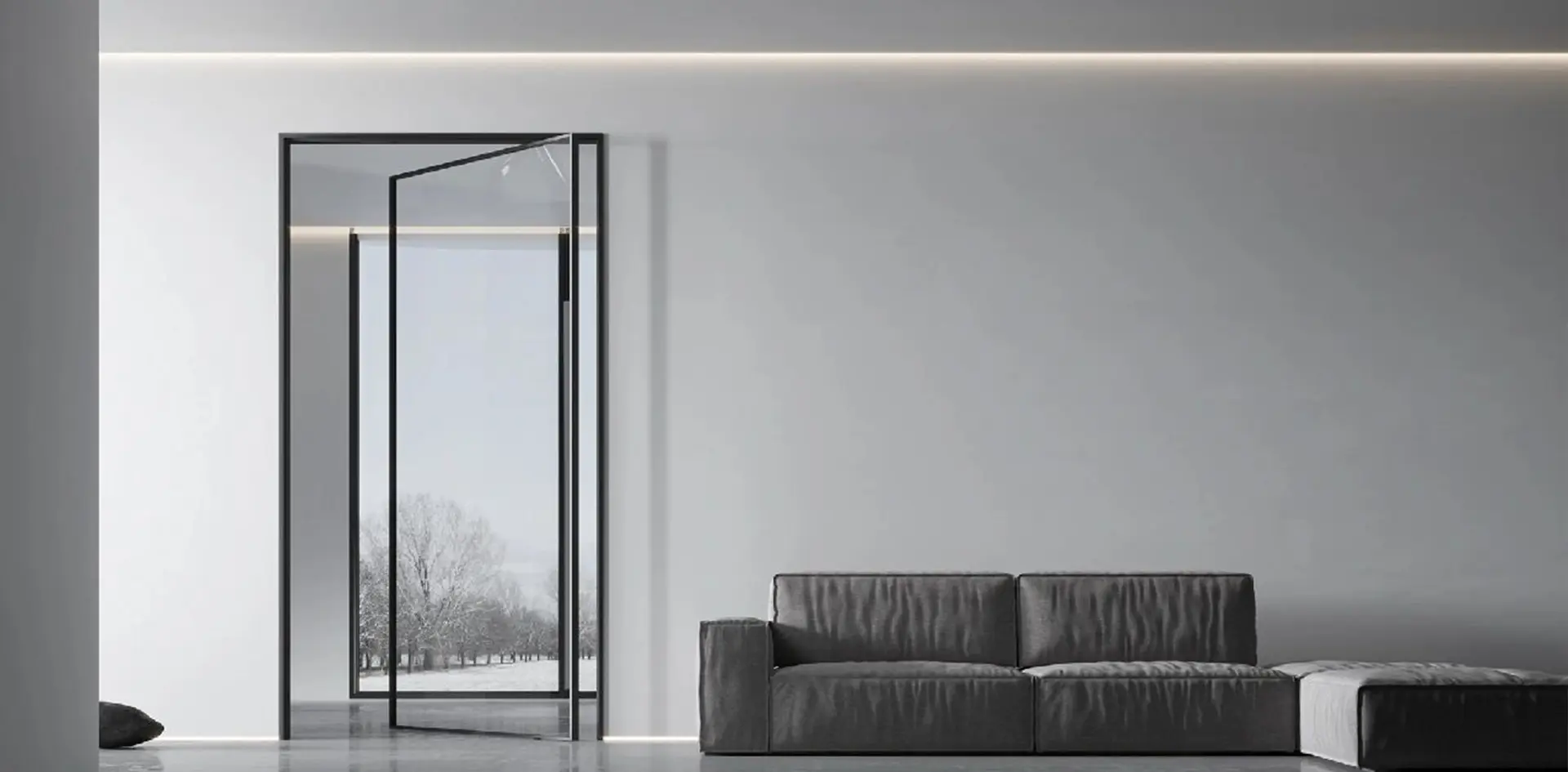
A pivot door creates a bold, wider opening with a central turning point and strong architectural presence. It feels sculptural.
Not always.
Core features should support the style rather than compete with it. Look for a stable door slab, accurate weather seals, insulated construction, and hardware that operates smoothly in daily use.
Low-emissivity glass can reduce heat gain, while laminated glazing improves impact resistance and privacy. During site inspections, I check the threshold closely; a beautiful door can still admit water if drainage is poorly designed.
Small details matter.
Finishes also deserve attention. Powder-coated metal offers consistent color, while textured wood can soften a severe facade, though it needs more maintenance in wet climates. Oversized doors may look impressive, but their weight can strain hinges and frames. The cleanest design is not always the most reliable choice.
A slightly simpler door may perform better, especially when installation quality is uncertain.
Compare Door Materials, Energy Performance, and Maintenance
How to Choose Modern Entry Doors in 2026?
Compare Door Materials, Energy Performance, and Maintenance
A modern entry door should suit your climate, not only your facade. Fiberglass resists dents, moisture, and daily temperature changes. Steel offers strong security and often provides excellent insulation. However, exposed steel can develop surface damage if its coating fails. Solid wood feels warm and substantial, but it needs careful sealing around edges and joints. Aluminum looks clean and resists rust, although its thermal performance depends heavily on an insulated core.
Check the complete door system, not just the slab. Weatherstripping, insulated glass, and a well-fitted frame control drafts. Look for independently tested U-factor and air-leakage results. Lower U-factor usually means better insulation. A tight seal can also reduce outside noise. Small gaps matter.
I once measured a beautiful door that felt cold near its lower corner. The problem was poor installation, not the material. That experience changed my checklist. Ask how the threshold drains water. Inspect corner seals. Confirm replacement parts remain available. Fiberglass may need occasional cleaning and repainting. Steel usually needs prompt attention after scratches. Wood requires more seasonal care, especially in wet climates. Aluminum demands less upkeep, but damaged thermal breaks can be costly to repair. Energy savings also depend on installation quality, hallway pressure, and how often the door opens. A perfect specification cannot correct a careless fit.
Select the Right Size, Hardware, Glazing, and Smart Features
How to Choose Modern Entry Doors in 2026?
Start with the opening, not the catalog image. Measure width, height, wall depth, threshold, and swing clearance twice. A door that looks elegant can still scrape tile or block a hallway. Standard sizes simplify replacement, but older homes often need custom framing. I still see one common mistake: homeowners measure the slab, not the rough opening.
Hardware should match daily use. Choose corrosion-resistant hinges, a reinforced strike plate, and a lock tested to recognized ANSI/BHMA standards. Keyless entry adds convenience, but it needs a protected power source and a manual backup. Keep the keypad visible from the porch, yet shielded from direct rain. Simple details matter.
Glazing affects comfort, privacy, and security. Low-emissivity double glazing can reduce unwanted heat transfer; the U.S. Department of Energy notes that windows can cause roughly 25–30% of residential heating and cooling energy use. Use narrow, laminated, or obscured glass where privacy matters. According to Zonda’s 2024 Cost vs. Value Report, steel entry door replacement recovered about 188% of its cost nationally, though local results vary widely. That figure is useful, not guaranteed. Check climate, exposure, warranty terms, and installation quality before choosing smart features. A connected door is only as reliable as its batteries, network, and physical frame.
How to Choose Modern Entry Doors in 2026?
Select the Right Size, Hardware, Glazing, and Smart Features
The chart shows common nominal residential entry-door slab widths in the United States. A standard height of approximately 80 inches is widely used, while 30-, 32-, and 36-inch widths are common planning references. Always verify the rough opening, local accessibility requirements, and manufacturer specifications before ordering.
Size
Measure the existing slab, jamb, rough opening, swing direction, and threshold height.
Hardware
Confirm the backset, handing, bore-hole layout, latch type, and compatibility with the lockset.
Glazing
Choose insulated low-emissivity glass where energy performance matters, with safety glazing where required.
Smart Features
Check power source, wireless protocol, mobile access, mechanical override, and weather resistance.
Set a Budget and Confirm Professional Installation Requirements
Set a realistic budget before choosing a modern entry door. Include the slab, frame, hardware, glazing, delivery, removal, disposal, and installation. Keep a 10–15% contingency for hidden rot or an uneven opening. These problems appear often in older homes.
The 2024 Cost vs. Value Report showed that steel entry-door replacement achieved about 188% cost recoupment in its surveyed market. That figure is useful, but it is not a guaranteed resale return. Local labor prices and housing conditions can change the result. Request two or three written estimates with identical specifications. Compare warranties, energy ratings, flashing details, and cleanup responsibilities. The cheapest quote may omit critical preparation.
Professional installation is not optional when the opening is damaged, oversized, or exposed to heavy rain. Ask the installer to verify the rough opening, sill height, drainage path, and wall condition. Confirm whether a permit or inspection applies in your area. The U.S. Department of Energy recommends careful air sealing around doors because uncontrolled leakage increases heating and cooling demand. Use low-expansion foam and compatible exterior sealants, not improvised fillers. A qualified installer should also document shimming, pan flashing, and final operation. I would still inspect the threshold after the first storm. Even good work can reveal a small leak.