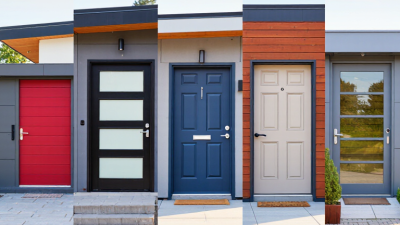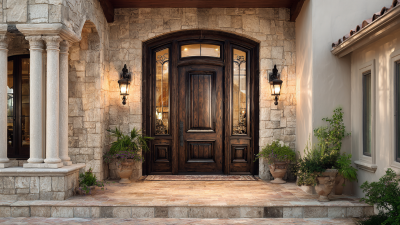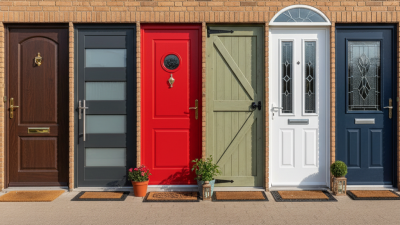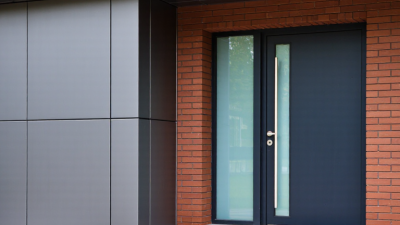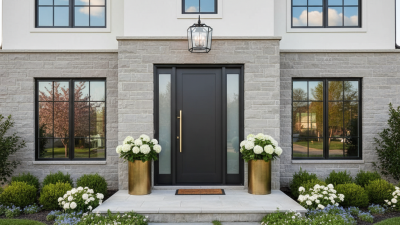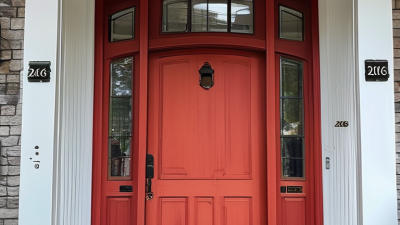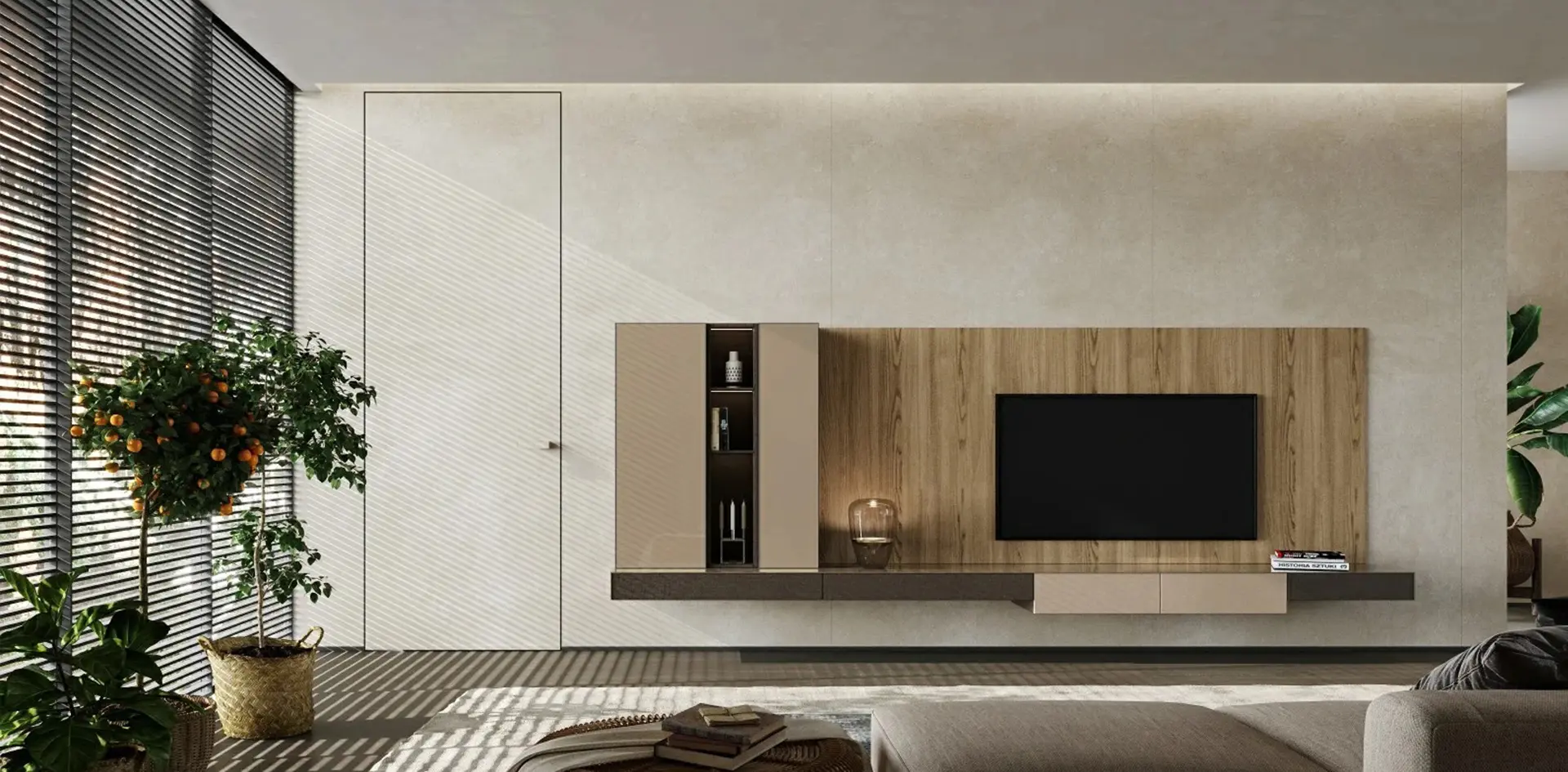
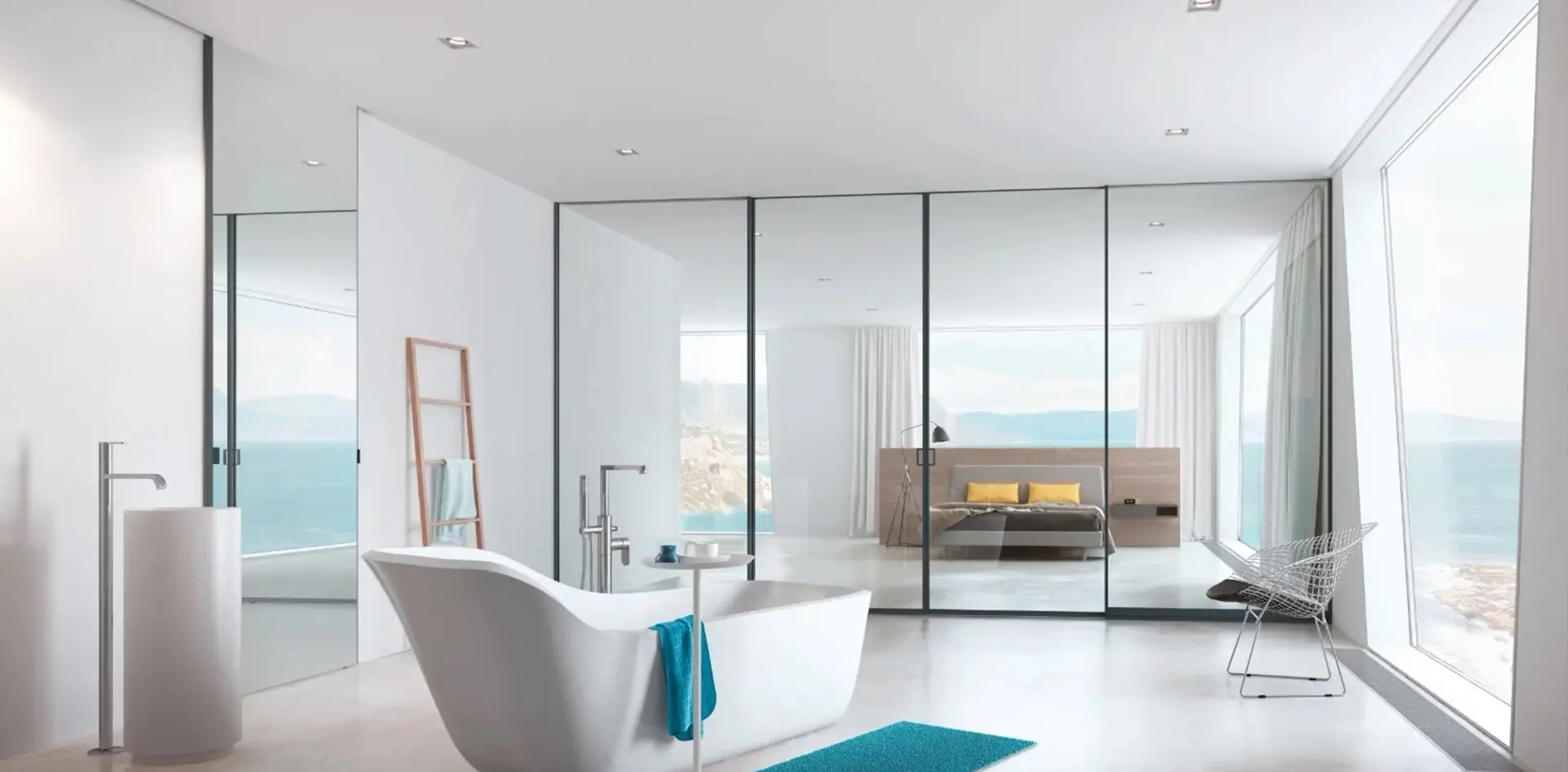

House Front Doors are more than visual features for global buyers. They shape first impressions, daily comfort, security expectations, and long-term property value. A solid door with clear glazing can make a narrow entrance feel brighter. A poor installation can create drafts, noise, and frustrating maintenance. These details become especially important when buyers compare homes across climates, cultures, and construction standards.
Professional data supports this attention. The National Association of Realtors’ 2022 Remodeling Impact Report recorded a 100.9% cost recovery for a steel entry-door replacement in its United States analysis. This does not guarantee the same return in London, Dubai, Singapore, or Toronto. However, it shows that an entry door can influence resale perception. ENERGY STAR guidance also highlights the importance of properly installed, energy-efficient doors. Weatherstripping, insulated cores, and low-conductivity frames can reduce unwanted heat transfer. The International Energy Agency continues to identify building efficiency as essential for lowering energy demand worldwide. A door is a small component, but small gaps matter.
Global buyers should also examine accessibility, hardware quality, local weather exposure, and repair support. Coastal homes may need corrosion-resistant finishes. Cold regions require reliable seals and thermally efficient frames. High-traffic urban properties may benefit from stronger hinges and controlled-entry systems. Yet appearance still matters. Buyers often remember the handle, threshold, and closing sound. That is not a complete valuation method. It is a human one. This article examines why House Front Doors deserve careful consideration before purchase, renovation, or international property investment.
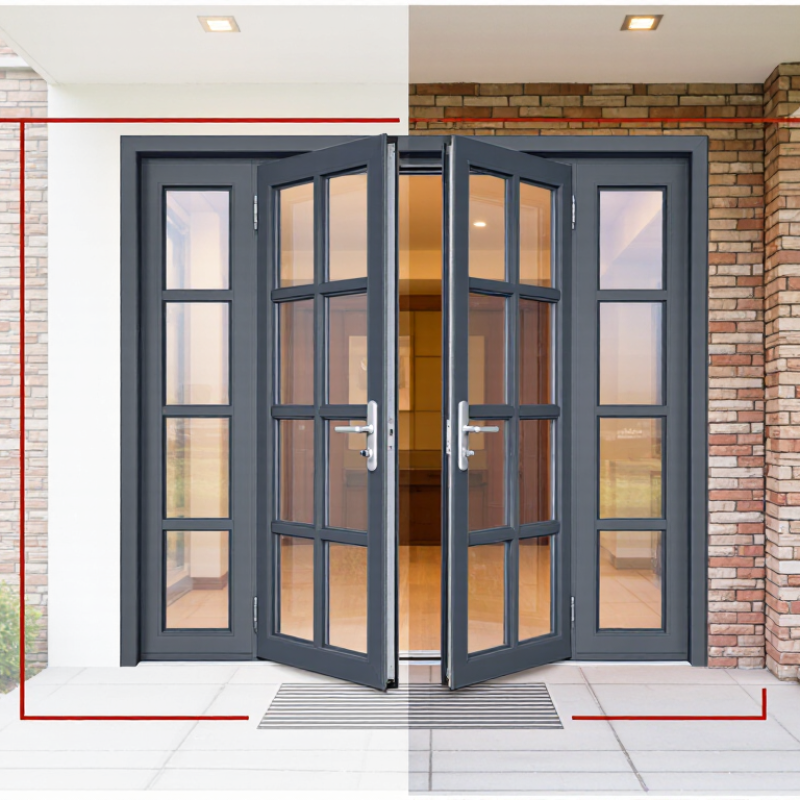
A house front door is more than an entrance. It is the visible threshold between public life and private space.
In residential architecture, its size, material, color, and position often reveal how a home welcomes people. A wide door may suggest openness. A recessed entrance can create privacy and shelter. Small details matter.
Climate also shapes this architectural meaning. In rainy regions, a covered porch protects visitors and reduces water damage. In hot areas, shaded entrances can lower indoor heat. Cold climates often require insulated doors and practical vestibules.
An experienced architect considers these functions before decoration. A local building surveyor can also identify drainage, security, and accessibility concerns that photographs may hide.
Cultural expectations influence the front door as well. Some homes emphasize formal arrival, while others lead visitors through a side entrance. For global buyers, this difference can affect daily comfort and property value. A striking door may look impressive, but it can still feel awkward when it opens directly into a living room. That mistake is easy to miss during a short viewing.
Look closely at the threshold. Is it level enough for older residents or mobility aids? Does the lock feel reliable? Can parcels remain dry?
These practical questions support the door’s symbolic role. It should express welcome without sacrificing safety, privacy, or durability. Good design balances appearance with ordinary experience, although that balance is rarely perfect.
A front door is more than the visible face of a house. It controls who enters, what visitors can see, and how residents move through daily routines. A solid door, a well-fitted frame, and a reliable locking system create a stronger security barrier. However, door quality depends on installation too. Even an expensive door can perform poorly when gaps, weak hinges, or loose hardware are ignored.
Privacy begins before anyone steps inside. Frosted glass, screened panels, or a sheltered entrance can reduce direct views into hallways and living rooms. This matters in busy neighborhoods, where pedestrians may pass close to the property. A peephole, camera position, or side window should also avoid exposing private areas. Small design choices make a noticeable difference. They can also create new concerns if visibility is planned carelessly.
Everyday access deserves equal attention. A heavy door may feel secure, yet it can frustrate children, older adults, or anyone carrying groceries. A clear threshold reduces trips, while practical handle heights improve comfort. Weather seals help prevent drafts and rain from entering the entryway. Local building guidance and a qualified installer can confirm suitable materials and access features. Still, no entrance is perfect. Security hardware may need maintenance, and privacy solutions can reduce natural light. Homeowners should review these compromises as their household changes.
Why Are House Front Doors Important for Global Buyers?
Entrance design strongly shapes curb appeal before buyers inspect the interior. A clear pathway, balanced proportions, and a well-maintained door create an immediate sense of care. This matters across markets, although preferences differ by climate, culture, and housing style. In a humid region, poor sealing may matter more than decorative hardware. In colder areas, thermal performance deserves closer attention.
The financial signal is also measurable. The 2024 Cost vs. Value Report by Zonda, published by Remodeling magazine, found that a steel entry door replacement recovered 188.1% of its average cost in the United States. That figure is striking, but it is not a universal promise. It reflects one national market and specific renovation assumptions. Local labor prices, material availability, and buyer expectations can change the result. A well-designed entrance may support perceived value, but an appraisal also considers location, condition, layout, and comparable sales. A beautiful door cannot rescue neglected drainage or cracked masonry.
Tips: Check the door’s weather seals, frame alignment, lighting, and visible hardware. Photograph the entrance from the street. Small flaws become obvious there. Choose durable finishes suited to the local climate, not only current trends. I would also question oversized designs; they can look impressive online but feel awkward in a modest façade. Experienced agents and qualified surveyors can help connect design choices with local buyer behavior.
Entrance design shapes a property's first impression, strengthens curb appeal, and can influence how buyers evaluate renovation potential. National cost-recouped figures show that exterior improvements can deliver substantial value when a home is prepared for resale.
National average cost recouped from selected exterior remodeling projects, 2024. A steel entry door replacement recouped approximately 188% of its project cost, highlighting the potential value of a well-designed entrance.
Source: 2024 Cost vs. Value Report, national averages.
Why Are House Front Doors Important for Global Buyers?
How Climate, Materials, and Maintenance Shape Door Selection
A front door protects more than an entrance. It manages heat, rain, dust, noise, and daily security expectations. Climate should guide the choice before appearance. In humid coastal areas, salty air can accelerate corrosion around hinges, locks, and fasteners. A sealed composite or treated metal door may perform better than untreated wood. In dry, sunny regions, strong ultraviolet exposure can fade finishes and cause timber panels to shrink. Thermal movement also matters. A door that fits perfectly in mild weather may stick during extreme heat.
Material selection requires practical judgment. Solid wood offers warmth and can be repaired, but it needs regular sealing. Fiberglass resists moisture well, although poor installation can still create leaks. Metal doors provide strength, yet they may transfer heat unless properly insulated. No material is perfect. I have seen attractive doors fail because water collected at the threshold. The frame, drainage, weather seals, and installation quality matter just as much as the door slab. Local building professionals can confirm suitable performance requirements for the region.
Tips: Check the door after heavy rain. Look for swelling, drafts, loose seals, and rust stains. Clean exposed hardware regularly, especially near the sea. Ask for maintenance instructions before purchase. A small inspection can reveal larger problems. Buyers should also consider repair access, replacement parts, and seasonal servicing. Choosing only by color is tempting, but it can become an expensive mistake.
A practical comparison of climate conditions, door materials, thermal performance, weather resistance, security considerations, and maintenance needs for residential front-door selection.
| Climate or Location Condition | Primary Door Selection Priority | Suitable Material Options | Relevant Performance Data | Typical Maintenance Requirements | Recommended Design Features |
|---|---|---|---|---|---|
| Cold and snowy climates Long heating seasons, freezing temperatures, snow, and ice. |
Low heat loss Air tightness Freeze resistance | Insulated fiberglass, insulated steel, or engineered timber with a thermally improved frame. | Choose a well-insulated door assembly with continuous weatherstripping and a low-conductivity threshold. A lower U-value indicates better insulation; the exact target should follow local energy codes and climate-zone requirements. | Inspect seals before winter; keep drainage paths clear; repair damaged finishes promptly. Exterior coatings commonly need renewal according to exposure and the coating manufacturer’s instructions. | Multi-point locking, adjustable hinges, compression weatherstripping, insulated glazing, and a covered entrance to reduce direct snow and wind exposure. |
| Hot and dry climates High solar exposure, large daily temperature swings, dust, and low humidity. |
Solar control Dimensional stability Low air leakage | Fiberglass, insulated steel, or properly sealed engineered timber. Materials should have finishes rated for strong ultraviolet exposure. | Light-colored or solar-reflective finishes generally absorb less solar heat than dark finishes. A tight perimeter seal helps limit dust infiltration and conditioned-air loss. | Clean dust from tracks, hinges, and seals regularly; check for finish fading, cracking, or warping. Lubricate moving hardware as recommended for the installed system. | Deep exterior overhang, UV-resistant finish, limited west-facing exposure where possible, insulated core, and a threshold designed to resist wind-blown dust. |
| Hot and humid or tropical climates High humidity, intense rainfall, mold risk, insects, and possible salt exposure near coasts. |
Moisture resistance Ventilation Corrosion control | Fiberglass, corrosion-protected steel, or suitably treated engineered timber. Untreated solid wood requires particularly careful moisture management. | The door, frame, sill, and surrounding wall must work as a weather-managed system. Drainage, flashing, and continuous seals are as important as the slab material. | Wash salt and airborne dirt from exposed surfaces; inspect sealants and bottom seals several times a year; remove standing water; treat early signs of corrosion or coating failure. | Large canopy, sloped sill, sill pan or equivalent drainage detail, stainless or corrosion-resistant hardware, insect screen compatibility, and mold-resistant coatings. |
| Coastal environments Salt-laden air, strong winds, driving rain, and frequent wet–dry cycles. |
Salt resistance Wind resistance Water management | Fiberglass or appropriately protected metal; timber can be used when all faces, edges, and cut-outs are thoroughly sealed. | Select a door and frame tested for the applicable local wind-load and water-penetration requirements. Hardware and fasteners should be specified for marine or high-corrosion exposure where necessary. | Rinse exposed surfaces with fresh water periodically; inspect fasteners, hinges, locks, coatings, and sealants; recoat before bare substrate becomes visible. | Wind-rated assembly, robust multipoint hardware, sheltered entry, corrosion-resistant fasteners, drip edges, and positive drainage away from the threshold. |
| Temperate and rainy climates Moderate temperatures, recurring rainfall, wind, and seasonal humidity changes. |
Weather sealing Stable finish Easy repair | Fiberglass, engineered timber, insulated steel, or solid timber with durable exterior protection and a correctly detailed frame. | Good performance depends on continuous perimeter seals, a properly installed threshold, adequate sill drainage, and correct flashing around the opening. | Check weatherstripping and caulking at least annually; clean drainage channels; touch up scratches and reseal exposed timber edges when needed. | Projecting canopy, raised threshold, replaceable weatherstripping, drained frame, and a finish that can be locally repaired without replacing the entire door. |
| Regions with frequent temperature swings Rapid changes between hot and cold conditions can stress finishes, seals, and joints. |
Low expansion movement Stable joints Adjustability | Fiberglass or engineered timber generally offers more predictable dimensional behavior than poorly protected solid timber; insulated metal doors require thermally appropriate frames. | Thermal expansion differs between materials. Correct installation clearances, compatible sealants, and adjustable hinges help maintain alignment and air tightness. | Test operation seasonally; adjust hinges or strike plates if rubbing develops; inspect joint sealants and finish cracks before water enters the assembly. | Adjustable hardware, flexible sealants, stable cores, protected edges, and installation by professionals familiar with local temperature conditions. |
| High-security urban locations Greater concern about forced entry, visibility, noise, and repeated daily use. |
Security Durability Acoustic control | Steel, fiberglass, or engineered timber doors with reinforced frames and hardware installed into adequately secured structural members. | Security depends on the complete door set: slab, frame, hinges, lock, cylinder, strike, glazing, and wall connection. Look for independently tested assemblies where local standards provide them. | Lubricate or service locks as specified; tighten hardware; inspect hinges, closers, seals, and frame fixings; replace worn cylinders or damaged components promptly. | Multi-point locking, reinforced strike areas, wide-angle viewer or camera provision, laminated security glazing where appropriate, and solid frame anchoring. |
| Sustainability-focused projects Buyers prioritize energy efficiency, service life, repairability, and responsible material use. |
Long service life Repairability Energy efficiency | Durable doors with recycled or responsibly sourced content, replaceable seals and hardware, and finishes that can be renewed rather than discarded. | Compare whole-door thermal performance, air leakage, expected service life, repair options, and environmental documentation rather than judging the slab material alone. | Planned inspection and small repairs can extend service life. Replace worn seals, hardware, or finishes before moisture damage affects the core or frame. | Modular components, replaceable weatherstripping, low-maintenance finishes, recyclable materials where appropriate, and documented installation requirements. |
Why Are House Front Doors Important for Global Buyers?
A front door is more than a visual feature. It controls weather, security, comfort, and daily access. Global buyers should evaluate the local climate before choosing materials. In humid regions, poor moisture resistance can cause swelling and sticking. In cold areas, weak insulation may create a cold floor near the entrance. The U.S. Department of Energy reports that windows, skylights, and doors can account for 25–30% of residential heating and cooling energy use. That figure is location-dependent, but it deserves attention.
Measure the opening carefully, including the frame, threshold, and wall depth. A door with a strong specification can still perform badly after careless installation. Check the U-factor, air-leakage rating, water resistance, and wind-pressure performance where these ratings are available. Security also requires more than a strong panel. Examine the lock area, hinge protection, glass placement, and visibility from inside. Accessibility matters too. A low threshold and smooth operation help older residents, children, and people carrying luggage. Small details often shape real experience.
Maintenance should be judged honestly. Some finishes need regular care in coastal or high-UV environments. The National Association of Realtors’ 2024 Cost vs. Value Report estimated 188.1% cost recovery for steel door replacement in the United States. This is not a universal promise. Installation quality, climate, labor costs, and buyer expectations change the result. I would choose verified performance over an impressive appearance, even when the less attractive option feels less exciting.