2026 Top Front Doors For Homes Trends You Need to Know?
As we approach 2026, the landscape of "Front Doors For Homes" is evolving rapidly. Homeowners seek both aesthetics and security. Expert designer Lisa Harrington emphasizes, "A front door is not just an entrance; it’s the face of your home."
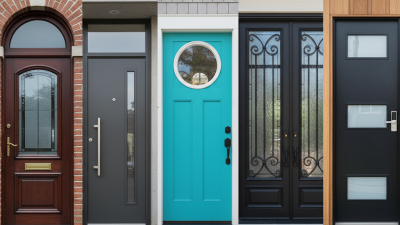
Trends in front doors will highlight bold colors, durable materials, and innovative security features. Homeowners now prioritize energy efficiency alongside style. They want doors that make a statement while providing peace of mind.
Yet, not all trends will suit every home. Each property has its own character and needs. Selecting the right door requires careful thought. Homeowners should reflect on their style and practicality. The choices are vast, but understanding current trends is crucial for making the best decision.
Exploring the Latest Materials for Front Doors in 2026
As we approach 2026, front doors are becoming more than just functional barriers. Homeowners are embracing new materials to enhance aesthetics and security. One notable trend is the rise of fiberglass. It offers durability and insulation, perfect for varying climates. This material can mimic the look of wood, meeting both style and practicality.
Another exciting development is the increased use of smart technology in door materials. With integrated security features, homeowners prioritize safety like never before. Imagine a door that unlocks with your phone or recognizes your face. The convenience is impressive, but concerns about privacy and data security emerge. People need to weigh these risks against their desire for modern conveniences.
Steel doors continue to thrive, combining sleek designs with high-strength features. They can withstand harsh weather and are resistant to wear. However, their energy efficiency is sometimes questioned. Homeowners might reflect on whether the investment aligns with their values.
Overall, these evolving materials open doors to new possibilities, but they also prompt introspection on what truly matters in home design.
Popular Color Trends for Front Doors in Home Design
The choice of color for front doors can significantly impact a home’s curb appeal. In 2026, homeowners are embracing vibrant colors to make bold statements. A recent report from the American Institute of Architects indicates that 72% of homebuyers prefer colorful entries, showcasing a trend towards increasing individuality in home design.
Popular hues this year include deep blues, rich greens, and vibrant yellows. These shades not only attract attention but also evoke emotional responses. According to Color Psychology studies, blue can inspire calmness while yellow often brings warmth and cheerfulness. A well-chosen door color can enhance the overall aesthetic of a home, creating a welcoming atmosphere.
However, not every bold choice resonates positively. Over time, some colors may fade or clash with landscaping. Homes in more traditional neighborhoods may feel out of place with extreme color choices. Homeowners should carefully consider how their door color fits into the street's aesthetic while reflecting their personal style. Keeping a balance is essential for lasting appeal.
2026 Top Front Doors For Homes Trends You Need to Know
| Trend |
Description |
Popular Colors |
Materials |
| Smart Doors |
Incorporating smart technology for security and accessibility. |
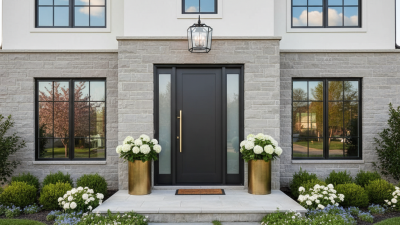
Black, Deep Blue |
Metal, Fiberglass |
| Bold Colors |
Choosing vibrant shades to make a statement and enhance curb appeal. |
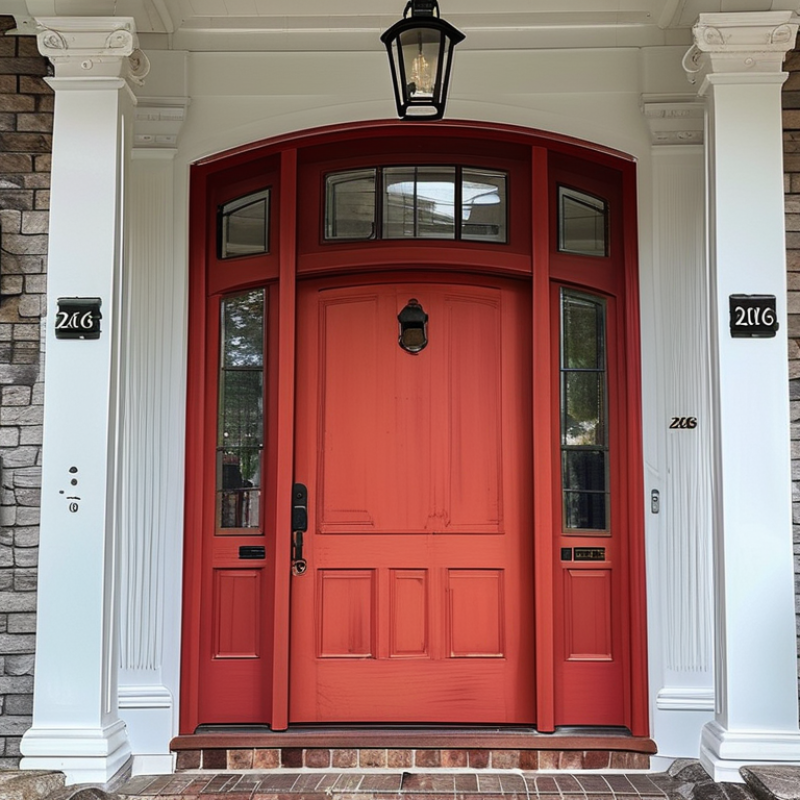
Bright Yellow, Crimson Red |
Wood, Steel |
| Natural Wood Finishes |
Emphasizing organic aesthetics with untreated or lightly stained doors. |
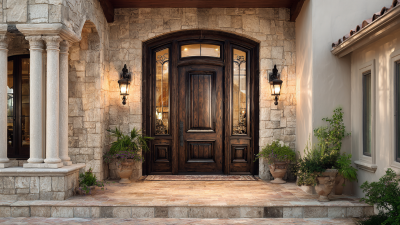
Natural Oak, Walnut |
Solid Wood |
| Minimalist Designs |
Focus on clean lines and simplicity for a contemporary look. |
White, Gray |
Aluminum, Glass |
| Eco-Friendly Materials |
Using sustainable materials for an environmentally conscious choice. |
Earth Tones, Soft Greens |
Recycled Metal, Composite Wood |
Innovative Security Features for Front Doors in Today's Market
In today's market, security features for front doors have become increasingly innovative. According to a recent industry report, 34% of homeowners prioritize security enhancements when selecting a front door. Features like smart locks and reinforced materials are gaining momentum. Smart locks allow users to control access remotely, which is critical for modern lifestyles. These locks often integrate with home automation systems, offering both convenience and security.
Another trend is the use of impact-resistant materials. A study indicated that homes with impact-resistant doors could reduce the risk of break-ins by up to 60%. This is particularly relevant in areas prone to severe weather or crime. Homeowners are now investing in doors that not only look appealing but also withstand elements and intrusions.
However, the growing reliance on technology brings challenges. While smart locks enhance convenience, they also introduce vulnerabilities. Cybersecurity risks associated with these devices are a valid concern for many homeowners. As technology evolves, balancing security features and user knowledge is essential. Educating consumers about these risks and the importance of regular updates is a key task for industry professionals.
The Impact of Sustainability on Front Door Choices
As sustainability gains momentum, front door choices are evolving significantly. Homeowners increasingly seek materials that reduce environmental impact. Recycled wood and metal options are now favorites. They not only add character to a home but also promote a greener lifestyle.
Energy efficiency is another key aspect. Many doors now come with high-performance glazing. This helps maintain indoor temperatures, reducing reliance on heating and cooling systems. However, some products may not deliver the energy savings they promise. Homeowners must conduct thorough research to ensure they make informed decisions.
Color and style will also reflect sustainable trends. Earthy tones and natural finishes are becoming popular, blending with eco-friendly landscapes. But navigating through trendy designs can be challenging. Homeowners often feel caught between personal taste and sustainability. Making a choice that balances both can lead to long-lasting satisfaction.
2026 Top Front Doors For Homes Trends: The Impact of Sustainability on Front Door Choices
Design Styles That Will Define Front Doors in 2026
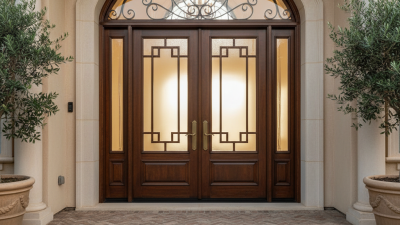
As we approach 2026, front door design is set to evolve significantly. According to a recent industry survey, over 65% of homeowners express a desire for more personalized entrances. This reflects a broader trend toward individuality in home design. Unique materials and combinations will dominate, with natural wood finishes becoming increasingly popular. Sustainable options, such as reclaimed wood, are also on the rise.
Color schemes will shift as well. Data indicates that bold, vibrant colors will replace traditional neutrals. Homeowners will seek to make statements with hues like deep blues and emerald greens. Additionally, mixed materials—metal frames paired with glass or wood—will gain traction. This blending caters to aesthetics while ensuring durability. However, achieving a cohesive design can be challenging. Balancing texture, color, and materiality requires careful consideration.
Security features are also evolving. Homeowners prioritize safety alongside style. Smart locks and reinforced frames are becoming standard. However, integrating these features discreetly can lead to design complications. It's clear that front doors in 2026 will serve as more than just entry points. They will reflect a homeowner's identity and lifestyle, blending form with function in innovative ways.