
10 Best Front Doors For Homes in 2026
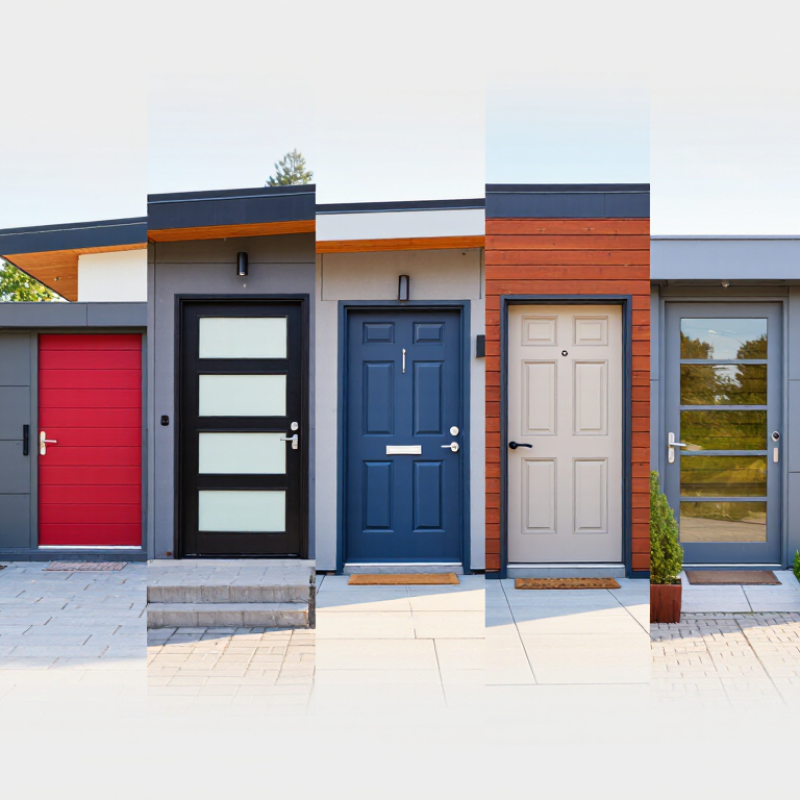
Choosing among the 10 Best Front Doors For Homes in 2026 requires more than admiring polished photographs. A front door faces rain, sunlight, daily use, and changing security expectations. It also shapes the moment visitors enter. A solid oak door may bring warmth, while fiberglass can resist moisture with less maintenance. Steel offers strength, but poor insulation can create a cold interior surface. Details matter.
Architect Frank Lloyd Wright wrote, “Good buildings come from good people and all problems are solved by good design.” His principle remains useful here. The best Front Doors For Homes should support the entire entryway, not stand alone as decoration. We will examine material quality, thermal performance, weather sealing, hardware, glass, accessibility, and installation standards. We will also consider regional conditions, because a coastal entrance faces different challenges from a dry mountain home.
Some choices are genuinely difficult.
A beautiful door can still warp. A secure model may feel visually heavy. A budget-friendly option may require earlier replacement. These trade-offs deserve honest attention. Product ratings can help, but manufacturer claims do not replace field experience or professional installation. In this guide, each selection is considered through practical details, including threshold height, hinge movement, surface finish, and the sound of the latch closing. No single door suits every household. That is the uncomfortable truth. Your climate, budget, architecture, and maintenance habits should shape the final decision.
What Makes a Front Door Ideal for Modern Homes in 2026
10 Best Front Doors For Homes in 2026
What Makes a Front Door Ideal for Modern Homes in 2026
A modern front door must do more than create a welcoming entrance. It should control drafts, resist weather, and support daily security. The U.S. Department of Energy reports that air sealing can reduce heating and cooling costs by 10% to 20%. That makes a tight frame and adjustable weatherstripping essential. Fiberglass, insulated steel, and engineered wood can improve thermal performance. However, installation quality often matters more than the material alone.
Energy efficiency is becoming a practical design requirement. The U.S. Energy Information Administration’s 2020 Residential Energy Consumption Survey found that space heating and air conditioning use about half of household energy consumption. A door with a thermally broken frame, insulated core, and low-emissivity glass can help reduce unwanted heat transfer. The 2024 National Association of Home Builders survey also shows strong buyer interest in energy-efficient home features. Bright glass is attractive, but it can create glare and privacy problems. Looks can mislead.
Security matters too. A modern entry should use a reinforced frame, long structural screws, and a properly fitted multi-point lock. The threshold should stay stable after repeated opening and closing. I would also check the door’s clear width, especially for strollers, furniture, and mobility devices. A beautiful door that drags across the floor is not ideal. It is an expensive lesson. Performance ratings, tested installation methods, and local climate conditions deserve more attention than decorative panels.
10 Best Front Doors For Homes in 2026 - What Makes a Front Door Ideal for Modern Homes in 2026
| Rank | Front Door Type | Typical Construction | Energy Efficiency | Security Potential | Weather Resistance | Maintenance Level | Expected Service Life | Best For | Key Modern-Homes Benefit | Overall Rating |
|---|---|---|---|---|---|---|---|---|---|---|
| 1 | Insulated Fiberglass Door | Fiberglass skin over a polyurethane or polystyrene core, usually set in a wood or composite frame | High; insulated cores reduce heat transfer | High with a reinforced frame, quality deadbolt, and multi-point lock | Very good against moisture, insects, and temperature changes | Low; periodic cleaning and hardware checks | About 20–30 years with proper installation | All climates | Combines the appearance of painted or stained wood with low upkeep | ★★★★★ 4.9/5 |
| 2 | Thermally Broken Steel Door | Galvanized steel skins with an insulated core and a thermal-break frame | High when the core and frame are properly insulated | Very high; strong steel construction resists forced entry | Very good, although exposed scratches should be repaired to prevent corrosion | Low to moderate; repainting may be needed over time | About 20–30 years | Security-focused homes | Offers a slim, contemporary profile with strong structural performance | ★★★★★ 4.8/5 |
| 3 | Engineered Wood Door | Layered wood construction with veneers, adhesives, and an insulated core | High; solid insulation can limit drafts and temperature transfer | High when paired with a reinforced frame and high-quality lockset | Good if fully sealed; vulnerable to prolonged moisture exposure | Moderate; finish inspection and refinishing are recommended | About 20–30 years | Traditional-modern designs | Provides authentic wood character with better dimensional stability than many solid-wood slabs | ★★★★★ 4.7/5 |
| 4 | Aluminum-Clad Wood Door | Wood interior with a durable aluminum exterior cladding | High when fitted with insulated glazing and a thermally improved frame | High with laminated glass and reinforced locking hardware | Low; the exterior cladding requires limited repainting | About 25–35 years | Contemporary façades | Balances a warm interior finish with enhanced exterior protection | ★★★★☆ 4.6/5 | |
| 5 | Solid Hardwood Door | Thick solid wood slab, commonly made from durable hardwood species | Moderate; performance depends strongly on thickness, weatherstripping, and glazing | High when properly reinforced and installed | Moderate; wood needs regular sealing or refinishing | About 20–40 years with consistent maintenance | Statement entrances | Adds natural texture, depth, and long-term repairability | ★★★★☆ 4.5/5 | |
| 6 | Fiberglass Door with Decorative Glass | Insulated fiberglass slab with double- or triple-pane decorative glazing | High when low-emissivity, insulated glass is used | High with laminated or impact-rated glass and secure hardware | Very good; fiberglass resists rot and swelling | Low; clean the glass and inspect seals periodically | About 20–30 years | Bright entryways | Introduces daylight without sacrificing much thermal performance | ★★★★☆ 4.5/5 |
| 7 | Thermally Improved Aluminum Door | Powder-coated aluminum frame and panels with internal thermal breaks | Moderate to high; thermal breaks are essential in hot or cold climates | High with reinforced profiles and multi-point locking | Very good; resists rust, warping, and insect damage | Low; occasional cleaning and hardware lubrication | About 25–40 years | Minimalist architecture | Supports narrow sightlines, large glass areas, and clean geometric forms | ★★★★☆ 4.4/5 |
| 8 | Composite Door | Combination of fiberglass, resin, wood, foam insulation, and reinforced structural layers | High; multi-layer construction limits air and heat movement | High with a reinforced core and multi-point lock system | Very good against moisture and daily temperature variation | Low; usually requires only cleaning and seal inspection | About 20–30 years | Busy households | Delivers a strong mix of insulation, durability, and design flexibility | ★★★★☆ 4.4/5 |
| 9 | Impact-Rated Entry Door | Reinforced door assembly with impact-resistant glazing and heavy-duty frame components | Moderate to high, depending on the insulation package and glass specification | Very high; designed for demanding wind and impact conditions | Excellent in regions exposed to severe storms when correctly certified and installed | Low to moderate; inspect seals, hinges, and hardware regularly | About 20–30 years | Coastal and storm-prone areas | Prioritizes tested resistance to wind pressure, debris impact, and air leakage | ★★★★☆ 4.3/5 |
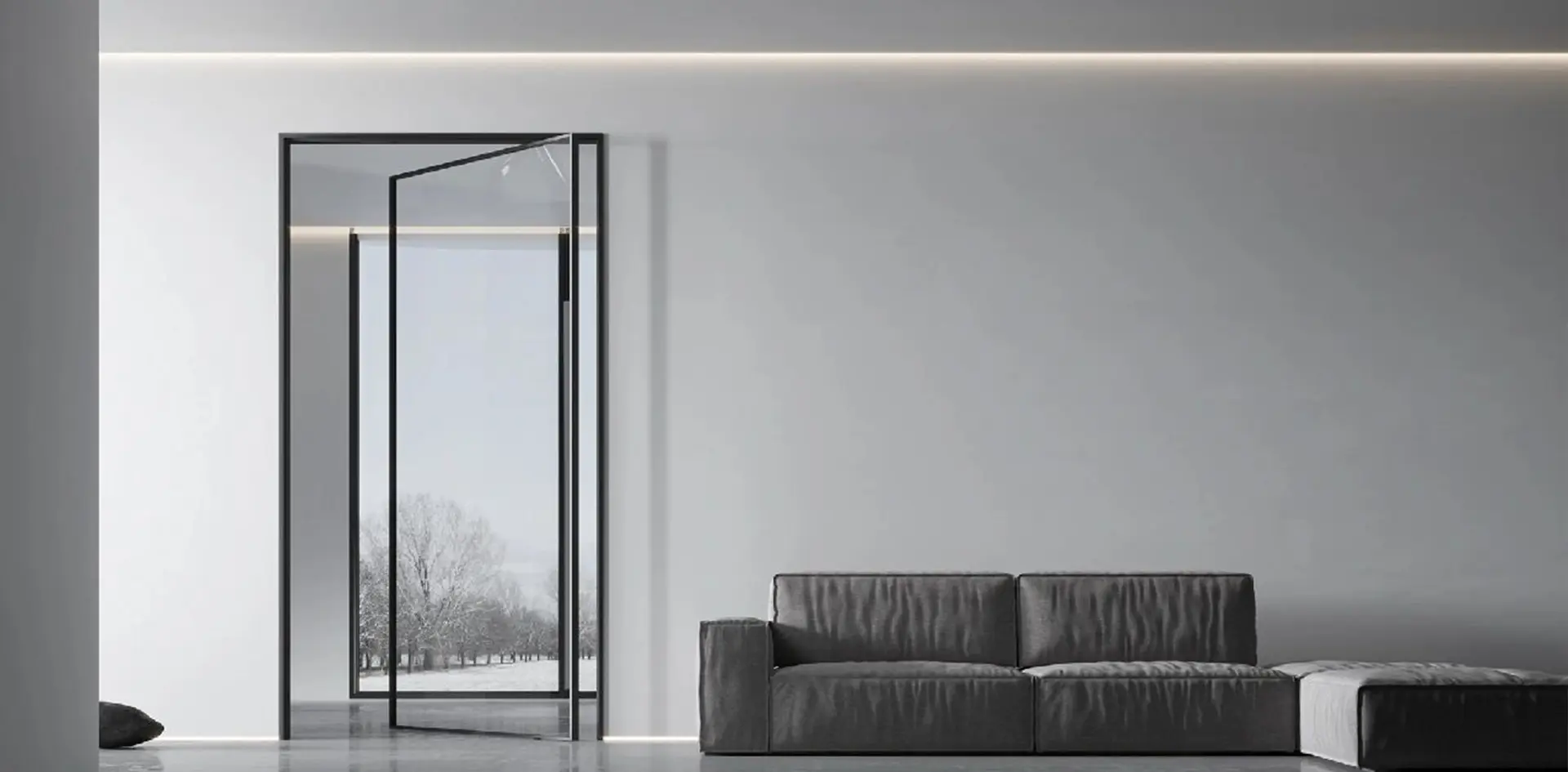
| 10 | Modern Glass Pivot Door | Large insulated glass panel mounted on a vertical pivot system with a metal or composite frame | Moderate to high when using low-emissivity insulated glass and weathersealed hardware | Moderate to high with laminated glass, concealed reinforcement, and a certified lock | Low to moderate; glass and pivot hardware need regular cleaning and adjustment | About 15–25 years, depending on hardware quality and exposure | Design-led modern homes | Creates a dramatic entrance and supports expansive daylight-filled interiors | ★★★★☆ 4.2/5 |
Performance and service-life figures are typical ranges, not guarantees. Actual results depend on climate, exposure, door size, glazing, frame design, installation quality, maintenance, and compliance with local building requirements.
Related Posts
-
Global Leading Manufacturer: Unveiling the Ultimate Best Front Doors for Homes
-

The Ultimate Guide to Choosing the Best House Front Doors for Maximum Curb Appeal
-

7 Game Changing Tips for Choosing the Perfect House Front Doors
-
7 Best Front Doors For Homes to Enhance Your Curb Appeal
-
Transform Your Home's Curb Appeal: Top Trends in Modern Entry Doors for 2024
-
How to Choose the Perfect House Front Doors for Your Home Style