China Top 10 Modern Entry Door Manufacturers?
Choosing among China’s leading modern entry door manufacturers takes more than comparing showroom photos. Buyers must assess construction, finish quality, customization, testing information, and export support. A clean, flush door can look striking, yet its performance depends on details hidden behind the surface.
Modernist architect Le Corbusier wrote, “Architecture is the masterly, correct and magnificent play of masses brought together in light.” His words are not specifically about entry doors, but they offer a useful design lens: proportion, materials, and light should work together. In practice, that may mean checking how a slim frame meets a stone façade, or how glazing balances privacy with daylight.
This guide introduces ten Chinese manufacturers serving the modern entry door market. It considers product range, visible craftsmanship, customization options, and the clarity of available company information. Details matter. A polished image is not proof of long-term performance, and published specifications still need careful review. Some manufacturers may suit large architectural projects; others may be better for standard residential orders. The comparison is a starting point, not a substitute for samples, technical documents, and direct supplier checks. That limitation deserves attention. Use the list to shape better questions about materials, hardware, lead times, and after-sales support before making a purchasing decision.
Defining Modern Entry Doors and Their Role in China’s Building Industry
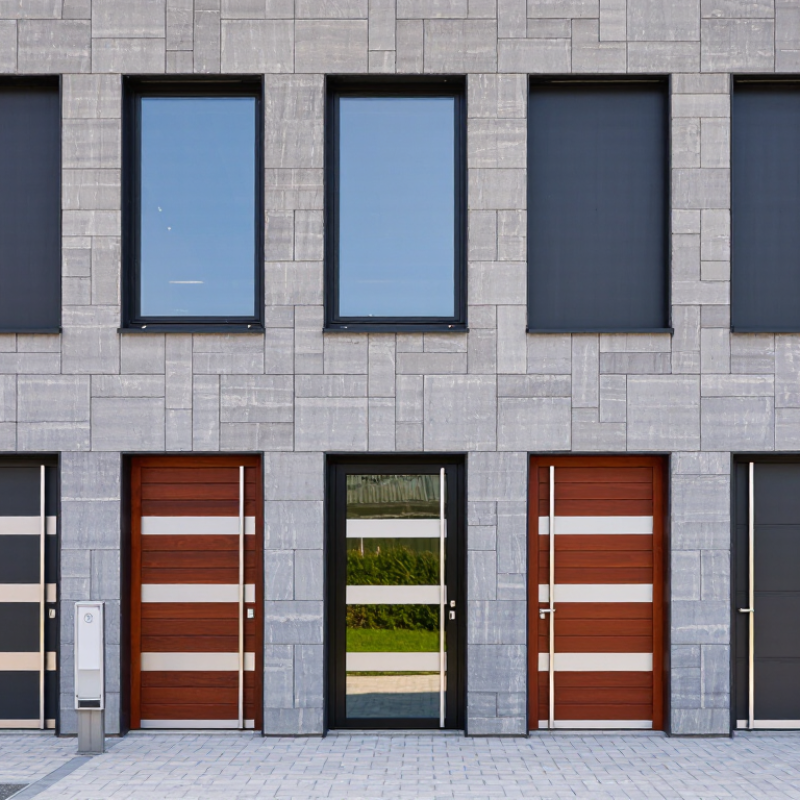
A modern entry door is more than a styled slab. It is a coordinated assembly of leaf, frame, locks, hinges, seals, and sometimes glazing. Its job is to manage daily access while limiting drafts, noise, and unwanted entry. Details matter. A tight perimeter seal can reduce air leakage, while a poorly aligned frame may weaken operation over time. In northern cities, insulation matters during long heating seasons; in humid coastal areas, moisture resistance deserves close attention. “Modern” is not a single performance grade. It describes evolving design and construction choices, not guaranteed quality.
China’s National Bureau of Statistics reported that 998.2 million square metres of building floor area were completed in 2023, including 724.3 million square metres of residential space. The same year, the urbanization rate reached 66.16 percent, according to its Statistical Communiqué. These figures show the scale of China’s building environment, where entry doors serve new homes, renovations, and shared residential corridors. China’s GB 17565-2022 sets technical requirements for security doors, offering manufacturers and buyers a relevant reference. Still, a standard alone cannot resolve every project need. Climate, opening dimensions, installation quality, and maintenance all shape real-world performance. A quiet door is not necessarily a durable one.
Materials, Designs, and Technologies Used in Modern Entry Doors
Modern entry doors balance appearance with insulation, security, and years of daily use. Steel doors often have insulated cores and durable skins, while engineered timber offers a warm, natural grain. Fiberglass can imitate wood with less routine upkeep. The material matters, but so do frame construction and installation quality. For coastal homes, ask how metal components resist corrosion. No material is perfect.
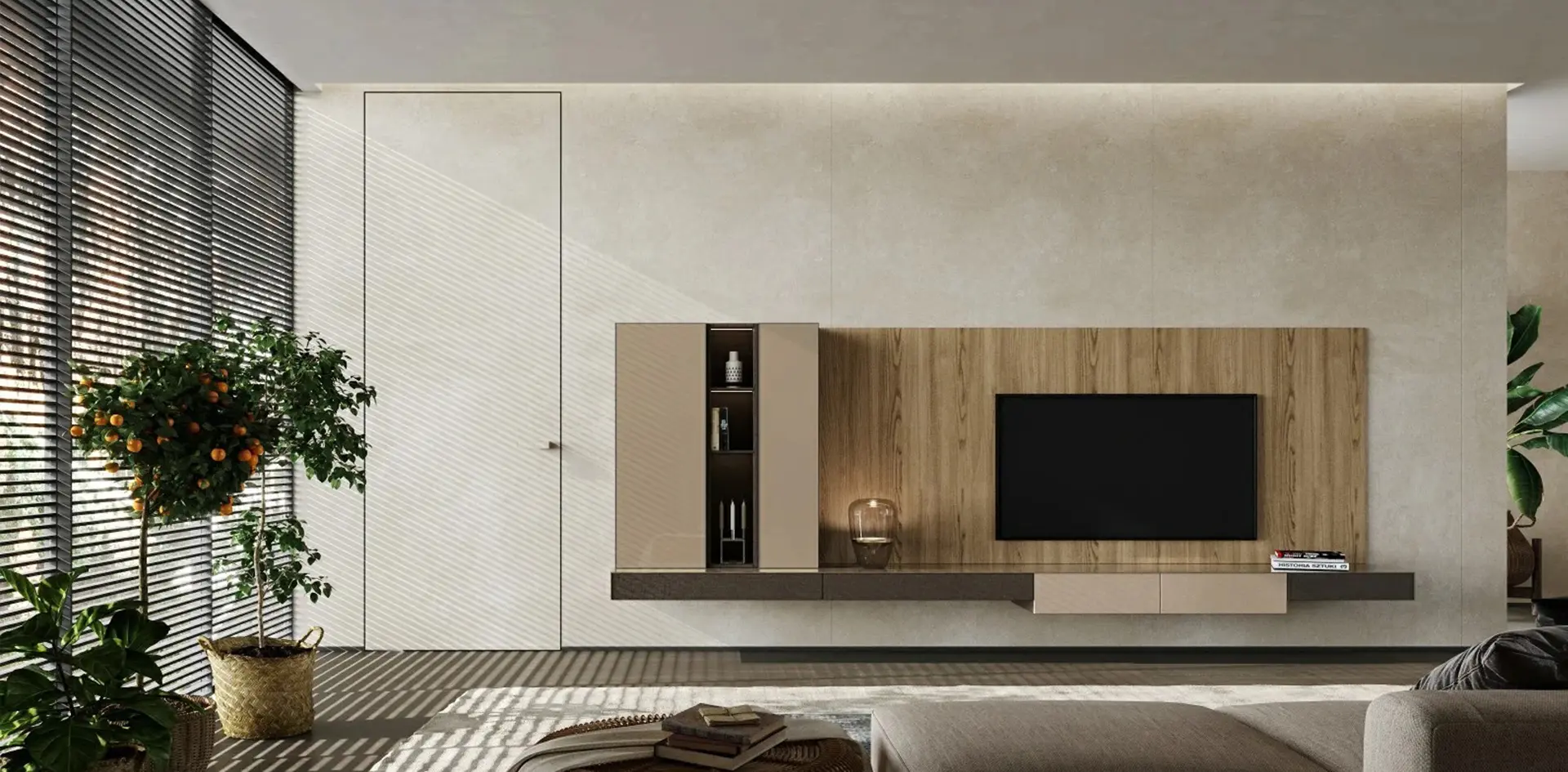
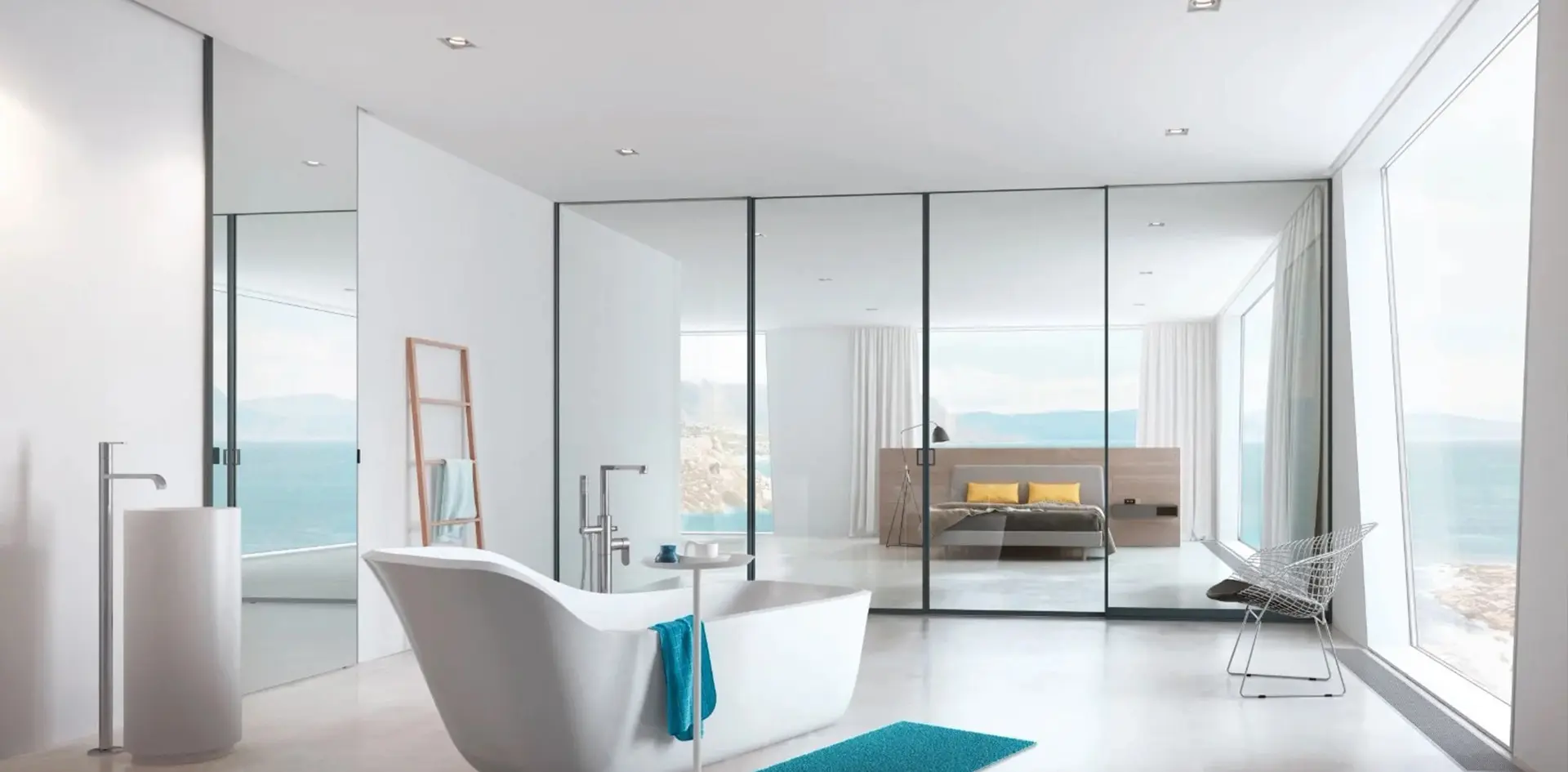
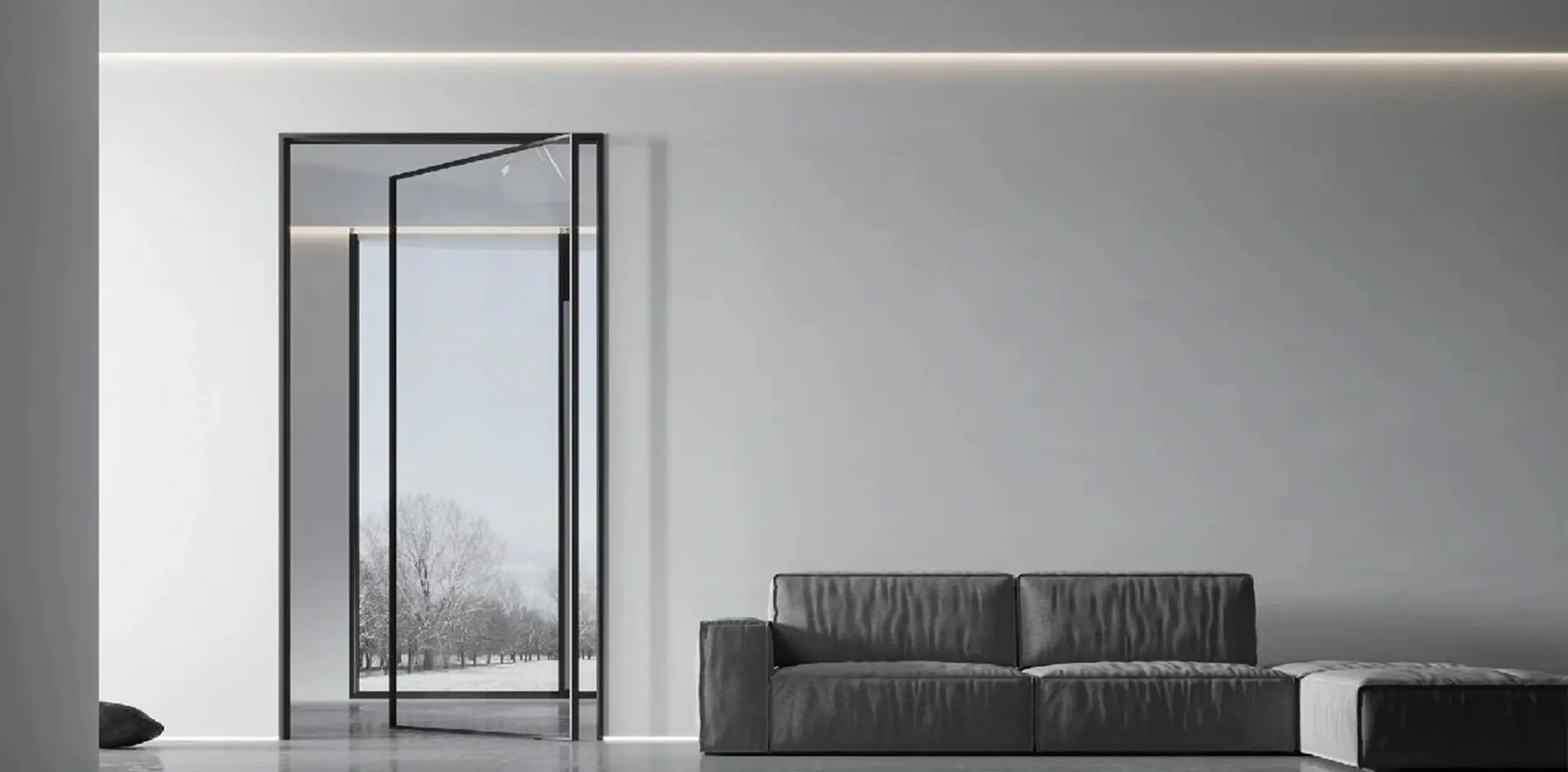
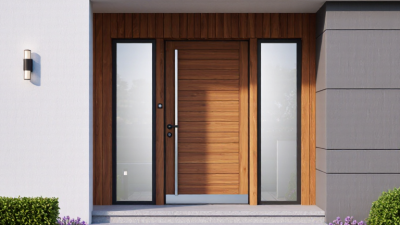
Design choices affect light, privacy, and performance. Narrow glass panels can brighten an entry without exposing the whole interior, while low-emissivity glazing helps limit heat transfer. Flush panels suit contemporary façades; textured finishes add depth and can disguise small marks. A dark finish may look striking, yet it can show dust or fade unevenly in strong sun. Samples viewed outdoors are more useful than catalog images.
Modern technologies include multipoint locking, reinforced strike areas, insulated cores, and continuous weather seals. Some doors support electronic access, but dependable mechanical operation remains important during power or connectivity problems. Check published thermal and air-leakage ratings, and compare them with local climate needs. A high-performance door can still feel drafty if the sill is poorly fitted. Details matter. Ask installers how they handle drainage, threshold alignment, and sealing around the frame; these small choices are easy to overlook.
How to Assess China’s Modern Entry Door Manufacturers
When assessing China’s modern entry door manufacturers, begin with the opening’s real conditions, not showroom photos. A north-facing entrance may need stronger insulation, while a busy street calls for tested acoustic performance. Ask for section drawings that show the frame, thermal break, seals, and threshold. Compare insulation, air-leakage, and water-resistance data using matching test methods. Documents should identify the tested model, not just a similar product family. Small details matter. Check hinge ratings, lock options, finish thickness, and whether replacement parts remain available.
Request a sample corner or full-size mock-up, then inspect joints, coating, and hardware movement yourself. Ask how the factory checks dimensions and finish consistency during production, and what happens when a batch fails inspection. A factory visit can help, but it cannot prove every future order will match. Confirm lead times, packaging methods, and the process for reporting transit damage in writing. Price comparisons can be misleading when glass, hardware, or installation details differ. I would not treat a polished brochure as strong evidence; even a clear checklist leaves room for judgment. No checklist is perfect.
Profiles of Ten Notable Modern Entry Door Manufacturers in China
China Top 10 Modern Entry Door Manufacturers?
This market-focused overview profiles ten notable manufacturer types without naming brands. Pearl River Delta makers often specialize in slim aluminum frames and glass inserts. Zhejiang producers combine steel skins with wood-look finishes. Shandong factories emphasize reinforced steel construction. Sichuan workshops showcase solid-wood designs and visible grain. Jiangsu makers focus on flush, minimalist panels. Fujian suppliers address humid, coastal conditions with corrosion-resistant finishes. Guangdong manufacturers integrate electronic access options. Hebei producers serve high-volume residential projects. Shanghai-area firms develop custom sizes for urban renovations. Chongqing factories may offer tested, fire-rated door assemblies.
These are capability profiles, not a verified ranking; product lines and quality vary by factory. The International Energy Agency’s 2023 buildings analysis estimates that building operations account for about 30% of global final energy use. That makes insulation, airtight seals, and careful installation relevant selection criteria. Ask for test reports covering the complete door assembly, not just the core material. Inspect corner joints, hinge alignment, and the threshold seal in person when possible. Small details matter.
Tips: Request a written specification for frame depth, finish, hardware, and warranty. Compare samples under natural light. A polished catalogue is useful, but it cannot replace factory checks or independent test evidence.
Manufacturing Standards, Export Markets, and Buyer Considerations
When comparing China’s top 10 modern entry door manufacturers, assess documented production controls, not showroom appearance alone.
ISO 9001 certification can indicate a quality-management system, but it does not prove that every door meets your project requirements. Ask for recent test reports tied to the exact model, glazing, hardware, and dimensions. Depending on the destination market, relevant checks may include air leakage, water penetration, structural performance, and thermal transmittance. Standards differ by market. Verify the applicable requirements before placing an order.
Export readiness also means consistent packing, clear drawings, and reliable inspection records. UNEP’s 2024 Global Status Report for Buildings and Construction estimates that buildings and construction account for 32% of global energy demand and 34% of energy-related carbon dioxide emissions. That makes thermal performance worth checking, especially where entrance doors separate heated or cooled interiors from outdoor conditions. For coastal projects, ask how metal components resist corrosion. A polished sample can still conceal weak seals or uneven finishing. Reality is messier.
Tips: Request a pre-shipment inspection with photos of corner joints, thresholds, locks, and labels. Compare the test specimen with the quoted product; small changes can affect performance. Confirm packaging dimensions, replacement-part availability, lead times, and warranty exclusions in writing. If a supplier cannot explain a test result plainly, pause and ask again. I would not rely on one certificate alone.