


10 Tips for Choosing House Front Doors

Choosing a front door is more than picking a color that suits the house. House Front Doors influence curb appeal, daily comfort, privacy, and how easily family members enter with bags or keys. They also face rain, sun, wind, and years of repeated use. Small details matter: a threshold that catches water, a handle that feels awkward, or glass that overlooks a busy walkway can become daily annoyances.

Looks matter. But they are only part of the decision. Material, insulation, hardware, glazing, maintenance, and installation all deserve attention. A well-made door may still perform poorly if it is measured incorrectly or fitted without addressing gaps around the frame. Security features also work as a system; the door, lock, frame, and installation all contribute. Local climate and the existing entryway can change which options make sense, so product specifications and advice from a qualified installer are worth checking.

There is no single door that suits every home. A striking glass design may bring welcome light, yet offer less privacy than expected. A heavy door can feel reassuring, but it should open smoothly for everyone who uses it. It is easy to focus on finishes and overlook these practical trade-offs. This guide explores ten useful considerations, from materials and style to energy performance, safety, and upkeep. The goal is not to promise a perfect choice, but to help you ask better questions before buying. A little careful planning now can prevent years of small frustrations.
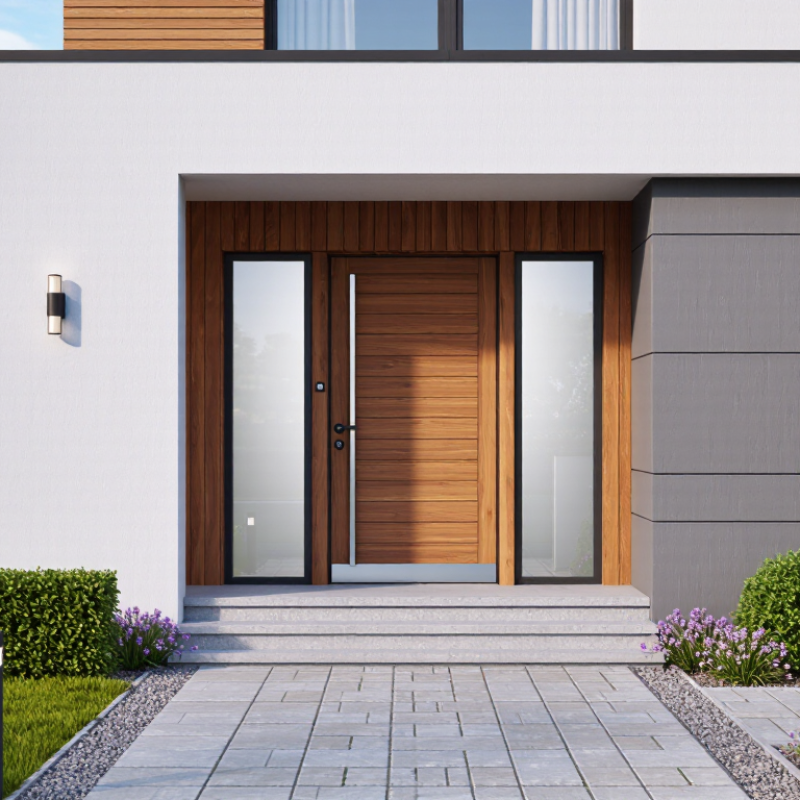
10 Tips for Choosing House Front Doors

Assess Your Entryway’s Size, Layout, and Daily Use

Before choosing a front door, measure the opening’s width and height at several points; older frames may not be perfectly square. Measure twice. Note the available wall space, nearby trim, and whether the door can swing fully without hitting a step, railing, or furniture. A beautiful wide door is less useful if its handle catches the wall. Check the landing, too: someone carrying groceries needs room to open the door and step inside safely.

Think about the route through the entryway and how your household uses it each day. Do muddy shoes pile near the threshold? Does a stroller, walker, or large delivery need to pass through? A narrow hallway may work better with a door that does not block the main path when opened. If you have an outer screen door, confirm that both doors can move without colliding. Small details matter. Also consider the porch’s exposure to rain and wind, since these can affect the door’s finish and the comfort of the entry. It is easy to focus on appearance and overlook clearance; I might do that, too. Sketching the swing direction and marking the opening with painter’s tape can reveal awkward pinch points before you commit.

Compare Door Materials, Construction, and Durability

A front door’s skin matters, but its core, frame, and weather seals determine how well it holds up. Steel offers a strong, often economical shell, though dents and chipped finishes can expose it to rust. Fiberglass resists moisture and can mimic wood grain, but poor installation may still let water reach the frame. Solid wood brings warmth and repairability. It also needs regular finish checks, especially on sunlit or rain-exposed faces. Look closely at corner joints, hinge screws, threshold, and the seal around the latch.

Check the complete door assembly, not just the slab. The U.S. Department of Energy’s guidance on exterior doors emphasizes fit, weatherstripping, and energy performance; gaps can undermine an otherwise efficient door. Ask for documented air-leakage and thermal-performance ratings, and confirm the frame and sill suit your climate. A tight seal should compress evenly, without forcing the lock. Small detail. That’s where many installations disappoint.

The 2024 Cost vs. Value report by Remodeling found a national average 188.1% cost recoup for a steel entry-door replacement. That figure measures resale value, not service life or weather resistance, so don’t treat it as a durability score. Compare warranties, finish requirements, and repair options alongside price. I’d also inspect the bottom edge after heavy rain; it is easy to overlook, and a little imperfect, but useful. Choose a material and construction you can maintain, not merely one that looks sturdy in a showroom.

10 Tips for Choosing House Front Doors - Compare Door Materials, Construction, and Durability

Compare common exterior-door options and practical features. Durability and energy performance depend on product construction, climate, exposure, installation, and maintenance.
Tip Material or Feature Construction to Look For Durability Maintenance Comparison and Selection Guidance
1. Compare fiberglass doors Fiberglass skins over an insulated or engineered core Check for a rigid frame, sealed edges, and a finish intended for exterior exposure. Generally resists moisture, rust, and rot; severe impacts can damage the skin. Usually low; clean periodically and inspect the finish and seals. A versatile option for homeowners seeking a wood-like appearance with less routine upkeep than many wood doors.
2. Check steel-door construction Steel skins, commonly formed around a foam-insulated core Compare skin thickness, core type, edge construction, and the quality of the protective coating. Strong for everyday use, but dents may be difficult to repair and damaged coatings can allow corrosion. Inspect paint and exposed edges; promptly repair scratches or chips. Often a practical choice for value and security. The complete door, frame, locks, and installation all affect security.
3. Consider solid wood carefully Solid timber, with species and construction varying by door Look for well-joined components and a suitable exterior-grade finish on all exposed surfaces. Can last for many years when protected, but moisture and repeated temperature changes can cause swelling, shrinking, or finish wear. Requires periodic inspection and refinishing as needed, especially on sun- or rain-exposed faces. Offers natural grain and a substantial feel. It may need more upkeep than insulated steel or fiberglass options.
4. Evaluate engineered-wood doors Wood-based components, which may include veneers, laminated layers, or engineered cores Confirm that the door is rated for exterior use and that its veneer, edges, and joints are protected from water. Performance varies by design; water entering unprotected edges can damage wood-based materials. Maintain the exterior coating and check edges, bottom rail, and joints for wear. Can provide a wood appearance at different price points. Do not assume every engineered-wood door is suitable for exterior exposure.
5. Weigh aluminum doors against climate needs Aluminum frame or panels, often combined with glass or insulated panels For insulated models, check for a thermal break that separates interior and exterior metal surfaces. Aluminum resists rust, though finishes can be scratched and some designs can dent. Clean the finish and inspect hardware, seals, and any damaged coating. Lightweight and corrosion-resistant, but unbroken metal can conduct heat readily. Compare the complete unit’s energy information.
6. Inspect doors with glass Glazed panels or decorative lites in a door Look for insulated glazing where appropriate, durable perimeter seals, and safety glazing where building codes require it. Glass can break; sealed insulating units may lose their seal over time. Clean glass and check glazing seals for cracks, gaps, or condensation between panes. Glass brings daylight and visibility. More or larger glazed areas can affect privacy, heat gain, and heat loss, so compare glazing specifications.
7. Compare the core, not just the surface Insulated versus non-insulated door construction Ask about the core material and look for the door’s stated energy-performance rating, such as U-factor. Core and edge construction influence rigidity and thermal performance; the face material alone does not tell the whole story. Check that seals remain intact and that the door closes evenly against the frame. A lower U-factor indicates less heat transfer under the tested conditions. Compare ratings for complete, similarly sized door units.
8. Prioritize weatherstripping and thresholds Perimeter seals, door bottom, and sill or threshold Look for continuous weatherstripping and an adjustable or well-fitted threshold that limits air and water entry. Seals wear with use and exposure, regardless of the door’s primary material. Check for gaps, compression damage, drafts, and water staining; replace worn seals when needed. A well-sealed door can perform better than a higher-specification door with poor fit. The threshold should suit the entry and local exposure.
9. Match the finish to the exposure Paint, stain, factory finish, or other protective coating Choose a finish approved for the door material and expected sunlight, rain, and temperature exposure. Finish life varies with exposure and care; direct sun and standing water can accelerate wear. Follow the manufacturer’s cleaning and refinishing instructions and inspect the most exposed areas regularly. For exposed entries, prioritize a finish and material suitable for local conditions rather than choosing by appearance alone.
10. Assess the frame, hardware, and installation Door frame, hinges, lock hardware, and installation method Check that the frame is sound, the door is properly aligned, and locks and hinges are suitable for the door and opening. Even a durable slab can underperform if the frame, fasteners, seals, or installation are inadequate. Periodically tighten or service hardware as needed and inspect the frame and surrounding sealant for movement or gaps. Compare the installed door system, not only the door slab. Correct sizing, anchoring, and sealing help support reliable operation and weather resistance.

Note: Ratings and material characteristics are general guidance, not a guarantee for every product. Review applicable building codes, installation instructions, and product-specific performance documentation before purchasing.

Choose a Style, Color, and Finish That Suit Your Home

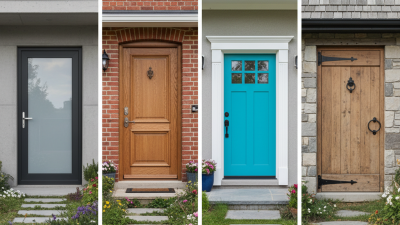
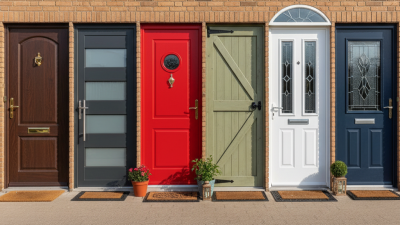
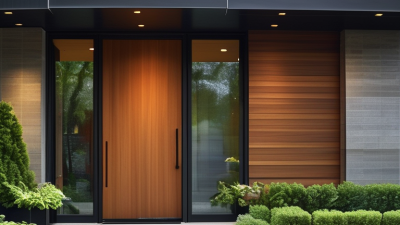
A front door sets the tone before anyone steps inside. Choose a style that belongs with your home’s architecture, not just one that looks striking in a showroom. A simple painted door can suit a cottage, while a panelled design may feel more at home on a traditional facade. Look at nearby details, too: window frames, brickwork, porch posts, and rooflines. I once favored a dramatic design, but against a modest entry it felt oddly loud.

Tip: View color samples outdoors, in morning and late-afternoon light. A warm white can look yellow beside cool gray siding, while deep green may soften a brick exterior. If possible, test a small sample near the doorway before committing. Small step. Check how it looks from the street as well as from inside.

Finish matters as much as color. Gloss can make a door easier to wipe clean, but it may highlight dents or uneven surfaces. A low-sheen finish often hides minor flaws and can give the entrance a quieter feel. Match the finish to the door material and local exposure; strong sun, rain, and frequent handling affect how well coatings hold up. Follow the finish maker’s preparation and maintenance instructions. There is no perfect shade, and I would reconsider my first choice after seeing it beside the actual trim.

Check Security, Insulation, Weather Resistance, and Accessibility

A secure front door depends on more than a heavy slab. Check that the frame is sound and the hinges sit firmly in it. A deadbolt with a reinforced strike plate can improve resistance to forced entry when installed correctly. Check the frame, too. Glass near the lock may need careful consideration, especially if it can be reached from outside. No single feature guarantees security.

Insulation and weather resistance are closely linked. Look for continuous weatherstripping around the sides and top, plus a snug threshold seal. Small gaps matter. On a windy day, feel around the closed door for moving air; inspect the bottom edge after rain for signs of water. A well-insulated door can reduce drafts, but poor installation may undermine its performance. That detail is easy to overlook.

Accessibility deserves a practical test. Make sure the entry offers enough clear space for the people and items that use it, including a stroller or mobility aid. A high threshold can become a daily obstacle, even if it looks minor. Check that the handle is easy to operate and that the door opens without excessive effort. Measure before choosing; assumptions about fit are often wrong. If mobility needs may change, consider whether the entry will remain comfortable to use later.

Plan Your Budget, Installation, and Long-Term Maintenance

Tip 1: Set a complete budget before comparing house front doors. Include the door, frame, hardware, delivery, and installation. Tip 2: Keep a small reserve for hidden damage, such as soft timber beneath old trim. Tip 3: Compare materials by climate and upkeep, not appearance alone. A painted wood door may need more frequent attention in wet, sunny conditions.

Tip 4: Check the rough opening and wall thickness before ordering. A few millimeters can affect fit and sealing. Tip 5: Ask the installer to inspect the sill and surrounding structure. Tip 6: Confirm who handles weatherstripping, flashing, and disposal of the old door. Tip 7: Schedule installation when the entry can stay protected from rain. Good planning matters.

Tip 8: After installation, test the latch and look for daylight around the edges. Tip 9: Check hinges, seals, and finish seasonally; wipe away grit before it wears surfaces. Tip 10: Follow the door maker’s care instructions, and use compatible cleaners. Small adjustments can prevent drafts. I once assumed a tight latch meant a perfect seal; a windy evening showed otherwise. Recheck after the first few weeks.

10 Tips for Choosing a House Front Door: Plan Your Budget, Installation, and Long-Term Maintenance

This sample budget allocates the largest share to the door itself, while reserving funds for installation, hardware, finishing, and unexpected costs. Actual costs vary by door size, material, location, and project requirements.