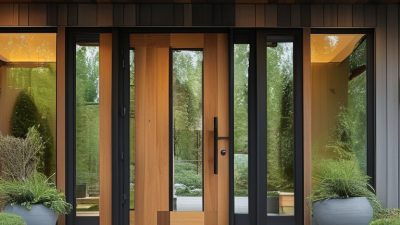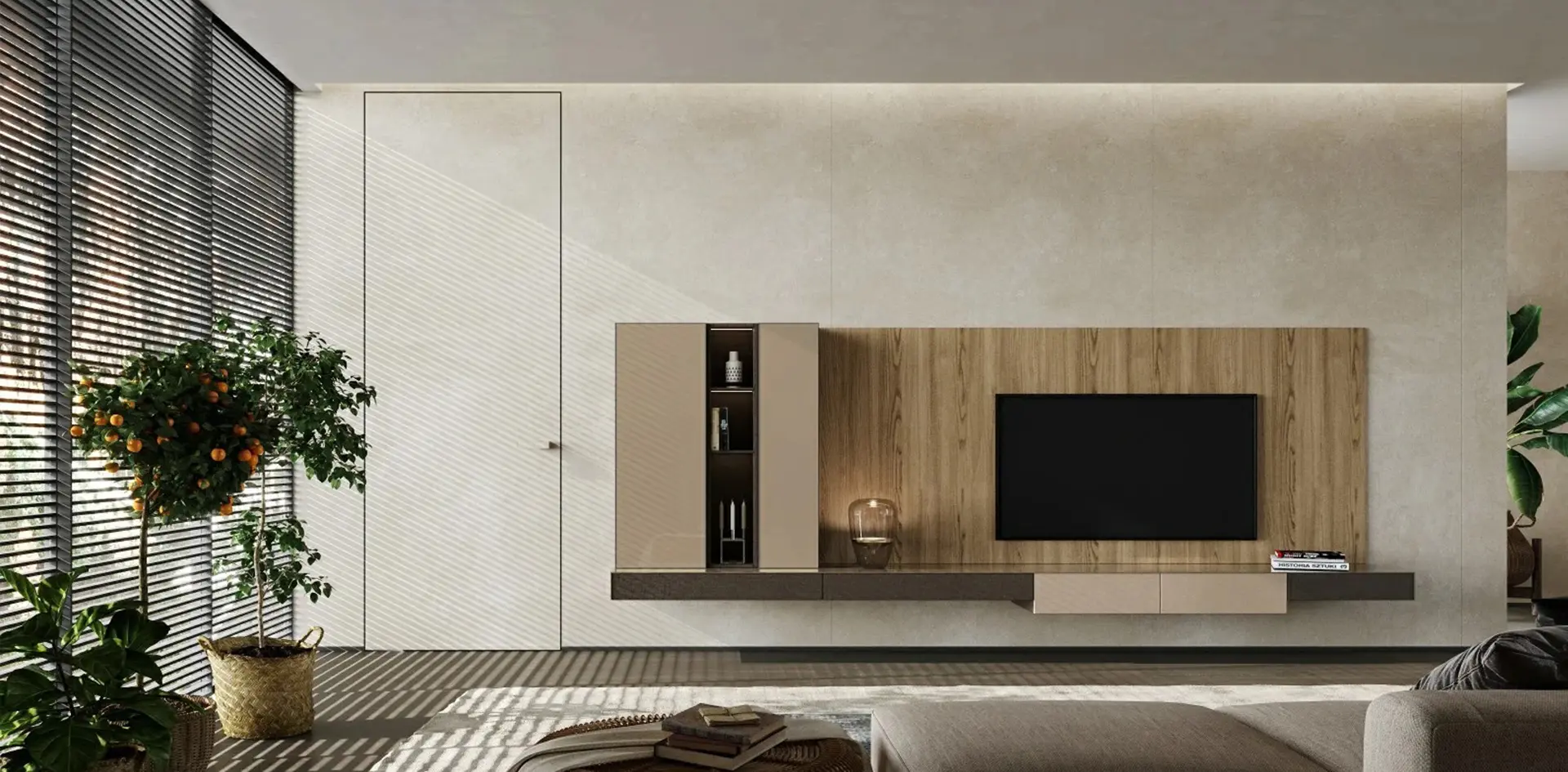
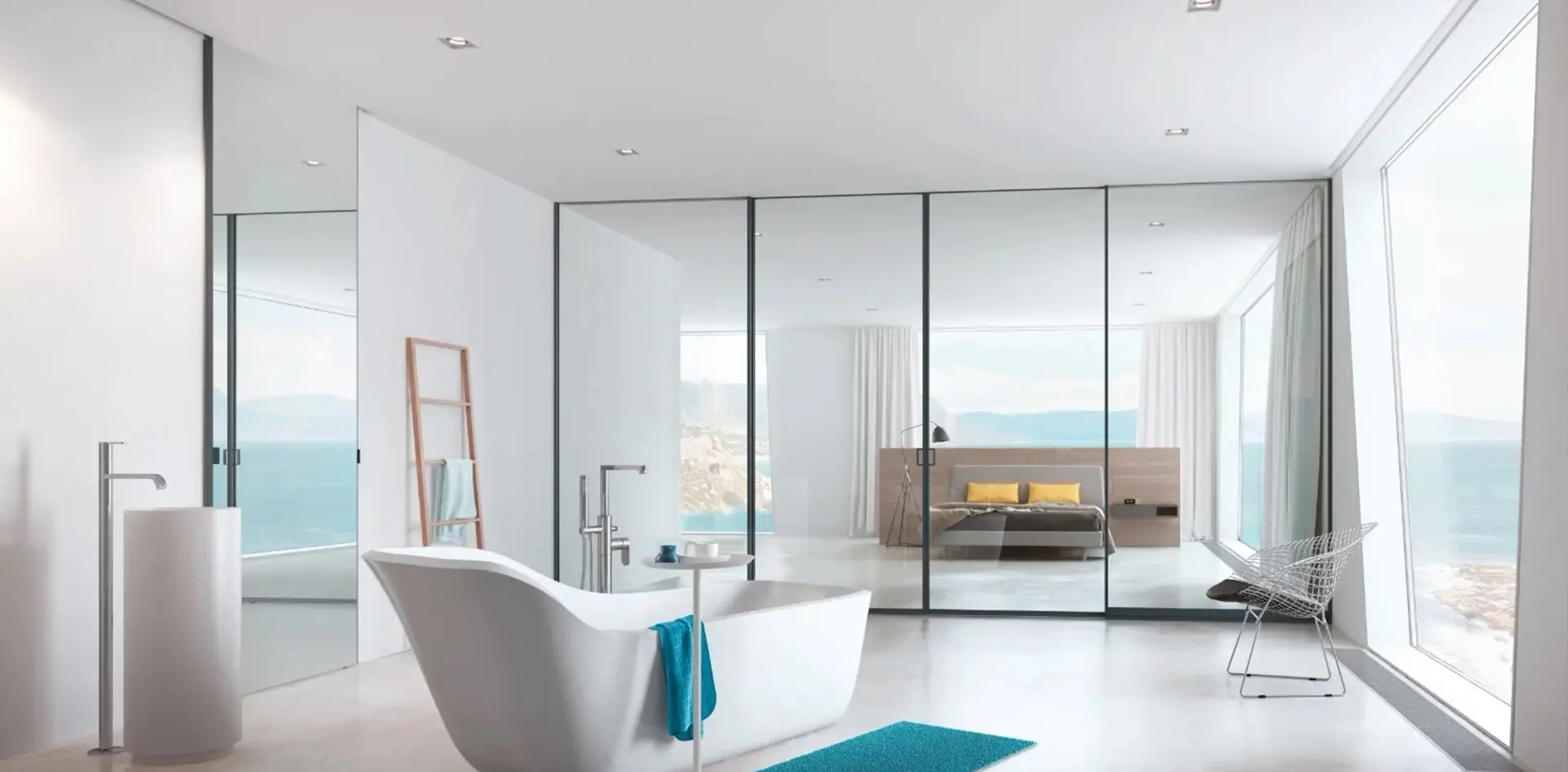

China Top 10 Modern Entry Door Manufacturers

Choosing among China’s Top 10 Modern Entry Door Manufacturers requires more than attractive catalog images. A modern door must perform at the threshold, where rain, dust, heat, noise, and daily traffic meet. Buyers should examine frame materials, thermal breaks, glass specifications, hardware quality, security testing, and finish durability. A factory may show a beautiful pivot door, yet provide limited evidence about insulation values or coating performance. That gap matters.

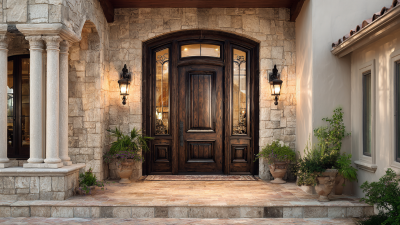
Architect Sarah Susanka, known for her human-centered residential design, has described the front door as “the handshake of the house.” The idea remains practical. A well-designed entrance should feel welcoming, balanced, and solid when opened. It should also close smoothly, seal tightly, and withstand repeated use. Several Chinese manufacturers now offer thermally broken aluminum systems, concealed hinges, multipoint locks, oversized glazing, and customized powder-coated finishes. These details help distinguish genuine engineering from surface styling.

This guide compares ten manufacturers through a buyer’s lens. It considers manufacturing experience, export capability, customization, quality control, certifications, project references, and after-sales communication. Factory scale alone proves little. A smaller supplier may deliver better consistency on a carefully managed project. A larger one may provide stronger testing resources and broader production capacity. No ranking is perfect. Specifications can change, and online information may remain incomplete. Readers should request current test reports, physical samples, installation drawings, and a written warranty before committing. The best choice is not always the most dramatic door. It is the one that performs reliably in the building’s real climate, traffic pattern, and architectural setting.
China Top 10 Modern Entry Door Manufacturers

How China’s Modern Entry Door Manufacturing Industry Has Evolved

China Top 10 Modern Entry Door Manufacturers

China’s modern entry door industry has changed from basic metal fabrication to precision-engineered architectural production. Earlier factories focused on steel sheets, standard hinges, and simple paint finishes. Today, many manufacturers use CNC cutting, insulated cores, thermal breaks, and low-emission coatings.

Factory visits often reveal stronger quality systems. Workers now inspect frame alignment, seal compression, surface color, and hardware performance. Testing may include air leakage, water resistance, wind pressure, and repeated opening cycles. Digital design also allows custom sizes, concealed hinges, smart locks, and textured finishes. However, progress remains uneven. Some product catalogs promise advanced performance without showing clear test evidence. Buyers should remain careful.

Tips: Request recent test reports, sectional drawings, and installation instructions. Check whether the factory controls welding, powder coating, and final assembly internally. Confirm tolerances before production. A beautiful sample can still fail if the frame twists during shipping or installation.

The strongest manufacturers increasingly treat doors as complete systems, not isolated panels. They coordinate glass, seals, thresholds, locks, and drainage details. Energy efficiency has become more important, especially for cold winters and hot summers. Recycled materials and optimized packaging are also receiving attention. Yet cheaper solutions still influence the market, sometimes weakening long-term durability. Careful comparison remains essential.

China’s Modern Entry Door Industry: Urbanization-Driven Market Context

China’s rising urbanization rate has expanded demand for apartment upgrades, security doors, insulated entry systems, and digitally enabled access solutions.

The chart uses China’s official urbanization rate and permanent urban population data for 2014–2024. These indicators provide a factual market-development context for the evolution of modern entry-door manufacturing, without displaying individual company or brand performance.

Key Criteria for Evaluating China’s Top Modern Entry Door Manufacturers

China Top 10 Modern Entry Door Manufacturers

Key Criteria for Evaluating China’s Top Modern Entry Door Manufacturers

Choosing a modern entry door manufacturer requires more than comparing catalog prices. In practical projects, material control often separates a dependable supplier from a polished showroom. Examine the door core, frame structure, surface coating, hinges, locks, and weather seals. Ask for technical data, not broad promises. A strong manufacturer should explain thermal performance, water resistance, wind pressure, and acoustic results clearly.

Factory experience matters. Review production equipment, quality checkpoints, and records from similar residential or commercial projects. Independent certifications can support credibility, but certificates should match the actual factory and product range. Request samples with identical finishes and hardware. Small differences in color or panel alignment become obvious under direct sunlight. They should not be ignored. Custom sizing, packaging protection, installation guidance, and replacement-part availability also deserve careful review.

Communication is another practical test. Reliable teams confirm drawings, tolerances, delivery schedules, and responsibility for defects in writing. Their answers should remain consistent across sales, engineering, and quality staff. A low quotation may hide weaker coatings, thinner metal, or limited after-sales support. I have seen evaluation mistakes happen when buyers focus only on appearance. No supplier is flawless. Even an experienced manufacturer may need closer supervision during a complex custom order. A balanced assessment combines factory evidence, product testing, transparent communication, and realistic project references.

China Top 10 Modern Entry Door Manufacturers - Key Criteria for Evaluating China’s Top Modern Entry Door Manufacturers

No. Evaluation Dimension Recommended Benchmark Relevant Standard or Test What to Verify During Supplier Evaluation
1 Product Design Capability Contemporary flush, pivot, glazed, ribbed, and minimalist panel options with documented technical drawings. Project specifications and approved shop drawings Check whether the manufacturer can adapt panel proportions, sidelights, transoms, hardware positions, and opening direction without compromising performance.
2 Thermal Insulation A documented whole-door U-value target of approximately 1.4 W/m²K or lower for energy-efficient applications. EN ISO 10077-1, EN ISO 12567-1, or local project requirements Request the tested value for the complete door assembly, including frame, glazing, threshold, seals, and hardware—not only the door leaf.
3 Air Permeability Class 3 or higher where the project specification requires improved control of drafts and indoor comfort. EN 12207 Confirm test results for the same size, threshold design, sealing system, and configuration as the proposed production door.
4 Water Tightness Class 5A or an equivalent project-specific rating for exterior doors exposed to driving rain. EN 12208 Review drainage paths, sill design, corner joints, glazing seals, and the test pressure used for the complete assembly.
5 Wind Load Resistance C3 or higher when required by building height, site exposure, and local structural calculations. EN 12210 Verify the rated door dimensions, fixing method, frame reinforcement, glass specification, and design wind pressure used in testing.
6 Security Performance RC2-level resistance where residential security requirements call for protection against common opportunistic attacks. EN 1627, with test methods in EN 1628, EN 1629, and EN 1630 Check multipoint locking, cylinder protection, hinge security, laminated glazing options, frame anchoring, and the validity of test documentation.
7 Fire-Rated Options Use only a complete, tested door-set classification such as EI30 or EI60 when the building code requires fire resistance. EN 1634-1 or the applicable national fire-test standard Confirm that the leaf, frame, seals, hinges, closer, lock, glazing, and installation method are covered by the same approved configuration.
8 Surface Finish and Durability Exterior-grade powder coating or another finish system selected for the project’s UV, humidity, salt, and temperature conditions. AAMA 2603/2604/2605, ISO 12944, or project-specific coating requirements Request coating thickness controls, color tolerances, pretreatment records, accelerated weathering results, and warranty terms.
9 Quality Management and Traceability A documented quality system with incoming inspection, in-process checks, final inspection, and batch traceability. ISO 9001 principles and project inspection plan Audit inspection records for dimensions, welds, hardware, glazing, coating, packaging, nonconformities, and corrective actions.
10 Customization, Delivery, and After-Sales Support Clear approval workflow, pre-production sample, agreed lead time, export packaging, installation guidance, and replacement-part support. Approved drawings, purchase contract, packing specification, and warranty schedule Evaluate response time, engineering communication, production milestones, spare-parts availability, claim handling, and protection against transport damage.

Note: Performance classes and U-value targets are comparison benchmarks; the required rating depends on the destination country, building code, climate, opening size, installation method, and project specification.

Profiles of the Top 10 Modern Entry Door Manufacturers in China

China’s modern entry door sector includes manufacturers with different strengths, materials, and production methods. The leading ten profiles below reflect factory capability, design experience, and documented quality practices.

The first manufacturer focuses on minimalist steel doors with concealed hinges and narrow sightlines.

The second specializes in aluminum systems with thermal breaks for changing climates.

The third produces solid wood doors, using moisture testing before final finishing.

The fourth combines steel cores with decorative stone or wood-look surfaces. Its sample corners feel convincing, though color matching can vary slightly between batches.

The fifth manufacturer develops fire-rated doors for apartment and commercial projects, supported by controlled laboratory testing.

The sixth offers smart entry doors with fingerprint access, keypad control, and emergency mechanical opening.

The seventh is known for oversized pivot doors, reinforced frames, and careful hinge calculations.

The eighth produces energy-efficient composite doors with insulated panels and multi-point locks.

The ninth serves custom residential projects, adapting height, swing direction, and glass placement.

The tenth operates a broad export-focused factory, providing drawings, packaging checks, and installation guidance.

Reliable selection requires more than attractive photographs.

Buyers should inspect material reports, hardware specifications, warranty terms, and production samples.

Factory visits can reveal coating consistency, sealing quality, and assembly discipline.

Some manufacturers communicate quickly but provide limited technical evidence. That weakness deserves attention.

Experienced procurement teams should request independent test records and verify tolerances before placing large orders.

Comparison of Designs, Materials, Technology, and Customization Options

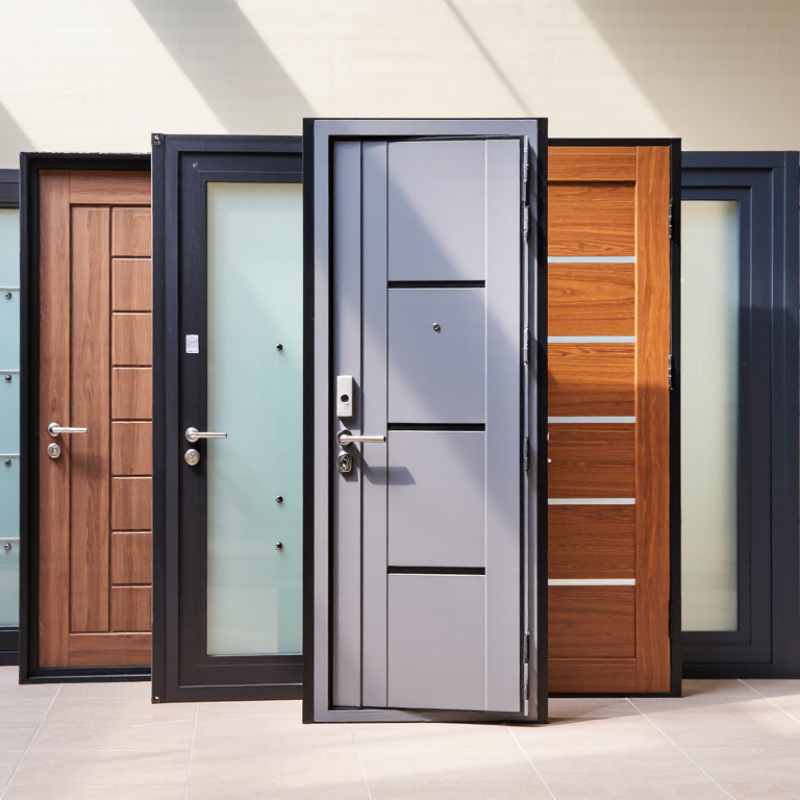
China’s top 10 modern entry door manufacturers are best compared through measurable details, not showroom photography alone. Design ranges from slim flush panels to warm wood-grain finishes and narrow vision glass. Experienced buyers should inspect corner joints, hinge alignment, and sample colors under daylight. A door may look luxurious online, yet feel ordinary when its handle flexes. Factory drawings, installation records, and responsive after-sales support provide stronger evidence than polished claims.

Material choices usually include steel, aluminum, stainless steel, and engineered wood. Steel offers strong security and stable performance, while aluminum resists moisture and supports lighter frames. Finishes may include powder coating, natural veneer, or textured laminates.

Smart locks, concealed hinges, multi-point systems, thermal breaks, and weather seals improve daily use. However, technology needs proper installation and maintenance. Customization can cover height, width, glazing, swing direction, hardware, color, insulation, and accessibility. No option is perfect. A heavily customized door may increase cost, lead time, and replacement difficulty.

Tips: Request a physical sample, not only digital images. Ask for tested air, water, and wind performance. Confirm the wall opening before production. Compare warranty terms, spare-part access, and installation responsibility. Keep written specifications. Small omissions can create expensive corrections later.

How to Choose the Right Chinese Modern Entry Door Manufacturer

Choosing the Right Chinese Modern Entry Door Manufacturer

A reliable manufacturer should explain construction, not only display polished photographs. Ask about core material, frame reinforcement, thermal breaks, drainage, and surface treatment. For coastal homes, confirm corrosion-resistant hardware and tested finishes. A factory should provide product drawings, measurable tolerances, and documented quality checks. Vague answers are a warning.

Request a sample corner or complete prototype before placing a large order. Inspect hinge alignment, gasket compression, lock operation, and threshold sealing by hand. Ask how the door performs after repeated opening cycles and temperature changes. Independent test reports can support claims about wind resistance, water tightness, air leakage, and insulation. Check whether reports match the exact model, glass type, and dimensions purchased. This detail is often missed.

Visit the production site, physically or through a live video inspection. Look for organized material storage, calibrated tools, and workers following written procedures. Confirm packaging for overseas transport, replacement-part availability, installation guidance, and warranty response times. Communication matters as much as machinery. A supplier may promise a short lead time, yet custom finishes or oversized glass can change it. I would allow extra schedule space, even when the sales team sounds confident. The cheapest quotation is rarely the clearest decision. Compare delivered cost, service evidence, and accountability in writing.