Best Tips for Choosing Inside Doors With Glass for Your Home?
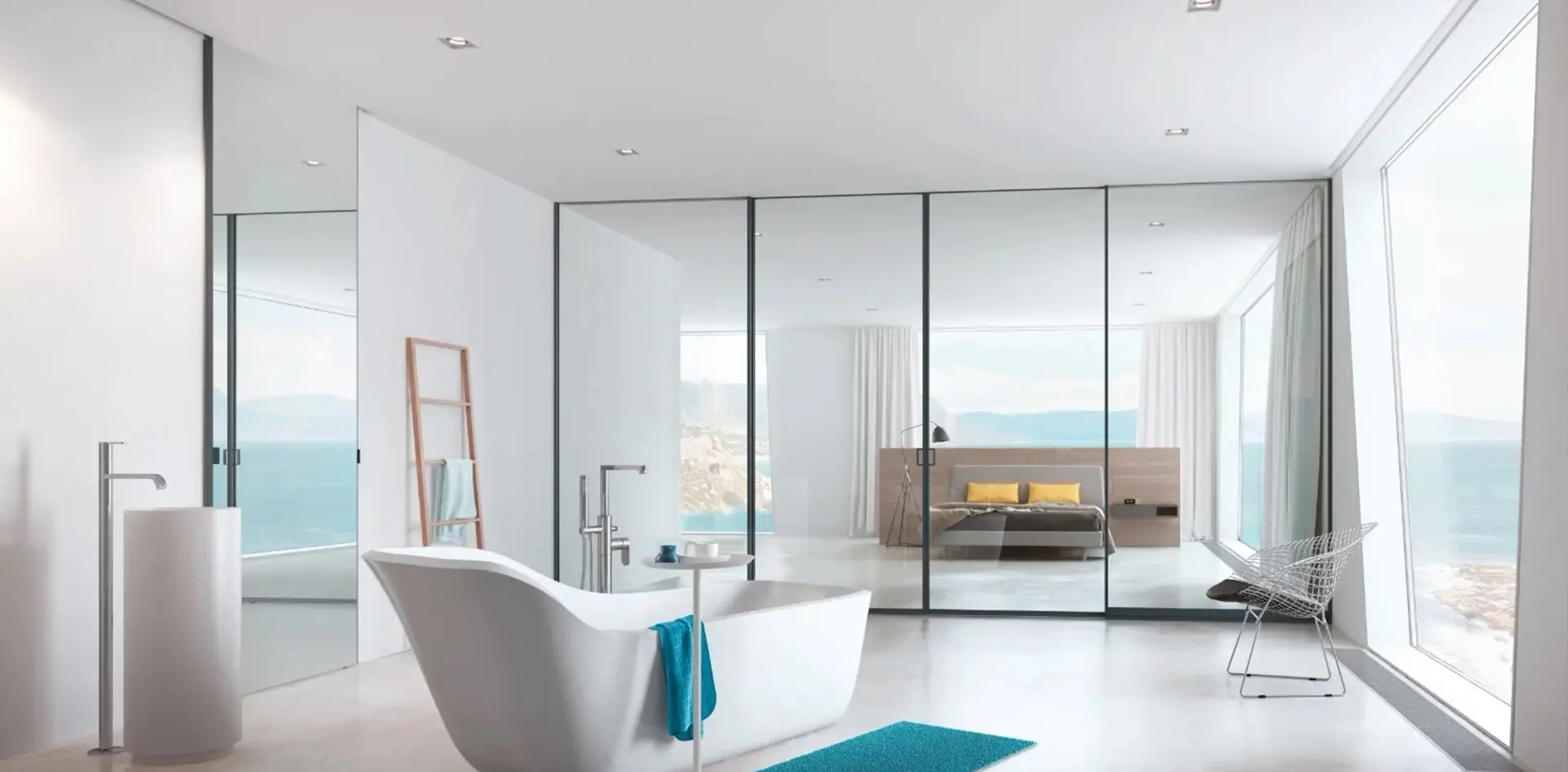
When it comes to enhancing the aesthetics and functionality of your home, "Inside Doors With Glass" are an excellent choice. Renowned interior designer Mark Johnson emphasizes this by stating, “Glass doors can seamlessly blend indoor and outdoor spaces, bringing in natural light and a sense of openness.”
Choosing the right glass door involves more than just picking a style. You must consider your home’s overall design. Glass doors can elevate a room’s elegance but may also require careful thought regarding privacy and security. An expert's input helps ensure that you make informed decisions that reflect your unique taste.
While glass doors can enhance light and space, they can also pose challenges. For instance, a highly reflective glass may work well in a sunny area but could be overwhelming. Be mindful of the surrounding decor and how the doors interact with it. Striking a balance is crucial to achieving a harmonious look in your home.
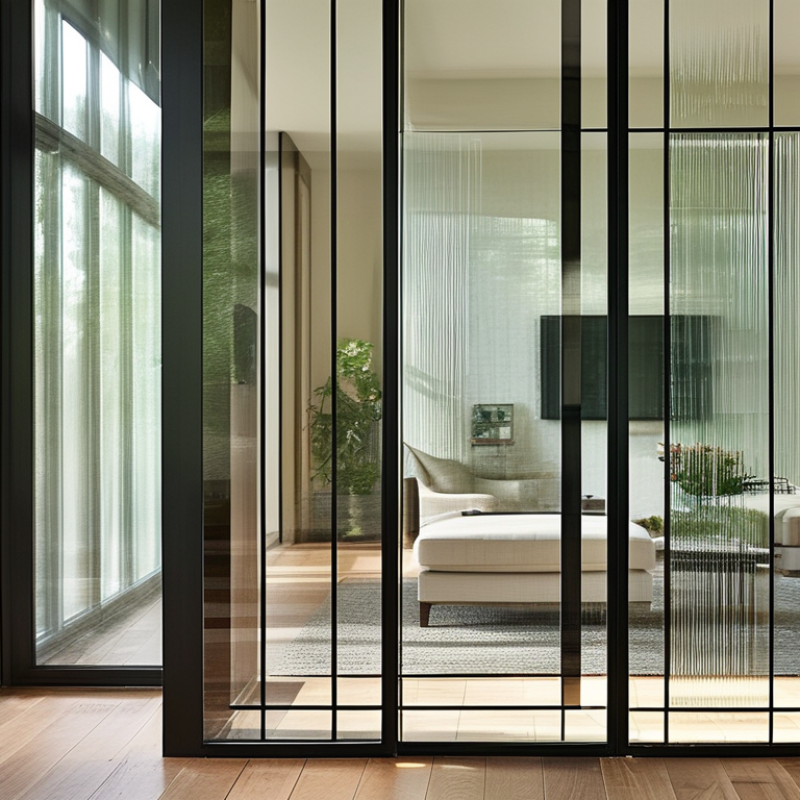
Factors to Consider When Choosing Glass Inside Doors
Choosing glass inside doors can enhance the beauty and functionality of your home. One essential factor is the type of glass used. Frosted glass provides privacy without sacrificing light. Clear glass offers an open feel but may lack privacy. Consider your needs carefully before making a choice.
Another important aspect is the door frame and style. Wood frames exude warmth, while metal frames can offer a modern vibe. Think about the overall aesthetic of your space. Don't just follow trends; ensure the door matches your home’s character.
Additionally, consider the insulation and soundproofing qualities of the glass. Some designs might look appealing but perform poorly in sound reduction. Assess how these doors impact your daily life. These choices can be impactful, leading to thoughtful reflections on their suitability for your home.
Types of Glass for Interior Doors: Pros and Cons
When choosing interior doors with glass, understanding the types of glass is crucial. Each option has unique pros and cons that can affect both aesthetics and functionality in your home. Clear glass provides an open vibe and lets in natural light, but it offers little privacy. Frosted glass, on the other hand, ensures privacy while still allowing light to pass through. According to a recent industry report, over 40% of homeowners prefer frosted glass for bathrooms and bedrooms for its balance of light and seclusion.
Laminate glass is another option, known for its durability. It resists shattering, making it a safer choice for homes with children or pets. However, some users report that laminate glass can lack the visual appeal of other types. Additionally, tempered glass, which is heat-treated and breaks into small pieces, is another safe choice. It’s ideal for high-traffic areas but might not meet the decorative preferences of all homeowners.
Selecting the right glass type involves considering your lifestyle and needs. Take time to evaluate how each option fits your space. Think about where the door will be installed and the desired level of light and privacy. For an eclectic or modern look, perhaps mix different glass types in various rooms. By understanding the details, you can make a more informed and personal choice for your home.
Design Styles of Glass Doors to Complement Your Home Decor
Choosing the right design for glass doors in your home is crucial. These doors can enhance aesthetics and provide functionality.
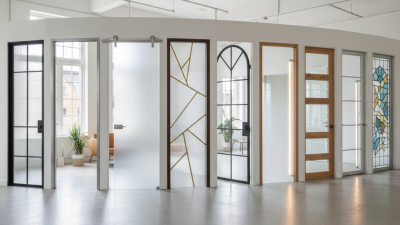
Popular styles include French doors, sliding glass panels, and bi-fold doors. French doors are elegant and add classic charm.
They work well in traditional or transitional spaces. Sliding glass panels are perfect for modern homes, creating a seamless flow between interiors and exteriors.
Bi-fold doors can open up spaces, making them ideal for patios.
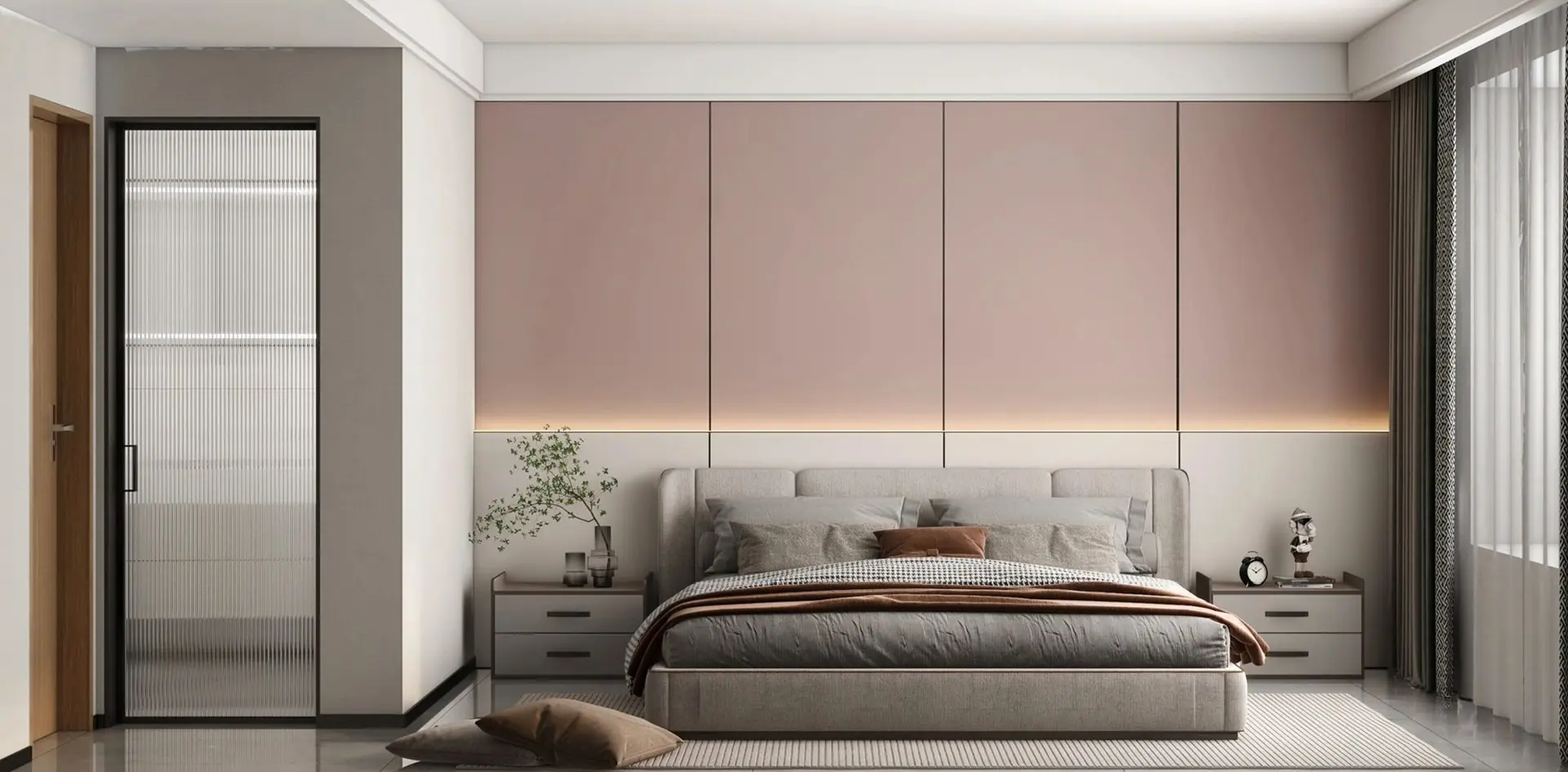
When selecting glass doors, think about your decor. Clear glass offers openness and light. Frosted glass provides privacy without sacrificing illumination.
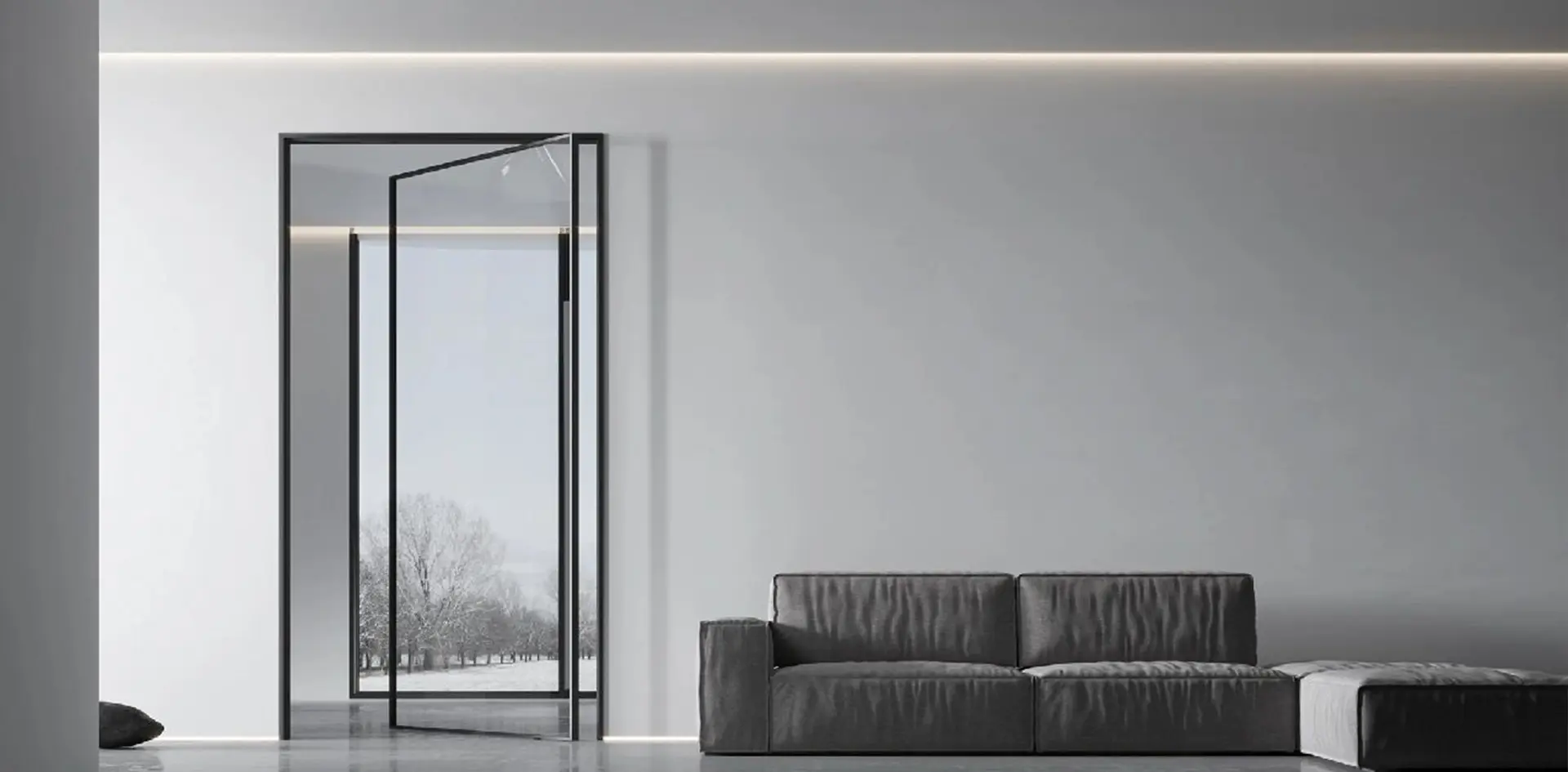
Textured glass adds an intriguing touch. For a rustic vibe, look for doors with wooden frames. For a sleek, contemporary feel, opt for metal frames.
Consider colors that will complement your existing palette.
Keep in mind a few tips during your selection process. Always measure your space to ensure a proper fit. Think about the door's purpose.
Will it be a statement piece or a functional entryway? Pay attention to maintenance as well. Some glass treatments require more upkeep than others.
Lastly, involve family members in decision-making. Their preferences may surprise you and lead to a better choice.
Safety and Privacy Features in Glass Interior Doors
When choosing interior doors with glass, safety and privacy are paramount. Glass doors can enhance openness, but without the right features, they may compromise your home’s security. According to a recent study by the American Institute of Architects, nearly 70% of homeowners express concerns about privacy when considering glass doors. This highlights the importance of selecting doors with frosted or tinted glass to obscure visibility while still allowing light to flow through rooms.
For increased safety, consider tempered or laminated glass. These materials are designed to shatter into small, safe pieces, reducing the risk of injury. A report from the Glass Association notes that tempered glass can be up to five times stronger than regular glass. Additionally, installing locking mechanisms can enhance security further. This becomes crucial if you have young children or pets in the home.
An essential aspect of glass interior doors is the balance between style and functionality. Think about the room’s purpose. For bathrooms, frosted glass is a good option, while clear glass can work well in dining areas. Many people overlook how lighting will change throughout the day, impacting privacy. Ultimately, the ideal choice will reflect both your aesthetic preferences and practical requirements.
Maintenance Tips for Keeping Glass Doors Pristine
Maintaining glass doors can be a challenge. Regular cleaning is essential, but it might not always result in a spotless finish. Utilize a soft microfiber cloth and a gentle glass cleaner. Avoid abrasive materials that could scratch the surface. It’s easy to overlook the edges and seams, where dirt can accumulate unnoticed.
Consider the environment. If you live in a dusty area, more frequent cleaning may be necessary. Weather changes, like rain or humidity, can also contribute to grime buildup. After cleaning, touch up the edges with a damp cloth to remove any residual cleaner, ensuring a clear, streak-free appearance.
Watch for fingerprints and smudges, especially in high-traffic areas. A quick wipe with warm soapy water can do wonders. Yet, be aware that over-cleaning can lead to wear on seals and frames. Reflecting on your cleaning routine might help you find that balance between being thorough and protecting your doors.