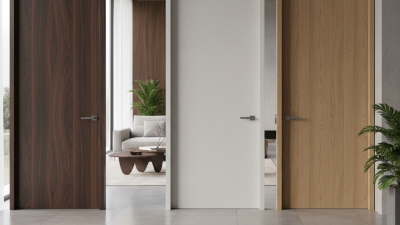
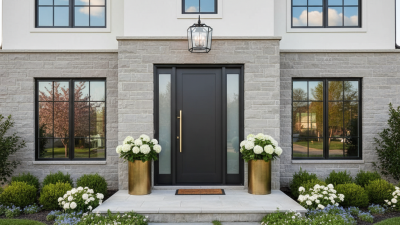
Top 10 Wood Entrance Doors Buyers Need to Consider?
When considering the purchase of Wood Entrance Doors, buyers face a multitude of options. The right door can elevate a home's aesthetic and increase its value. According to a report by the American Institute of Architects, well-designed front doors can yield a return on investment of up to 75% at resale. This highlights the importance of making an informed choice.
Choosing Wood Entrance Doors requires balancing style, durability, and cost. For instance, solid wood doors may provide a classic look but often come with higher maintenance needs. A survey by the National Association of Home Builders indicates that 49% of homeowners prefer natural materials for their entrances, underscoring the trend toward wood. However, potential buyers must weigh these preferences against factors like climate and budget.
Decisions around Wood Entrance Doors can also reflect personal values. Sustainable options are gaining popularity, as consumers increasingly seek eco-friendly products. Yet, not all wood sources are equal, leading to confusion. Buyers should research certifications to ensure responsibly sourced materials. Ultimately, the choice of a wood door is not just about aesthetics; it requires thoughtful reflection on quality, sustainability, and personal taste.
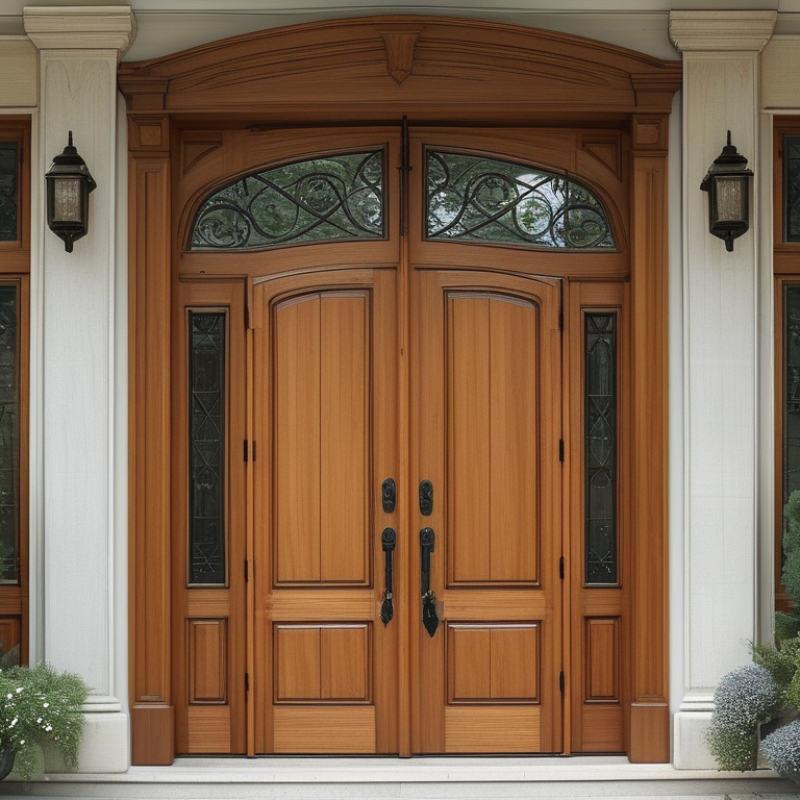
Factors Influencing the Choice of Wood for Entrance Doors
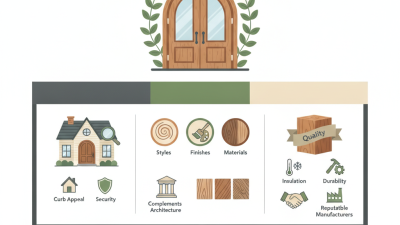
When choosing a wood entrance door, several factors come into play. The type of wood significantly influences durability and aesthetics. Hardwoods like oak and mahogany are sturdy and long-lasting. Softwoods, such as pine, may be less expensive but might not hold up as well over time. It's essential to assess the climate where you live. Exposure to moisture and extreme temperatures can impact wood conditions. Doors may warp or crack if not adequately treated or if the wrong wood is selected.
Furthermore, the grain and finish of the wood can alter the door's visual appeal. Different species showcase varied textures and colors. This can enhance the charm or elegance of your home. Wood requires maintenance, such as staining or sealing. Regular upkeep can help you avoid costly repairs later.
Consider the door's design and functionality as well. A solid wood door can provide better insulation and security. However, they may also add more weight, so hardware choice shouldn’t be overlooked. Balancing aesthetics and functionality can lead to some tough decisions. Reflecting on how each aspect aligns with your needs can help guide your choice.
Understanding the Different Types of Wood and Their Characteristics
When choosing wood entrance doors, understanding the types of wood is crucial. Different species offer distinct aesthetics and durability. Common choices include oak, mahogany, and pine. Oak is known for its strength and grain patterns. Mahogany delivers rich colors and resistance to humidity. Pine is cost-effective but may require more maintenance.
Consider how each type handles weather conditions. Oak withstands harsh climates but can warp if not treated. Mahogany resists moisture but is a heavier choice. Pine may need regular refinishing to maintain its appearance.
Tip: Always inspect the wood for knots and blemishes. These imperfections can affect the door's longevity and visual appeal. Choosing a door should involve weighing style against practicality.
Opt for doors with better insulation properties too. They can significantly reduce energy costs over time. This factor often involves trade-offs between style and function.
Impact of Door Design on Security and Aesthetic Appeal
When selecting wood entrance doors, the design significantly influences both security and aesthetic appeal. A well-designed door not only enhances the overall look of your home but also serves as a reliable barrier against intruders. According to the American Institute of Architects, approximately 70% of homeowners believe that the entrance is a focal point of their property. This assertion highlights how important the design is in appealing to potential buyers.
The choice of materials can make a difference in security and style. Solid wood doors can offer higher resistance to forced entry compared to hollow-core alternatives. The National Association of Home Builders reports that homes with stronger, visually appealing entrances are 20% less likely to experience break-ins. Incorporating features like decorative glass or intricate carvings can elevate the door's aesthetic. However, while ornate designs captivate eyes, they may require more maintenance and could impact longevity if not properly cared for.
Moreover, the door's color and finish also contribute to its visual impact. A bold color might attract attention, reflecting a homeowner’s personality. However, some colors can fade or chip over time. Choosing a high-quality finish is essential for preserving the door’s beauty. Evaluating the balance between security and aesthetics is a crucial consideration for potential buyers. Understanding these elements can lead to informed decisions when investing in wood entrance doors.
Top 10 Wood Entrance Doors Buyers Need to Consider
Comparative Analysis of Wood Door Prices and Lifespan
When choosing wood entrance doors, buyers often overlook the comparison of prices and lifespan. The cost of a wood door can vary significantly, influenced by the type of wood, craftsmanship, and design intricacies. Common choices include mahogany, oak, and pine, each presenting unique benefits and costs. Mahogany is known for its durability and rich color but may come with a higher price tag. Oak offers strength and elegance at a moderate cost. Pine, being an economical option, might not last as long, showing signs of wear sooner.
The lifespan of a wood door is also crucial in this comparison. A well-maintained mahogany door can last over 30 years, while untreated pine may need replacement in just a decade. This inconsistency raises questions about cost-effectiveness. Investing in a premium door can seem daunting. However, the long-term value and aesthetic appeal often outweigh initial expenses. Additionally, maintenance practices, like regular sealing and painting, can extend a door’s life, requiring ongoing effort and expenditure rather than a one-time investment.
In making your decision, consider what aligns best with your budget and lifestyle. Assessing the initial price against potential lifespan can reveal unexpected truths. Less expensive doors may lead to higher long-term costs due to their shorter lifespan. Reflecting on these aspects can guide buyers to wiser choices in the long run.
Benefits of Energy Efficiency in Wood Entrance Doors
Choosing wood entrance doors involves more than aesthetics. One key aspect is energy efficiency. Wood doors can provide excellent insulation, reducing energy bills. When tightly sealed, they can keep warm air in during winter and cool air in during summer. This balance benefits your comfort and reduces reliance on heating and cooling systems.
A well-designed wood door can also contribute to a home's environmental sustainability. Sustainable wood options are often harvested responsibly. This practice helps to preserve forests and biodiversity. Energy-efficient doors lower carbon footprints by minimizing energy consumption. However, it's crucial to consider the door's thermal performance ratings. Not all wood doors are created equal in energy efficiency.
Investing in a quality wood entrance door offers long-term advantages. The initial cost may seem high, but savings on energy bills can justify that expense. Wood doors also require maintenance, such as periodic sealing and painting. Mindfully choosing materials and designs can enhance your energy efficiency further. Balancing beauty, function, and energy efficiency is key to making an informed choice.
Top 10 Wood Entrance Doors Buyers Need to Consider? - Benefits of Energy Efficiency in Wood Entrance Doors
| Feature |
Description |
Energy Efficiency Benefit |
| Material Quality |
High-quality wood ensures durability and longevity. |
Less need for replacement, reducing energy costs over time. |
| Insulation |
Wood doors provide natural insulation, keeping homes warm. |
Lower heating bills due to reduced energy loss. |
| Aesthetic Appeal |
Available in various designs and finishes to enhance curb appeal. |
Potential increase in property value. |
| Customizability |
Can be customized to fit any size or design preference. |
Better fit can improve energy efficiency. |
| Durability |
Resistant to wear and tear, with proper maintenance. |
Fewer replacements mean less waste and lower energy consumption in production. |
| Weather Resistance |
Well-treated wood can withstand harsh weather conditions. |
Minimized drafts lead to better temperature control. |
| Maintenance |
Regular treatment can extend life and maintain efficiency. |
Avoid energy loss caused by damaged or degraded materials. |
| Eco-friendliness |
Sustainably sourced wood can have a low carbon footprint. |
Supports energy-efficient and sustainable practices. |
| Sound Insulation |
Wood acts as a natural sound barrier. |
Improved comfort from reduced outside noise, leading to reduced energy use. |
| Security |
Solid wood doors provide robust security features. |
Reduction in energy wasted on security measures and utilities. |