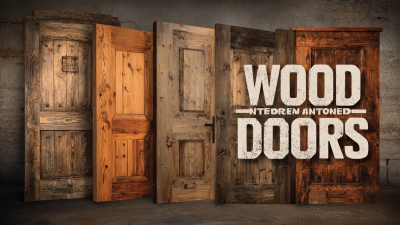
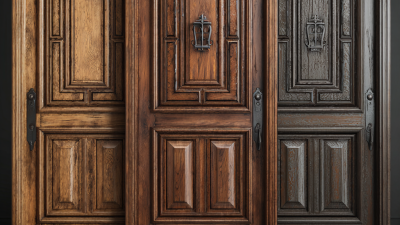
Essential Tips for Choosing Wood Entrance Doors?
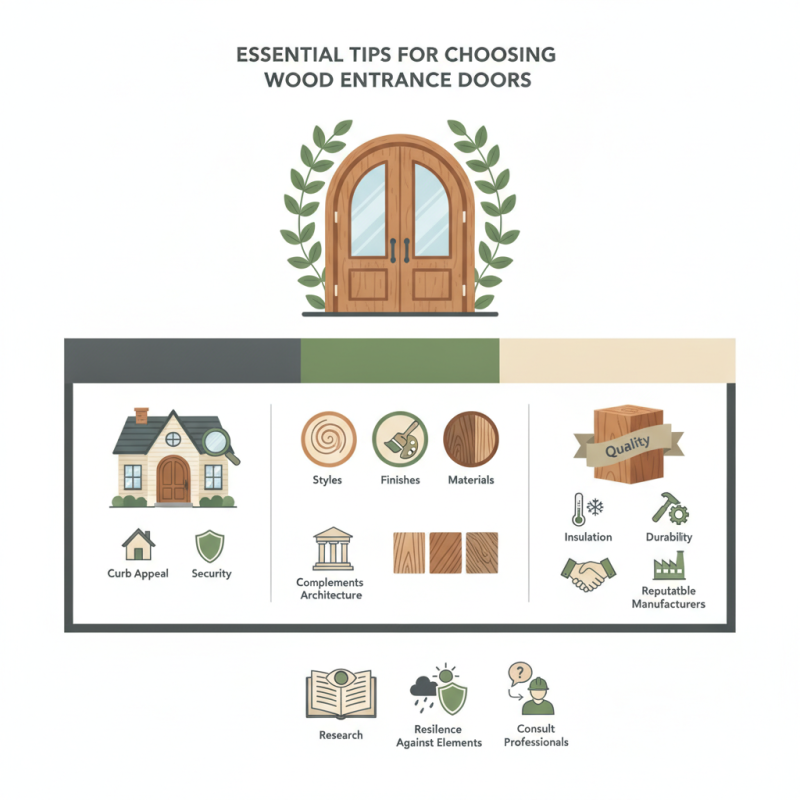
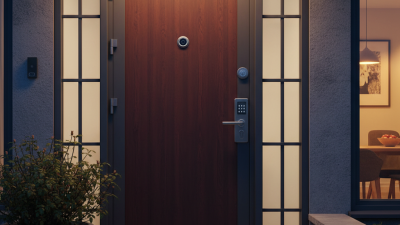
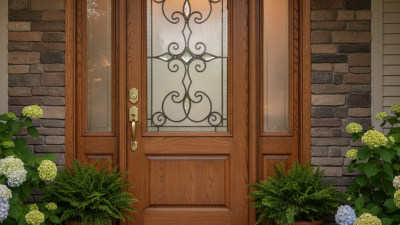
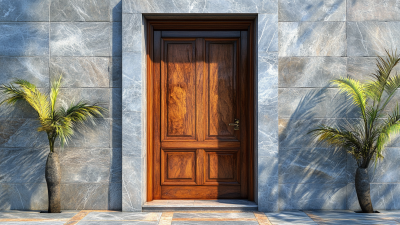
When selecting Wood Entrance Doors, there are several factors to consider. The right door can enhance your home's curb appeal and security. Wood Entrance Doors come in various styles, finishes, and materials, allowing for personalization. It's important to choose a door that complements your home's architecture.
Quality matters greatly when choosing Wood Entrance Doors. Solid wood options often offer better insulation and durability. Look for reputable manufacturers to ensure reliable craftsmanship. Remember that your door is not just an entry point; it reflects your style.
You may find the perfect door, but how will it hold up against the elements? Some woods are more susceptible to damage from moisture. Research is essential to avoid potential issues. Consider consulting with professionals for guidance on your selection. With these tips, selecting the ideal Wood Entrance Door can become a more informed and rewarding process.
Factors Influencing Wood Selection for Entrance Doors
When selecting wood for entrance doors, several important factors come into play. The type of wood significantly influences durability and aesthetics. Options like oak and mahogany are popular for their strength and resistance to weather. According to industry reports, solid wood doors can last over 30 years with proper care. However, they may require regular maintenance to prevent warping and cracking, especially in humid climates.
Another factor is the environmental impact of wood sourcing. Choosing wood from sustainably managed forests can address ecological concerns. The Forest Stewardship Council (FSC) certification is an excellent indicator of responsible sourcing. It's essential to verify certifications when making this choice.
Tips: Consider the grain patterns and finishes that enhance the door's look. A well-finished door can add value to your home. Pay attention to the insulation properties of wood. This can lead to energy savings and better comfort. Also, a poorly chosen wood type can lead to problems later, so weigh your options carefully. Flaws and imperfections can add character, but they shouldn't compromise performance.
Essential Tips for Choosing Wood Entrance Doors
Understanding Wood Species: Durability and Aesthetics
Choosing the right wood species for your entrance door is crucial. Each type of wood brings unique qualities. Some woods are naturally more durable, while others shine in aesthetics. For instance,
oak is known for its strength and resistance to wear. In contrast,
mahogany offers a rich color and deep grain patterns. Consider your home's style and climate when making a selection.
When it comes to tips, think about maintenance. Some woods require regular oiling to maintain their finish.
Cedar, for example, can withstand the outdoors but may fade over time. Be mindful of this when deciding. If longevity is a priority, look into treated or engineered wood options.
They can provide the beauty of natural wood with added protection.
Test the grain and texture before purchasing. A door should not only look beautiful but also feel good to the touch.
Sometimes, a door may look perfect, but hidden flaws can exist. Don’t rush the decision. Look for signs of warping or uneven surfaces. Quality matters, and a little patience can lead to the right choice for your entrance.
Importance of Door Thickness and Sturdiness for Security
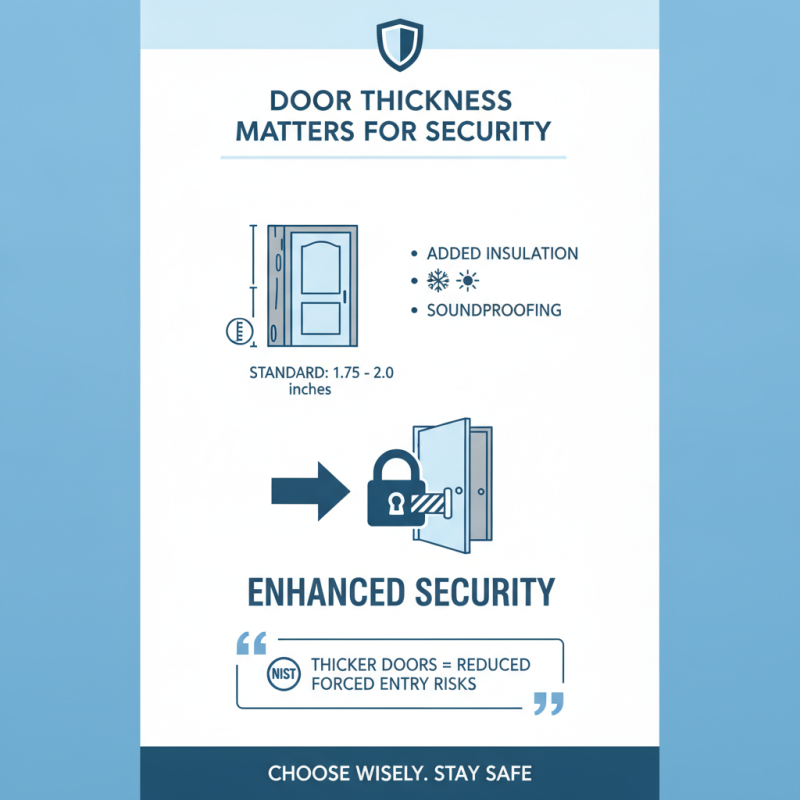
When choosing wood entrance doors, door thickness is a critical factor. A standard thickness ranges from 1.75 to 2.0 inches. Thicker doors provide added insulation and soundproofing. They also enhance security. According to the National Institute of Standards and Technology, thicker doors reduce forced entry risks significantly.
Sturdiness complements thickness. Solid wood doors resist warping and cracking, preserving their integrity over time. A solid core is preferable over hollow types. Research indicates that solid wood doors withstand impacts better, decreasing vulnerability to break-ins. Homes with robust doors experience 20% fewer burglary incidents, as highlighted by the FBI’s annual crime report.
However, not all wood doors are created equal. The quality of craftsmanship and material matters. Poor construction can lead to failures, despite thickness. Some homeowners overlook the importance of regular maintenance. A well-maintained door lasts significantly longer than one that is neglected. Reflecting on these details ensures security and longevity for your entrance.
Insulation Properties of Wood Doors for Energy Efficiency
When selecting wood entrance doors, it's crucial to consider insulation properties. Wood doors provide natural insulation, which contributes to energy efficiency. According to the U.S. Department of Energy, properly insulated exterior doors can reduce heating costs by 10-20%. This can significantly impact your home’s energy bills over time.
Many wood species have high R-values, indicating better thermal resistance. For instance, doors made from oak or pine often outperform fiberglass in energy efficiency. However, not all wood doors are created equal. Quality varies depending on construction methods and the type of wood used. Solid core doors typically offer better insulation than hollow core varieties. It’s worth noting that environmental factors can also influence performance. Temperature fluctuations, humidity, and sunlight exposure can affect wooden doors and their insulating capabilities.
Maintenance plays a vital role in the longevity and efficiency of wood doors. Regular inspections and proper sealing protect against moisture intrusion. Neglect can lead to warping, which diminishes a door's insulating properties. Homeowners often overlook this aspect, leading to reduced energy savings. Ensuring your wood door is well-maintained is essential for maximizing its benefits over time.
Maintenance Considerations: Finishes and Treatment Options
Choosing wood entrance doors requires careful thought about finishes and treatment options. The right finish enhances the wood's natural beauty and protects it from the elements. You might consider oil-based finishes for their rich appearance. Water-based options are great for easy cleanup and low odor.
When selecting a finish, consider the door's exposure to sunlight and moisture. A door facing the west might need more frequent reapplication than one sheltered by a porch. Remember, some finishes may darken the wood. Test on a small area first.
Maintenance is crucial for longevity. Regularly clean your doors with mild soap and water. Inspect for signs of wear or damage. Reapplication of the finish may be needed every few years, depending on the type used. Aging wood can develop cracks; addressing these early can save you time and money. Keep track of maintenance to ensure lasting quality.