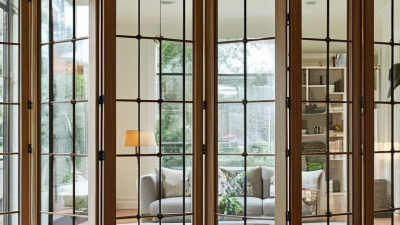
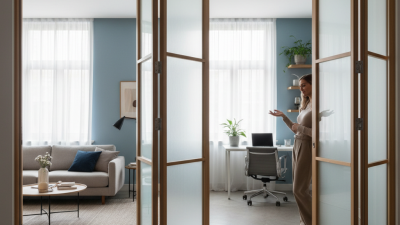
Top Tips for Choosing Indoor Folding Doors for Your Home?
When it comes to enhancing the look and functionality of your home, choosing the right Indoor Folding Door is crucial. Expert designer Sarah Thompson emphasizes, "A well-chosen folding door can transform any space." This statement captures the essence of how these doors can blend style and practicality in your living areas.
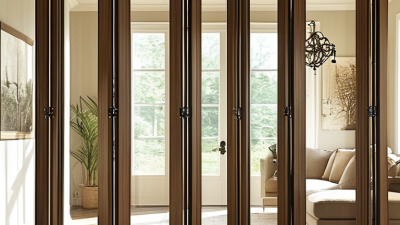
Indoor Folding Doors are versatile and offer a unique solution for space management. They can open up rooms, creating a sense of freedom. Imagine a cozy living room that seamlessly connects to a dining area, maximizing the flow of natural light. However, choosing the right style and material can be daunting. It's essential to consider aesthetics and durability.
Many homeowners overlook the importance of proper installation and maintenance. These factors can greatly affect the longevity of your Indoor Folding Door. Reflecting on personal experiences can help identify what works. Each choice matters, from materials to operational mechanisms. A thoughtful selection process can truly enhance your home's ambiance and functionality.
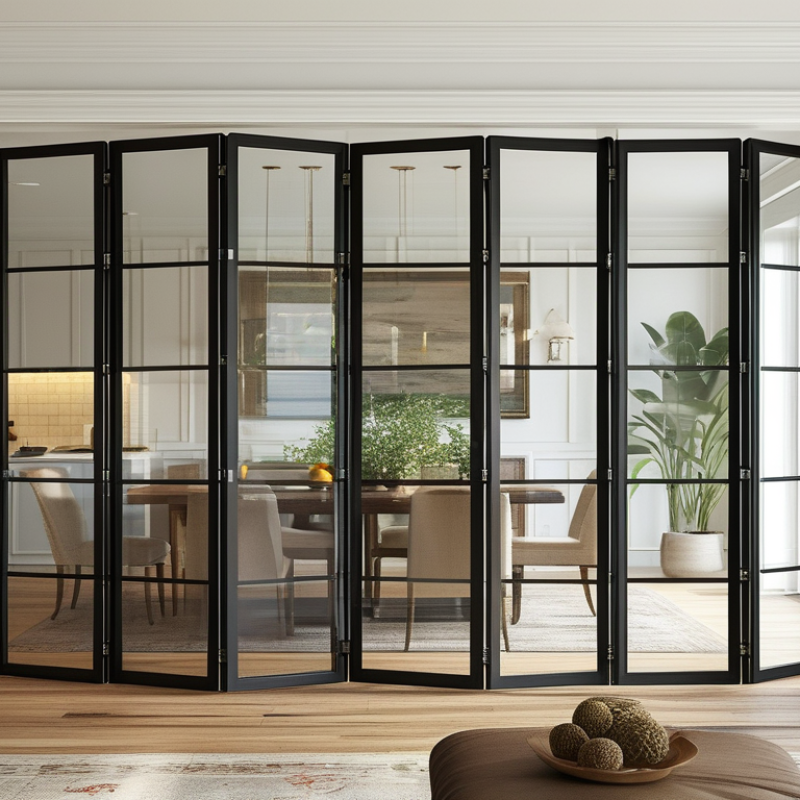
Understanding Indoor Folding Doors: A Comprehensive Overview of Options
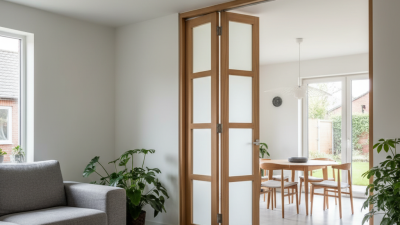
Indoor folding doors offer a flexible solution for modern homes. These doors can convert closed spaces into open areas. They are ideal for small apartments or rooms needing versatile space. According to a report from the National Association of Home Builders, nearly 25% of recent renovations include the installation of folding doors. Their popularity reflects a growing trend towards open concepts.
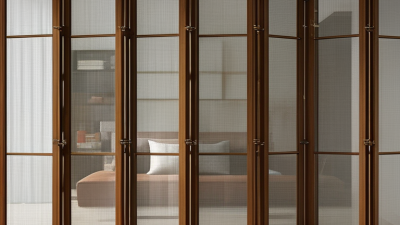
When exploring options, material choices play a critical role. Common materials include wood, glass, and composite. Each has unique benefits and limitations. Wood provides warmth but may require more maintenance. Glass doors, while sleek, can raise privacy concerns. Composite materials offer durability and lower maintenance, appealing to many homeowners. Around 60% of homeowners prioritize aesthetics and functionality when selecting folding doors.
Many people underestimate the importance of acoustic performance. Indoor spaces can become noisy without proper soundproofing. Research indicates that sound transmission can increase by 30% in poorly designed areas. Therefore, evaluating folding doors for sound insulation is essential. Ultimately, these factors contribute to making an informed decision that enhances your living space.
Top Tips for Choosing Indoor Folding Doors for Your Home
| Aspect |
Recommendations |
Benefits |
Considerations |
| Material |
Choose between wood, aluminum, or PVC |
Durability, aesthetics, and insulation |
Cost and maintenance requirements |
| Style |
Select a style that complements your decor |
Enhances overall home aesthetics |
Compatibility with existing features |
| Size |
Measure the space accurately |
Ensures proper fit and operation |
Potential need for custom sizes |
| Opening Mechanism |
Consider folding vs. sliding mechanisms |
Space-saving solutions |
Different installation complexities |
| Glass Options |
Choose clear, frosted, or tinted glass |
Natural light and privacy control |
Impact on heat retention and security |
| Budget |
Define a clear budget range |
Financial planning can avoid overspending |
Potential trade-offs on quality |
Key Materials for Indoor Folding Doors: Pros and Cons of Each Type
When choosing indoor folding doors, understanding the key materials is essential. Each material has its own pros and cons. Wood is a popular choice for its aesthetic appeal and natural insulation properties. However, wood can warp and swell over time due to moisture changes. According to industry reports, about 30% of homeowners face issues with wood doors related to humidity.
Metal folding doors offer durability and modern appeal. They are resistant to warping and can withstand outdoor conditions. However, they can conduct heat and cold, impacting energy efficiency. Research indicates that homeowners may see a 15-20% increase in energy costs with poorly insulated metal doors.
Consider your space before selecting materials. If sound insulation is vital, choose solid core options. Light-weight materials may suffice if traffic is low and aesthetics focus more on style. Balancing functionality with design is key. Choose wisely to improve your home’s value.
Evaluate each type based on your needs. Test their functionality before making a decision. Consider long-term maintenance and care as well. Investing in quality materials might cost more initially but can save you in the long run.
Sizing and Space Considerations: How to Choose the Right Dimensions
When choosing indoor folding doors, sizing and space considerations are crucial. The right dimensions can enhance functionality and aesthetics in your home. According to a report by the American Institute of Architects, 41% of homeowners prefer flexible spaces that allow for easy room configuration. Folding doors allow for such adaptability but require careful measurement.
Measure openings accurately. Common widths for folding doors range from 5 to 16 feet. A door that’s too wide may overwhelm a small room. Conversely, an undersized door can limit natural light. This can make spaces feel cramped. Consider ceiling height too, as taller doors can create a grander feel, promoting an open environment.
Also, think about clearance. Folding doors need space to stack when opened. Ensure there’s enough room for the door panels to slide without obstruction. Over half of design professionals note that improper sizing leads to project delays. Consulting with an expert or using online calculators can ensure you get this part right. Always verify your measurements twice; errors can be costly and affect your home’s overall design harmony.
Design Aesthetics: Matching Folding Doors with Your Home's Interior Style
When selecting indoor folding doors, design aesthetics should align with your home's interior style. A well-coordinated look elevates the overall ambiance. According to a recent design report, nearly 70% of homeowners prioritize aesthetics in their renovation choices. This statistic highlights the increasing demand for doors that not only serve functions but also enhance visual appeal.
Consider the type of materials that complement your existing décor. Wooden folding doors may evoke warmth and tradition, while glass options can create a modern, open feel. The National Association of Home Builders indicates that homes with cohesive design elements often see a 15% increase in overall market value. Choosing colors and finishes that harmonize with your home helps create a seamless transition between spaces.
While aesthetics are crucial, practicality cannot be overlooked. For example, large glass panels may offer stunning views but could lead to privacy concerns. In some cases, families find themselves debating how to balance openness with comfort. Evaluating your specific needs will guide you in making a choice that truly reflects your style and lifestyle.
Energy Efficiency and Insulation: The Importance of Quality Door Seals
When selecting indoor folding doors, energy efficiency and insulation should be top priorities. High-quality door seals play a crucial role in preventing drafts. They create a barrier between different areas, enhancing temperature control. Poorly sealed doors can lead to significant energy loss. A tiny gap can turn into a major issue over time.
Quality door seals help maintain a comfortable home environment. Options include weatherstripping and foam seals. These materials are designed to fit snugly in the door frame. But, not every seal works for every door type. Evaluating the compatibility is key. It's worth testing different seals to find the best fit.
Monitoring how your doors perform can reveal areas for improvement. You might notice drafts or increased energy bills. These signs indicate that door seals need attention. Proper maintenance is essential for long-term performance. Regular inspection helps identify wear and tear. This proactive approach ensures your indoor folding doors remain effective for years.