How to Choose the Best Indoor Folding Door for Your Home?
When it comes to selecting the best indoor folding door for your home, expert opinions matter. John Smith, a renowned interior design consultant, emphasizes, “The right indoor folding door can transform your space dramatically.” This statement highlights the importance of making a thoughtful choice.
Indoor folding doors are versatile solutions that provide both style and functionality. They can save space while allowing light to flow through your home. However, not all indoor folding doors are created equal. Factors such as material, design, and installation play crucial roles in your decision.
Many homeowners find themselves overwhelmed by the options available. Budget constraints may also limit choices, leading to compromises on quality. It's essential to reflect on your specific needs and aesthetic preferences before making a final decision. An informed choice ensures that the indoor folding door you select enhances your living space for years to come.
Understanding Indoor Folding Doors: Types and Benefits
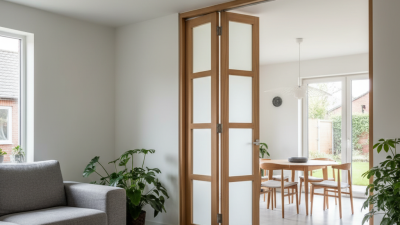
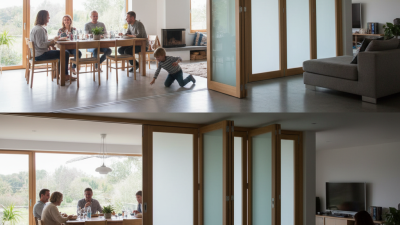
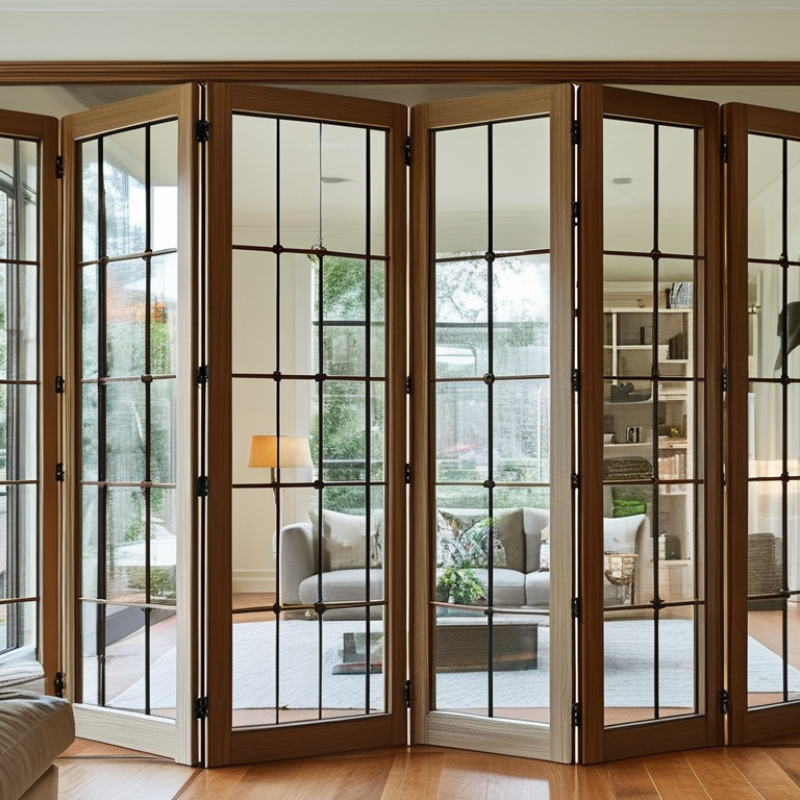
Indoor folding doors serve as versatile solutions for residential spaces. They can save space and offer flexibility in room design. These doors can transform a room, seamlessly connecting different areas when opened. When closed, they provide privacy and isolation, making them suitable for bedrooms or home offices.
There are various types of indoor folding doors. Wooden doors provide warmth and elegance but may require regular maintenance. On the other hand, bi-fold doors made from lightweight materials are easier to operate. They are often preferred for their modern aesthetic. Not all folding doors fit every space. Measuring accurately is crucial for proper installation. Consideration of door weight is essential to ensure smooth operation.
Benefits of folding doors extend beyond mere aesthetics. They improve airflow and light across spaces. However, installing them can be tricky. Some find it challenging to align tracks properly. This can lead to frustration if not addressed. Understanding the different options will help you make a better choice. Reflect on your lifestyle and needs to select the right type.
Assessing Your Space: Measuring for the Perfect Fit
When selecting an indoor folding door, accurate measurements are essential. Homeowners often underestimate the importance of a perfect fit. According to the American Institute of Architects, improper measurements can lead to installation issues in over 30% of projects. This underscores the necessity of measuring your space carefully.
Begin by assessing the width and height of the opening. Measure at multiple points to catch any irregularities in the wall. A discrepancy might mean you'll need a custom solution. When considering door thickness, remember that standard options may not suit every space. Often, ideal thickness can be just a few inches more than the standard. Focus on achieving a seamless look.
Consider the space around the door as well. The swing radius matters. If furniture placement or wall obstacles interfere, you'll need to adjust your choice. In some instances, homeowners find their initial choice doesn't work due to these surrounding factors. Taking additional time to reconsider placement can lead to better functionality. Be prepared to reevaluate your plans as necessary.
How to Choose the Best Indoor Folding Door for Your Home? - Assessing Your Space: Measuring for the Perfect Fit
| Dimension |
Measurement |
Notes |
| Width |
24 - 60 inches |
Measure the opening to find the correct width. |
| Height |
80 - 96 inches |
Standard heights but can vary based on home design. |
| Depth |
Around 4 - 6 inches |
Ensure space for the door to fold and operate. |
| Material |
Wood, Composite, Glass |
Choose based on aesthetics and durability. |
| Style |
Bi-fold, Accordion, Pocket |
Pick a style that matches your interior design. |
| Insulation |
Yes/No |
Consider for temperature control. |
Material Matters: Choosing the Right Door Material
Choosing the right material for your indoor folding door is crucial. Materials like wood, metal, and fiberglass each have their pros and cons. According to a study by the Door and Access Systems Manufacturers Association, wood is a popular choice for its aesthetics and insulation properties. However, it can be prone to warping and requires regular maintenance.
On the other hand, metal doors are known for their durability and security. A recent report by the National Institute of Standards and Technology highlighted that metal offers better resistance to physical damage. Yet, while they are sturdy, they may not provide the warmth that a wooden door does. Fiberglass doors, meanwhile, offer a middle ground. They can mimic the look of wood while being resistant to moisture and decay. Yet, they might lack the authentic feel that natural wood provides.
Consider your home's interior style and the climate when selecting a material. What looks good may not always perform well over time. Energy efficiency ratings often vary significantly among materials. A door with poor insulation can lead to higher heating costs. Careful measurement and consideration of these factors are essential for achieving long-term satisfaction. Each material brings unique challenges and benefits, making the selection process worth your time and thought.
Design and Aesthetic: Harmonizing with Your Home Decor
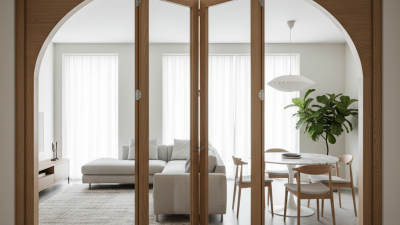
When selecting an indoor folding door, it's essential to consider how it will fit with your existing decor. The right door can enhance the aesthetic of your home. Different materials and finishes can either complement or clash with your interior style. For example, a natural wood finish can add warmth to a modern space, while a sleek metal option might suit a more industrial design.
Tips: Choose colors that match your current decor. Lighter shades can make a space feel larger, while darker options create intimacy. Think about your furniture too. Ensure the door harmonizes with nearby pieces.
Lighting plays a crucial role in showcasing your folding door. A well-lit area will highlight its features. However, shadows can create a less inviting atmosphere. Consider adding soft lighting that embraces the door's design. Be cautious, though. Too much light can reveal flaws, so find a balance.
Tips: Test door samples in your space. Observe them at different times of day. Reflect on how this choice will affect overall harmony in your rooms. Small imperfections can sometimes lead to greater beauty. Embrace these unique characteristics in your design journey.
Installation and Maintenance Considerations for Folding Doors
When considering the installation of indoor folding doors, several aspects demand your attention. First, assess the space where the doors will be installed. Proper measurements ensure a good fit. Doors should open and close smoothly without obstruction. Consider the material of the door, as it impacts durability and maintenance. Lightweight materials may seem convenient but could wear out quickly.
Regular maintenance is crucial for the longevity of folding doors. Check tracks for debris that can hinder movement. Lubricate tracks periodically to ensure smooth operation. Inspect hinges and panels for any wear or damage. Addressing issues early prevents larger problems later.
Tips for maintaining your folding doors: clean them regularly with a soft cloth to prevent grime buildup. This simple step enhances appearance and functionality. Additionally, test the door’s operation each season to catch any issues promptly. By being proactive, you can ensure your folding doors remain a beautiful and functional part of your home.