
Choosing Double Front Doors in 2026 involves more than selecting an attractive entrance. Homeowners now weigh energy efficiency, security, accessibility, maintenance, and architectural character. A beautifully photographed door can still perform poorly in heavy rain or strong sunlight. Details matter.
This guide examines practical choices for new builds, renovations, and period properties. It considers timber, fibreglass, steel, and composite materials. Each option behaves differently through seasonal temperature changes. We will discuss insulated cores, low-emissivity glazing, weather seals, hinges, locks, and threshold design. These features affect comfort, durability, and daily use. A narrow hallway may need doors that open carefully. A shaded entrance may tolerate darker finishes better than an exposed façade.
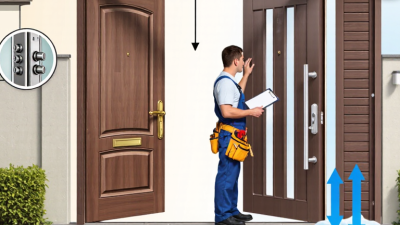
Accurate measuring remains essential. Measure twice. The opening, frame depth, swing direction, and surrounding walls must work together. Experienced installers often identify problems before ordering, especially with uneven masonry or older homes. However, even careful buyers can overlook delivery access, cleaning space, or future hardware repairs. That deserves reflection. The most expensive door is not automatically the safest or most efficient choice.
By comparing verified performance information, installation quality, warranties, and independent customer feedback, readers can make a more informed decision. Local climate also matters. Coastal air, freezing winters, and intense summer heat place different demands on an entrance system. The right Double Front Doors should feel welcoming, close securely, resist weather, and remain comfortable for years. Style matters, but dependable performance matters more.
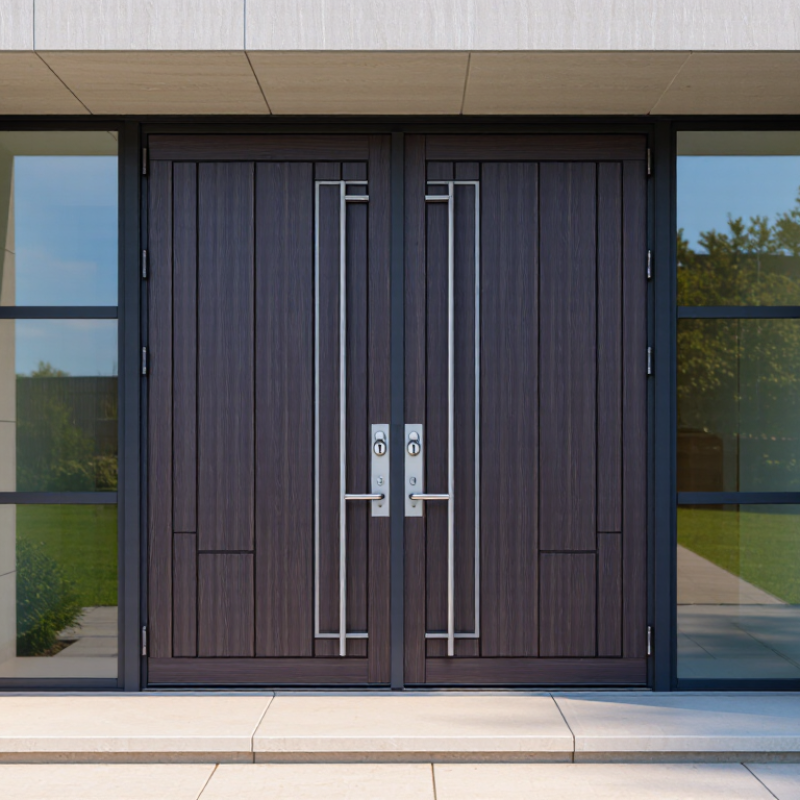
How to Choose Double Front Doors in 2026?
Define your entryway before comparing styles. Measure the rough opening, wall depth, porch clearance, and swing path. A 72-inch opening can look impressive, but it may crowd furniture or narrow the walkway. Measure twice. Record the active and inactive door widths separately.
Consider daily use, not only curb appeal. Will movers carry sofas through the entrance? Do children, pets, or older visitors need a low threshold? A wider active leaf can simplify access, while an adjustable astragal helps reduce drafts between doors. The 2024 International Energy Conservation Code emphasizes tested U-factor and solar heat gain performance. The U.S. Department of Energy also estimates that windows cause 25–30% of residential heating and cooling energy use. Large glazed door panels therefore deserve careful energy review.
Weather matters. Check local wind exposure, driving rain, sunlight, and winter temperatures before selecting glass or finishes. Look for independently tested air leakage, water resistance, and structural performance. NFRC labels can help compare U-factor and visible transmittance, but ratings do not replace correct installation. Ask for sill drainage details and compatible flashing materials. I would avoid choosing an oversized door only because it photographs well. That choice can create heavier operation, weaker comfort, and awkward circulation. A small mistake at the threshold becomes noticeable every day.
How to Choose Double Front Doors in 2026?
Choose the Right Door Materials, Styles, and Configurations
Choosing double front doors starts with the material, not the color. Fiberglass resists moisture, dents, and temperature changes, making it practical for exposed entrances. Solid wood offers warmth and can be repaired, but it needs regular sealing. Steel provides strength and a slim profile, though scratches may require quick attention.
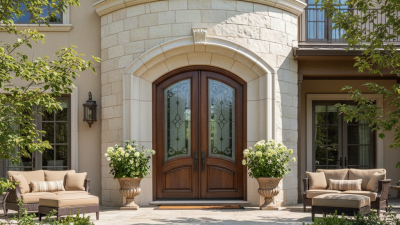
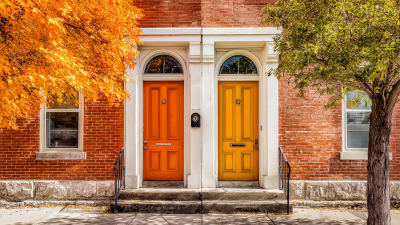
Style should match the building’s proportions. Shaker panels suit traditional homes, while flush slabs create a cleaner contemporary entrance. Glass can brighten a dark hallway, but textured or frosted panels offer more privacy. I once measured a doorway where the surrounding trim looked balanced, yet the selected doors felt oversized. The lesson was simple: view full-size samples beside the existing facade.
Tips: Measure the rough opening, finished floor, and swing clearance twice. Decide between equal leaves, an active leaf with a smaller inactive leaf, or matching sidelights. Equal leaves look formal, but they require more clearance. Check hinges, multipoint locks, weather seals, and threshold height before ordering. Ask an experienced installer to confirm wall conditions and local requirements. Small errors become expensive. Also, consider how furniture, deliveries, and winter coats move through the entrance. A beautiful configuration can still feel awkward in daily use.
Practical comparison of common residential double-entry door options
| Selection Category | Option | Typical Characteristics | Durability | Energy Efficiency | Maintenance | Relative Cost | Best Suited For |
|---|---|---|---|---|---|---|---|
| Door Material | Fiberglass | Resists moisture, warping, and dents better than many wood doors; available with wood-grain or smooth finishes. | High | Good to very good | Low | $$–$$$ | Busy households, humid climates, and homeowners seeking lower upkeep. |
| Steel | Strong, dimensionally stable, and often available with an insulated core; exposed scratches may require prompt touch-up. | Very high | Good | Low to medium | $–$$ | Security-focused projects and locations exposed to heavy daily use. | |
| Wood | Natural appearance and strong design flexibility; requires suitable sealing and protection from prolonged moisture. | Medium to high | Good when properly sealed | Medium to high | $$$–$$$$ | Traditional, craftsman, farmhouse, and high-design entrances. | |
| Aluminum | Lightweight and corrosion-resistant; thermal performance depends heavily on the frame design and thermal break. | High | Medium to very good | Low | $$$–$$$$ | Contemporary architecture, coastal areas, and slim-frame designs. | |
| Door Style | Traditional Panel | Raised or recessed panels with classic proportions; works well with symmetrical façades. | High | Good | Low to medium | $–$$$ | Colonial, Georgian, transitional, and period-inspired homes. |
| Modern Flush | Clean surfaces, minimal trim, and discreet hardware create a simple architectural appearance. | High | Good to very good | Low | $$–$$$$ | Modern, minimalist, industrial, and urban façades. | |
| Glass-Panel | Adds daylight and visual openness; privacy, solar control, and safety depend on the selected glazing. | High | Medium to very good | Low | $$–$$$$ | Dark entry halls and homes where natural light is a priority. | |
| Craftsman | Often combines broad lower panels with divided-light glazing and substantial trim. | High | Good | Low to medium | $$–$$$ | Craftsman, bungalow, cottage, and warm transitional exteriors. | |
| Configuration | Equal Active Pair | Both leaves are similarly sized; one leaf is normally used as the primary operating door and the other can open when needed. | High | Good with proper sealing | Medium | $$–$$$$ | Wide foyers, symmetrical elevations, and frequent movement of large items. |
| Primary Door + Passive Door | One everyday operating leaf and one secured leaf that opens when additional width is required. | High | Very good | Medium | $–$$$ | Most residential entrances seeking everyday convenience and occasional extra clearance. | |
| Double Doors with Sidelites | Adds fixed vertical glazing beside the door pair; increases daylight and the perceived entrance width. | High | Medium to very good | Low to medium | $$$–$$$$ | Large façades, daylight-focused entries, and formal front elevations. | |
| Inswing or Outswing | Inswing doors simplify exterior threshold clearance; outswing doors preserve interior space but require suitable exterior clearance and hardware. | Depends on installation | Depends on weather-seal design | Medium | $–$$$ | Projects requiring careful coordination of furniture, porch space, egress, and local code. | |
| Key Technical Checks | Rough Opening | Measure the framed opening, not only the existing slab; allow for the manufacturer’s required installation tolerances. | Confirm before ordering | Prevents fitting problems, uneven reveals, and costly structural changes. | |||
| Weather Sealing | Look for continuous perimeter weatherstripping, an adjustable threshold, and a properly sealed sill pan where required. | High priority | Helps reduce drafts, water intrusion, and premature material deterioration. | ||||
| Glazing | Consider insulated glazing, low-emissivity coatings, privacy levels, visible transmittance, and safety glazing requirements. | Match climate and exposure | Balances daylight, heat gain, privacy, and impact-safety needs. | ||||
| Hardware and Security | Use compatible hinges, a properly reinforced lock area, a multipoint lock where appropriate, and secure passive-leaf bolts. | High priority | Supports smooth operation, dependable latching, and resistance to forced entry. | ||||
Double front doors can brighten an entryway, but their glass and wider joints demand careful testing. The U.S. Department of Energy reports that windows may cause 25–30% of residential heating and cooling energy use. Large glazed doors can create similar comfort problems. Choose low U-factor glass, suitable solar heat-gain control, and insulated frames. Check the NFRC label, not just the advertised glass description.
Security depends on the complete assembly. Look for a multipoint lock, reinforced strike areas, protected hinges, and laminated glass. The inactive door should use strong top and bottom bolts. A loose meeting stile can undermine an expensive lock. ASTM forced-entry testing offers useful evidence, but test results may not represent every installation. That limitation matters.
Weather ratings deserve equal attention. AAMA/WDMA/CSA 101/I.S.2/A440 evaluations report air leakage, water penetration, and structural performance. For a windy or rainy entrance, compare the tested water-pressure rating and structural design pressure. Also inspect the sill pan, compression seals, and threshold height. Small gaps become obvious during a storm.
Measure twice. Door openings are rarely perfectly square. A professional installer should verify plumb, level, drainage, and fastener placement. I would question any quotation showing only a U-factor. It ignores installation quality, which often decides whether cold air reaches your ankles. Choose performance data that matches your climate, exposure, and daily use.
Measuring the opening is the practical starting point for choosing double front doors. Measure width at the top, middle, and bottom of the rough opening. Record the smallest number. Measure height on both sides and across the center. Uneven measurements often reveal settling or framing problems. I once measured only the center width, and the installation required unexpected adjustments.
Check whether you are measuring the existing frame or the rough opening. These dimensions are not interchangeable. Confirm the wall thickness, jamb depth, and available space for both door leaves. Leave enough room for the doors to swing without hitting walls, railings, furniture, or exterior lighting. A full-size cardboard template can make this clearance easier to judge. It is simple, but useful.
Confirm installation requirements before ordering. Ask an experienced installer to inspect the sill, subfloor, header, and surrounding framing. The opening must support the door assembly without movement. Check the threshold height, drainage path, insulation needs, and weather sealing details. Local building requirements may affect egress, safety glazing, ventilation, or accessibility. Verify these points with the relevant authority. Do not rely on a product size chart alone. Door thickness, hardware position, and handing can change the final fit. Small errors become expensive quickly. Measure twice. Inspect carefully.
Double front doors create a strong first impression, but their width can quickly increase installation costs. Set a complete budget before choosing a design. Include the doors, frame, hinges, locks, weather seals, delivery, and professional fitting. Leave a 10–15% allowance for unexpected adjustments. Older openings are rarely perfectly square.
Choose hardware built for frequent use and outdoor exposure. Heavy-duty hinges should support each door without sagging. A multipoint locking system can improve security and alignment. Test the handle movement before installation. It should feel firm, quiet, and easy to operate. Avoid choosing hardware by appearance alone.
Tips: Compare warranty terms, replacement-part access, corrosion resistance, and installer experience. Request finish samples outdoors, not only under showroom lighting. Dark finishes may show dust, while pale finishes can reveal stains. Ask how often the finish needs maintenance.
Finishes should suit the local climate and the home’s exterior materials. Powder-coated metal, treated timber, and durable composite surfaces can perform differently in sun and rain. I once underestimated the effect of afternoon sunlight; a sample looked elegant indoors but appeared much warmer outside. That small mistake changed the final selection. Review the door swing, threshold height, and drainage details with a qualified installer. A beautiful entrance still fails if water reaches the hallway.