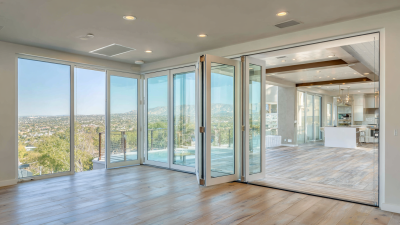
How to Choose the Best Indoor Folding Door for Your Space?
Choosing the right Indoor Folding Door can significantly impact your living space. Experts highlight the importance of both style and functionality. John Smith, an experienced home design consultant, emphasizes, "An Indoor Folding Door should enhance the space while allowing for seamless transitions." His insights point to what many homeowners overlook—the need for a door that matches both aesthetic and practical demands.
When selecting an Indoor Folding Door, consider your lifestyle and the room's purpose. These doors can beautifully separate spaces or open them up. You may find various materials, colors, and configurations, which can be overwhelming. Many users regret not considering long-term use. You want an option that accommodates your changing needs over time, not just your current preferences.
Budget is another crucial factor. High-quality Indoor Folding Doors can vary widely in price. Investing in a trusted brand enhances longevity but may also require a careful evaluation of your finances. Remember, a beautiful door is a visual statement, but it should also function well. Reflect on your choices to ensure they will serve you well in the years ahead.
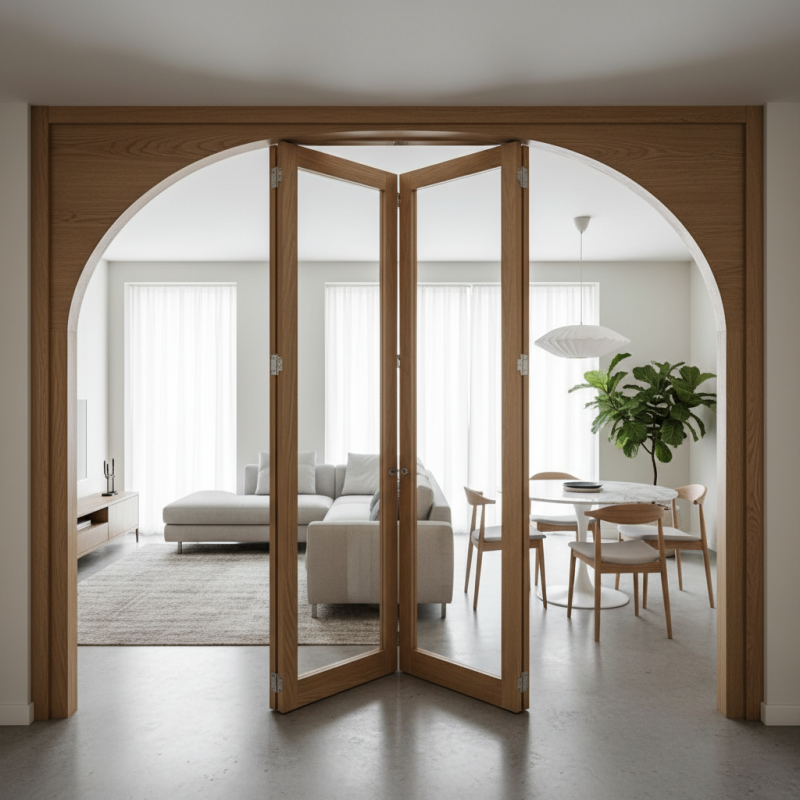
Understanding Different Types of Indoor Folding Doors: A Comparison
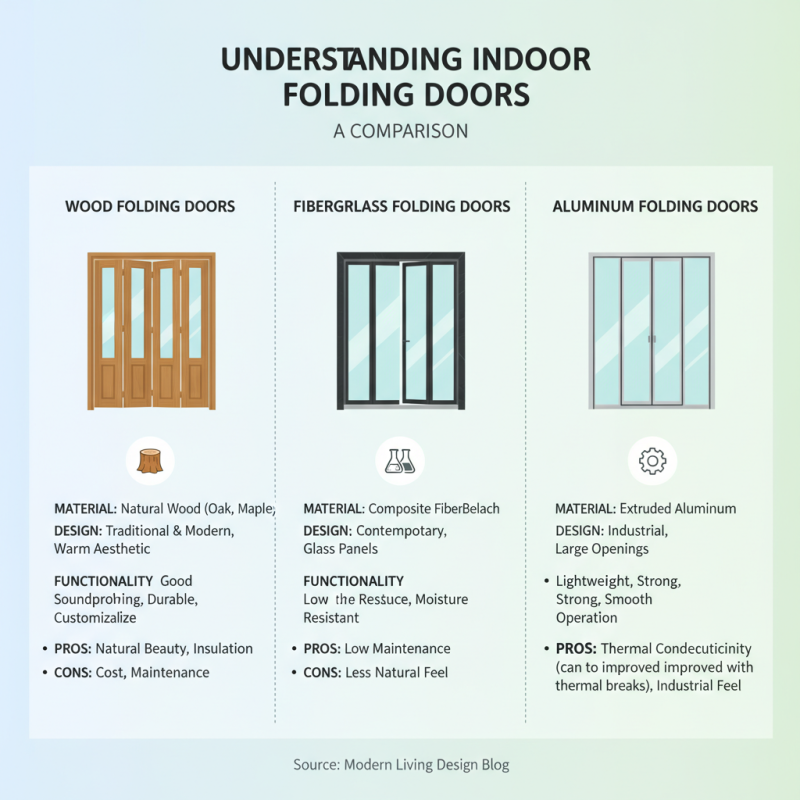
Indoor folding doors are gaining popularity in modern design. They offer space-saving solutions while enhancing aesthetics. Different types of indoor folding doors vary in material, design, and functionality. Some common materials include wood, fiberglass, and aluminum.
According to the Home Improvement Research Institute, wood folding doors tend to be popular for their warmth and natural appeal. However, they can warp and require maintenance. On the other hand, fiberglass doors are durable, less prone to damage, and low-maintenance, making them an excellent choice for busy households. Aluminum doors, while sleek and contemporary, may lack the insulation qualities seen in wood and fiberglass options.
Comfort and flexibility are vital factors to consider. The mechanism used in folding doors can differ greatly. Some doors use a simple bifold track system, while others implement a bi-pass feature for added functionality. Homeowners should think about their specific needs. Will the space require frequent adjustments? Occasionally, household members may struggle with the operation, leading to frustration. Understanding these trade-offs is essential in selecting the right indoor folding door for your home.
Evaluating Material Options for Durability and Aesthetics in Folding Doors
When selecting an indoor folding door, the material choice is crucial for both durability and aesthetics.
Wood, for instance, offers a warm and classic look.
It can create an inviting atmosphere, but it may require regular maintenance. Over time, wood is susceptible to warping and damage from humidity.
This can be a concern in areas with fluctuating temperatures.
On the other hand, metal doors provide a modern touch.
They are often more durable than wood and can resist wear and tear. However, metal may lack warmth, making spaces feel colder.
Some homeowners find that metal options can dent easily, leading to potential maintenance issues.
Consider composite materials for a balance.
These can mimic the look of wood while offering increased durability.
They are often resistant to scratches and fading. Yet, the quality can vary widely across products.
Make sure to research different composite options thoroughly.
It's important to weigh these factors carefully, as the right choice will significantly impact your space in the long run.
Installation Tips: Professional vs. DIY Approaches to Folding Doors
When considering folding doors, installation choices can significantly affect outcomes. Hiring a professional brings expertise and efficiency. Experts have experience and specific skills to ensure doors fit properly. Reports indicate that professionally installed doors reduce risks related to structural issues by over 30%. This means better functionality, durability, and aesthetics.
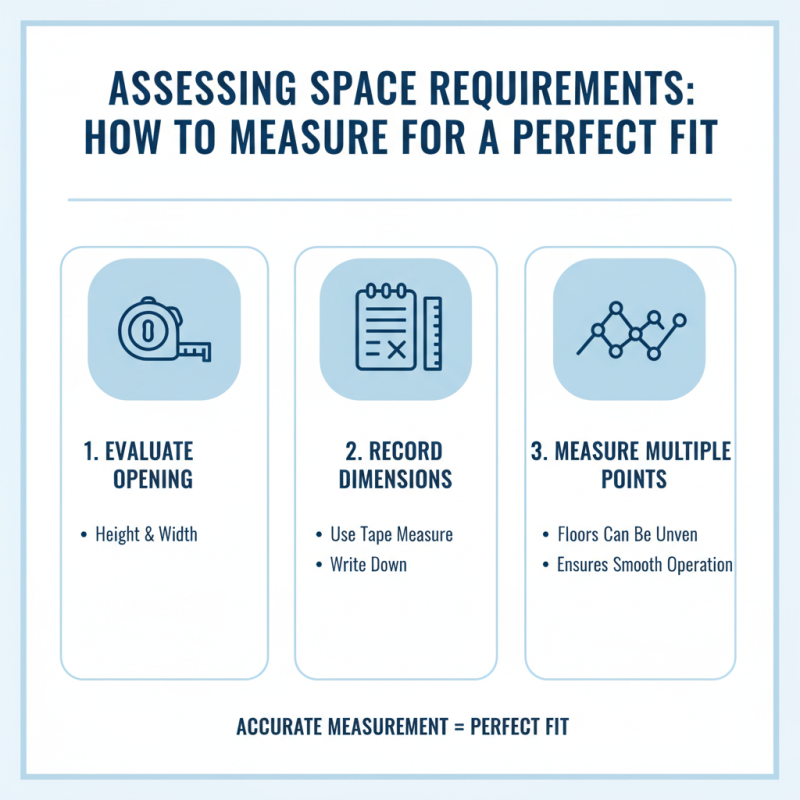
On the other hand, a DIY approach can be cost-effective. It suits the adventurous and those with some handyman skills. However, common issues arise during self-installation. Errors in measurements lead to misalignment, creating gaps. Approximately 20% of DIY projects require professional intervention later. This suggests that while it’s a tempting option, the learning curve can be steep and costly. Choosing the right path requires assessing personal skill levels and the importance of a perfect fit.
Balancing budget and the desire for quality is critical. Consider the time commitment for DIY. Is the effort worth the potential outcome? Investing in professional services can ultimately save stress. Weigh the pros and cons to find the best solution for your indoor space.
Cost Analysis: Budgeting for Quality Indoor Folding Doors and Installation
When budgeting for indoor folding doors, consider both quality and installation costs. According to industry reports, quality folding doors typically range from $300 to $1,500, depending on materials and design. Cheaper options may save money initially, but they often require more frequent replacements or repairs. This can lead to higher long-term expenses.
Installation also significantly impacts your budget. Professional installation can add $200 to $500. This varies based on location, complexity, and contractor experience. DIY installation may seem tempting but can lead to mistakes. Poor installation affects door functionality and durability. Ensure that you have the necessary skills and tools if you choose the DIY route.
Exploring financing options is wise. Many providers offer payment plans that can ease the financial burden. A detailed budget will help you avoid hidden costs. You shouldn’t strictly focus on initial costs. Understand that investing in quality doors and professional installation can enhance your home’s value. Take time to analyze what works best for your space and finances.
Cost Analysis of Indoor Folding Doors