


Top 10 Fold Door Options for Global Buyers in 2026?

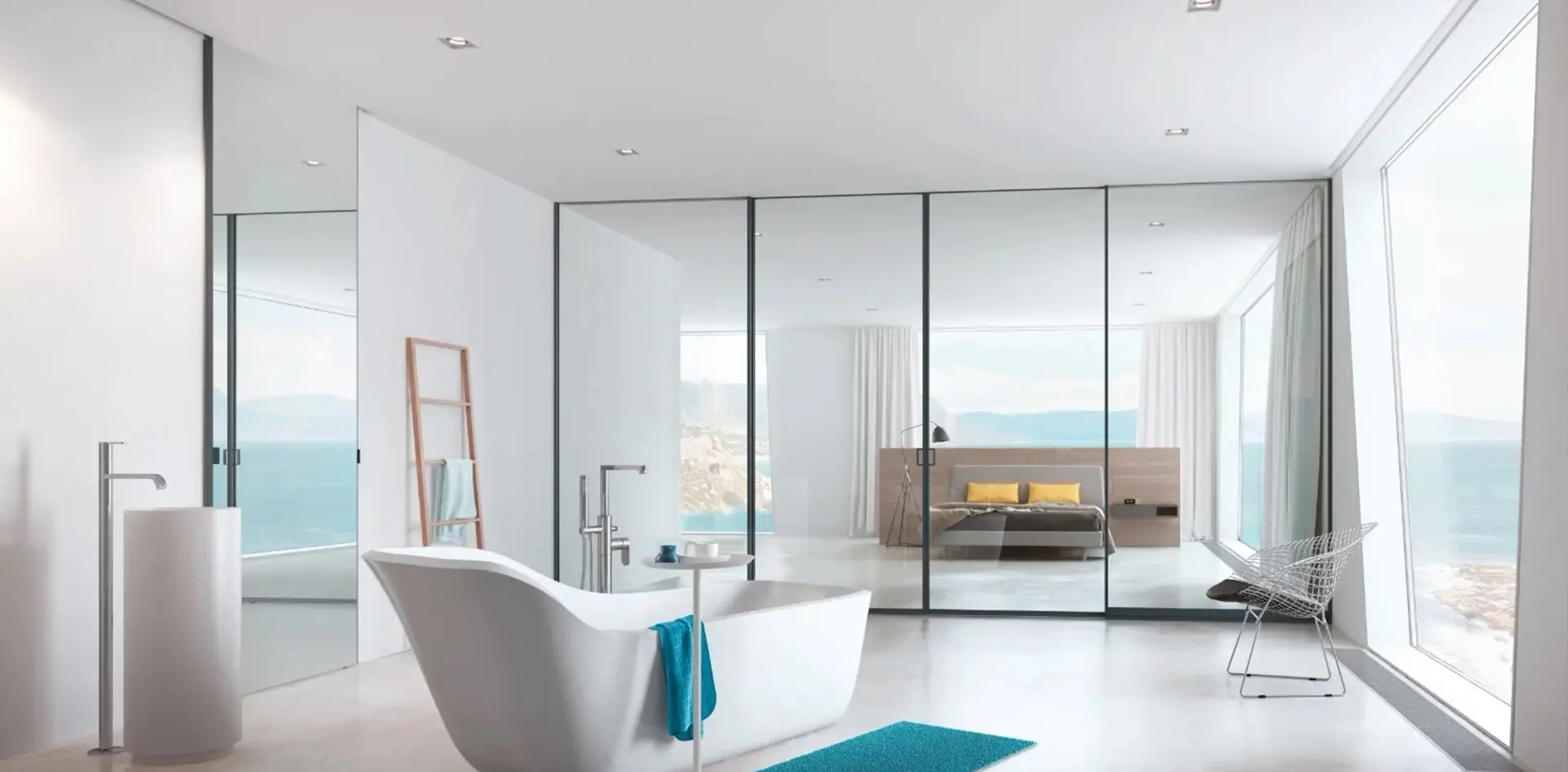
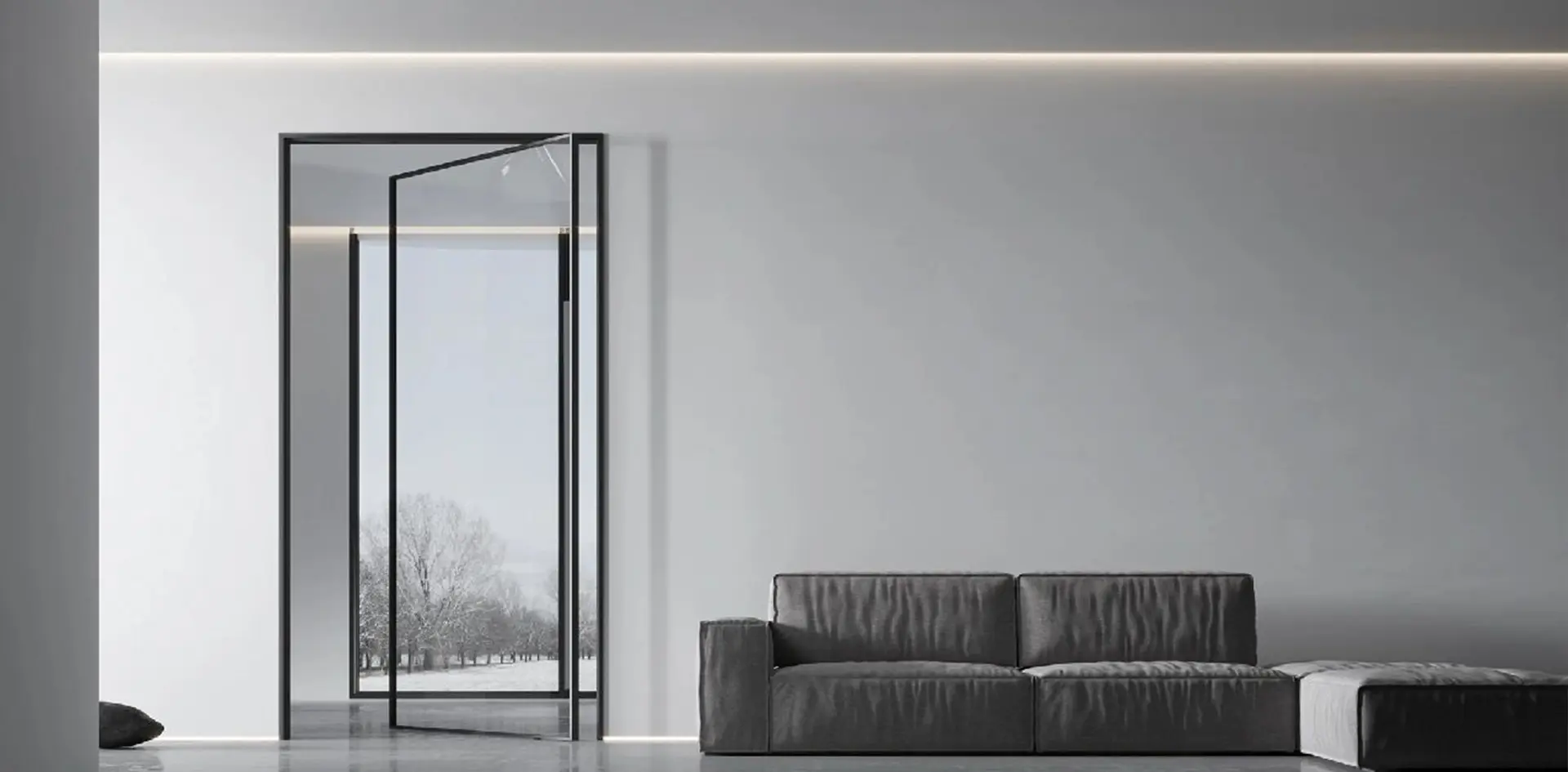
As the demand for versatile living spaces grows, the "Fold Door" market is evolving rapidly. According to a recent report from Global Market Insights, the industry is projected to reach $5 billion by 2026. This significant growth highlights the increasing popularity of fold doors among homeowners and architects alike. With advancements in design and technology, these doors are becoming a preferred choice for modern homes.

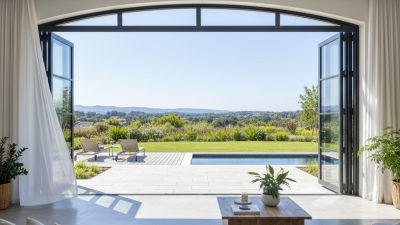
Industry expert, John Desmond, emphasizes the appeal of fold doors: "They seamlessly connect indoor and outdoor spaces." This statement reflects a broader trend where consumers prioritize natural light and openness in their living environments. Notably, fold doors are not just about aesthetics; they also enhance energy efficiency. Reports suggest that using high-quality folding doors can reduce heating and cooling costs by up to 30%.

However, choosing the right fold door can be daunting. Factors like material, style, and installation must be considered carefully. Many buyers overlook these aspects, leading to dissatisfaction. It’s essential for purchasers to reflect on their needs to make informed decisions. Understanding these factors will help buyers enjoy the full benefits of fold doors in their homes.

Top 10 Fold Door Options for Global Buyers in 2026?

Top Trends in Fold Door Designs for 2026

As the fold door market evolves, significant trends are emerging in design and functionality. According to a recent report from the Global Fold Door Association, the demand for energy-efficient doors is projected to increase by 30% in 2026. Buyers are particularly interested in fold doors that enhance thermal insulation and reduce energy consumption. These innovations not only meet sustainability goals but also cater to growing consumer preferences for eco-friendly products.

Another prominent trend is the shift towards customizable designs. Builders and homeowners are opting for bespoke measurements and finishes. A survey found that 45% of customers value personalization in their home features. This reflects a broader desire for unique aesthetics that align with individual styles. However, this customization can lead to longer lead times, which some buyers may find frustrating. Assessing the balance between individuality and practicality is critical in this evolving market.

Additionally, the integration of smart technology in fold doors is gaining traction. Features like automated opening and closing based on weather or time settings are appealing to tech-savvy consumers. Studies estimate that smart home products could dominate 50% of the market share by 2026. Yet, these advanced options may present challenges in maintenance and cost. Buyers must weigh the benefits against potential drawbacks as they navigate their choices in fold door solutions.
Material Innovations in Fold Door Manufacturing

Top 10 Fold Door Options for Global Buyers in 2026?

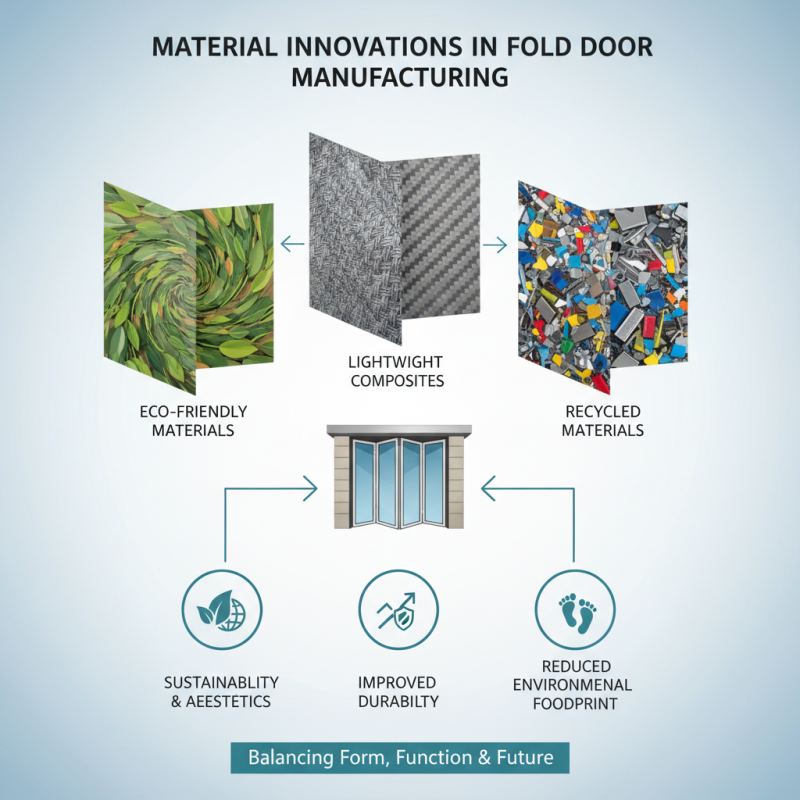
As the demand for fold doors continues to rise, innovations in materials are reshaping their manufacturing process. Modern fold doors must balance aesthetics with functionality. Manufacturers are now exploring eco-friendly materials to appeal to environmentally aware consumers. Lightweight composites and recycled materials are playing a significant role in this shift. These materials not only improve durability but also reduce the overall footprint of the doors.

Another trend is the use of advanced glazing techniques. This involves multi-layered glass that enhances thermal efficiency. Homes benefit from better insulation, reducing energy costs. However, such technologies come with challenges. The manufacturing process can be more complex and costly. Additionally, some consumers may hesitate to adopt these innovations due to higher initial investments.

Customization is also becoming increasingly popular. Buyers seek unique designs that fit their specific needs. This pursuit of personalization pushes manufacturers to experiment with materials. However, balancing custom features with production efficiency remains a struggle. As the industry evolves, reflections on these aspects will be crucial for sustainable growth. The focus may shift towards practicality while maintaining creative expressions in fold door designs.

Sustainability Considerations for Fold Doors in 2026

Sustainability in folding doors is becoming increasingly important. In 2026, buyers will focus more on eco-friendly materials. Choosing responsibly sourced wood or recyclable aluminum can greatly reduce a product's carbon footprint. Sustainable practices are not only beneficial for the environment but can also attract eco-conscious consumers.

Energy efficiency is another key consideration. Fold doors that offer superior insulation will help reduce energy costs. Properly designed, these doors keep the temperature stable, meaning less reliance on heating and cooling systems. However, achieving this efficiency isn't easy. Some products may promise high performance but fall short in real-world conditions.

Maintenance also plays a role in sustainability. Materials that resist wear and tear lead to longer-lasting products, reducing waste over time. Yet, certain finishes require more frequent cleaning, which uses water and chemical cleaners. Buyers must weigh these factors carefully. Making informed choices can lead to better outcomes for both the buyer and the planet.

Market Insights: Consumer Preferences for Fold Doors

Top 10 Fold Door Options for Global Buyers in 2026?

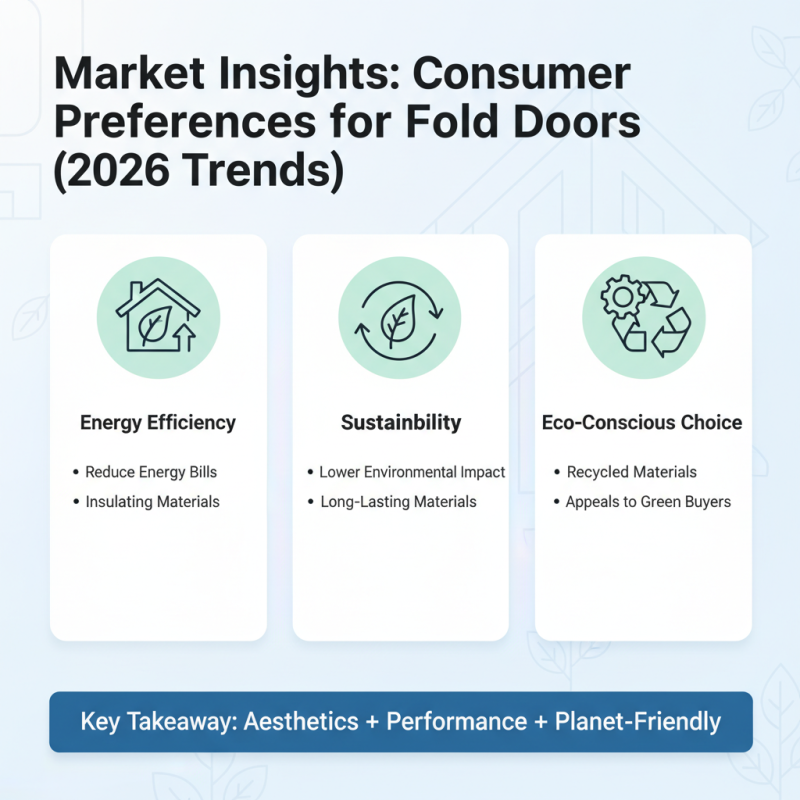
As we look towards 2026, consumer preferences for fold doors are evolving. Buyers increasingly prioritize energy efficiency and sustainability. They seek materials that can reduce energy bills while maintaining aesthetics. This trend reflects a growing awareness of environmental impact. Fold doors made from recycled materials are especially appealing to eco-conscious consumers.

Another notable preference is flexibility in design. Many buyers want custom options that suit their specific home styles. They are interested in varied colors and finishes. This diversity allows for personal expression and unique home environments. However, some consumers express frustration. They find it challenging to navigate the multitude of choices available in the market.

In terms of functionality, people are looking for doors that are easy to operate. Smooth opening mechanisms and reliable locking systems are top priorities. They want to ensure security without sacrificing convenience. Still, not every fold door meets these expectations. Consumers often report issues with installation or durability. Their experiences highlight the need for more reliable products.

Comparative Analysis of Global Fold Door Brands in 2026

In 2026, the fold door market is set for significant changes. Global buyers will explore a variety of options that cater to aesthetics and functionality. The landscape is diverse, with brands offering unique designs and materials. Potential buyers should weigh aspects such as durability, ease of use, and thermal efficiency. An informed choice is crucial.

Some brands excel in innovative technology, while others focus on traditional craftsmanship. These differences impact performance and appeal. For instance, energy efficiency becomes a priority for many consumers. Yet, not all solutions meet rigorous standards. Additionally, cost efficiency is a factor that often requires careful budgeting.

The materials used in fold doors also vary widely. Aluminum, wood, and vinyl are common options. Each has its own pros and cons. Wood offers charm but may require more maintenance. Aluminum offers sleekness but can lose heat. Vinyl presents a cost-effective choice, yet may lack aesthetic appeal. This complexity encourages buyers to conduct thorough research and seek expert advice. Many buyers regret hasty decisions made without proper insight.