How to Choose the Best House Front Doors for Your Home?
Choosing the right house front doors is crucial for any homeowner. Renowned architect Jane Smith emphasizes, "A front door sets the tone for your home." It's not just about aesthetics; it's about security, durability, and welcoming guests.
When selecting house front doors, consider material, style, and functionality. Wooden doors exude warmth. Fiberglass options offer durability. Each choice impacts your home's overall appeal. Remember, the right door can enhance curb appeal and provide essential security.
However, many homeowners overlook the importance of energy efficiency. An insulated door can significantly reduce energy costs. Think about color and design, too. These elements contribute to your home's character. Choosing wisely is essential, as the front door is the face of your home.
Factors to Consider When Choosing Front Doors for Your Home
Choosing the right front door for your home involves several important factors. First, consider the material. Wood offers warmth but requires more maintenance.
Steel provides durability and security, while fiberglass is energy efficient and low maintenance. Each option has its pros and cons. Understanding your climate can help guide your choice too.
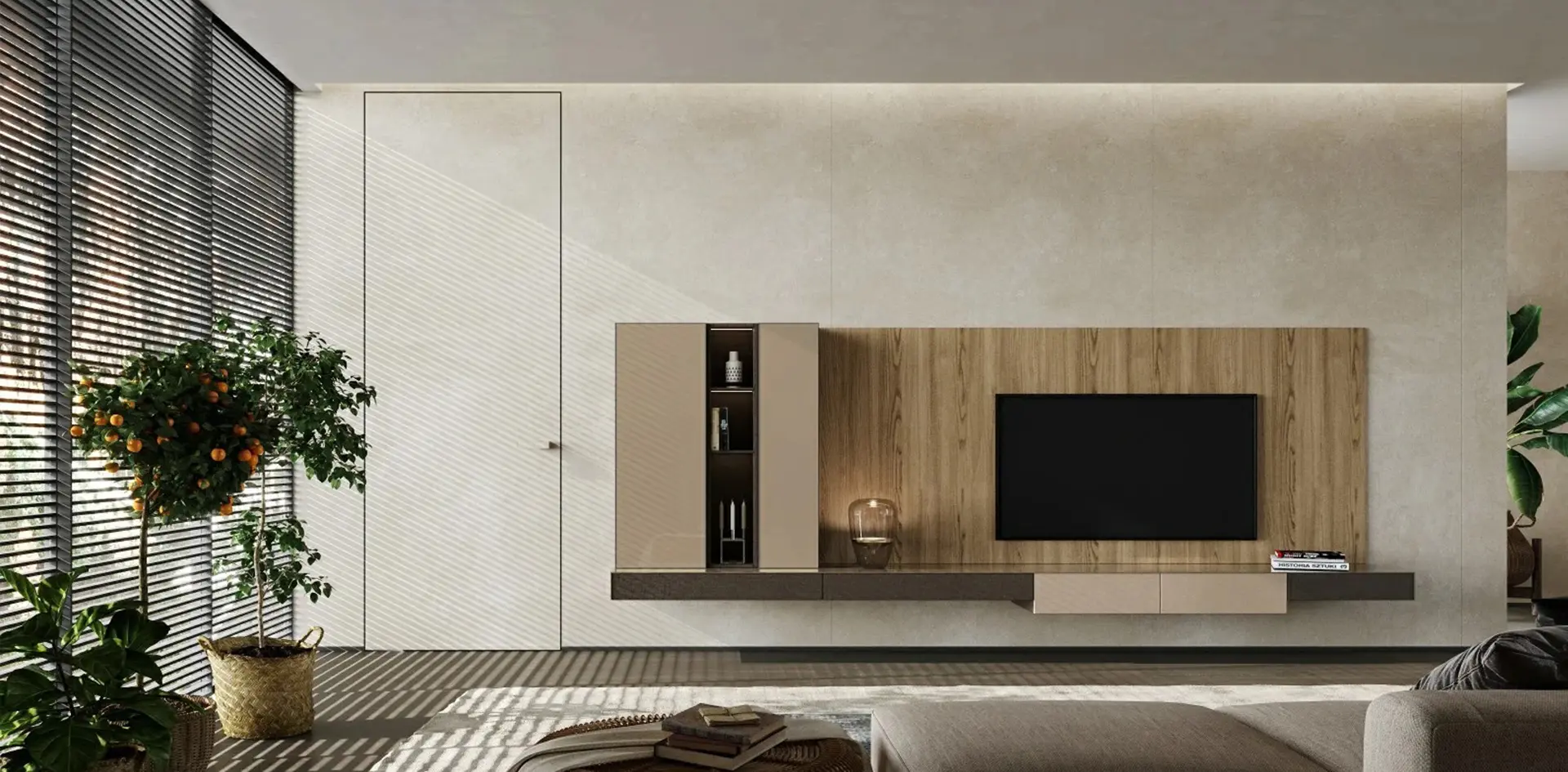
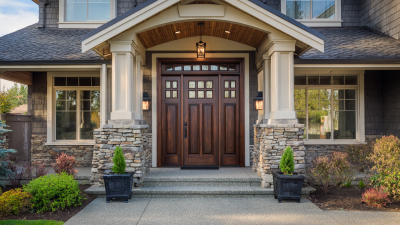
Next, think about the style. A door should complement your home's architecture. Traditional homes often pair well with classic wooden doors. For modern designs, sleek metal or glass options work better. Color also plays a role. A vibrant color can make a statement, but it should harmonize with your exterior.
Security features are crucial in your decision. A sturdy door with reliable locks enhances your home’s safety. Don't overlook the door frame and installation either. Proper fitting ensures protection against the elements. Reflecting on these factors can lead you to a door that meets practical needs while enhancing your home's curb appeal.
Types of Materials for Front Doors and Their Benefits
When choosing front door materials, it's essential to consider durability and aesthetics.
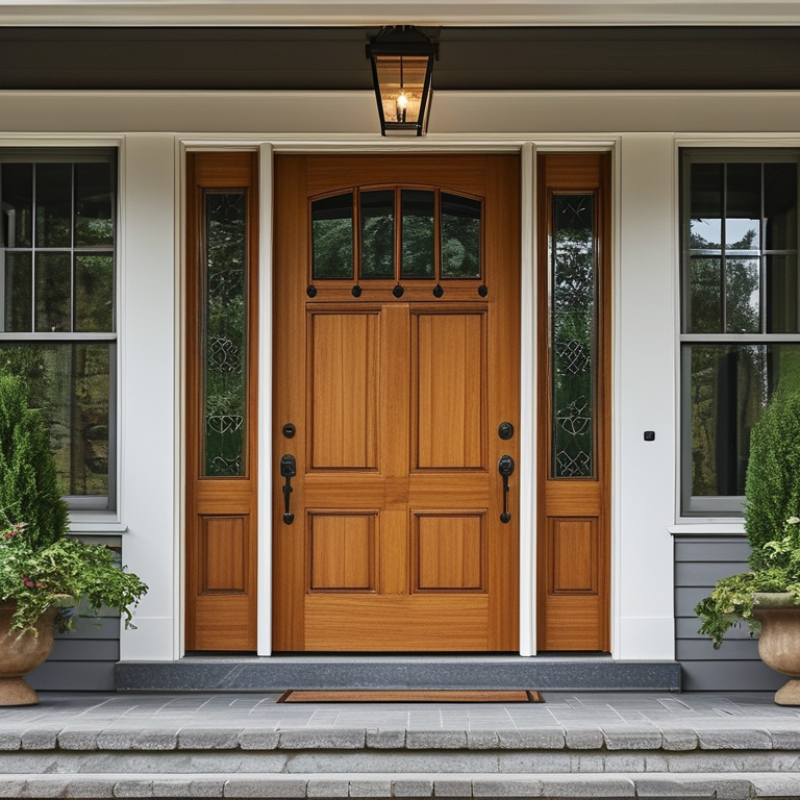
Wood doors offer a classic look and natural beauty. However, they require regular maintenance to prevent warping or rotting. A well-crafted wood door can enhance your home's charm, but think about how much care you’re willing to provide.
Steel doors are another option. They are known for their strength and energy efficiency. These doors often come with a variety of finishes. Steel can resist harsh weather, yet they may dent easily. The balance between security and maintenance is vital in your decision-making.
Fiberglass doors combine durability with minimal upkeep. They replicate the look of wood but don't warp or crack. While they might have a higher initial cost, their longevity pays off. However, some may find them less visually appealing compared to solid wood. Be honest about your style preferences and needs when making your choice. This balance between beauty and practicality should guide you in selecting the best front door for your home.
Styles and Designs of Front Doors to Match Your Home Aesthetic
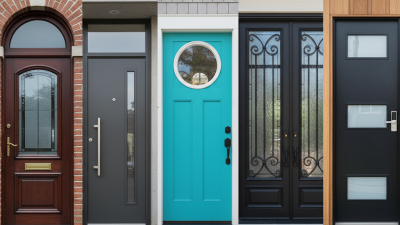
Selecting the right front door is crucial for enhancing your home's aesthetic. Different styles can dramatically change your home's appeal. Traditional wooden doors exude warmth, while modern metal options can add a sleek, industrial touch. Craftsmanship in wood can offer intricate designs, creating a welcoming atmosphere. Alternatively, fiberglass doors may mimic wood but offer better durability against the elements.
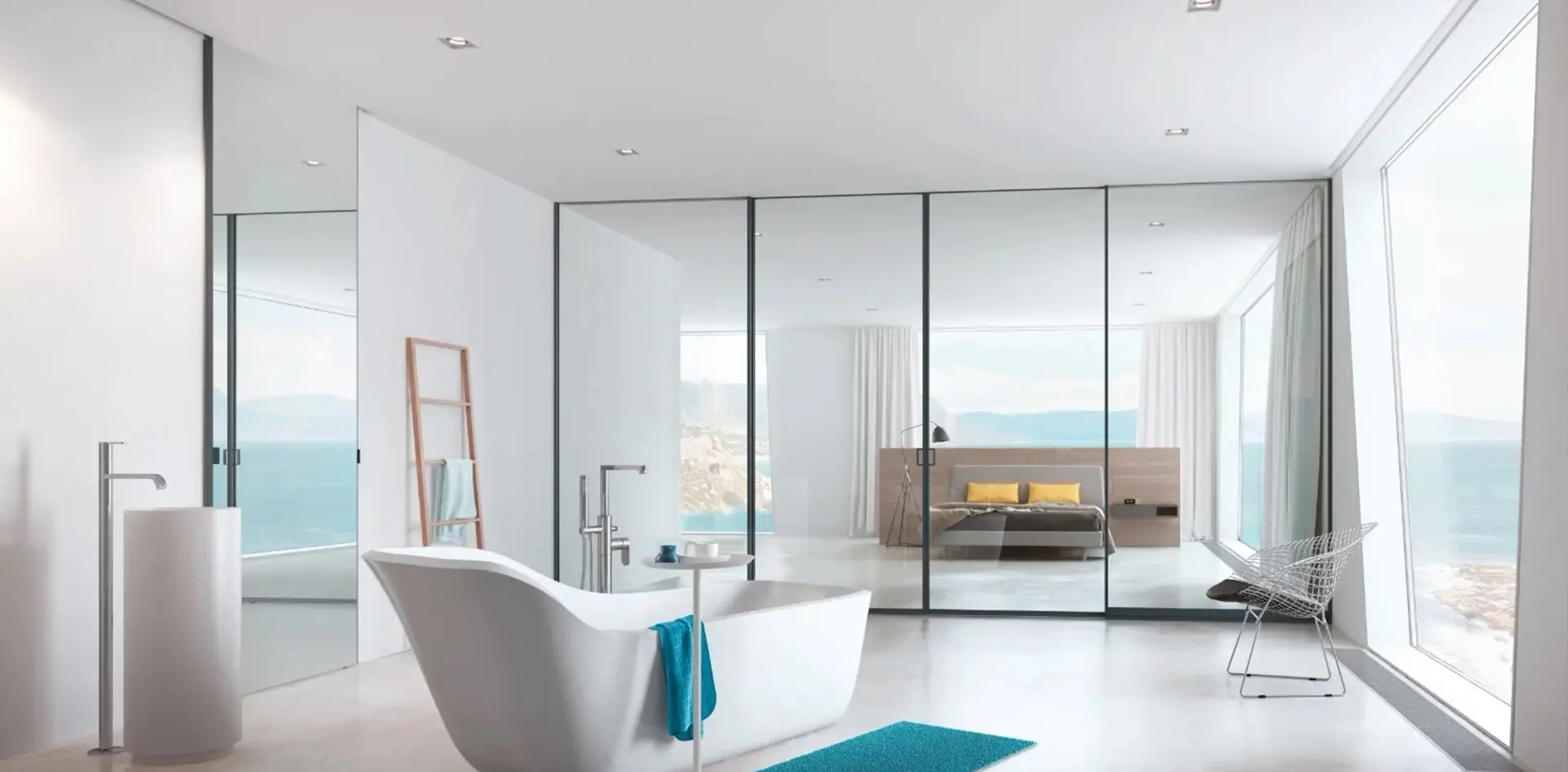
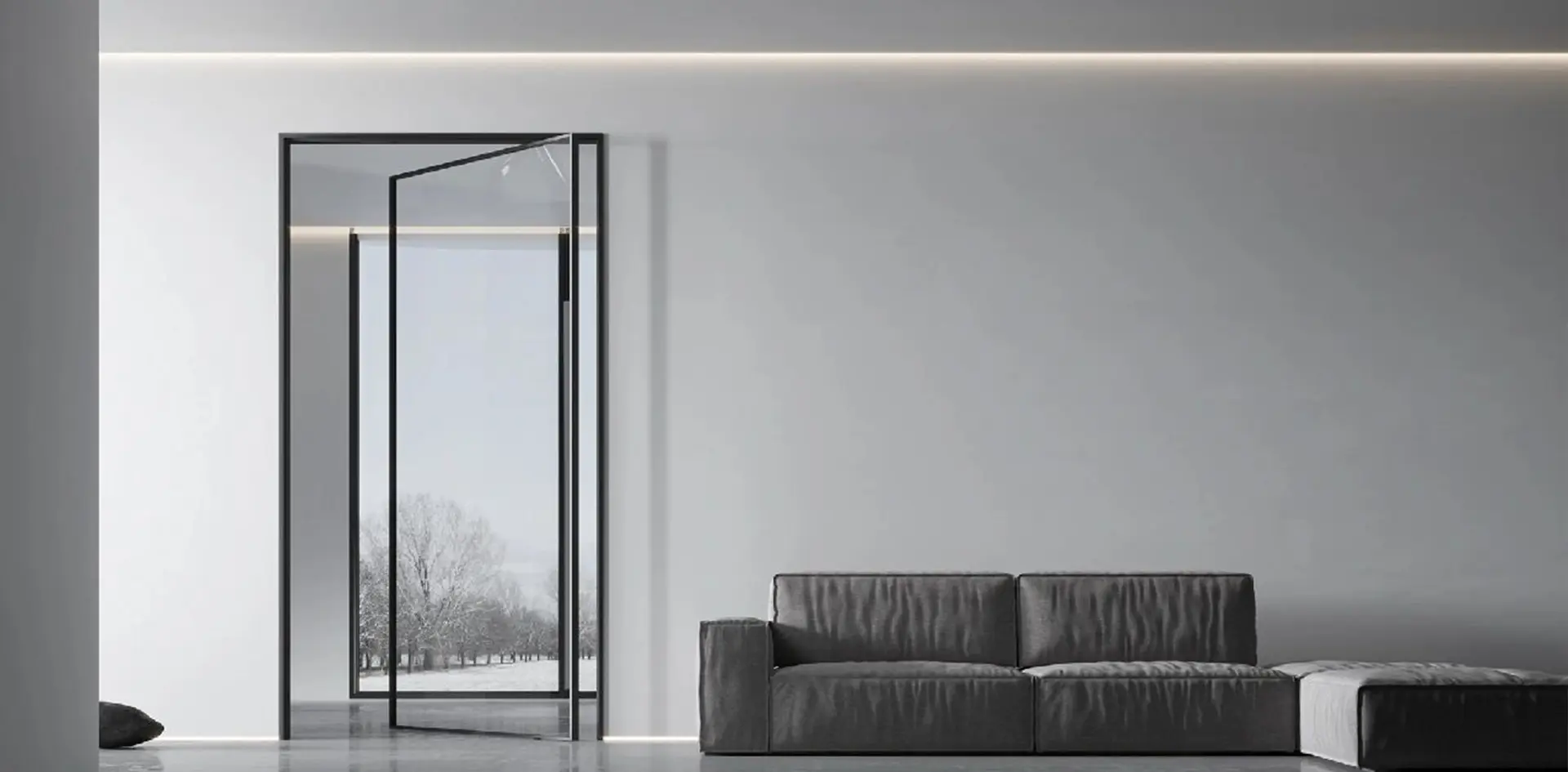
Consider the architectural style of your home. A craftsman-style door complements bungalows beautifully, featuring rich details and natural finishes. For contemporary homes, a minimalist design with glass panels could provide an elegant look. Don't overlook color; a vivid hue can serve as a focal point. Yet, be cautious; an overly bold shade might clash with existing elements.
Reflect on functionality as well. A door should provide security while enhancing curb appeal. Consider additional features like sidelights or transoms, which can bring in natural light. However, adding too many extras may complicate the design. Ultimately, you want a door that reflects personal style while fitting cohesively with your home. Keep exploring options until you find the perfect match.
Energy Efficiency Features in Front Doors: What to Look For
Choosing the right front door for energy efficiency is crucial. A well-insulated door can significantly reduce heating and cooling costs. Look for doors made from materials like fiberglass or steel, as these options typically offer better insulation. Double or triple glazing for glass inserts enhances thermal performance.
Consider the door's rating for energy efficiency. Look for labels that indicate energy performance ratings. These ratings help you understand how well the door can resist heat flow. Aim for a door with a lower U-factor, which indicates better insulation.
Focus also on features like weather stripping. This simple addition can reduce air leaks, preventing energy loss. Check for adjustable thresholds to ensure a tight seal when the door is closed. These small details may seem minor, but they make a significant difference in home comfort and energy savings.
Energy Efficiency Features in Front Doors
Security Considerations for Selecting the Best House Front Door
When choosing a front door for your home, security is paramount. A solid core door made from durable materials can significantly enhance your home’s safety. Look for doors that have multiple locking mechanisms. Deadbolts offer an extra layer of protection. Reinforced frames and impact-resistant glass are also crucial. They reduce the chances of forced entry.
Consider the overall design of your door. Sometimes, beautiful doors may lack in security features. It’s essential to strike a balance. A door can be aesthetically pleasing yet still secure. Test how easy it is to operate the locks. Poorly designed locks can be frustrating, and they may not provide sufficient security. Additionally, think about the door hardware. Quality hinges and locks can prevent tampering.
Research user experiences with different door designs. Understanding the strengths and weaknesses of each option can aid in your choice. Consult professional recommendations for insights. An informed decision often leads to better outcomes. Remember, your front door is more than a barrier; it protects your home and loved ones. Reflect on the safety measures you prioritize and make sure your choice aligns with those values.