How to Choose the Perfect House Front Doors for Your Home?
Choosing the perfect house front doors can significantly impact your home's appearance and security. These doors serve as the main entrance, making them crucial for first impressions. A well-chosen door reflects your style and enhances curb appeal. However, with so many options available, the selection process can feel overwhelming.
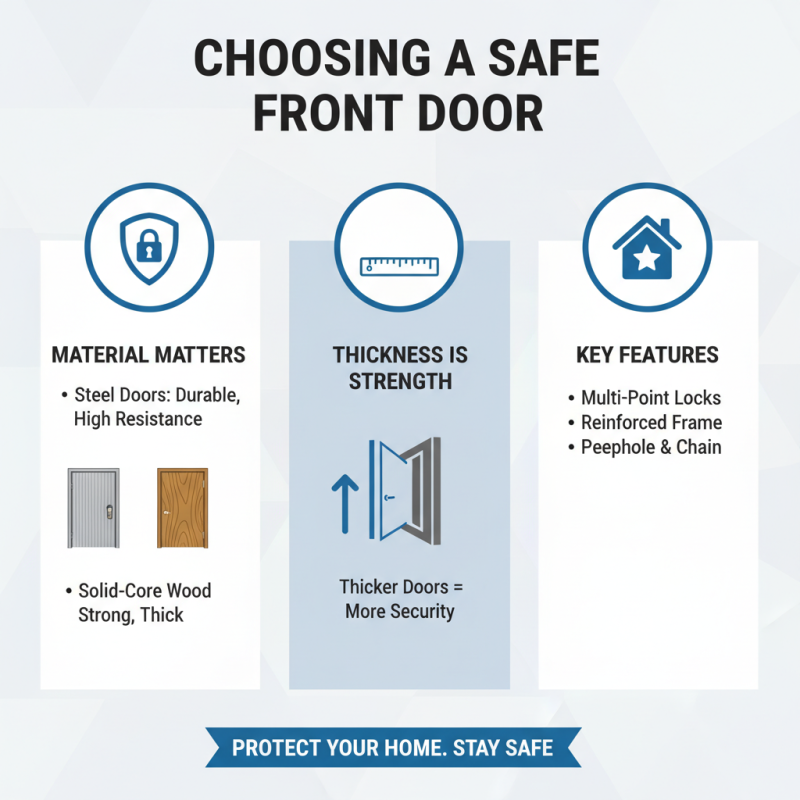
When considering house front doors, you should think about various factors. The material, color, and design should complement your home’s architecture. Steel doors provide strength, while wooden doors offer warmth. Each option has its pros and cons, like maintenance and durability. You'll want to weigh these factors carefully.
Moreover, it's essential to consider the door's functionality. Is protection a priority? Do you desire energy efficiency? Sometimes, aesthetics is chosen over security, which may lead to regrets. Finding the right balance is key. Ultimately, the perfect house front door should seamlessly integrate beauty and functionality for lasting satisfaction.
How to Assess the Architectural Style of Your Home for Front Doors
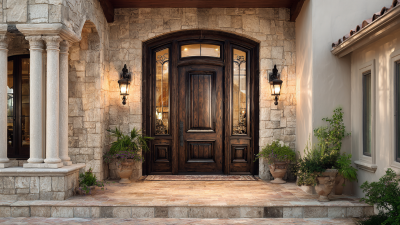
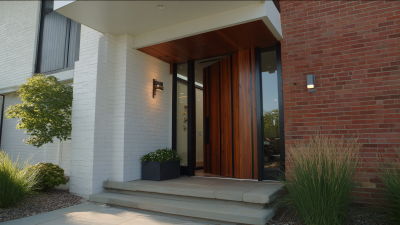
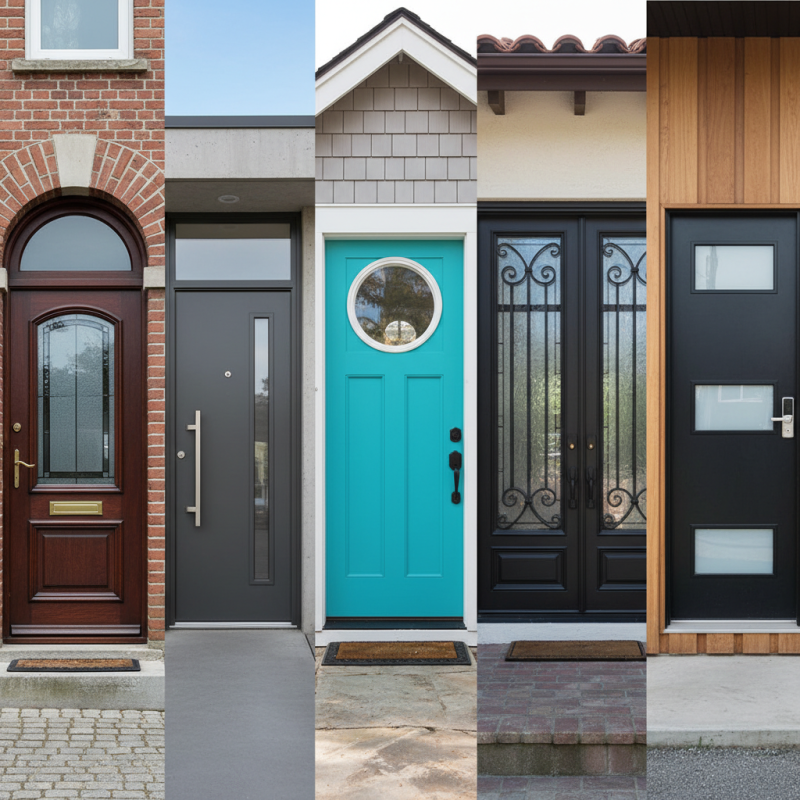
When choosing front doors, it is essential to consider your home's architectural style. Each architectural style has unique characteristics that influence door design. For instance, a rustic cottage often showcases wooden doors with natural finishes. In contrast, modern homes may prefer sleek, minimalist designs. According to a recent report by the National Association of Realtors, over 80% of home buyers believe that the front door significantly impacts their first impression.
Look at your home's exterior elements. Is it traditional, contemporary, or perhaps a blend? For traditional styles, ornamented doors with intricate moldings work well. Homes with a contemporary flair might benefit from bold colors and unconventional shapes. The right door adds curb appeal, potentially increasing property value by 5-10%, as reported by the Home Improvement Research Institute.
It's also vital to reflect on harmony vs. contrast. A door that contrasts too sharply may disrupt the home's overall aesthetic. Consider balance; a door should feel like part of the home. Sometimes, a door can feel too dominating. Strive for a choice that enhances without overwhelming your home's charm.
Understanding Material Options: Wood, Fiberglass, and Steel Front Doors
Choosing the right material for your front door is crucial. The three most common options—wood, fiberglass, and steel—each offer unique benefits and drawbacks. According to the National Association of Home Builders, wood doors provide traditional charm. They offer excellent insulation. However, they may require more maintenance over time. Wood can warp or crack in extreme weather.
Fiberglass doors are a popular alternative. They are highly durable and require very little upkeep. Reports indicate that fiberglass doors can mimic the look of wood while providing greater energy efficiency. They resist dents and scratches better than wood. However, some homeowners might find fiberglass less authentic than real wood.
Steel doors are another option worth considering. They are extremely secure and energy efficient. A report from the Department of Energy states that steel doors can reduce open-air infiltration by up to 15%. While steel doors may not match the aesthetic of wood, they often come in various finishes. Nonetheless, steel is prone to rusting and can be challenging to repaint. Each material has its strengths, reflecting different tastes and needs. Making a choice can be complex, given the varied climates and personal preferences.
Evaluating Aesthetics and Functionality: Door Design Considerations
Choosing the perfect front door involves a careful balance of aesthetics and functionality. The door is often the first impression of your home. It should reflect your style while providing security. Consider the architectural style of your house. A modern glass door may not suit a traditional brick house. Pay attention to colors and materials. Each detail can enhance your home’s curb appeal.
Tips: Think about the climate in your area. Wood doors may warp in humid regions. Metal doors can dent in high-traffic areas. Durability matters. Look for robust materials that will stand the test of time.
Don't overlook the hardware. Handles and locks can add elegance or detract from it. Simple choices may feel too minimal. Ornate designs can seem overwhelming. Aim for a balance that complements the door's design. Custom features can enhance usability but can complicate maintenance. Always test how smoothly the door opens and closes. A sticky door can be frustrating, detracting from its visual appeal.
Cost vs. Value: The Financial Impact of Quality Front Doors on Homes
Choosing the right front door for your home is about more than aesthetics. Quality doors can significantly impact a home's value.
A well-crafted door enhances curb appeal. It creates a welcoming impression. But, it also plays a role in energy efficiency and security.
Investing in a front door may seem costly at first. However, a high-quality door can offer substantial savings over time. It improves insulation, reducing heating and cooling costs. Statistics show homeowners often recoup a large portion of this investment when selling. However, not all doors provide the same value. Budget-friendly options might not last as long. They can wear down faster than more durable selections.
When assessing your choices, consider materials and construction. Solid wood doors offer beauty but can be pricey. Fiberglass doors withstand weather better, offering practicality. Assess your local climate. Think about long-term maintenance. A cheaper door might need repairs sooner, resulting in hidden costs.
Ultimately, select a door that balances quality and cost. The right choice elevates your home and provides financial benefits over time.