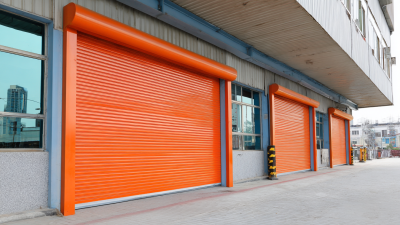





Choosing the right Roll Doors can shape daily workflow, security, and energy use in a warehouse or business. A door that opens quickly may help busy loading bays, while an insulated model can reduce drafts in climate-controlled spaces. Other sites need compact side-room clearance, clear visibility, or dependable operation through frequent cycles. The best fit depends on the building and how people use it. Small details matter.
This guide to the 10 best Roll Doors compares options for different needs, not one universal winner. It considers construction, operation, insulation, safety features, maintenance demands, and the space required for installation. Specifications can vary by model, so check opening dimensions, cycle ratings, wind resistance, and service requirements with the manufacturer or a qualified installer. A strong rating on paper does not guarantee a trouble-free fit. That deserves a second look.
A quiet back-room door may be a poor choice for a high-traffic dock. Likewise, the lowest upfront price can become less appealing if parts or servicing are difficult to obtain. We highlight practical trade-offs and questions worth asking before purchase. Use the comparison as a starting point, then verify details against your site conditions, budget, and operating schedule. The right door should work reliably in the space you actually have—not just look good in a product photo.
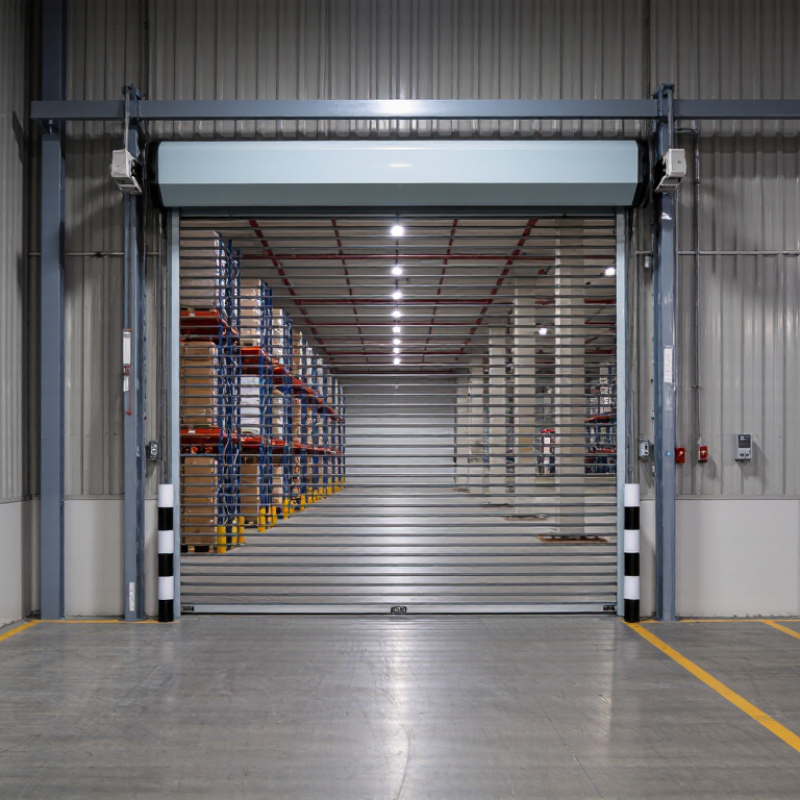
A roll door is a flexible curtain of connected slats that moves vertically across a warehouse opening. When opened, the curtain coils around a barrel above the doorway instead of sliding along ceiling tracks. Side guides keep the slats aligned as they travel. That is the basic motion.
Operation varies by door size and design. Smaller doors may use a hand chain or spring-assisted lift; larger ones often use an electric operator. The spring helps balance the curtain’s weight, while the motor controls its movement. Some systems include sensors that stop or reverse the door if an obstruction is detected. Staff should know which controls apply to their specific door, rather than assume every model works the same way.
The compact coil can leave more ceiling space available for lights, ducts, or storage. But the barrel and guides still need room, and a poorly measured opening can complicate installation. Dust, loose fasteners, or worn components may affect smooth operation over time. Watch for uneven movement, scraping sounds, or a curtain that stops at inconsistent heights. Not magic. Routine inspection matters, though it cannot replace qualified service when a door is damaged or its balance changes.
Warehouse roll doors differ by material, speed, insulation, and security needs. Rolling steel doors suit loading bays and exterior openings where impact resistance matters. Insulated versions add a core between metal skins, helping limit heat transfer. The U.S. Energy Information Administration’s 2018 Commercial Buildings Energy Consumption Survey attributes about 32% of commercial-building energy use to space heating and 10% to cooling. Those figures do not measure door losses, but they show why temperature control deserves attention.
High-speed fabric doors open quickly for busy interior routes, such as forklift lanes between storage and packing areas. Their fast cycles can reduce the time an opening stays exposed, though they are not a substitute for a well-sealed exterior door. Aluminum or steel grilles suit locations where airflow and visibility matter, including some parking or service areas. Trade-offs remain. Grilles provide less insulation and privacy than solid curtains.
Fire-rated rolling doors are designed to close an opening during a fire, while counter shutters cover smaller service windows and counters. Specifications vary, so buyers should confirm opening size, cycle frequency, wind exposure, and required fire rating with a qualified door professional. A detail that is easy to miss: measure the headroom and side clearance before choosing a model. A suitable door can still create awkward traffic flow if its guides or motor interfere with equipment.
When comparing roll doors, match the door to traffic, opening size, and exposure—not just the purchase price. A busy loading bay may need a higher cycle rating and faster opening speed than a small storage room. Check the stated wind-load rating, curtain material, guide strength, and bottom seal. These details matter when gusts push at the opening or dust gathers along the floor. Insulated curtains can help, but ask for the tested thermal performance and air-leakage figures; “insulated” alone says little.
Fit matters. A door that is too slow can interrupt forklift traffic, while an oversized motor may add cost without improving daily operations. Review safety sensors, manual operation, maintenance access, warranty terms, and replacement-part availability. ENERGY STAR’s Guide to Energy-Efficient Heating and Cooling estimates that sealing leaks can save up to 10% on energy bills. That is a whole-building benchmark, not a promise of savings from one door. Still, it highlights why side and bottom seals deserve close attention.
Tips: Ask suppliers for written cycle, wind-load, and air-leakage test results. Compare like with like. Note the opening dimensions and daily cycles before requesting quotes; rough estimates can miss important site conditions. A neat specification sheet is useful, but it cannot replace a site inspection.
For warehouses and businesses, the best roll door depends on traffic, climate, security needs, and available space. Options include insulated steel, standard steel, aluminum, high-speed fabric, flexible rubber, perforated grille, counter shutters, fire-rated doors, wind-rated doors, and reinforced security doors. These serve different openings; they are not interchangeable. Measure the clear opening and headroom, then note forklift traffic, daily cycles, and exposure to wind or rain. Small details matter. A door that opens slowly can interrupt busy loading bays, while a poorly sealed one may let drafts reach work areas.
Energy performance deserves attention, but avoid overpromising savings. The International Energy Agency’s 2023 Buildings report estimates that buildings use about 30% of global final energy and produce 26% of energy-related emissions. Those figures cover buildings broadly, not roll doors specifically. Still, insulated panels and tight perimeter seals can help limit heat transfer and drafts, especially at frequently used openings. For high-cycle sites, compare operating speed, cycle ratings, safety sensors, and service access. Fire-rated or wind-rated models should match the opening’s documented requirements. Ask for test data and installation details, not just a headline rating. A missed point: even a strong door can underperform if tracks collect grit or seals wear unevenly. Check maintenance access before choosing.
| Roll Door Type | Best Suited For | Typical Construction | Common Operation | Main Advantages | Selection Checks |
|---|---|---|---|---|---|
| Insulated steel rolling door | Warehouses, workshops, and loading areas where reducing heat transfer is important | Interlocking steel curtain slats; insulated versions commonly use foam-filled or double-wall slats | Usually motorized on larger openings; manual options are available for some sizes | Combines a compact rolling design with better thermal performance than a single-skin curtain | Compare insulation values, side and bottom seals, opening size, and the door’s tested wind-load rating |
| Standard steel rolling door | General-purpose warehouse and commercial openings | Interlocking steel slats, often galvanized or coated for corrosion protection | Manual chain or spring-assisted operation on some doors; motor operation is common for frequent use | Durable, space-saving construction with a wide range of sizes and configurations | Check corrosion exposure, cycle requirements, safety devices, and the opening’s wind-load requirements |
| Aluminum rolling door | Retail, service, and commercial openings where lower curtain weight is useful | Interlocking aluminum slats; finish and slat profile vary by application | Manual or motorized, depending on opening size and frequency of use | Lighter than many steel curtains and naturally resistant to rust | Confirm security needs, finish suitability, slat strength, and exposure to impacts or severe weather |
| Rolling grille door | Shopping centers, parking facilities, and interior separations where visibility and airflow are desired | Open-pattern curtain made from linked metal rods or grille sections | Manual or motorized | Allows visibility and ventilation while creating a physical barrier when closed | Open grilles do not provide the privacy, weather sealing, or thermal separation of a solid curtain |
| Fire-rated rolling door | Building openings where a code-compliant fire separation is required | Fire-tested rolling curtain and hardware supplied as a listed assembly | Typically arranged to close automatically when activated by the specified fire-protection system | Can help maintain a fire barrier when correctly specified, installed, and maintained | Match the tested rating and installation details to local codes; follow required inspection and testing schedules |
| High-speed fabric roll-up door | Busy logistics, food-processing, and manufacturing areas with frequent traffic | Flexible fabric curtain, commonly PVC-coated, with tracks and a powered drive | Motorized; designed for frequent cycling and faster movement than many conventional rolling doors | Helps manage workflow and limit the time an opening remains exposed | Check cycle rating, fabric suitability for the environment, safety sensors, and wind limitations |
| Perforated rolling door | Retail and commercial spaces needing partial visibility or airflow through a closed opening | Metal curtain with regularly spaced perforations or openings | Manual or motorized | Provides a more open appearance than a solid curtain while still forming a barrier | Perforations reduce privacy and may affect security, weather resistance, and light control |
| Service-counter rolling shutter | Concession counters, reception windows, and compact interior service openings | Compact interlocking metal slats sized for smaller openings | Often manual; motorized options are available for larger or frequently used openings | Closes a service opening without requiring a swinging door or floor space | Measure the clear opening and headroom; select a finish and locking arrangement suited to the location |
| Weather-sealed rolling door | Exterior openings exposed to rain, dust, or drafts | Steel or aluminum curtain with compatible guide, bottom, and perimeter sealing components | Manual or motorized | Sealing components can help reduce the passage of dust, drafts, and wind-driven rain | Confirm the specified weather performance; a rolling door is not automatically airtight or watertight |
| Heavy-duty rolling steel door | Industrial facilities and large openings requiring a robust metal curtain | Heavier-gauge steel slats and reinforced components, selected according to the opening and site conditions | Usually motorized on large or high-use openings | Designed for demanding applications when properly sized and installed | Verify wind-load design, duty cycle, impact exposure, mounting structure, and maintenance access |
Door performance varies by size, configuration, installation, and manufacturer specifications. Confirm applicable building codes, fire ratings, wind-load requirements, and site conditions before selecting a door.
Choosing a roll door starts with the opening, traffic, and environment. Measure the clear width and height, then note ceiling space, nearby equipment, and how often forklifts pass. A busy loading bay may need a faster, more durable door; a dusty workshop may need better perimeter sealing. Consider insulation, wind exposure, visibility, and manual release access, too. The right choice is not always the most expensive one.
The U.S. Energy Information Administration’s 2018 Commercial Buildings Energy Consumption Survey found that space heating accounted for about 32% of commercial building energy use. That is not a door-specific savings estimate, but it shows why drafts and poor seals deserve attention. Check the bottom bar, side guides, curtain, and photoelectric sensors on a regular schedule. DASMA’s technical guidance also supports planned inspection and maintenance of rolling doors. Small details matter. Listen for scraping or uneven movement, and stop using a door that drops, binds, or reverses unpredictably until it has been assessed. Keep the track clear, but do not force a misaligned curtain back into place. Maintenance can feel easy to postpone. That is often the weak point. Record recurring faults and service dates; the pattern may reveal wear before a sudden failure.
This example schedule translates routine intervals into planned checks per year: weekly visual checks, monthly safety-device tests, quarterly hardware inspections, and annual professional service. Actual intervals depend on the door, usage, manufacturer guidance, and applicable safety requirements.