
7 Best Fold Doors for Global Buyers in 2026

Choosing the right Fold Door in 2026 involves more than comparing photographs and price tags. Global buyers must examine climate, opening size, glass performance, hardware quality, installation support, and long-term maintenance. A beautiful system can still disappoint when salt air damages rollers, tropical rain enters weak seals, or winter temperatures expose poor insulation.

Elena Marquez, an architectural opening consultant with over two decades of project experience, explains, “A folding door should move effortlessly, seal reliably, and suit the building’s daily rhythm.” That practical standard guides this review of the 7 Best Fold Doors for Global Buyers in 2026. Each option is considered through real purchasing concerns, including aluminum strength, panel weight, threshold design, security features, customization, warranty clarity, and international shipping readiness. Some models excel in luxury residences. Others suit restaurants, resorts, or compact commercial spaces.

Performance matters more than showroom drama.

Buyers should also question vague claims. “Weatherproof” may describe one test condition, not every coastline or monsoon region. A low threshold may improve accessibility, yet it can require better drainage design. Larger panels create wider views, but they may demand stronger hardware and careful installation. These trade-offs are easy to overlook. They should not be.

This guide offers a balanced starting point, not a universal verdict. Local building requirements, wall structure, exposure, and installer skill can change the final choice. Even the best Fold Door can underperform when installation is rushed. That uncomfortable detail deserves attention.
7 Best Fold Doors for Global Buyers in 2026

Fold Door Types and Their Key Features for Global Buyers

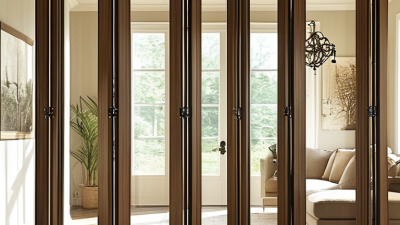
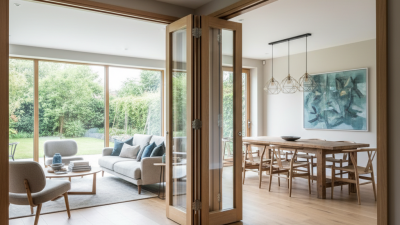
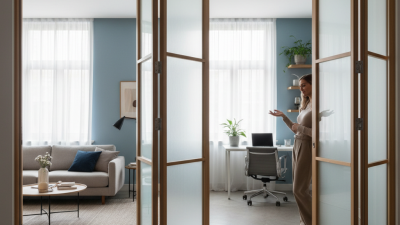
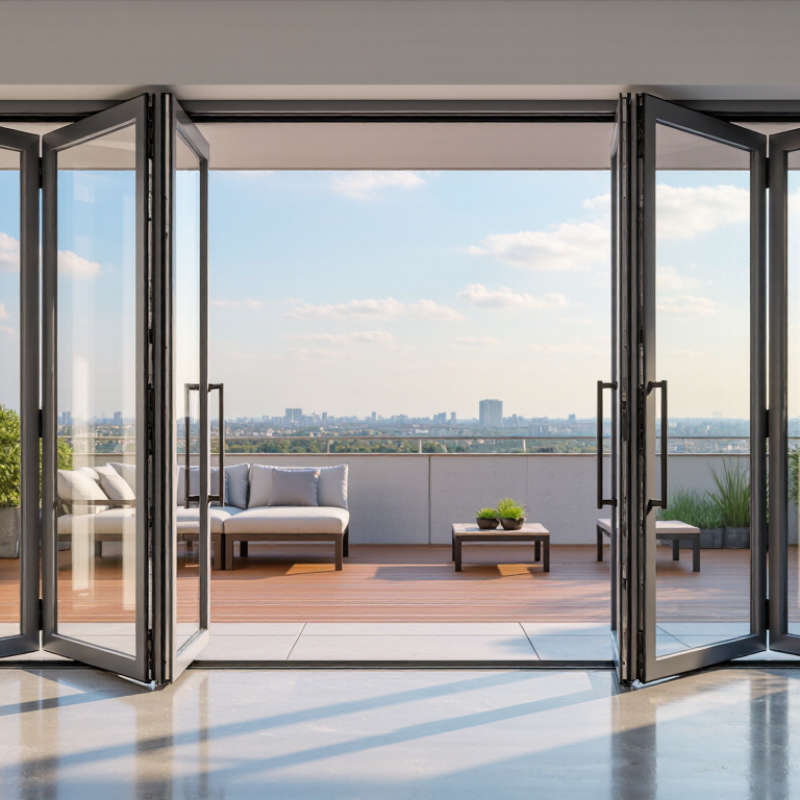
Choosing the right fold door depends on climate, opening size, traffic, and maintenance expectations. Bi-fold doors use hinged panels that stack neatly beside the frame. They suit patios and cafés where a wide opening matters. Tri-fold doors create shorter stacking zones and often feel more stable in compact rooms. Accordion doors use many narrow panels, offering flexible separation for offices, shops, and event spaces. Their rollers need regular cleaning, especially in dusty regions.

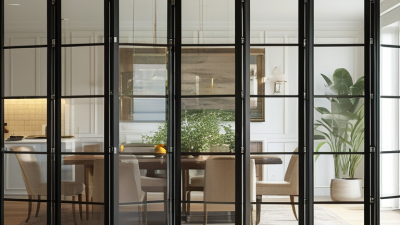
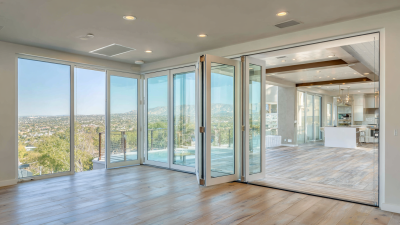
Sliding-fold doors combine sliding movement with hinged panels. They reduce the force needed for large openings, but their upper tracks require accurate installation. Multi-track folding doors can cover expansive glass walls and provide strong daylight access. They need a sturdy header and careful water drainage. Frameless folding doors offer a clean appearance and minimal visual obstruction. However, they may provide less thermal performance than insulated framed systems. Folding security doors use reinforced panels and dependable locking points for commercial entrances. Their added weight can make daily operation harder.

Space changes everything. Global buyers should compare panel weight, hardware quality, glazing performance, corrosion resistance, and spare-part access. Coastal projects need protective finishes and stainless components. Cold regions should examine seals, thermal breaks, and condensation control. Installation quality often matters as much as the door itself. A beautiful system can fail when the floor is uneven or the opening was measured poorly. Product testing, warranty terms, local service, and compliance documents deserve careful review. Some advertised benefits sound impressive, yet real performance can vary with weather and workmanship. Practical site checks remain essential.

7 Best Fold Doors for Global Buyers in 2026

This comparison uses indicative 1–5 ratings based on common design characteristics of each fold-door type. Space efficiency measures how little interior or exterior clearance is required, opening width reflects the potential for a wide clear passage, weather sealing indicates resistance to air and water infiltration, and accessibility reflects ease of everyday entry.

How to Evaluate Fold Doors for Performance, Design, and Value

Choosing among the seven best fold doors in 2026 requires more than comparing photographs. Start with performance. Check the door’s air, water, wind, and thermal test data. Ask which testing standard was used. Results without a standard are difficult to compare. Measure twice. A small opening error can create binding, drafts, or uneven panels.

The frame should match the building’s climate and structure. Thermal breaks can reduce heat transfer, while laminated or insulated glass improves comfort near large openings. Inspect the drainage path, seals, hinges, and rollers. They should feel solid, move quietly, and remain accessible for maintenance. Request cycle-test information and replacement-part availability. A beautiful door becomes expensive when one small wheel stops moving.

Design affects daily use. Count the panels, confirm the stacking direction, and check the clear opening after folding. Low thresholds help movement, but they may need careful water management. Hardware finishes should suit coastal air, strong sunlight, or frequent rain. Value is not the lowest invoice. Include installation, delivery, adjustments, glass upgrades, and long-term servicing. I have seen buyers focus on slim frames and overlook handle comfort. That choice can feel wrong every day. Performance claims also deserve healthy skepticism. Ask for drawings, test reports, and a written warranty before paying a deposit. Local installers can reveal practical issues that brochures rarely mention.

7 Best Fold Doors for Global Buyers in 2026 - How to Evaluate Fold Doors for Performance, Design, and Value

Rank Fold Door Type Recommended Use Typical Frame & Glass Common Panel Configuration Typical Thermal Performance Typical Acoustic Performance Weather & Durability Considerations Indicative Value Level Key Evaluation Point
1 Thermally Broken Aluminum Folding Door Large exterior openings, modern homes, restaurants, and commercial spaces Powder-coated or anodized aluminum; double or triple insulated safety glass, usually 24–44 mm overall glazing thickness 3–8 panels; inward- or outward-opening; top-hung or bottom-rolling systems Approx. U-value: 1.3–2.0 W/m²K Approx. 28–38 dB Rw Good resistance to moisture, ultraviolet exposure, and dimensional movement when correctly finished; check drainage and coastal corrosion protection Mid to premium Confirm thermal breaks, air tightness, water tightness, hardware load rating, and local wind-load compliance
2 Timber-Aluminum Composite Folding Door High-end residential projects that require natural interior finishes and exterior protection Engineered timber interior with aluminum exterior cladding; insulated low-emissivity glazing 2–6 panels; commonly configured as a multi-panel wall opening Approx. U-value: 0.9–1.5 W/m²K Approx. 32–42 dB Rw Excellent insulation potential; the exterior cladding reduces direct weather exposure, while interior timber requires stable humidity control Premium Evaluate timber species, moisture content, finish warranty, glazing spacer type, and long-term seal replacement access
3 uPVC Folding Door Value-focused residential renovations and moderate-size patio openings Multi-chamber uPVC profiles with reinforced sections; double or triple insulated glazing 2–5 panels; generally suited to lighter and medium-size openings Approx. U-value: 1.1–1.7 W/m²K Approx. 30–40 dB Rw Low maintenance and good insulation; expansion, reinforcement quality, and color stability are important in hot climates Economy to mid-range Check steel or composite reinforcement, sash weight limits, profile certification, and suitability for strong solar exposure
4 All-Timber Folding Door Traditional homes, hospitality interiors, and projects prioritizing natural materials Engineered or laminated timber frames with insulated glazing; common species include treated softwood, hardwood, or modified timber 2–6 panels; available with raised thresholds or flush interior transitions Approx. U-value: 1.0–1.7 W/m²K Approx. 30–40 dB Rw Strong thermal and visual performance; requires regular coating inspection and careful protection from standing water Mid to premium Assess moisture protection, coating maintenance interval, timber movement allowance, and threshold detailing
5 Minimal-Frame Folding Glass Door Design-led interiors, sheltered balconies, retail spaces, and uninterrupted views Slim aluminum or steel profiles with toughened or laminated safety glass; insulated glazing is optional depending on the system 3–10 panels; often used for wide openings with narrow sightlines Approx. U-value: 1.6–2.8 W/m²K Approx. 26–36 dB Rw Excellent daylight and visual openness; smaller frames can reduce thermal and acoustic performance if sealing and glazing are limited Mid to premium Do not judge by sightline alone; verify glass build-up, gasket continuity, drainage, safety classification, and solar-control options
6 Interior Room-Divider Folding Door Bedrooms, meeting rooms, home offices, retail displays, and flexible space planning Timber, engineered board, aluminum, or lightweight composite panels; single glazing or opaque panels are common 2–8 panels; top-hung systems are common because they reduce floor track requirements Approx. U-value: 1.8–3.0 W/m²K Approx. 20–32 dB Rw Usually not designed for external weather exposure; prioritize smooth operation, finger-safe gaps, and track durability Economy to mid-range Measure the finished opening precisely and confirm panel stacking space, floor tolerance, privacy level, and soft-close compatibility
7 Heavy-Duty Multi-Track Folding Door Very wide commercial openings, event venues, hospitality projects, and high-traffic applications Reinforced aluminum or steel framing with insulated laminated or tempered glazing; engineered rollers and multi-point locking 5–12 panels; multi-track stacking can divide panels into one or both sides of the opening Approx. U-value: 1.2–2.0 W/m²K Approx. 32–42 dB Rw Designed for frequent operation and larger panel weights; structural support, drainage, threshold design, and hardware servicing are critical Premium Verify tested cycle performance, maximum panel dimensions, roller replacement method, structural deflection limits, and installation tolerances

Performance figures are indicative ranges for comparable folding-door systems, not guarantees for a specific product. Final results depend on frame size, glazing configuration, seals, installation quality, local climate, and applicable regional standards. Buyers should request independently tested U-values, air permeability, water tightness, wind-load, acoustic, and operating-cycle documentation before purchase.

Seven Leading Fold Door Options for International Markets in 2026

Seven Leading Fold Door Options for International Markets in 2026

International buyers now expect fold doors to combine daylight, ventilation, security, and reliable movement. Seven leading options deserve attention: thermally broken aluminum bifold doors, standard aluminum systems, uPVC folding doors, engineered timber doors, steel-look doors, frameless glass doors, and flexible accordion-style doors. Each suits different climates, budgets, and building purposes.

Thermally broken aluminum performs well in hot and cold regions, especially with insulated glass. Standard aluminum offers slimmer costs, but may transfer more heat. uPVC resists moisture and needs limited maintenance. Engineered timber creates warmth, although coatings require regular inspection.

Steel-look designs provide a strong architectural appearance, while frameless glass maximizes views but demands careful cleaning. Accordion-style systems work for wide openings, though their acoustic performance may disappoint some buyers.

Tips: Request air, water, wind, and cycle-test results before ordering. Check roller quality, gasket replacement, drainage, and threshold height. Coastal projects need corrosion-resistant finishes. Export packaging should protect corners and moving hardware. Confirm local installation rules with a qualified professional.

A sample door should be opened repeatedly before purchase. Small alignment problems become expensive overseas. I would not choose appearance alone. Thermal values, spare parts, delivery damage procedures, and installer training often matter more. Some specifications look impressive, yet performance can vary after installation. Review independent test documents and compare the complete installed cost, not only the factory quotation.

Best Fold Doors by Climate, Building Type, and Installation Needs

7 Best Fold Doors for Global Buyers in 2026

Best Fold Doors by Climate, Building Type, and Installation Needs

Start with the climate. In hot, sunny regions, thermally broken aluminum frames and low-E glazing reduce heat gain. Coastal projects need corrosion-resistant finishes, stainless hardware, and careful drainage. In cold areas, insulated panels, tight gaskets, and warm-edge glazing help prevent drafts and interior condensation. Humid climates require mold-resistant seals and ventilation around the frame. These features sound technical, but they affect comfort every day.

For homes, slim aluminum folding doors suit patios, kitchens, and wide garden openings. Timber folding doors offer warmth and natural texture, though they demand regular coating inspections. For apartments, lighter uPVC systems can reduce maintenance, but their frame strength may limit very large panels. Commercial spaces often need heavy-duty folding doors with stronger rollers and frequent-cycle testing. Schools and clinics may benefit from acoustic glazing and safer finger protection. High-wind buildings need tested locking points and suitable glass.

Installation changes the result. A level threshold supports smoother movement, while poor floor preparation can make panels drag within months. Measure twice. Small gaps matter. Experienced installers should verify wall structure, drainage paths, opening direction, and local performance requirements before ordering. I have seen attractive doors fail because the frame was fitted before the finished floor height was confirmed. That mistake is easy to avoid, yet often overlooked. Cleaning schedules, replacement seals, and access for future adjustment should also be discussed before installation.

Global Buying Factors: Materials, Standards, Costs, and After-Sales Support

7 Best Fold Doors for Global Buyers in 2026

Global buyers should compare more than appearance when choosing folding doors. The seven practical choices include thermally broken aluminum, standard aluminum, uPVC, timber, aluminum-clad timber, steel, and frameless glass systems. Aluminum suits humid areas and large openings. Timber feels warmer, but it needs regular sealing. uPVC can reduce cost, yet color stability varies under intense sunlight. Steel offers strength, although corrosion protection must be verified.

Ask for material certificates, glass specifications, air-tightness results, and water-resistance test reports. Standards differ between markets, so one certificate may not satisfy every local requirement. Confirm thermal ratings, wind-load calculations, safety glazing, and hardware durability. A low quotation can hide packaging, duties, installation, and replacement-part costs. Compare the landed cost, not only the factory price. A perfect door does not exist.

Tips: Request a full-size corner sample when possible. Test the rollers by opening the panels repeatedly. Check whether spare rollers, handles, seals, and locks remain available for several years. After-sales support should include installation guidance, clear warranty terms, response times, and technical drawings. Written communication matters when buyers and factories work across time zones. I have seen attractive projects weaken because spare hardware was never discussed. That mistake is avoidable. Also inspect drainage details before ordering; small channels often decide whether heavy rain becomes a maintenance problem.