How to Effectively Utilize Access Panels for Market Research?
Access panels have become a vital tool in modern market research. As John Doe, a leading expert in the access panel industry, once stated, "Access panels provide insights that are hard to find elsewhere." This statement highlights the unique value these panels offer. They connect researchers with targeted audiences, enabling effective data collection.
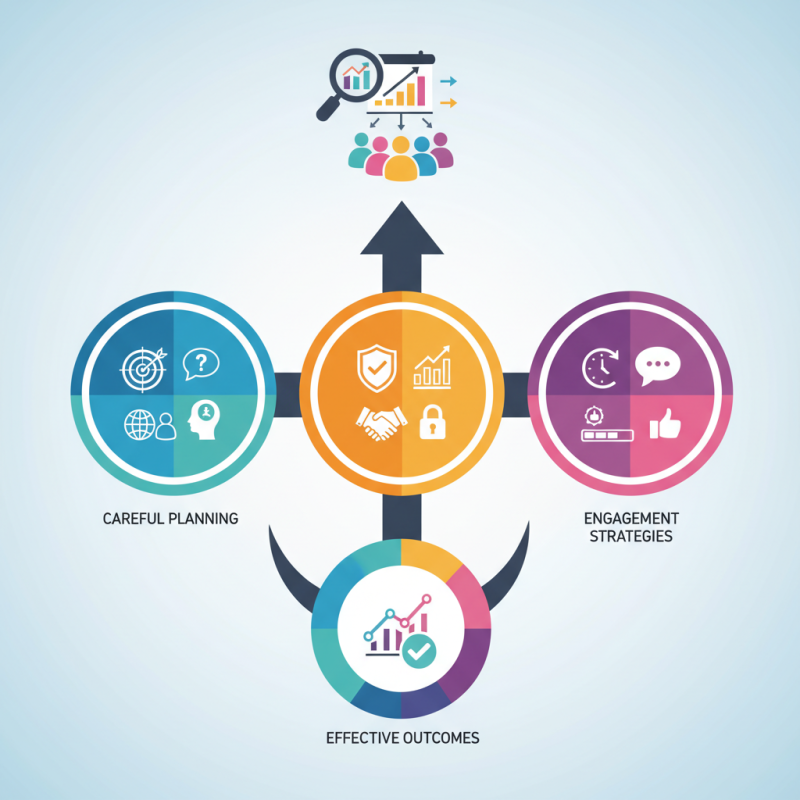
Utilizing access panels effectively requires careful planning. It's crucial to define your research objectives clearly. What insights do you seek? Who is your target demographic? Without clear goals, data can become overwhelming or irrelevant. Additionally, the quality of access panels varies greatly. Researchers must choose reputable providers to ensure reliable responses.
Moreover, while access panels streamline research, challenges remain. Respondent fatigue and low engagement are common pitfalls. It's essential to design surveys that are concise and engaging. Balance is key, as lengthy surveys may deter quality responses. Reflecting on these aspects can lead to more effective use of access panels in market research.
Understanding Access Panels and Their Role in Market Research
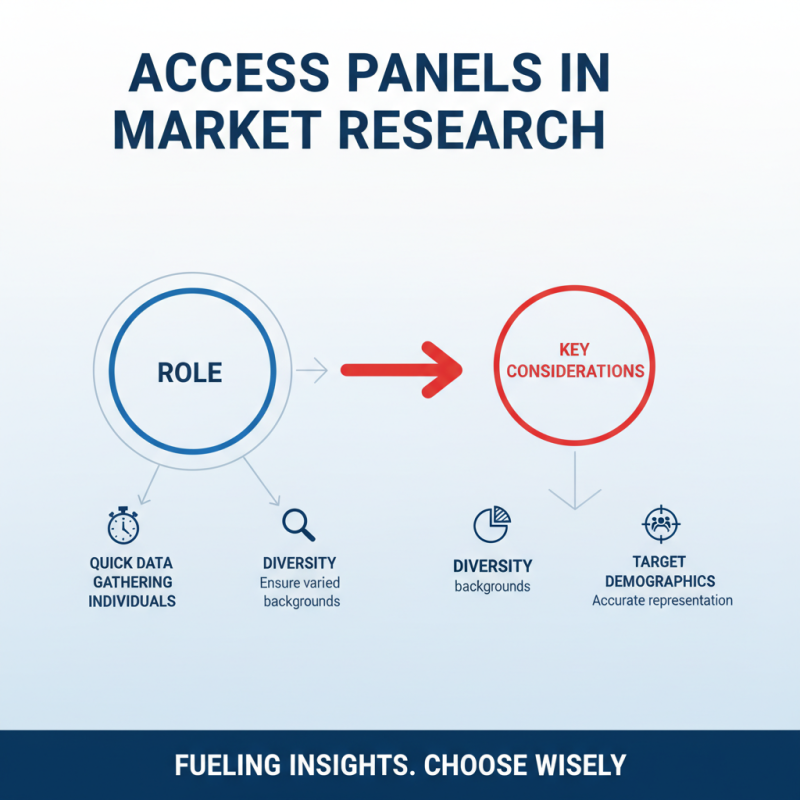
Access panels play a crucial role in market research. They are groups of pre-selected individuals who participate in surveys and studies. These panels allow researchers to gather valuable data quickly. However, not all access panels are created equal. Some may lack diversity, while others may not reflect the target demographics accurately.
When utilizing access panels, it’s essential to consider the composition of these groups. A panel rich in diversity can lead to more comprehensive insights. If a panel is biased, it may skew the results. Researchers should regularly review and update their panels to ensure relevance. Engaging diverse perspectives can enrich the data collected.
Additionally, while access panels can streamline the research process, they also present challenges. There's the temptation to rely solely on these panels. This might lead to missing out on broader qualitative data. Balancing quantitative data from access panels with qualitative feedback from interviews can provide a fuller picture. Reflecting on these aspects can improve overall market research strategies.
Identifying the Right Access Panels for Your Research Needs
Identifying the right access panels is crucial for effective market research. Not all panels fit every project. Start by defining your target audience. Are you looking for consumers, professionals, or niche groups? Consider demographics, interests, and behaviors. This helps narrow your options.
Next, evaluate panel quality. Not every panel is reliable. Look for credibility through reviews and testimonials. A good panel should provide diverse perspectives. Think about the size of the panel too. A larger pool can yield richer data but may introduce variability. Reflect on past experiences. Were there issues with responses? Documenting inconsistencies can lead to better choices in the future.
Finally, consider costs versus value. Some panels may seem affordable but offer poor quality data. Weigh the benefits carefully. Ask yourself, “Are these insights actionable?” This reflection is essential. The goal is to gather useful information. Not every panel will meet your expectations, and that’s okay. Keep iterating.
Effective Utilization of Access Panels for Market Research
This bar chart illustrates the distribution of various types of access panels utilized in market research, highlighting their effectiveness in gathering consumer insights.
Designing Effective Surveys for Access Panel Engagement
Designing effective surveys for access panel engagement is crucial for gaining valuable insights. A well-structured survey can enhance
response rates by up to 35%, according to recent market research data. Keeping questions clear and concise is essential.
Participants often abandon surveys when they encounter vague or complicated questions. Aim for simplicity in wording and structure.
Tips: Use open-ended questions sparingly. They provide richer data but can frustrate participants. Balance between multiple-choice questions and a few detailed ones.
Consider the time needed to complete your survey. Longer surveys tend to lead to lower completion rates.
When designing surveys, think about the demographic of your access panel. Customizing questions to fit their interests can
lead to more engaging responses. For instance, if your panel consists primarily of young adults, using relatable language is beneficial. However, do not lose sight of your objectives.
Straying from the purpose could render the data meaningless. Always aim for a balance between engagement and clarity in your surveys.
Analyzing and Interpreting Data Collected from Access Panels
Access panels are valuable tools for market research. However, collecting data is just the beginning. Analyzing and interpreting this data is crucial. According to a recent industry report, 75% of researchers struggle with data interpretation. This challenge can lead to inaccurate insights.
When working with access panels, consider the demographics of respondents. Diverse samples yield more reliable data. A study from the Market Research Association shows that 60% of successful projects focus on representative sampling. Yet, many teams overlook this step, risking skewed results. Ignoring demographic nuances can lead to biased conclusions.
Evaluating data quality is equally important. Not all responses are truthful. A report from the Insights Association found that 30% of online survey respondents provide false answers. Researchers must implement strategies to identify and rectify such data issues. Tools for data cleaning can help, but they are often underused. Without them, findings may mislead stakeholders. Balancing quality and speed remains a significant challenge in effectively utilizing access panels.
How to Effectively Utilize Access Panels for Market Research? - Analyzing and Interpreting Data Collected from Access Panels
| Demographic Profile |
Response Rate (%) |
Satisfaction Score (1-10) |
Preferred Method of Communication |
| 18-24 Years |
75 |
8.5 |
Email |
| 25-34 Years |
80 |
9.0 |
SMS |
| 35-44 Years |
70 |
7.0 |
Phone Call |
| 45-54 Years |
65 |
6.5 |
Email |
| 55+ Years |
60 |
7.5 |
Phone Call |
Best Practices for Managing Relationships with Access Panel Providers
Building strong relationships with access panel providers is crucial for effective market research.
Communication is key. Regular check-ins can help maintain transparency.
Share your research goals clearly. This helps providers understand your needs better and deliver relevant participants.
Tip: Consider sharing feedback on panel quality. This not only shows that you value their input but also encourages them to improve.
Trust is built over time. It's essential to be honest about what works and what doesn’t.
Managing expectations is also vital. Understand that not every panel will yield perfect results. Sometimes surveys will have low engagement rates.
Be prepared to adjust your strategies based on the data collected.
Tip: Analyze previous research studies to identify patterns. This can prevent future disappointments and help refine your approach.
Challenges are part of the process. Reflect on your experiences and learn from them.