Top 10 Flush Door Designs in China for Modern Interiors?
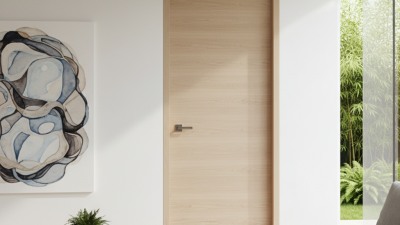
In the evolving world of interior design, flush doors have emerged as an essential element. With their sleek and seamless appearance, Door Flush Doors can transform a space dramatically. Renowned interior designer Li Wei states, “A well-designed flush door can elevate the entire ambiance of a room.” This sentiment captures the essence of modern design philosophy in China.
Flush doors not only enhance aesthetics but also offer practical benefits. Their minimalist style integrates well into various decor themes, making them versatile. However, achieving the perfect Door Flush Door design is not without challenges. Selecting the right materials and finishes requires careful consideration. High-quality finishes can make a significant difference, while poor choices can lead to disappointment.
It's important to reflect on the impact of Door Flush Doors in daily life. They aren’t just functional; they embody the spirit of modern interiors. By embracing innovative designs, homeowners can create inviting environments. Yet, the journey towards the ideal pair of synchronized flush doors is complex. It demands thoughtfulness and an understanding of individual style.
Top Flush Door Designs in China: An Overview of Modern Trends
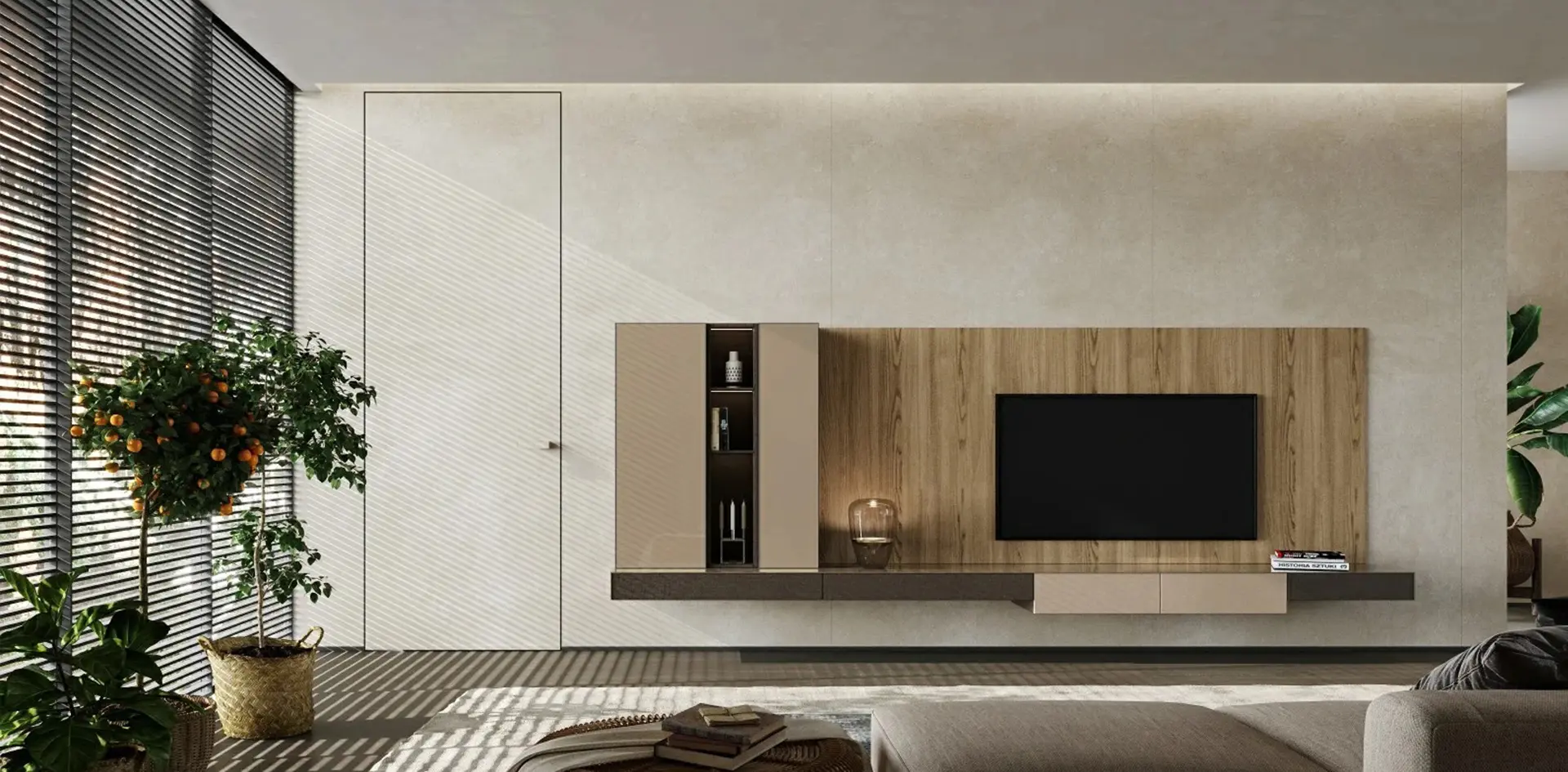
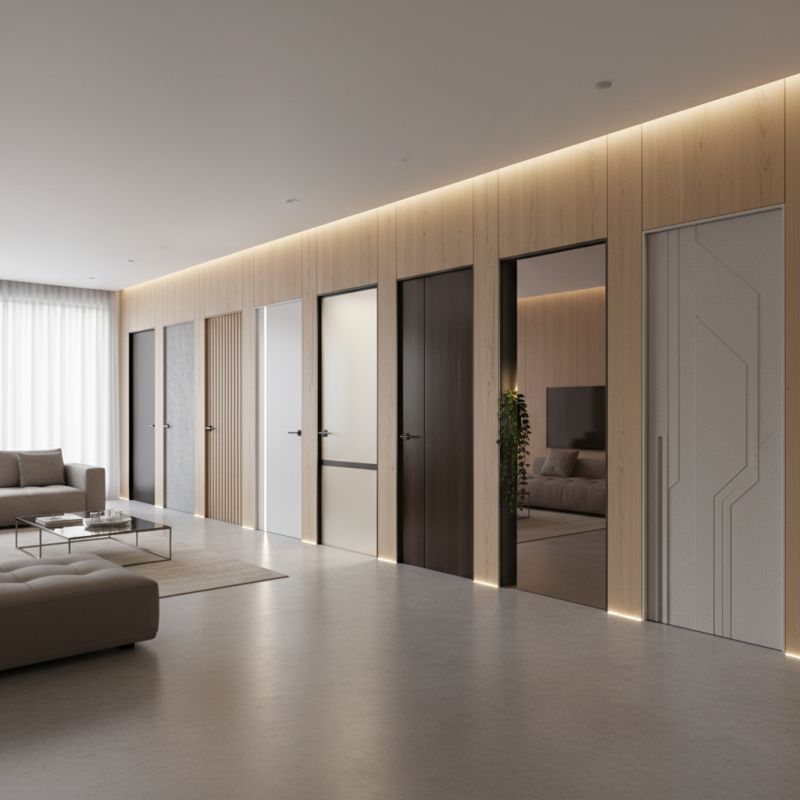
Flush doors in modern Chinese interiors represent a blend of aesthetics and functionality. Recent surveys indicate that over 70% of architects prefer flush doors for contemporary projects. This is due to their sleek design and ability to integrate seamlessly into various styles. Minimalist trends heavily influence these designs. They often feature smooth surfaces, clean lines, and can be easily customized.
As homeowners seek sustainable materials, eco-friendly flush doors are gaining attention. The use of engineered wood and recycled materials has increased by 40% in recent years. These doors offer not only durability but also a reduced carbon footprint. However, the market faces challenges. Many designs sacrifice insulation for aesthetic appeal, leading to increased energy costs for some homeowners.
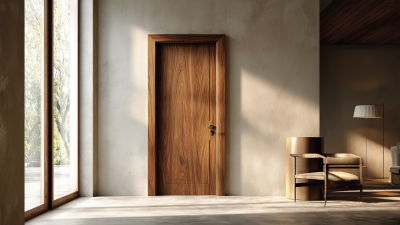
Designers emphasize the importance of texture and color in flush doors. While white remains dominant, options like natural wood finishes are trending. Some homeowners are exploring bold colors to make statements. However, choosing the right finish is crucial. An inappropriate choice may clash with the overall interior theme. Hence, while trends showcase innovation, practitioners must reflect on balance and practicality.
Key Materials Used in Modern Flush Door Manufacturing in China
Modern flush doors in China are increasingly popular due to their sleek design and practicality. The materials used in manufacturing these doors significantly impact their durability and aesthetics. Commonly, manufacturers favor solid wood, wood composites, and high-quality plywood. A report from the China Door Industry Association reveals that over 60% of flush doors are made from engineered wood. This choice ensures better stability and reduces warping, which is a typical concern in humid climates.
Additionally, the use of eco-friendly materials is on the rise. Many production facilities have adopted sustainable practices, using low-VOC adhesives and finishes. According to data from the China Environmental Protection Agency, nearly 40% of flush door manufacturers are striving for greener materials. Yet, this transition can present challenges. Some brands struggle with sourcing consistent ecological materials while maintaining quality. This inconsistency might affect the overall market perception of eco-friendly flush doors.
The future of flush door manufacturing is promising, but hurdles remain. Advanced techniques like digital printing and custom designs are becoming trends. Yet, achieving cost-effectiveness in these innovations is often debated. Reports indicate that while customization meets consumer demand, it can hinder mass production efficiency. It raises important questions about balancing personalization with industry standards.
Impact of Flush Door Designs on Interior Aesthetics and Space Utilization
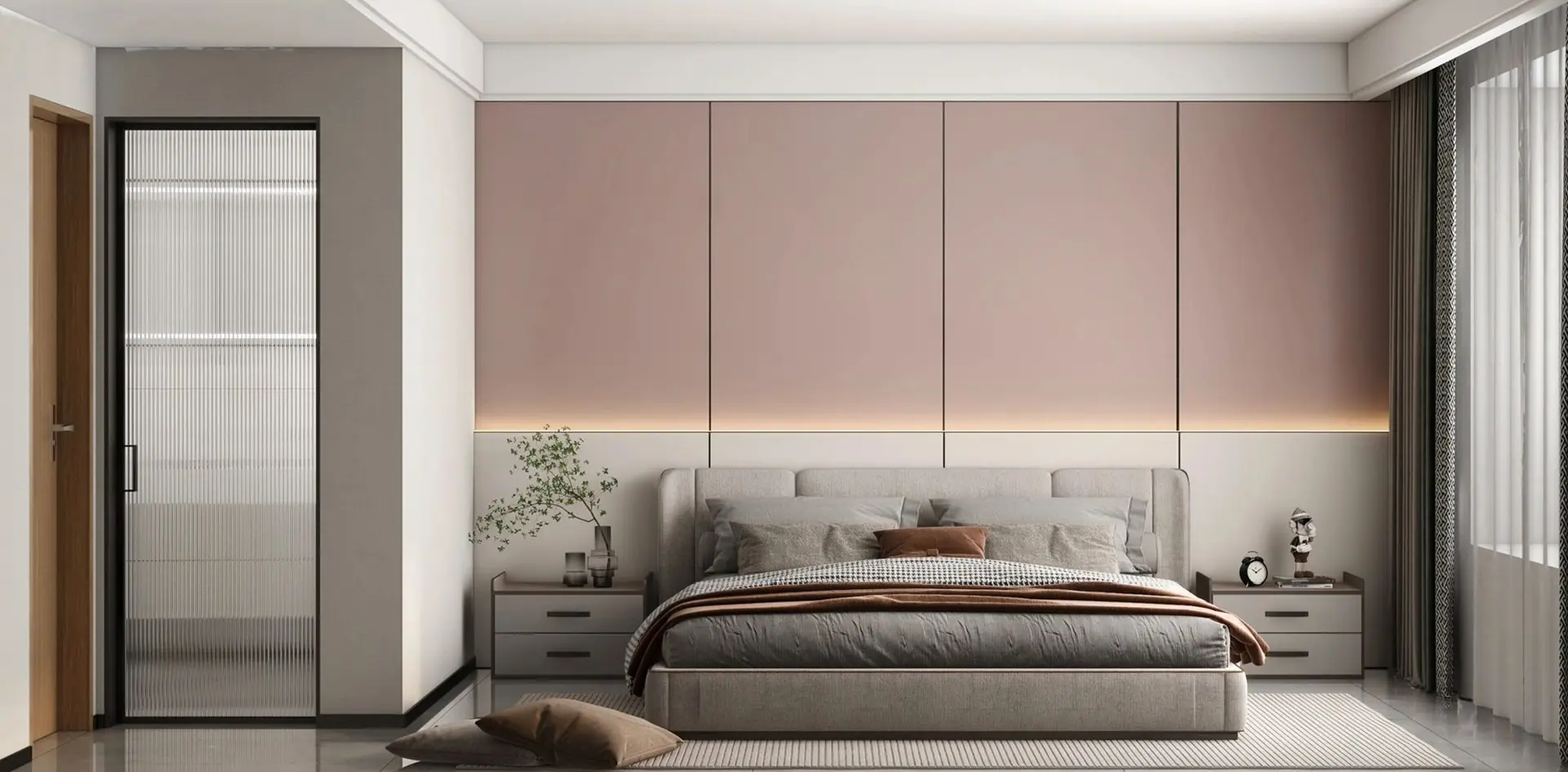
Flush door designs have gained popularity in modern interiors, significantly impacting both aesthetics and space utilization. These doors offer seamless integration into walls, creating a clean and unobtrusive look. According to a 2022 design report by the Interior Design Association, over 70% of interior designers favor flush doors for their ability to enhance minimalistic themes. With sleek lines and smooth surfaces, they complement contemporary décor effortlessly.
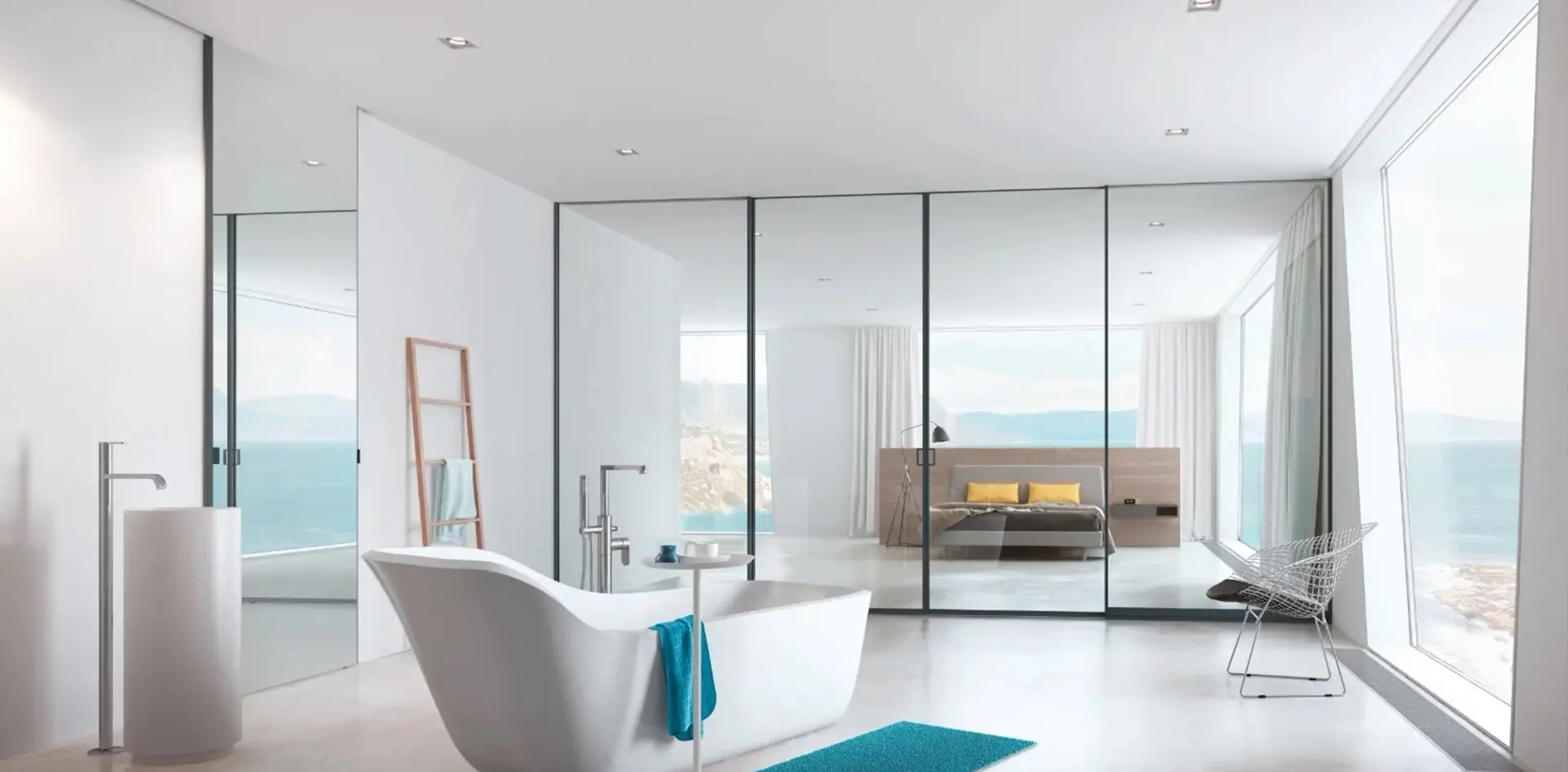
Beyond aesthetics, flush doors optimize space utilization. Their ability to slide or pocket into walls frees up floor space, making rooms appear larger and more open. A recent study from the Space Efficiency Institute revealed that homes using flush sliding doors reported a 15% increase in perceived space. However, achieving this design efficiently requires precise planning. Some homeowners struggle with installation, leading to misalignments and gaps. This challenge highlights the need for skilled craftsmen in the flush door market to ensure quality outcomes.
While flush doors are visually appealing, they may lack the warmth of traditional styles. Homeowners should carefully consider their environment and needs before deciding. Each design choice comes with trade-offs, making it crucial to weigh aesthetics against practicality. This reflection is essential for creating a harmonious living space.
Top 10 Flush Door Designs in China for Modern Interiors
This chart illustrates the popularity index of various flush door designs in modern interiors across China. The data reflects how different design styles resonate with consumers in terms of aesthetics and functionality.
Sustainability Trends in Flush Door Designs: Eco-Friendly Options
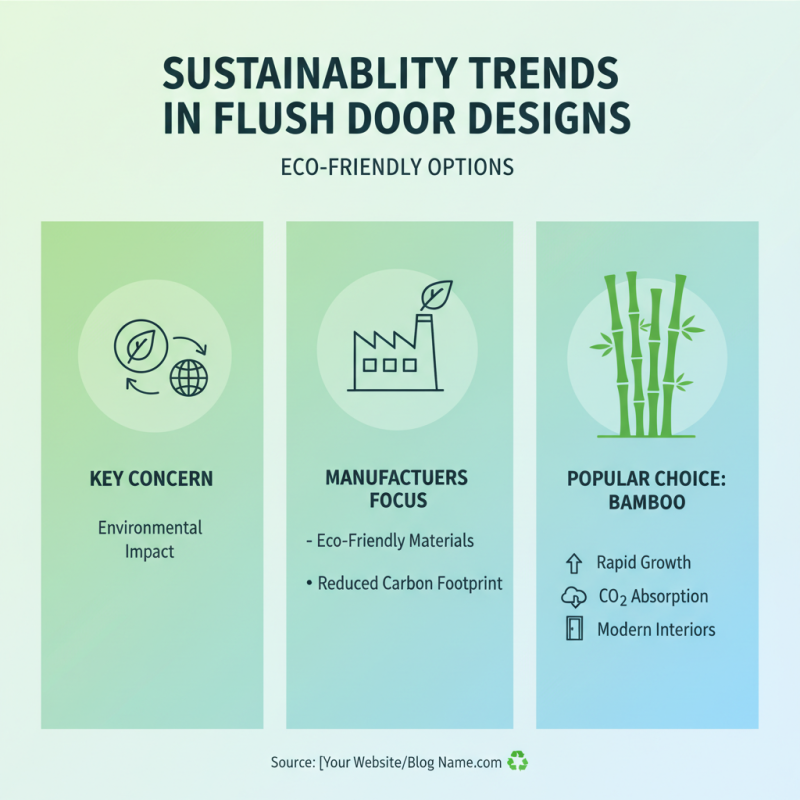
Sustainability has become a key concern in flush door designs. Many manufacturers are now focusing on eco-friendly materials. Bamboo, for instance, is a popular choice. It grows quickly and absorbs carbon dioxide effectively. This makes bamboo doors an attractive option for modern interiors.
Recycled wood is another innovative material gaining traction. Using reclaimed wood reduces waste and supports sustainability. Designers are creatively using distinctive textures and hues. These doors tell a story, adding character to any space. However, sourcing recycled materials can be challenging. It may lead to inconsistencies in quality or finish.
Additionally, energy-efficient manufacturing processes play a crucial role. Some companies invest in solar energy to power production. This reduces their overall carbon footprint. Yet, not all manufacturers prioritize this. The industry still faces hurdles in achieving widespread adoption of green practices. As consumers, we must demand more transparency and accountability in the choices available. This will encourage further innovation and responsible practices.
Market Analysis: The Demand for Flush Doors in Contemporary Chinese Interiors
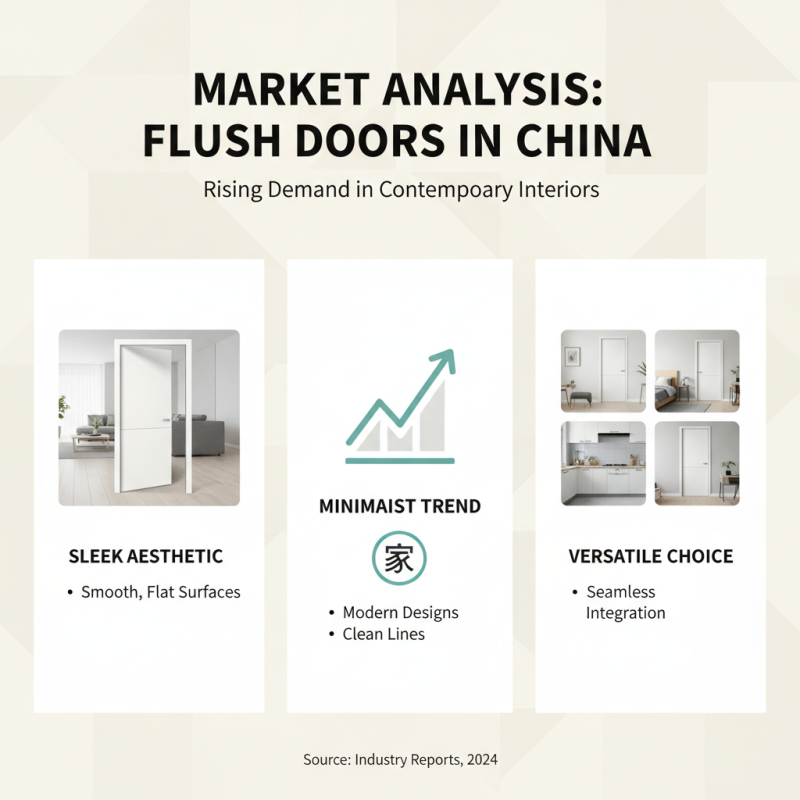
The demand for flush doors in contemporary Chinese interiors is rising. Flush doors, characterized by their smooth, flat surfaces, offer a sleek aesthetic. Homeowners increasingly prefer minimalist designs, aligning with modern interior trends. These doors can seamlessly blend into various settings, making them a versatile choice.
Market analysis indicates a strong inclination towards eco-friendly materials. Many consumers are sensitive to sustainability, driving manufacturers to explore new resources. This shift presents both challenges and opportunities in production. However, durability remains a concern. Consumers want doors that last but often face products that do not meet expectations.
Emerging design trends reflect cultural influences. The balance between tradition and modernity is crucial. Homeowners seek pieces that resonate with their identity yet fit contemporary themes. As flush doors evolve, innovation must address functionality and aesthetic appeal. Manufacturers should explore user feedback to understand the gaps in quality and design.