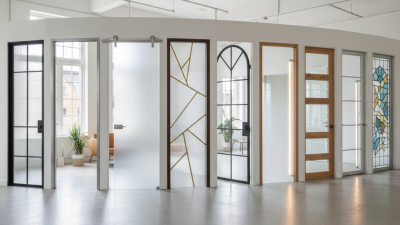
Top Inside Doors With Glass Benefits and Design Ideas for Your Home?
Inside doors with glass offer a blend of elegance and functionality. According to a report by the American Institute of Architects, glass doors are becoming increasingly popular, with a 38% rise in consumer interest in transparent designs. These doors not only enhance natural light but also create an illusion of larger spaces.
Many homeowners appreciate the aesthetic appeal glass doors bring to interior spaces. They can serve as dividers between rooms while maintaining an open feel. However, selecting the right type of glass and frame can be challenging. Different glass types, like frosted or clear, come with unique benefits and drawbacks. A careful choice can enhance both privacy and style.
Nonetheless, it’s crucial to reflect on potential downsides. Glass doors require regular cleaning to stay clear and spotless. Additionally, energy efficiency is a concern, as improper installation can lead to drafts. Understanding these factors is essential when considering inside doors with glass.
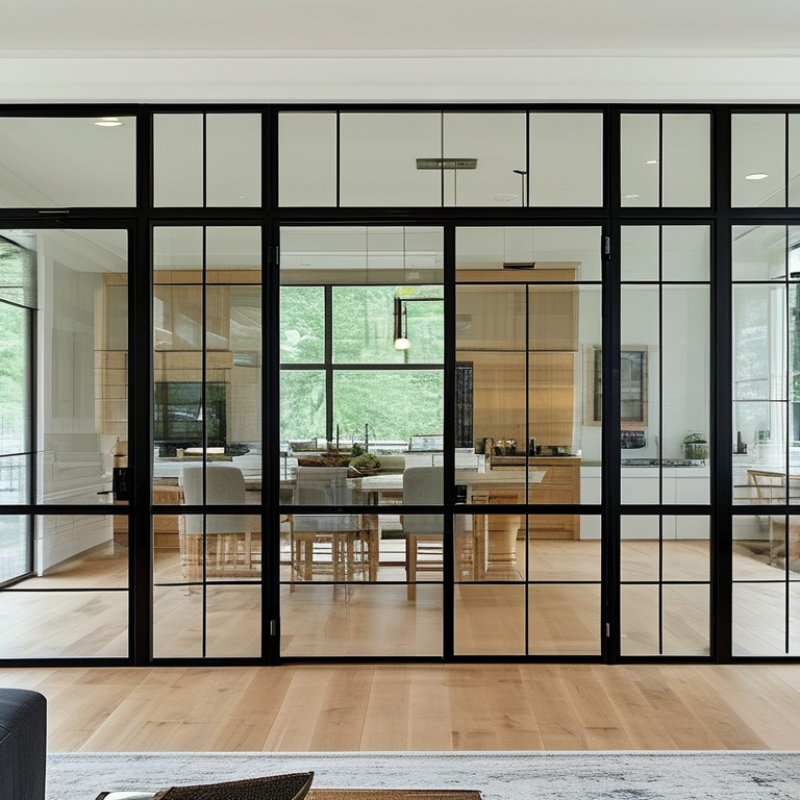
Top Benefits of Glass Inside Doors for Modern Homes
Glass inside doors offer a unique blend of style and functionality for modern homes. They allow natural light to flow between rooms, creating an open and inviting atmosphere. This feature can make smaller spaces feel larger and more connected. The transparency of glass also helps reduce the feeling of confinement often found in traditional solid doors.
In terms of design, glass doors come in various styles and patterns, catering to diverse tastes. From frosted to textured options, homeowners can choose a design that complements their interior décor. However, one must consider privacy. Clear glass might not always be suitable for bedrooms or bathrooms. Achieving a balance between openness and privacy can be challenging.
Moreover, while glass doors are visually appealing, they require regular cleaning to maintain their pristine look. Fingerprints and dust can detract from their beauty. Additionally, framing choices—wood, metal, or hybrid—can alter the overall effect. Investing time in selecting the right frame and glass type is crucial. Each decision impacts the durability and aesthetic of the space.
Design Ideas for Incorporating Glass Doors in Interior Spaces
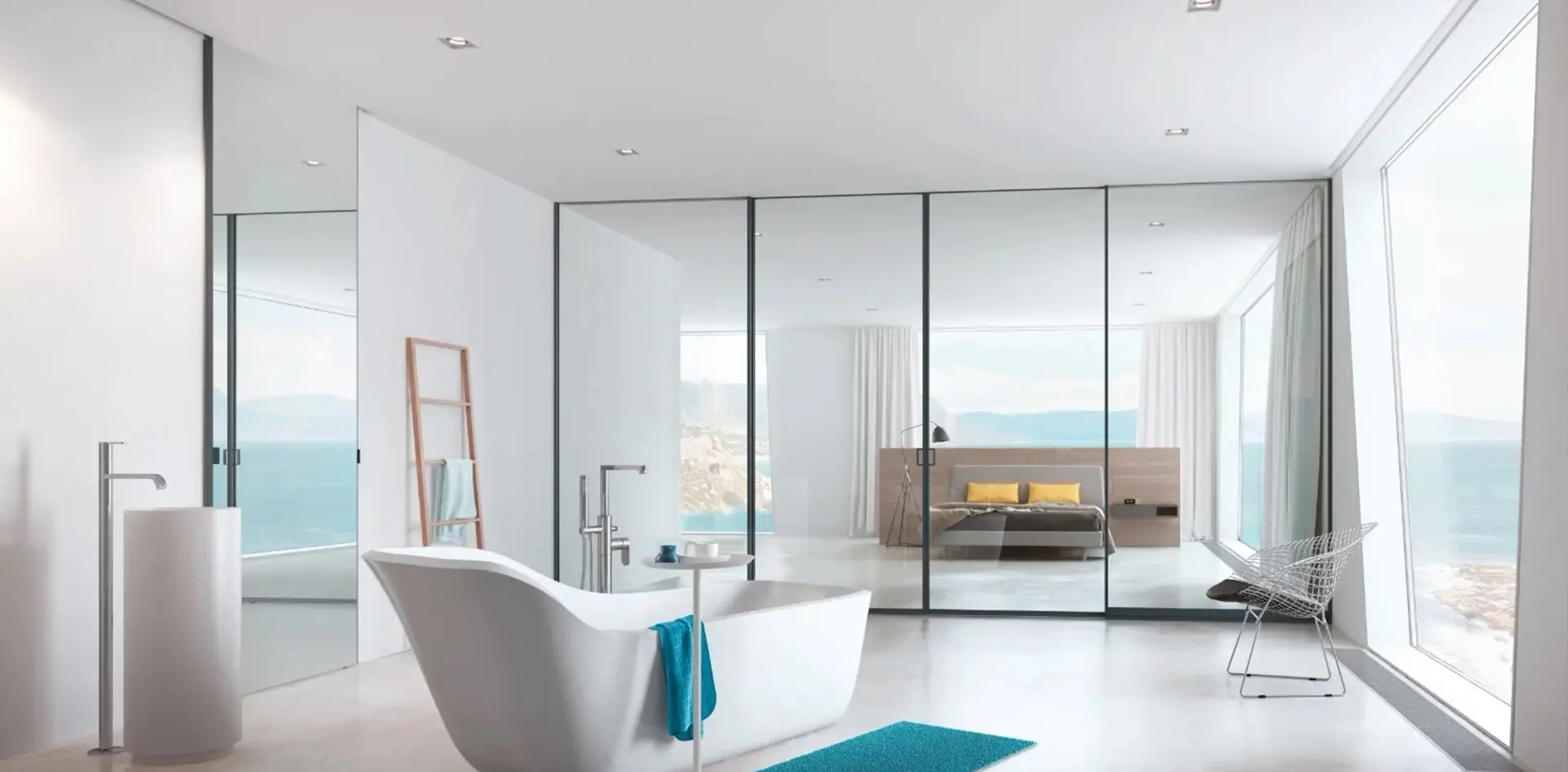
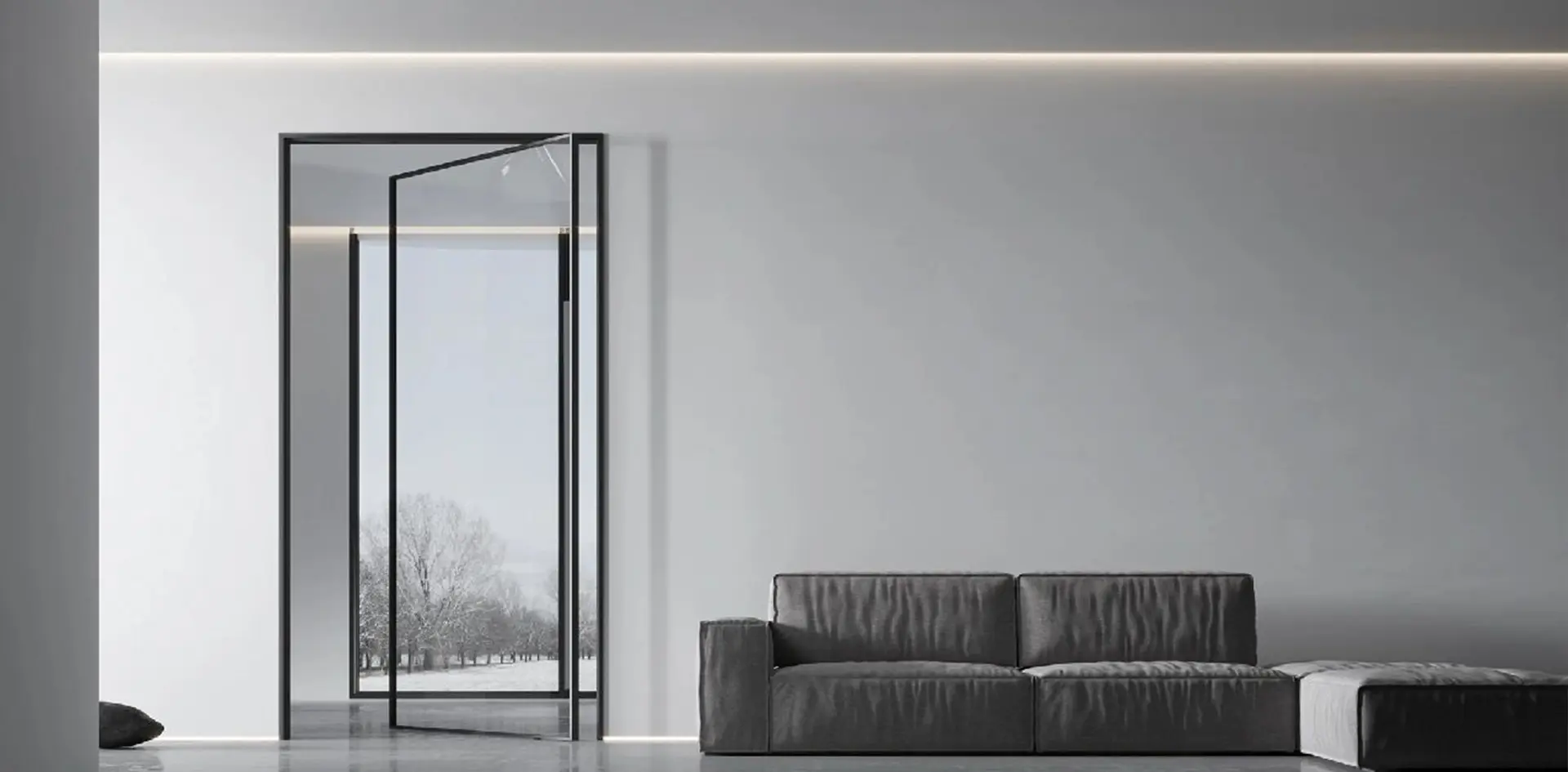
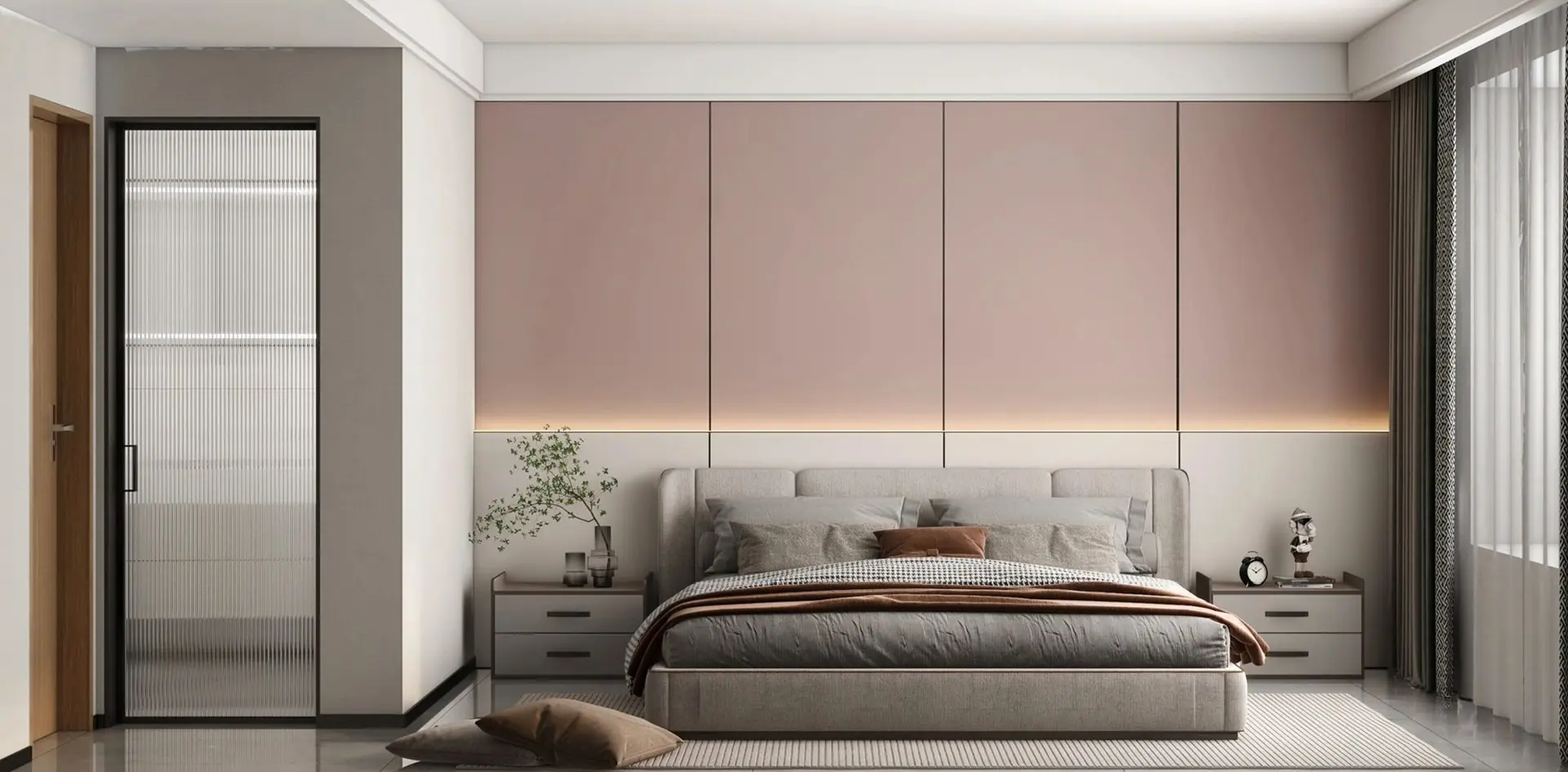
Incorporating glass doors into your interior design can elevate your space. These doors create an illusion of openness while allowing natural light to flow throughout your home. For smaller rooms, glass doors can make an area feel larger and more inviting. The clarity of the glass can highlight beautiful decor or architectural features, bringing your design aesthetic to life.
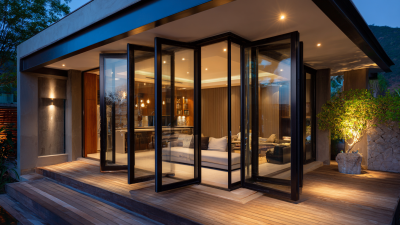
When considering design ideas, think about where glass doors fit best. A sliding glass door between the living and dining areas offers seamless movement. Bi-folding doors in a sunny nook can open up the space to the outside, allowing fresh air and natural light. You could also use frosted glass for bathroom doors, ensuring privacy while maintaining a modern feel.
However, it’s essential to reflect on practical aspects, too. Glass doors require regular cleaning to maintain their clarity. Humidity in certain areas may lead to fogging or condensation. Ensure that you address these maintenance concerns. Balancing beauty and functionality is key in creating a harmonious living space. Consider how glass doors align with your overall design vision and lifestyle needs.
Benefits of Glass Interior Doors
Choosing the Right Glass Type for Your Inside Doors
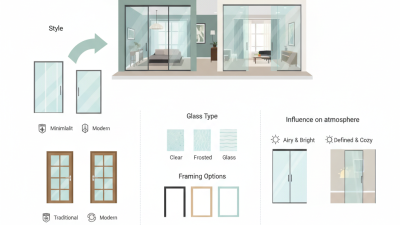
Choosing the right glass type for your inside doors can significantly enhance your home's aesthetics and functionality.
One popular choice is frosted glass, offering privacy while still allowing light to filter through.
This makes it ideal for bathroom doors or spaces where you seek a balance between openness and seclusion.
Another option is clear glass, perfect for maximizing natural light in smaller areas.
However, it’s essential to consider the implications of transparency.
This type of glass can expose indoor clutter, so keep spaces organized.
Textured glass can add an artistic touch, combining privacy and visual interest,
but finding the right texture to match your decor can be tricky.
**Tip 1:** Before making a selection, visualize how each glass type interacts with your interior lighting.
**Tip 2:** Think about the maintenance of the glass. Some types show fingerprints and dust more than others. Consider your lifestyle and how much cleaning you're willing to do.
These considerations will guide you to the most suitable glass for your interior needs, balancing aesthetics with practical concerns.
Maintenance Tips for Glass Interior Doors
Maintaining glass interior doors can enhance their beauty and longevity. Regular cleaning is crucial. Use a mixture of mild soap and water for effective dirt removal. Avoid abrasive cleaners, as they may scratch the glass surface. Industry data indicates that frequent cleaning can extend the life span of glass doors significantly.
In addition to cleaning, check the hinges regularly. Loose hinges can affect the door's functionality. Tighten them as needed. Over time, hinges may wear out. Replacing them promptly prevents further damage. This proactive approach ensures your glass doors operate smoothly, providing both form and function.
Humidity is another factor to consider. Excess moisture can lead to mold growth. Installing a dehumidifier may help keep humidity levels in check. Glass doors are beautiful, but they can show fingerprints and smudges easily. It's essential to be prepared for maintenance challenges. With a bit of effort, these stunning doors can remain a focal point in your home.
Enhancing Privacy with Stylish Glass Door Solutions
When considering glass doors for enhanced privacy, it's essential to balance transparency and aesthetic appeal. Frosted or patterned glass offers a stylish solution. These designs obscure visibility while still allowing natural light to flow. This feature is perfect for areas like home offices or bathrooms, where light enhances the space without sacrificing seclusion.
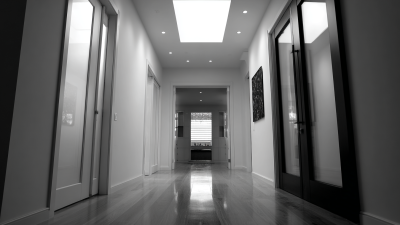
In a hallway or living room, glass doors can add a sense of openness. Sliding glass doors can replace traditional solid doors. This creates a seamless transition between rooms. Incorporating decorative elements can elevate the design. Think of etched patterns or tinted glass. They provide privacy while showcasing personal style.
Choosing the right glass door involves careful consideration. Not all glass options provide the same level of privacy. It’s crucial to test different designs and materials. While some may appear stylish, they might not offer sufficient seclusion. Balance is key. Explore various patterns and thicknesses until you find the perfect fit for your space.