
What is an Indoor Glass Door and Why Choose It?

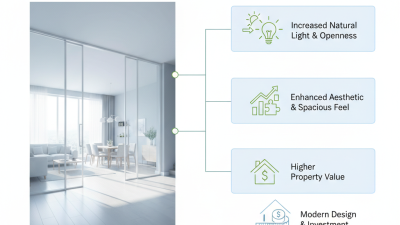
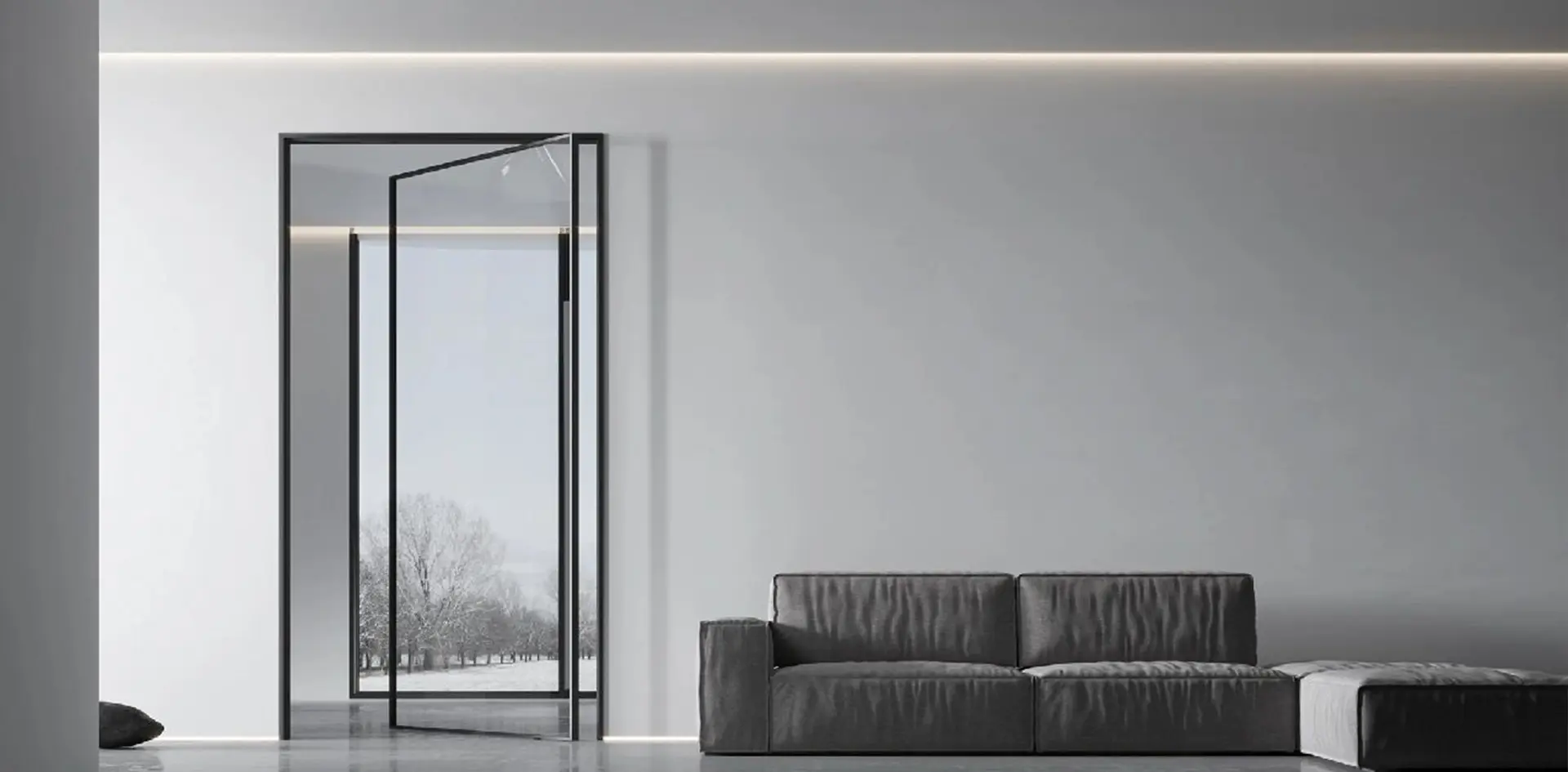
In modern home design, the "Indoor Glass Door" stands out as a striking feature. It invites light and creates a sense of open space. These doors enhance the beauty of any room, adding elegance and style. Imagine walking through a seamless transition from one area to another.

While an Indoor Glass Door can elevate aesthetics, there are practical considerations too. It’s crucial to think about privacy and energy efficiency. Often, these doors might lack sound insulation. Homeowners must balance design with functionality.

The appeal of Indoor Glass Doors lies in their versatility. They can fit various styles, from minimalist to traditional. However, maintaining clean glass can be challenging. You may find yourself frequently wiping fingerprints. Even with these drawbacks, the charm they add is undeniable.
What is an Indoor Glass Door and Why Choose It?

Definition and Characteristics of Indoor Glass Doors
What is an Indoor Glass Door and Why Choose It?

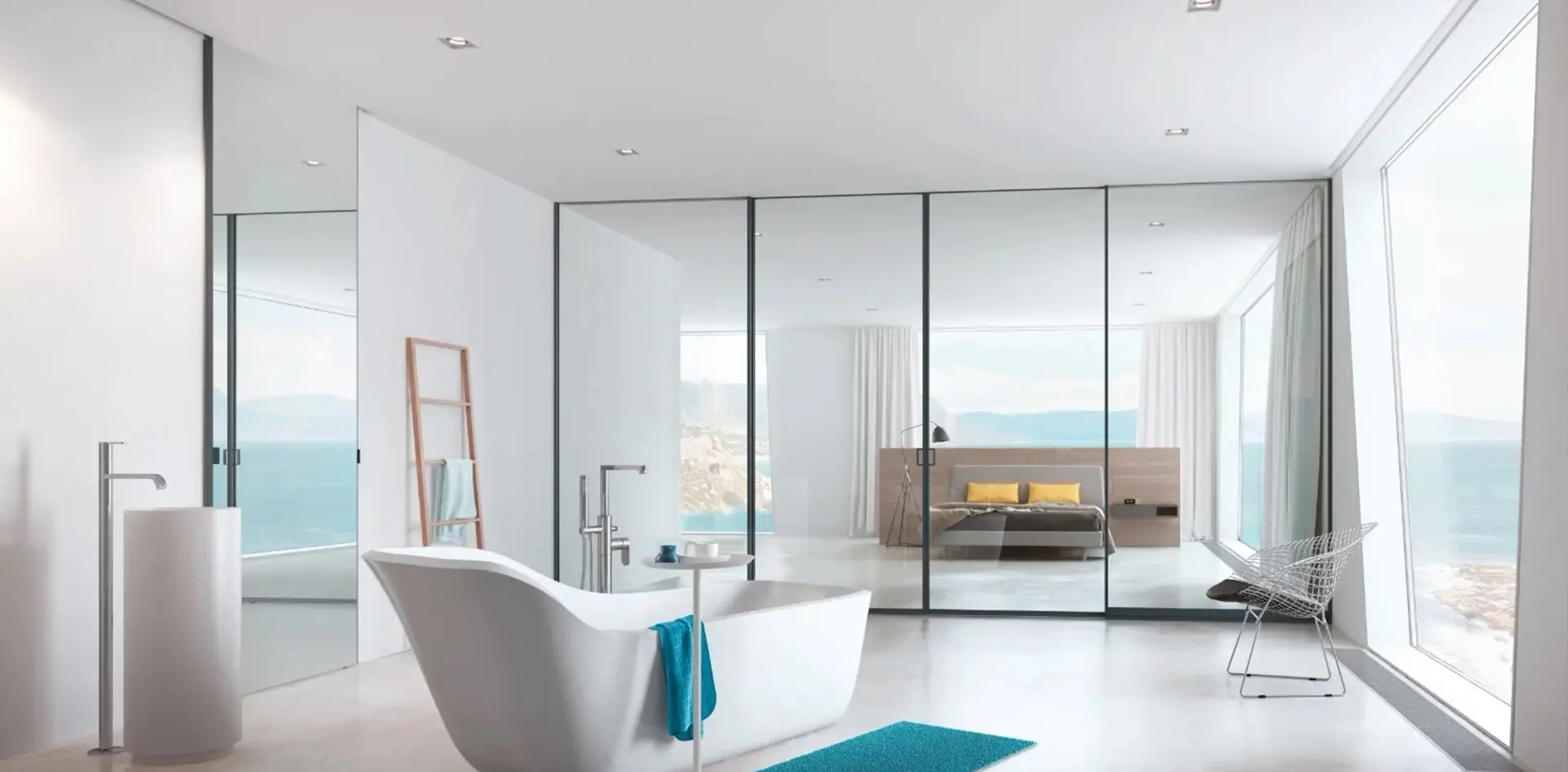
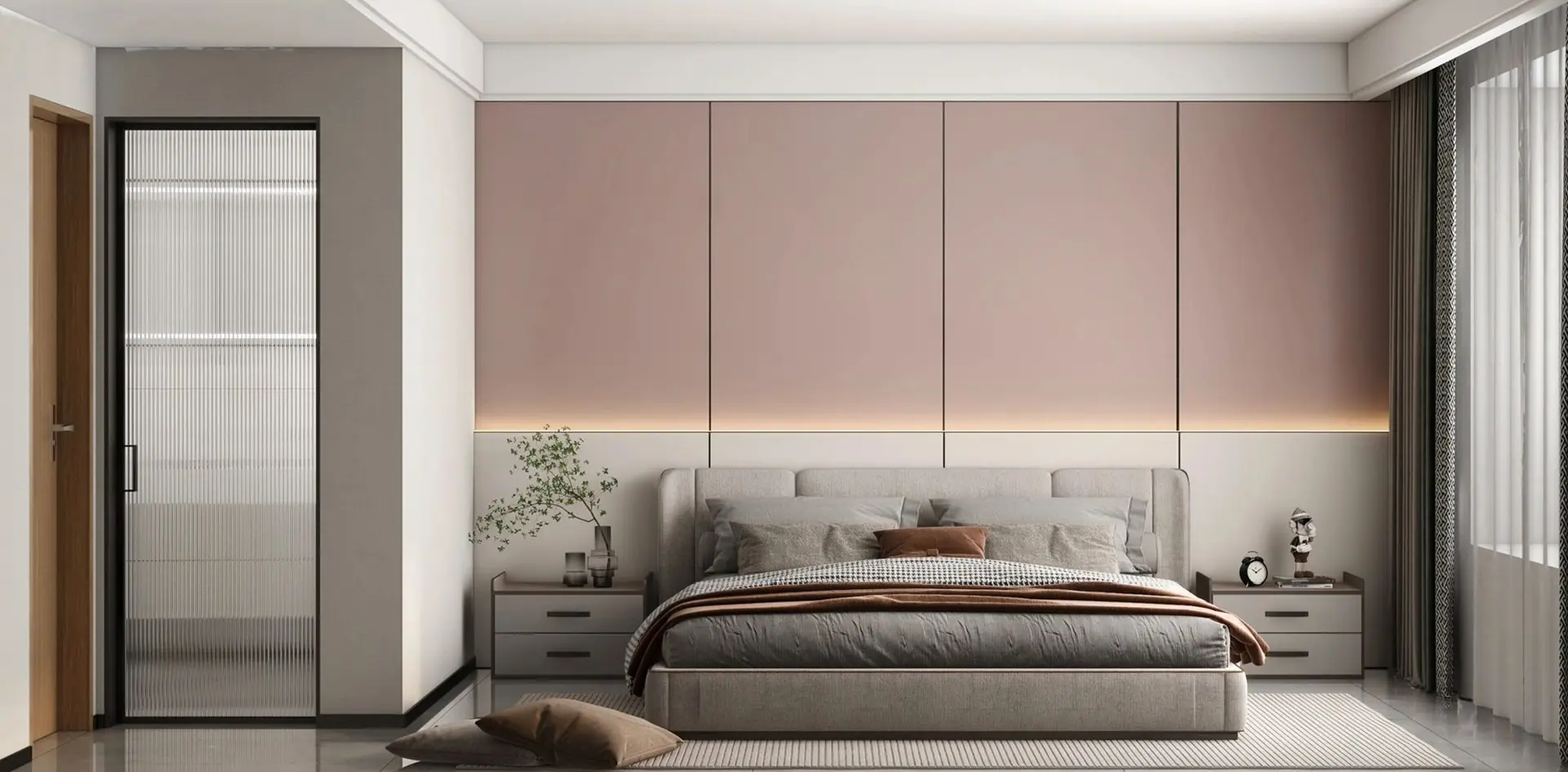
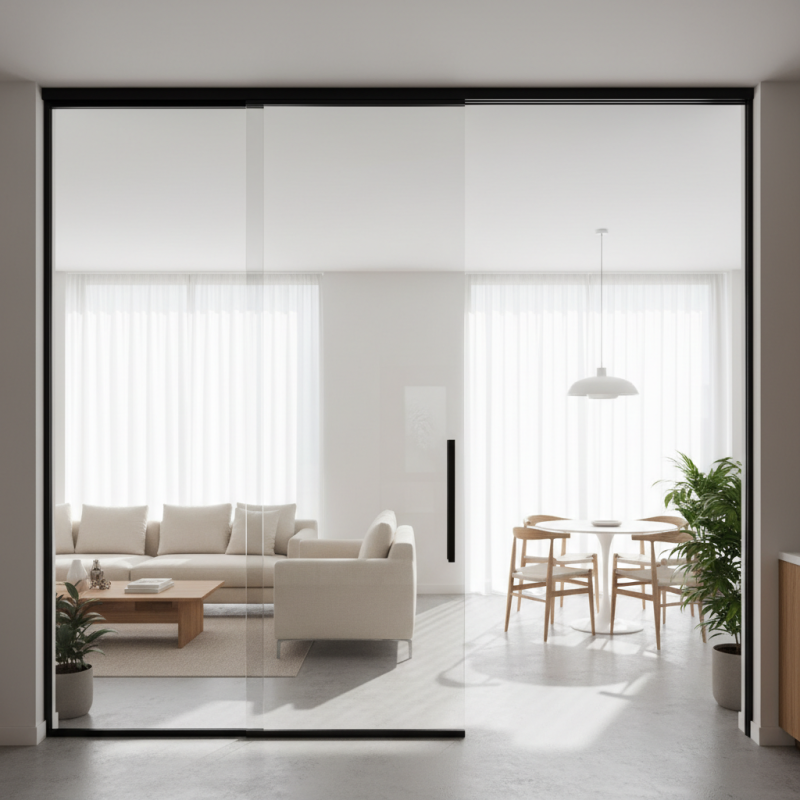
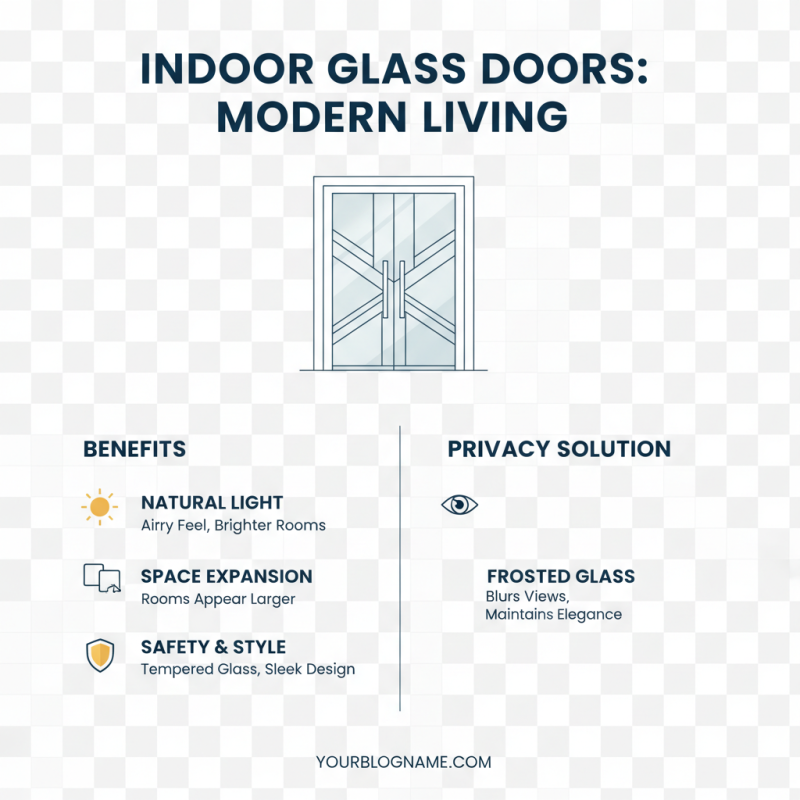
Indoor glass doors are sleek and modern, enhancing both functionality and aesthetics in any space. They are typically made from tempered glass, which ensures safety. The transparency allows for natural light to flow freely, creating an airy feel inside. This can make smaller rooms appear larger. However, some may find they lack privacy. A simple solution is frosted glass, which obscures views while maintaining elegance.

These doors are versatile. They can be used in many areas, like offices, living rooms, or even dining spaces. Many people appreciate how they can separate rooms without blocking light. They may feature sliding mechanisms or hinges, offering choices for different layouts. Yet, maintaining the glass can be challenging. Fingerprints and smudges can be obvious, requiring regular cleaning to keep them looking pristine.

Beyond aesthetics, these doors can improve acoustic performance. They offer some sound insulation, but they are not soundproof. This means that while they can help reduce noise, they may not eliminate it completely. Each choice has its pros and cons. Balancing design and practicality is essential. Choosing the right style can impact your space profoundly.

Advantages of Choosing Indoor Glass Doors for Home Design

Indoor glass doors are becoming popular in home design. They offer a blend of elegance and functionality. These doors allow natural light to flow throughout your home. This creates an airy and spacious feel. The transparent feature can visually connect different living spaces. You can enjoy the beauty of your garden or patio from your living room.

Tip: Consider using frosted glass for privacy. It still allows light but prevents the view from the outside. Indoor glass doors can also modernize outdated spaces. They are easy to clean, requiring just a simple wipe. This practicality can save you time and effort on maintenance.

Another advantage is the stylish design options available. You can find various frames, sizes, and finishes. This variety lets you customize your space. However, remember that installation can be tricky. It may require professional help. Ensure the frames are sturdy and correctly aligned. This will prevent future issues.

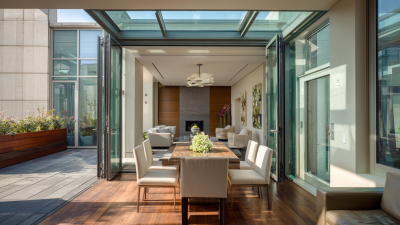
Tip: Think about the door swings. Choose a design that maximizes your space. You can opt for sliding or bi-fold doors. They provide flexibility and create a seamless transition between rooms. Indoor glass doors not only enhance beauty but also functionality when chosen wisely.

Types of Indoor Glass Doors and Their Uses

Indoor glass doors come in various types, each serving unique purposes. Sliding glass doors are popular in both homes and offices. They allow easy access between spaces while maximizing natural light. According to a report by the Glass Association, over 40% of homeowners prefer sliding doors for their design versatility.

French doors are another option, often used in living areas and dining rooms. They create an elegant transition between spaces. These doors typically feature double panes of glass. This can improve thermal efficiency when properly insulated. Research from the National Association of Home Builders indicates that adding French doors can increase property value by up to 8%.

Pocket doors offer a practical solution for saving space. These doors slide neatly into the wall when opened. They are useful in tight areas like small bathrooms. Some contractors note that pocket doors can be tricky to install, requiring precise measurements. It’s essential to consider installation challenges when selecting this type. Despite their appeal, not every homeowner may be ready to embrace the complexities of pocket door setups. Choosing the right type involves weighing aesthetics against functionality.

What is an Indoor Glass Door and Why Choose It? - Types of Indoor Glass Doors and Their Uses

Type of Indoor Glass Door Material Common Uses Advantages Disadvantages
Sliding Glass Door Tempered Glass with Aluminum Frame Dividing rooms, patio access Space-saving, aesthetic appeal Requires tracks, may have security concerns
Frameless Glass Door Tempered Glass Showers, offices, modern homes Sleek design, unbroken visual flow Higher cost, may lack insulation
Bi-Fold Glass Door Tempered Glass with Hinged Panels Openings to patios, balconies Maximizes space, enhances natural light Complex installation, maintenance required
Glass Pocket Door Tempered Glass with Frame Hallways, closets Conserves space, stylish option Installation cost, may require framing
Decorative Glass Door Stained or Frosted Glass Interior design, entryways Adds character, privacy options Limited visibility, can be heavy

Maintenance Tips for Indoor Glass Doors

Indoor glass doors are elegant and practical. They can enhance the beauty of your space. However, they require regular maintenance to keep them looking their best.

Cleaning is important. Use a soft, lint-free cloth to wipe the glass. Avoid harsh chemicals. They can damage the surface. Check the frames for dust and grime. A little warm soapy water can work wonders.

Keep the tracks clean. Dust can accumulate easily. If they get dirty, doors won't slide smoothly. Lubricate the tracks occasionally. Choose a silicone spray for best results. Check hinges too. Sometimes, they might need a little oil as well.

Regularly inspect seals. If you find any cracks, replace them quickly. This can prevent unwanted drafts. Your indoor glass door will last longer, looking good as new. Regular care ensures a beautiful and functional addition to your home.

Design Considerations When Installing Indoor Glass Doors

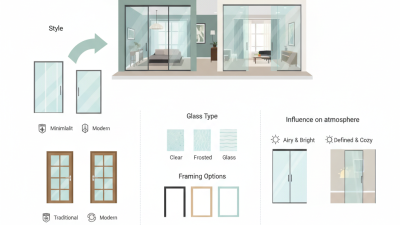
When installing indoor glass doors, design considerations play a crucial role. The type of glass is important. Options include frosted, clear, or tinted glass. Each choice affects privacy and light. For example, frosted glass is ideal for bathrooms or offices where privacy is essential. It allows light while obscuring visibility. Clear glass creates an open feel but offers less privacy.

Another key point is the frame material. Choices often include wood, metal, or even no frame at all. A sleek metal frame can lend a modern touch, while wood adds warmth. Consider the overall interior style. Mismatched materials can create visual discord.

Also, think about the door's operation. Sliding doors save space, while hinged doors have more swing. Not all spaces can accommodate hinged doors effectively. Reflect on the layout. Proper measurements are vital to prevent awkward gaps or tight fits. It’s easy to overlook this, leading to frustration later. Lighting around the door also matters. A well-lit frame enhances the door's aesthetic appeal. Overlook this, and the door might fade into the background.