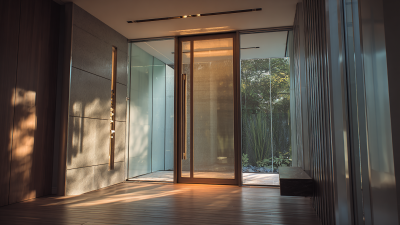
2026 How to Choose Front Doors For Homes That Enhance Curb Appeal?
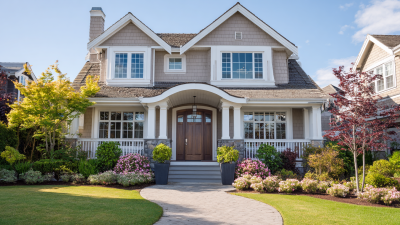
Choosing the right front doors for homes is crucial for enhancing curb appeal. The front door serves as the focal point of your house. It reflects your personal style and sets the tone for visitors. Consider materials, colors, and designs that complement your home’s architecture.
Many homeowners overlook the importance of hardware. The right doorknob or handle can elevate a simple door. Think about the first impression you want to create. Is it warm and welcoming? Or modern and sleek? Each choice matters.
While popular trends can guide you, don't forget your unique taste. Sometimes, the best choices come from a mix of styles. Reflect on what truly resonates with you. Regularly reassess your options. The perfect front door should tell a story about your home. Make sure it aligns with your vision and enhances your space.
Factors to Consider When Choosing Front Doors for Curb Appeal
Choosing the right front door can significantly enhance your home's curb appeal. A front door serves as the primary entry point and sets the tone for your entire house. According to a recent report by the National Association of Realtors, homes with attractive front doors can increase the overall property value by up to 5%. This statistic shows how crucial the selection process is for potential buyers and sellers alike.
When selecting a front door, consider material and color. Wood doors exude warmth, while fiberglass options offer durability. Additionally, research shows that houses with colorful doors often stand out. In fact, a 2023 survey noted that 38% of buyers preferred homes with vibrant door colors. This emphasizes the impact of visual appeal on buyer interest. However, too many bold choices can overpower your home's architectural style. Finding balance is essential.
Don't overlook size and installation. A door that appears too small can diminish your home's presence. Proper installation is also vital for both functionality and aesthetics. Homes with misaligned doors or gaps can create negative perceptions. Always assess your choices carefully to avoid costly mistakes. Remember, every detail counts in making a lasting first impression.
Popular Front Door Materials and Their Aesthetic Impact
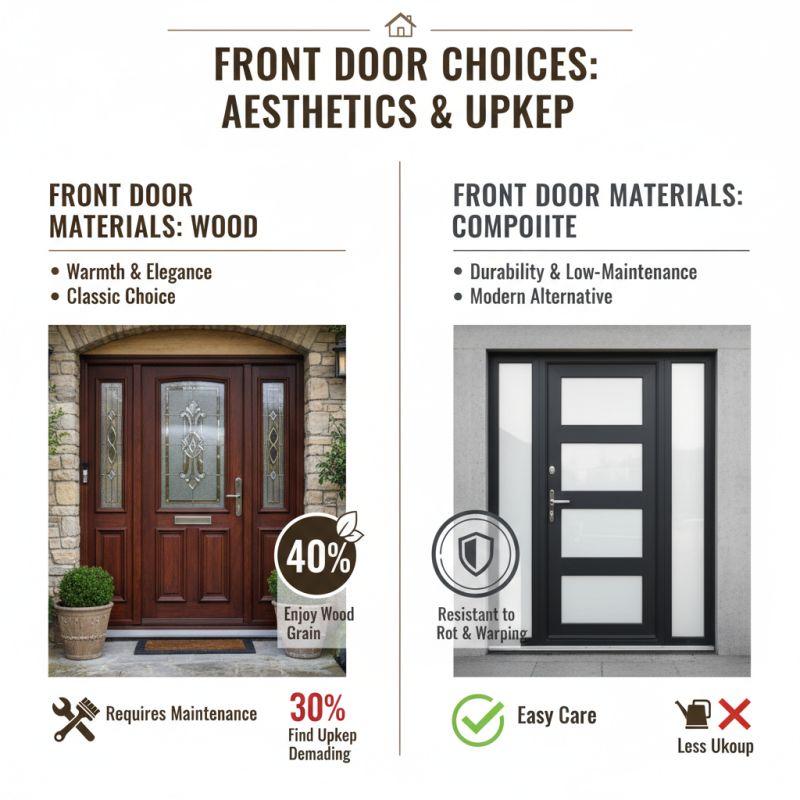
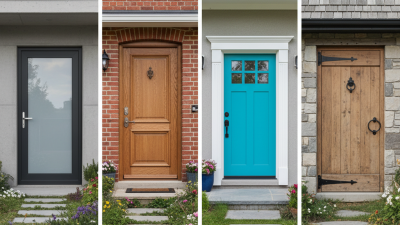
When choosing a front door, material plays a crucial role in aesthetics. The right choice can significantly enhance curb appeal. Wood doors remain a classic option. They offer warmth and elegance. However, they require regular maintenance. Reports indicate that 40% of homeowners enjoy the rich grain of wood. Yet, almost 30% find upkeep too demanding.
Steel doors provide modern appeal. They are durable and require minimal maintenance. According to industry studies, steel doors can last up to 30 years. People appreciate their sleek finish, which complements contemporary designs. Plus, they offer excellent security. Still, some homeowners feel they lack the charm of wood.
Fiberglass doors are gaining popularity. They mimic the appearance of wood without the downsides. Nearly 25% of new builds now feature fiberglass doors. They resist dents and do not warp. Yet, some may argue that fiberglass lacks the authentic feel of real wood. This leaves room for preferences. Different materials evoke varying emotions and styles. The choice depends on personal taste and lifestyle.
Styles of Front Doors That Boost Home Value and Visual Appeal
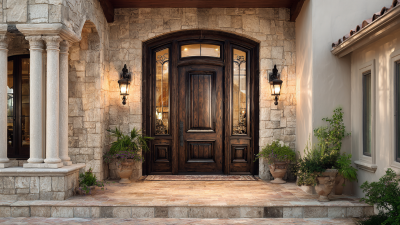
Choosing the right front door can drastically enhance a home's curb appeal. Visual appeal plays a crucial role in creating a welcoming entrance. Consider investing in a door that complements the architectural style of your home. For a modern look, sleek designs often work well. Rustic homes tend to shine with wooden doors, featuring natural finishes.
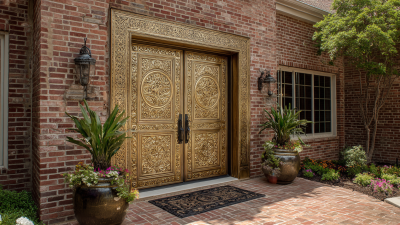
Color also impacts visual appeal. A bold hue can make your entrance pop, while subtle tones may harmonize with the surrounding landscaping. Adding decorative elements like glass panels or wrought iron accents can create interest. However, be careful not to overdo it; too many embellishments can feel overwhelming.
Durability is just as vital as style. A beautiful door should also withstand the test of time. Reflecting on maintenance needs is essential. Some materials may require frequent upkeep. Consider how much you are willing to invest in upkeep versus visual appeal. Balancing beauty and practicality can be a challenge, but it’s worth the thought.
Color Choices for Front Doors That Enhance Curb Appeal
Choosing the right color for your front door can significantly enhance your home's curb appeal. A vibrant door color can create a welcoming atmosphere and draw the eye of potential buyers. According to a report by the National Association of Realtors, homes with bold front door colors can sell for up to 2% more than those with neutral tones. This highlights the importance of making the right choice.
Red and navy blue are popular options. They evoke feelings of warmth and stability. However, not all colors suit every home style. A pastel door might look charming on a cottage but may seem out of place on a modern design. Hence, consideration of the home’s overall aesthetic is crucial.
Tip: Consider the surrounding environment. Colors that complement landscaping can create harmony. If your home is surrounded by vibrant flowers, a bright yellow door might work wonders. On the other hand, a muted color could clash and detract from your home’s beauty.
Choosing the wrong color can be regrettable. For example, an overly bright door might overpower your home's subtle architectural details. Always test the color with paint swatches before committing to a full application. The key is to find a balance that reflects your personality while enhancing your property’s appeal.
Tips for Complementing Front Doors with Home Architecture and Landscape
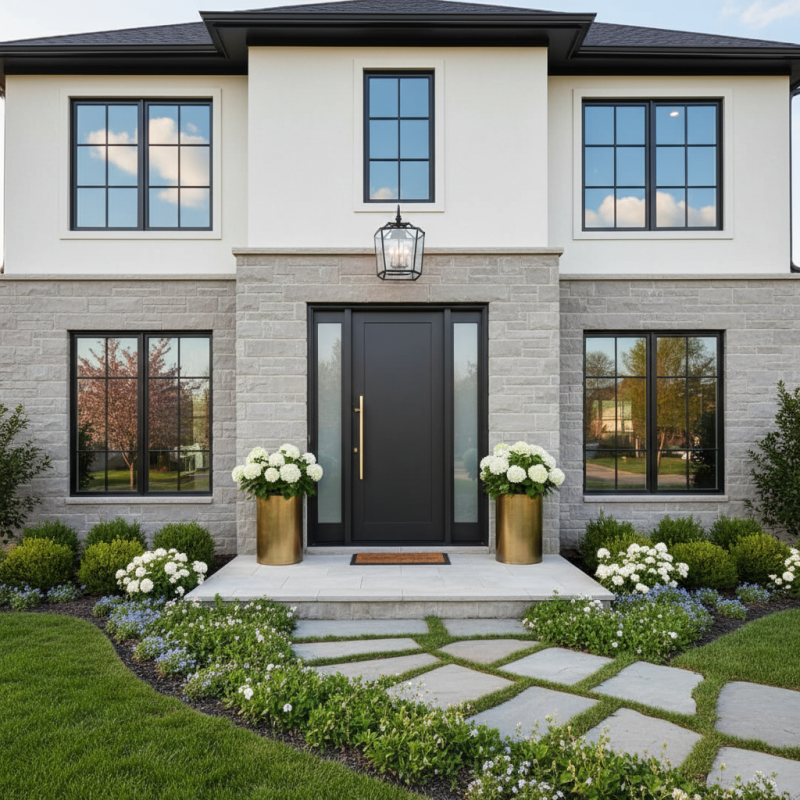
Choosing the right front door is crucial to enhancing your home's curb appeal. A well-chosen front door complements not just the architecture but also the surrounding landscape. According to a recent report from the National Association of Realtors, an attractive entryway can increase a home's perceived value by about 10%. When selecting a door, consider the style of your home. Traditional homes often pair well with classic wooden doors, while modern designs might benefit from sleek, minimalist options.
Architectural details are vital. A craftsman-style house might look best with a door featuring stained glass or unique hardware. Meanwhile, a contemporary design could shine with a simple, bold color. It's also important to think about the landscaping. Bright flowers or a well-maintained garden can guide the choice of color and design for the door. For example, a deep blue door can pop against lush green foliage. Still, don’t be afraid to experiment; sometimes, mismatching can yield unique results, though it may not always resonate with everyone.
The entryway often serves as the home's first impression, but balance is key. A grand door on a smaller house might overwhelm the façade. Moreover, if you choose a trendy design, consider how it will hold up against changing tastes. Elements like durability and maintenance should also play a role in your choice. Making mistakes here can lead to regret down the line, as trends can fade or become dated quickly.
2026 How to Choose Front Doors For Homes That Enhance Curb Appeal? - Tips for Complementing Front Doors with Home Architecture and Landscape
| Door Style |
Material |
Color |
Complementary Architecture Style |
Landscape Pairing |
| Modern |
Fiberglass |
White |
Contemporary |
Minimalist Garden |
| Craftsman |
Wood |
Dark Green |
Arts and Crafts |
Native Plants |
| Traditional |
Steel |
Charcoal |
Colonial |
Formal Hedge |
| Rustic |
Reclaimed Wood |
Barn Red |
Farmhouse |
Wildflower Meadow |
| Victorian |
Glass |
Lavender |
Victorian |
Cottage Garden |