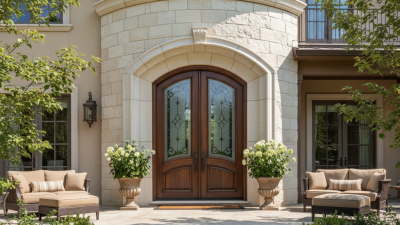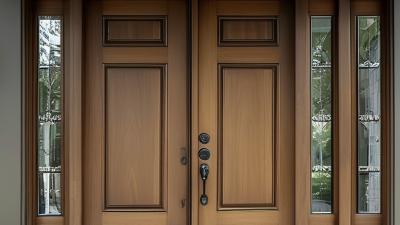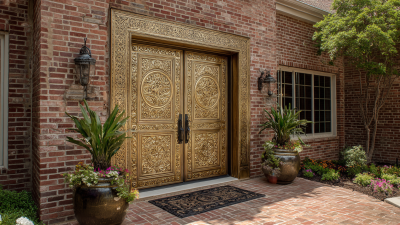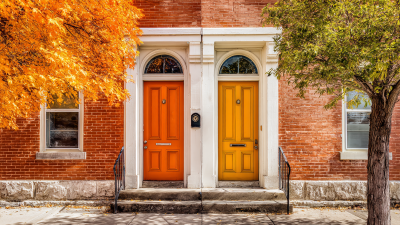



How to Choose Double Front Entry Doors for Your Home?

Choosing Double Front Entry Doors is not only a design decision. It affects security, comfort, weather resistance, and daily convenience. A wide entry can make a home feel welcoming, especially when morning light reaches the foyer. However, attractive doors may still perform poorly if their frames, seals, or hardware are unsuitable.

Begin with accurate measurements of the rough opening, wall thickness, and available swing space. Check whether the doors open inward or outward without blocking furniture, steps, or walkways. Material also matters. Fiberglass resists moisture and often requires less maintenance, while solid wood provides natural warmth but needs regular protection. Steel can offer strong security, although exposed surfaces may dent or develop rust. Details matter.

Glass panels deserve careful attention. Low-emissivity glass can improve energy performance, while laminated or tempered options may add safety and privacy. Examine the locking system, hinge strength, threshold design, and weatherstripping together. One weak component can reduce the value of the entire entry system. Looks can mislead.

Climate should guide the choice. Homes in windy or rainy areas need dependable seals and a properly supported frame. In colder regions, insulated cores and thermal breaks can help reduce drafts near the foyer. A professional installer should confirm plumb, level, and square conditions before final fastening. Manufacturer instructions and local building requirements should also be reviewed.

Even careful homeowners can overlook delivery access or door weight. That mistake is expensive. Consider maintenance, warranty coverage, replacement hardware, and long-term comfort before choosing a style. The best Double Front Entry Doors balance appearance with reliable performance, rather than chasing a perfect showroom impression that may not suit the home.
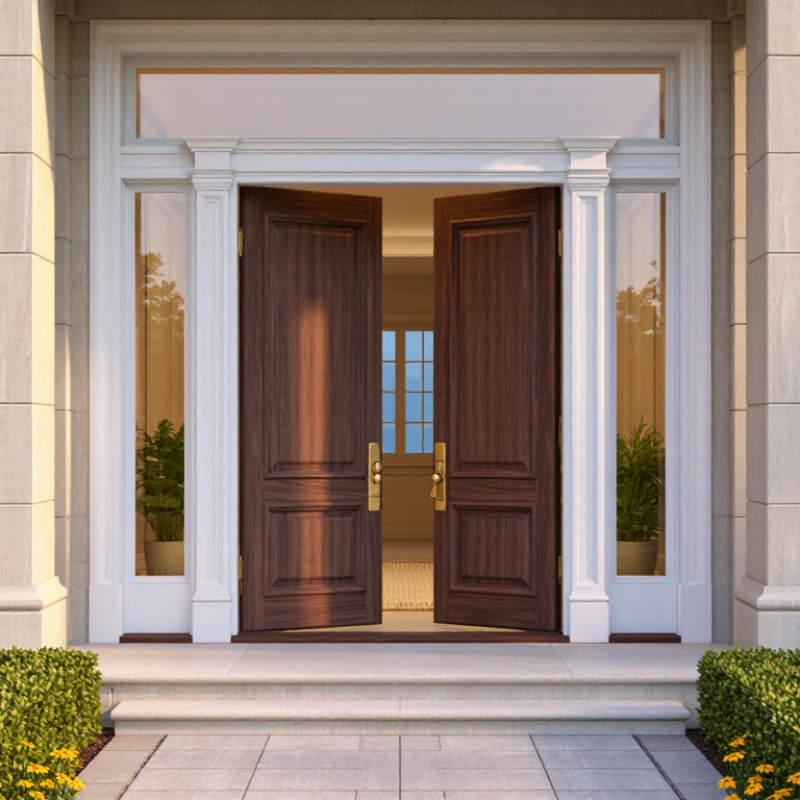
How to Choose Double Front Entry Doors for Your Home?

Define Your Home’s Entry Style and Doorway Requirements

How to Choose Double Front Entry Doors for Your Home?

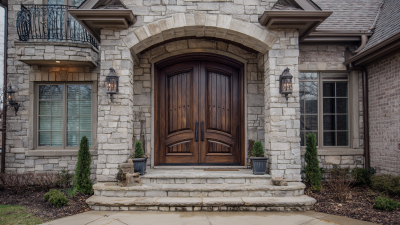
Define your home’s entry style before comparing door materials or finishes. A traditional home may suit divided glass, raised panels, or warm wood tones. A modern exterior often benefits from clean surfaces, narrow glass panels, and simple hardware. Look at your roofline, windows, porch columns, and exterior colors. The doors should feel connected, not randomly added.

Measure the doorway carefully. Record the rough opening, wall thickness, threshold height, and available swing space. A common double-door width ranges from 60 to 72 inches, but your entry may require a custom size. Check furniture paths and nearby walls before choosing inward or outward operation.

I once underestimated hallway clearance on a renovation. The doors looked excellent, but daily movement felt awkward.

Tips: Leave space for both door leaves to open fully. Confirm the active and inactive panels. Choose insulated cores, weather seals, and low-maintenance finishes for your climate. Ask a qualified installer to inspect framing, drainage, and load support. Small errors matter. Also consider accessibility, lock placement, and safe glass options near hand height. These details can change the entire doorway experience.

Measure the Opening for a Double Front Door Installation

How to Choose Double Front Entry Doors for Your Home?

Measure the opening carefully before choosing a double front door. An experienced installer checks width at the top, middle, and bottom. Record the smallest measurement, not the largest one. Measure height on both sides and through the center. Uneven floors can change the required door height. Check the wall depth, jamb condition, and threshold space too.

Tips: Use a steel tape measure. Keep the tape level. Measure twice. Write every number down. Do not rely on old plans.

The rough opening must provide enough space for shimming and adjustment. A door opening that looks square may still lean slightly. I have seen small errors create rubbing, drafts, and difficult locking. That is easy to overlook.

Check the opening with a level and a carpenter’s square. Also measure the clearance for both door panels, especially near walls, steps, and furniture. Confirm the expected opening direction before ordering. A few extra millimeters can matter. When the opening is damaged or seriously uneven, repair work may be needed before installation. Recheck the final measurements after removing trim, because hidden framing can surprise you.

Compare Door Materials, Designs, and Energy Performance

How to Choose Double Front Entry Doors for Your Home?

Double front doors create a wider, more welcoming entrance, but the center meeting point needs careful attention. Fiberglass resists moisture and usually requires less maintenance. Steel offers strong security and a stable surface, while wood provides natural warmth but needs regular sealing. In practice, material choice depends on climate, shade, and maintenance time. A beautiful wood door can still fail when exposed to constant rain.

Energy performance deserves equal attention. The National Fenestration Rating Council label reports U-factor and solar heat gain coefficient (SHGC). Lower U-factor generally means better insulation, while SHGC should match your climate and sunlight exposure.

A glazed double door may brighten a dark hallway, but oversized glass can increase summer heat. The U.S. Department of Energy reports that air sealing can reduce heating and cooling costs by 5% to 30% in some homes. That makes weatherstripping, an insulated frame, and an adjustable threshold important.

Check the meeting stile carefully. Small gaps there can create noticeable drafts. Energy Star guidance also emphasizes certified products and proper installation, not appearance alone. I have seen homeowners compare glass ratings while overlooking the threshold. That is an easy mistake. A door’s real performance depends on the complete assembly, including hinges, seals, frame, and installation quality. Perfect efficiency is unrealistic. Better detailing is achievable.

Select Hardware, Glass, Security Features, and Finishes

How to Choose Double Front Entry Doors for Your Home?

Double front doors create a generous entrance, but their width demands careful planning. Choose solid, adjustable hinges that support each door without sagging. A reinforced strike plate improves latch stability and everyday security. For glass, laminated panels offer better impact resistance and help hold broken pieces together. Tempered glass can be useful too, but it is not a complete security solution. Frosted or textured glass adds privacy while still bringing daylight into the hallway.

Security should include a reliable deadbolt, a multipoint locking system, and a reinforced frame. Check that both doors close evenly, especially where the passive door meets the active one. Weatherstripping around the frame reduces drafts, dust, and street noise. Ask a qualified installer to confirm the threshold drains water properly. Small installation errors often cause bigger problems later.

Tips:

Test the doors at different times of day. Morning light may reveal glare, while evening lighting exposes privacy gaps. Choose a finish that suits the home’s exterior, but consider maintenance too. Dark finishes can show dust and heat marks quickly. Wood offers warmth, yet it may need more upkeep. Fiberglass and metal can be steadier choices, though their appearance may feel less natural. I would not choose hardware by appearance alone. Grip comfort, corrosion resistance, and cleaning effort matter every day.

Review Installation Methods, Maintenance Needs, and Costs

How to Choose Double Front Entry Doors for Your Home?

Installation affects both performance and the final price of double front entry doors. A prehung unit arrives with a frame, making alignment easier during replacement work. A slab installation uses the existing frame, but accurate fitting requires more skill. Measure the opening, wall thickness, threshold, and swing direction before ordering. The installer should inspect surrounding framing for moisture or movement. If the opening is uneven, extra carpentry may be necessary. A properly fitted sill pan and continuous weather seal help prevent drafts and water damage. These details are easy to overlook.

Maintenance needs depend on the door material, finish, hardware, and exposure to sunlight. Wipe the surfaces with mild soap and water every few months. Check hinges, locks, weatherstripping, and drainage channels twice yearly. Recoat exposed wood when the finish begins to fade or crack. Glass panels need careful inspection around their seals. Small failures can become expensive. Costs include the doors, frame, hardware, delivery, labor, disposal, and possible structural repairs. I would keep a contingency fund, because even careful estimates can miss hidden rot.

Tips: Request an itemized quote. Compare installation methods, not only door prices. Ask who handles flashing and trim repairs. Test both doors before the crew leaves. They should close evenly without force. Photograph the opening before installation, too. It helps clarify unexpected changes and encourages more reliable workmanship.