Top Trends in Fold Doors for 2025: Enhance Your Home's Style and Functionality
As we look ahead to 2025, the design landscape continues to evolve, with architectural innovations transforming how we perceive our living spaces. One of the most captivating trends influencing modern home design is the rise of fold doors. These versatile fixtures not only enhance the aesthetic appeal of a home but also significantly improve its functionality. By seamlessly merging indoor and outdoor areas, fold doors create a spacious, airy atmosphere that encourages a harmonious lifestyle.
The appeal of fold doors lies in their ability to adapt to various design themes, whether contemporary or traditional. Homeowners are increasingly drawn to these stylish solutions, which offer a perfect combination of practicality and elegance. The increasing emphasis on sustainable living means that many fold door designs are also incorporating eco-friendly materials and energy-efficient technologies, further enhancing their allure. As we explore the top trends in fold doors for 2025, it becomes clear how they can dramatically elevate both the style and usability of any home, providing an ideal solution for those looking to balance form with function.
Top Trends in Fold Doors for Enhanced Home Aesthetics
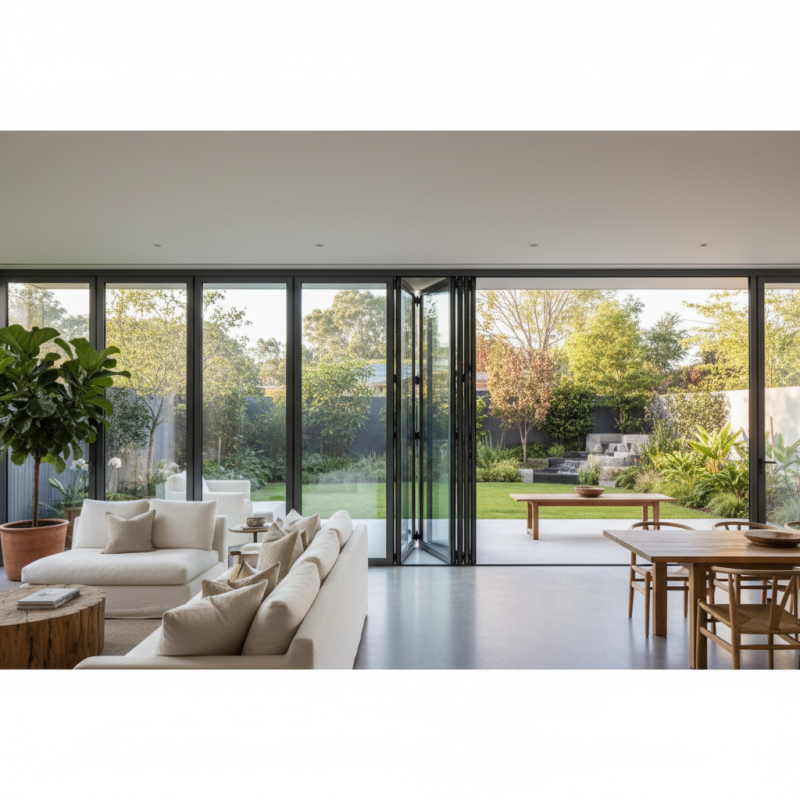
Fold doors are rapidly becoming a favored choice for homeowners looking to elevate their living space aesthetics while optimizing functionality. The trend for 2025 emphasizes the integration of contemporary designs with natural elements, offering a seamless transition between indoor and outdoor areas. This dual focus serves not only to enhance architectural beauty but also to promote a sense of spaciousness and light.
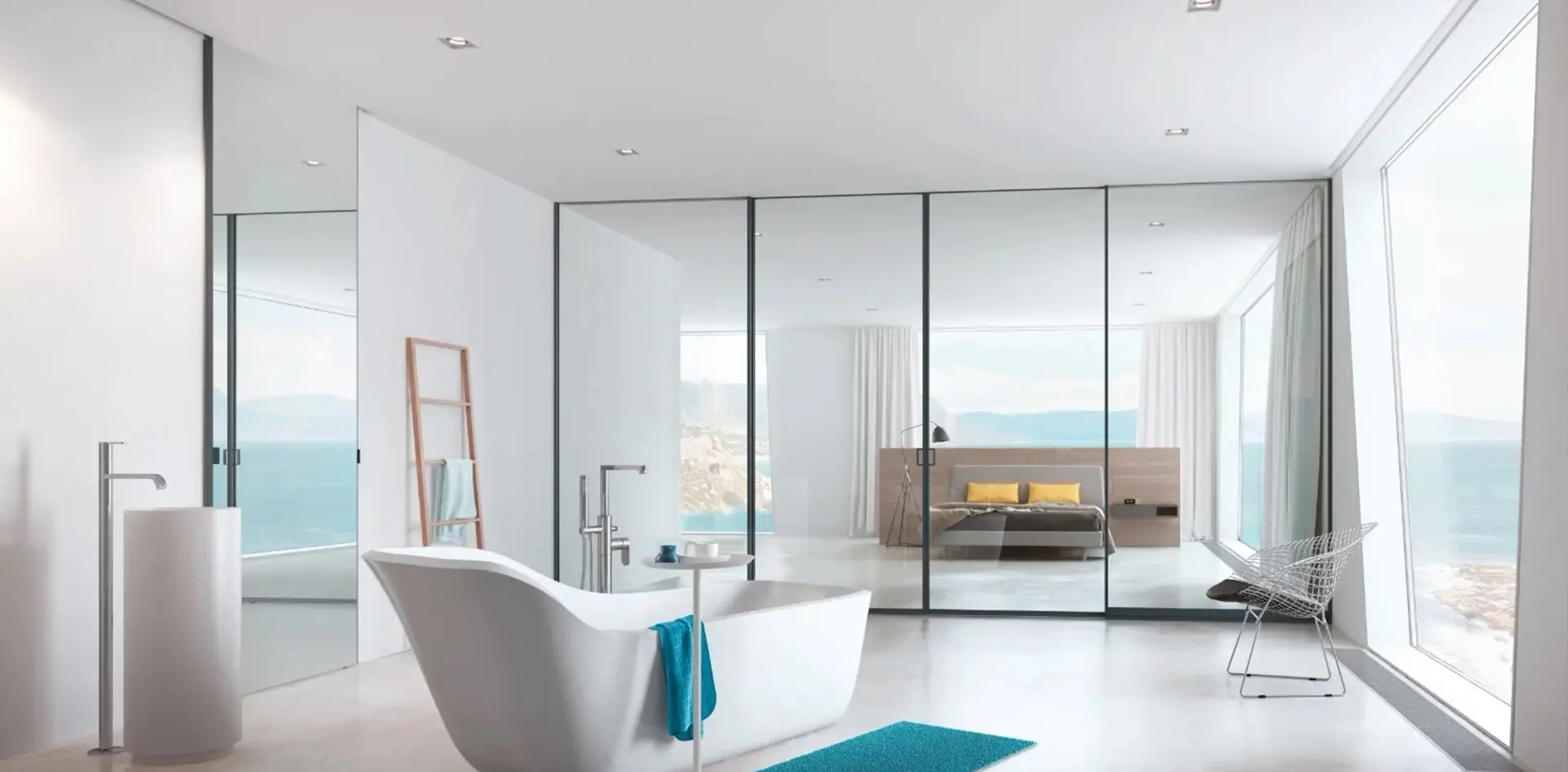
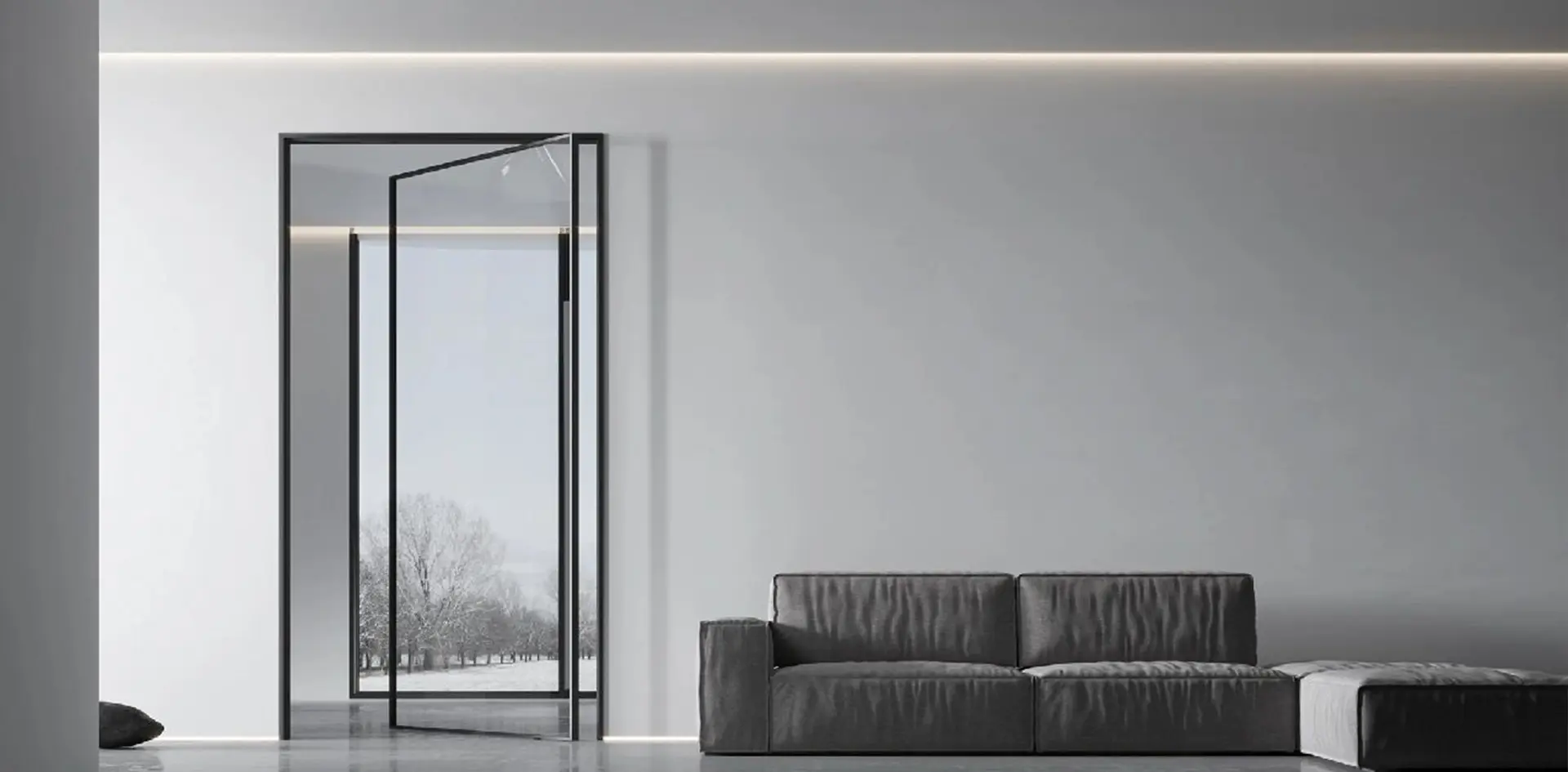
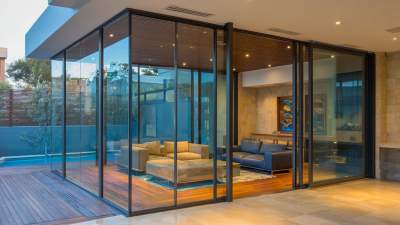
Clear glass panels framed in understated metal or wood are trending, allowing an abundance of natural light to flood interiors, thus enhancing the overall mood of the home.
In addition to their visual appeal, fold doors are recognized for their versatility. Homeowners are increasingly opting for configurations that allow for wider openings to facilitate better flow during social gatherings or family events. The use of bifolding mechanisms enhances usability, making it easy to connect spaces without sacrificing privacy when needed. Furthermore, innovative material advancements are leading to improved energy efficiency, making these doors a practical choice as well. As we look towards 2025, fold doors are not merely functional elements; they are integral to creating harmonious and sophisticated living environments that reflect individual style while offering practicality.
Innovative Materials Shaping the Future of Fold Doors
The landscape of fold doors is set to evolve dramatically in 2025, driven by innovative materials that not only enhance functionality but also elevate style.
One of the most significant trends is the emergence of advanced composite materials. These materials combine the durability of traditional options with lightweight and flexible characteristics. This innovation allows for larger door spans without compromising structural integrity, providing more expansive views and seamless transitions between indoor and outdoor spaces.
Another exciting development is the incorporation of smart glass technology in fold doors. This advanced feature enables homeowners to control privacy and light levels effortlessly. Smart glass can transition from transparent to opaque at the touch of a button, making it ideal for both aesthetics and energy efficiency. Additionally, the use of recycled and eco-friendly materials in fold door designs is becoming more prevalent, appealing to environmentally conscious consumers. As these materials gain popularity, they contribute to not only a stylish home but a sustainable one, reflecting the values of modern living.
Energy Efficiency Features in 2025 Fold Door Designs
As we look towards 2025, fold doors are set to evolve significantly, particularly in their energy efficiency features. Homeowners are increasingly prioritizing sustainability, and the latest designs reflect this trend by incorporating advanced materials that enhance thermal performance. These energy-efficient fold doors are designed with multi-chambered frames and insulated glass units, reducing heat transfer and ensuring a comfortable indoor climate year-round. The integration of such features not only helps maintain optimal temperatures inside the home but also contributes to lower energy bills, making these doors an attractive option for environmentally conscious consumers.
In addition to better insulation, fold doors in 2025 are expected to come equipped with state-of-the-art weather sealing technologies. These seals minimize air leakage, preventing drafts from infiltrating the home. Furthermore, new folding door designs may include solar control coatings that keep interior spaces cool during warmer months while still allowing natural light to flood in. This interplay of light and temperature control enhances the living experience, making fold doors not just a stylistic choice, but also a functional one that actively contributes to energy conservation and overall home efficiency. Such advancements underscore a shift towards more responsible design practices in home improvement, aligning aesthetics with ecological awareness.
Top Trends in Fold Doors for 2025
This chart showcases the projected popularity of various energy efficiency features in fold door designs for the year 2025. The data indicates a growing preference for features that enhance both style and functionality in home design.
Smart Technology Integration in Fold Door Systems
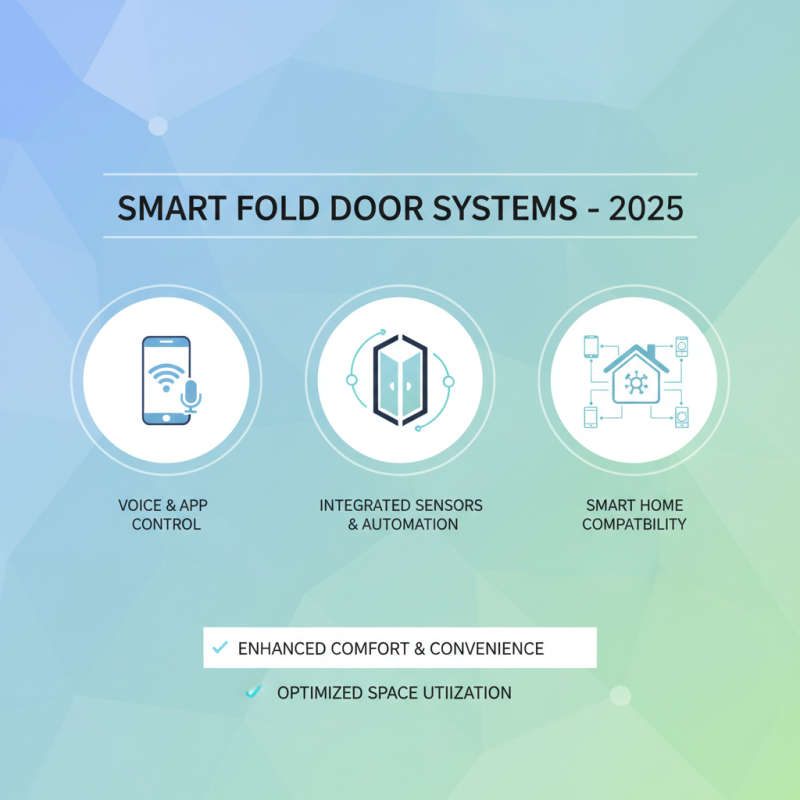
The integration of smart technology into fold door systems is poised to revolutionize how we interact with our living spaces in 2025. As homes become increasingly automated, the demand for adaptive and user-friendly features in fold doors is on the rise. Advanced mechanisms such as remote control operation, integrated sensors, and compatibility with smart home systems allow homeowners to enhance their comfort and convenience while optimizing the use of space. With the ability to open or close doors with a simple voice command or through a smartphone app, these systems not only improve accessibility but also elevate the overall living experience.
Moreover, the integration of smart technology enhances the energy efficiency of fold doors. Sensors can detect temperatures and adjust the openings accordingly, keeping indoor environments perfectly regulated. This not only contributes to reduced energy costs but also promotes sustainable living practices. Additionally, security features such as smart locks and surveillance cameras can be incorporated seamlessly, offering peace of mind while maintaining the aesthetic appeal of fold doors. As these technologies evolve, the possibilities for customization and interconnectedness with other smart home devices will position fold doors as essential elements in the modern home, marrying style with cutting-edge functionality.
Customizable Options for Personalizing Your Fold Doors
As homeowners increasingly seek to blend style with functionality, the demand for customizable fold doors has surged. According to the latest industry reports, the fold door market is expected to grow by 22% from 2023 to 2025, driven by innovations in design and materials. Customization plays a pivotal role in this trend, allowing homeowners to tailor their fold doors to fit their aesthetic preferences and functional needs. Options such as various frame colors, finishes, and glass types enable endless possibilities for personalization, thereby enhancing the overall ambiance of living spaces.
Tips for personalizing your fold doors include considering the architectural style of your home. For modern homes, sleek aluminum frames with large glass panels can create a luxurious open feel, while timber frames may better suit traditional designs. Additionally, integrating features like smart glass technology can boost energy efficiency and privacy. Homeowners should also explore different folding configurations, such as bi-fold or multi-slide options, to optimize space utilization and flow between indoor and outdoor areas.
Another essential aspect to consider is how fold doors can be harmonized with your interior decor. Using complementary colors and materials will enhance cohesiveness throughout your home. Research indicates that homes with well-coordinated design elements experience a notable increase in market value. Therefore, when choosing customizable options for your fold doors, envision how they can not only reflect your personal style but also uplift the overall home design.
Top Trends in Fold Doors for 2025: Enhance Your Home's Style and Functionality
| Trend |
Description |
Customization Options |
Material Choices |
Functionality Features |
| Bi-fold Doors |
Space-saving doors that fold to the side, providing wide openings. |
Color finishes, handle styles, and panel configurations. |
Aluminum, wood, and composite materials. |
Ease of use, energy efficiency, and security features. |
| Sliding Fold Doors |
Combine sliding and folding technologies for seamless transitions. |
Trackless options, glass types, and frame colors. |
Vinyl, fiberglass, and treated timber. |
Smooth operation and superior indoor-outdoor flow. |
| Elegant Hardware Design |
Stylish handles and hinges that enhance aesthetics. |
Variety of finishes including matte black, brushed nickel, and antique brass. |
Stainless steel and zinc alloy for durability. |
Top-quality locks and easy-reach designs. |
| Smart Door Technology |
Integration of smart features for increased security and convenience. |
Remote access, voice control, and automated locking systems. |
Durable polymers and high-density materials. |
Real-time monitoring and notifications through apps. |