Top 5 Essential Features to Look for When Choosing a House Door
When it comes to enhancing the security, aesthetic appeal, and functionality of your home, the selection of the right house door is a critical decision. A house door acts as the gateway to your sanctuary, providing not only protection but also a welcoming first impression for guests. With a multitude of options available on the market, it is essential to identify key features that will best suit your needs and preferences.
Choosing a house door involves more than just selecting a style or color; it requires careful consideration of various factors that influence durability, safety, and energy efficiency. From materials to design, the choices can be overwhelming, yet understanding what to prioritize can simplify the decision-making process. In this guide, we will explore the top five essential features to look for when choosing a house door, ensuring that you make an informed choice that enhances both the beauty and security of your home.
Key Considerations for Door Material Durability: Wood vs. Steel vs. Fiberglass
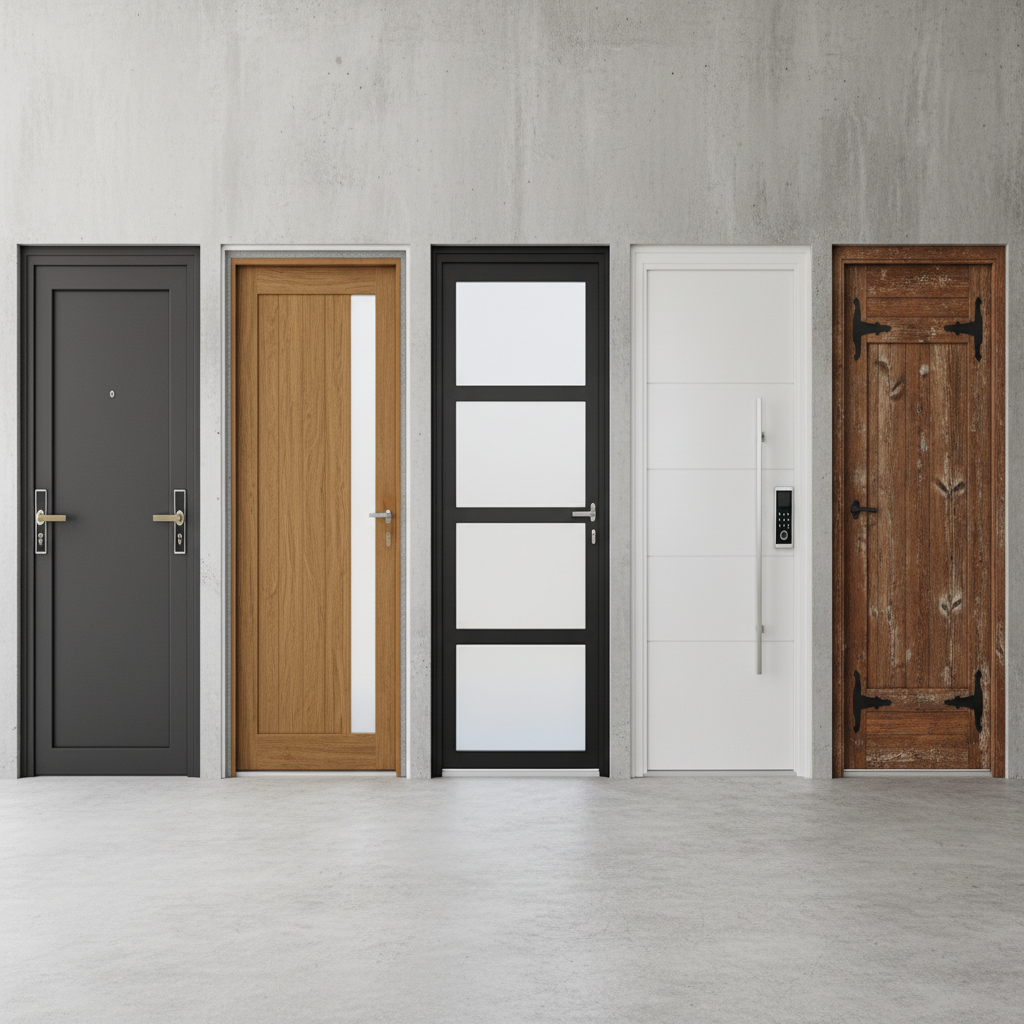
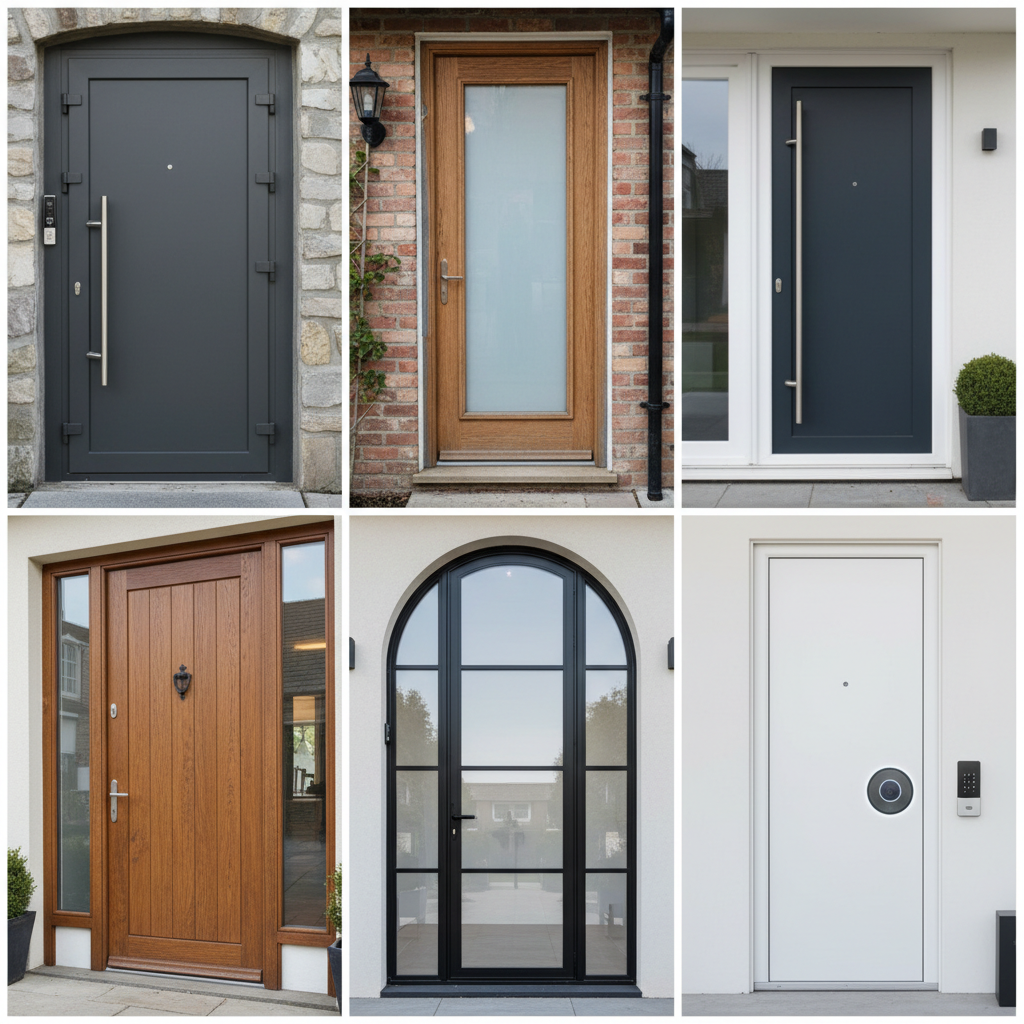
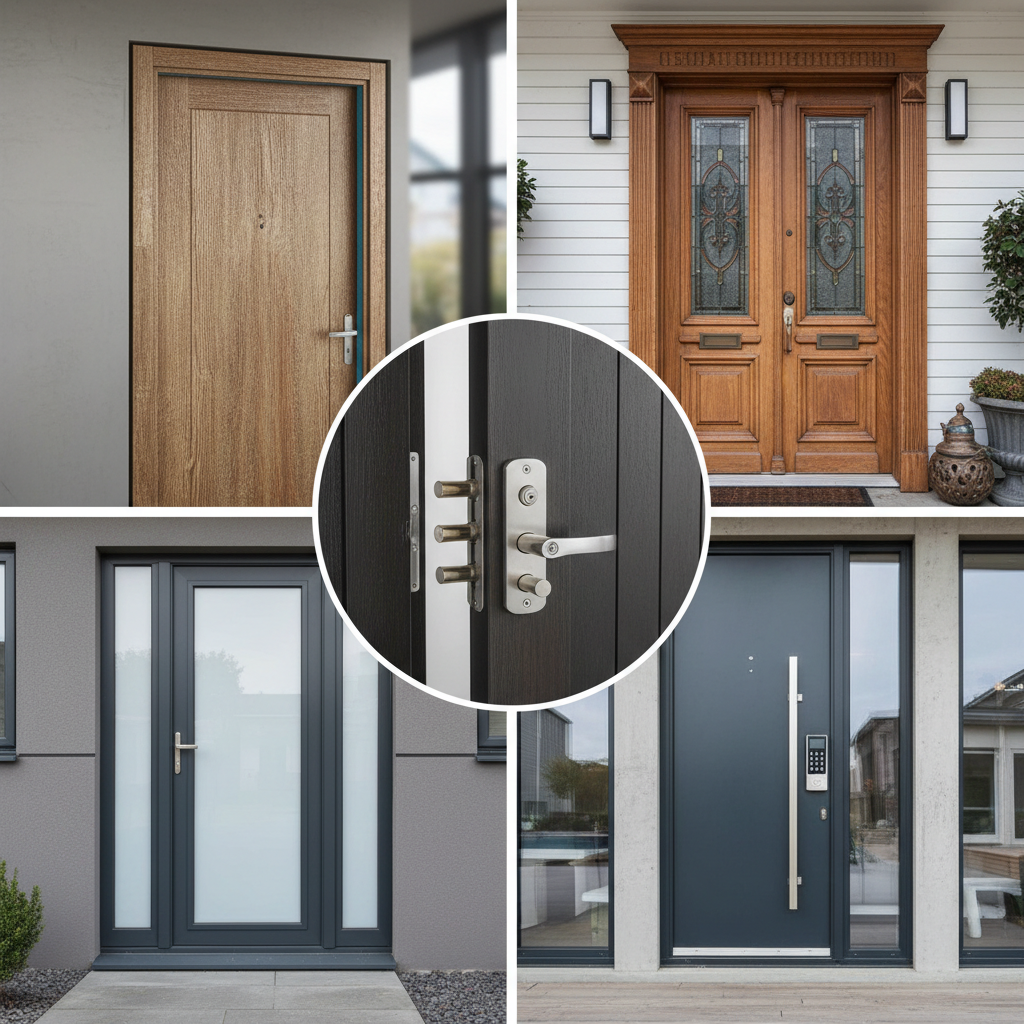 When selecting a house door, the choice of material is one of the most critical aspects to consider, especially when comparing wood, steel, and fiberglass. Each material offers distinct advantages and drawbacks in terms of durability and maintenance requirements.
Wood doors provide a classic look with natural beauty, but they may require regular upkeep to prevent warping or decay, especially in humid climates.
Steel doors, on the other hand, offer superior security and resistance to dents and weathering, making them an excellent choice for homeowners seeking durability. However, they can be prone to rust if not properly treated and maintained.
When selecting a house door, the choice of material is one of the most critical aspects to consider, especially when comparing wood, steel, and fiberglass. Each material offers distinct advantages and drawbacks in terms of durability and maintenance requirements.
Wood doors provide a classic look with natural beauty, but they may require regular upkeep to prevent warping or decay, especially in humid climates.
Steel doors, on the other hand, offer superior security and resistance to dents and weathering, making them an excellent choice for homeowners seeking durability. However, they can be prone to rust if not properly treated and maintained.
Fiberglass doors are increasingly popular due to their impressive energy efficiency and resilience against the elements.
These doors can mimic the appearance of wood while offering enhanced durability, making them a low-maintenance alternative. They do not warp or crack and are resistant to fading, providing long-lasting performance.
Ultimately, the choice between wood, steel, or fiberglass should align with personal aesthetic preferences, local climate conditions, and the desired balance between style and functionality.
Energy Efficiency Ratings: Understanding U-Factor and Solar Heat Gain Coefficient
When selecting a house door, understanding energy efficiency ratings is crucial. Among the key metrics to consider are the U-Factor and the Solar Heat Gain Coefficient (SHGC). The U-Factor measures the rate at which heat is lost through the door, with lower values indicating better insulation properties. A door with a low U-Factor can significantly reduce heating and cooling costs, making it an essential feature for any energy-conscious homeowner.
The Solar Heat Gain Coefficient, on the other hand, evaluates how much solar radiation passes through the door. A lower SHGC means reduced heat gain from sunlight, which is particularly beneficial in warmer climates where air conditioning costs can quickly escalate. Selecting a door with an optimal balance between U-Factor and SHGC not only enhances the energy efficiency of your home but also improves indoor comfort levels throughout the year. Prioritizing these ratings when choosing a door can lead to long-term savings and a more sustainable living environment.
Security Features: Importance of Multi-Point Locking Systems and Impact Resistance
When selecting a house door, security features are paramount.
One essential aspect to consider is the installation of multi-point locking systems.
According to a report by the Home Security Research Foundation, homes equipped with multi-point locks experience a
30% reduction in break-ins compared to those with standard single-point locks.
This is because multi-point locks secure the door at multiple points along the frame, making it significantly harder
for intruders to force their way inside.
Another critical factor is impact resistance.
The National Institute of Standards and Technology emphasizes that doors with high impact resistance can withstand forces
that might compromise weaker models during harsh weather conditions or attempted break-ins.
For instance, doors made from fiberglass or reinforced steel often meet or exceed the ASTM F588 standard for impact resistance.
Investing in these robust door designs not only enhances security but also contributes to the overall energy efficiency
and durability of the home, ultimately safeguarding your property and providing peace of mind.
Aesthetic Appeal: Trends in Door Design and Color Choices in 2023
In 2023, the aesthetic appeal of a house door has taken center stage, with designers focusing on vibrant colors and unique designs that enhance curb appeal. The trend is shifting away from the minimalist "vanilla girl" aesthetic, favoring richer, warming shades like burgundy and verdant green. These colors are becoming increasingly popular for front doors, as they provide a bold statement and invite warmth into the home.
White doors remain a classic choice, symbolizing simplicity and elegance. However, the recent trend also highlights the appeal of darker hues, such as deep blues and greens, which are expected to dominate the market in 2024. This year's bold door colors not only catch the eye but also align with a growing preference for authenticity in home design, reflecting a homeowner's unique style and personality. As we move towards 2025, these color trends are set to inspire a wave of fresh looks for front doors, blending traditional elegance with contemporary vibrancy.
Maintenance Requirements: Long-Term Care for Different Door Materials and Finishes
When selecting a house door, understanding the maintenance requirements for various materials and finishes is crucial for ensuring longevity and aesthetic appeal. Wooden doors, while offering a classic and warm look, often require regular sealing or painting to protect against moisture and pests. It's essential to inspect the door for signs of wear and reapply finishes at least every few years. This upkeep can prevent rot and extend the life of the door significantly.
On the other hand, fiberglass and steel doors tend to require less maintenance, making them attractive options for homeowners seeking durability with minimal effort. Fiberglass doors are resistant to dents and scratches and typically just need an occasional wash with soap and water. Steel doors, while sturdy, may develop rust over time; hence, checking for any signs of corrosion and applying a protective coating periodically is important. Understanding these maintenance needs allows homeowners to make informed decisions based on their lifestyle and the regional climate, ultimately enhancing the door’s lifespan and performance.
Top 5 Essential Features to Look for When Choosing a House Door
This chart illustrates the maintenance frequency required per year for different types of house door materials. Wood doors typically require more frequent maintenance, while fiberglass and aluminum doors require the least. Understanding these needs can help homeowners make informed decisions about door materials and long-term care.