What is a Door Flush Door and How Does It Work?
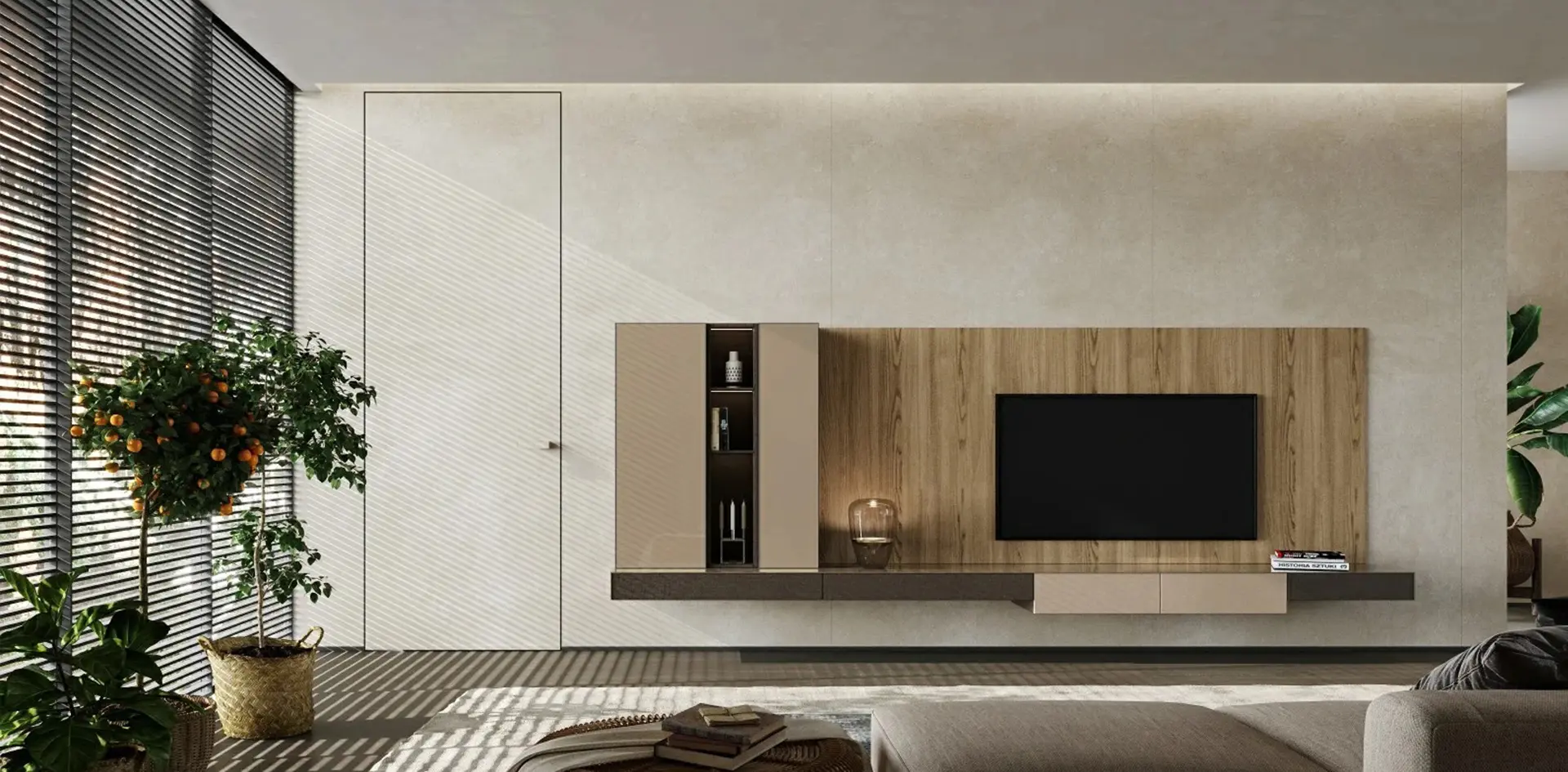
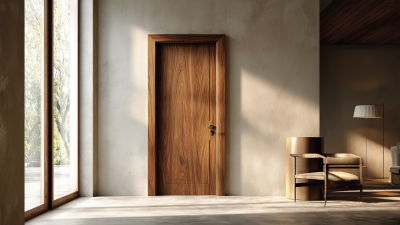
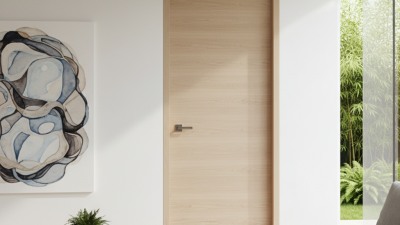
A Door Flush Door is a distinct type of door that blends seamlessly with its surroundings. This design is increasingly popular in modern architecture due to its sleek appearance. A flush door lies flat against the wall, providing a clean aesthetic that enhances the overall décor.
Understanding how a Door Flush Door operates is essential for homeowners and builders. It typically consists of a solid core or hollow core, providing stability and lightness. Many users appreciate their durability and low maintenance. However, some may overlook the importance of proper installation. An incorrectly mounted door may not close properly, leading to frustration.
Choosing a Door Flush Door requires careful consideration. Homeowners must weigh the benefits against potential drawbacks, like limited insulation. A flush door can look strikingly simple but can also feel uninviting without the right hardware. Investing time to select the right features can greatly affect functionality and style. Balancing aesthetics and practical use is crucial in door selection.
What is a Flush Door?
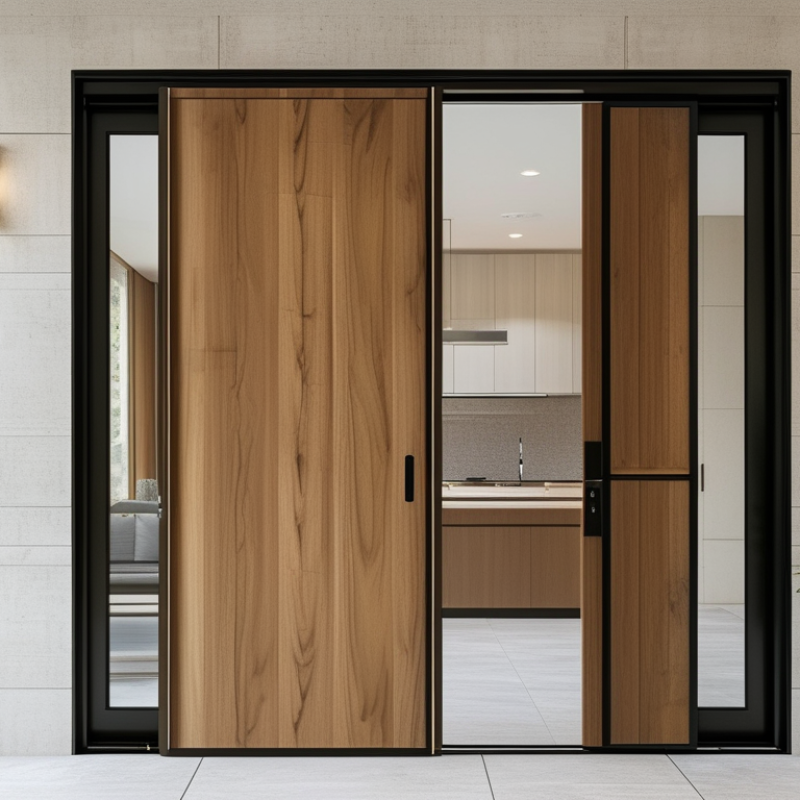
A flush door is a type of door characterized by its flat, smooth surface. Unlike traditional panel doors, flush doors have no visible frames or panels, providing a sleek, modern appearance. These doors are commonly made from plywood, MDF, or solid wood, making them suitable for both residential and commercial use. The construction method allows for versatility in design and easy customization, meeting various aesthetic needs.
According to the American Wood Council, flush doors represent a significant portion of the door market due to their efficiency and simplicity. Their clean lines make them easy to integrate into diverse architectural styles. Additionally, flush doors typically require less maintenance compared to their more ornate counterparts, which can be a deciding factor for many homeowners.
Tip: When selecting a flush door, consider its core material. A hollow core door is lighter and more economical, while a solid core provides better sound insulation and durability.
In some circumstances, the design of flush doors can pose challenges. Their minimalist style may not suit every environment, leading to feelings of sterility. A well-placed accent, like a unique door handle or decorative trim, can mitigate this. It's essential to visualize how these doors will interact with your space before making a decision.
Comparison of Door Types Based on Popularity
This chart shows the popularity of various types of doors including Flush Doors, Panel Doors, French Doors, Sliding Doors, and Dutch Doors. The popularity is represented based on search interest, indicating the relative preference among consumers or builders.
Key Features of Flush Doors
Flush doors have gained popularity for their sleek, modern appearance and functional design. One of the key features of flush doors is their flat surface. This design not only adds a contemporary feel to any space but also makes cleaning and maintenance easier. Without raised panels or intricate detailing, dust and grime have fewer places to accumulate.
Another significant aspect of flush doors is their construction. Typically made from solid or hollow-core materials, they offer substantial durability. Solid-core flush doors provide excellent sound insulation, making them ideal for bedrooms or offices. In contrast, hollow-core options are lightweight and more cost-effective, suiting interior applications where heavy-duty performance is less critical.
While flush doors appear simple, their installation requires careful planning. It's crucial to ensure proper alignment within the frame to avoid operational issues. Misalignment can lead to gaps that compromise insulation or security. Choosing the right type of flush door means understanding both the aesthetic needs and functional requirements of your space. This detail-oriented approach can lead to better results and satisfaction with your choice.
How Flush Doors Are Constructed
Flush doors are modern and practical. They are designed without any protrusions. Their flat, even surface allows for easy maintenance and a sleek aesthetic. The construction of flush doors involves several key materials, which contribute to their overall performance and durability.
Typically, flush doors are made from a core material, such as solid wood, honeycomb, or polystyrene. Wood can provide strength, while honeycomb cores are lightweight and economical. According to industry reports, around 70% of interior doors sold in the U.S. in 2022 were flush doors due to their affordability and versatility. The exterior surface is usually covered with veneer, laminate, or fiberglass, which further increases moisture resistance.
Manufacturing flush doors requires precision. The edges are often reinforced to withstand wear. However, not all flush doors are created equal. Some may warp over time, particularly in areas with high humidity. Consumers should consider the environment where the door will be installed. Flush doors offer a solution that fits many design aesthetics. They occupy a vital space in both residential and commercial buildings, blending functionality and style seamlessly.
What is a Door Flush Door and How Does It Work? - How Flush Doors Are Constructed
| Dimension |
Measurement |
Material |
Construction Method |
Advantages |
| Standard Height |
80 inches |
HDF or MDF |
Pressed and Laminated |
Smooth Surface with Modern Aesthetic |
| Standard Width |
30 inches |
Solid Core |
Stiles and Rails Construction |
Enhanced Durability |
| Thickness |
1.3 inches |
Particle Board |
Veneered and Solid |
Sound Insulation |
| Finish Options |
Primed or Pre-finished |
Wood Veneer |
Lacquer or Paint |
Customizable Appearance |
| Weight |
45-100 lbs |
Fiberboard |
Factory Assembled |
Stability and Support |
Benefits of Using Flush Doors
Flush doors are a popular choice in modern architecture due to their sleek and minimalist design. They offer a smooth surface, making them easy to clean and maintain. This simple design can fit seamlessly into various interior styles, providing a cohesive look throughout a space. The simplicity of a flush door can elevate the overall aesthetic without overwhelming the room.
One significant benefit of flush doors is their versatility. They can be painted or stained to match any décor. This allows homeowners to customize their doors according to their personal taste. Additionally, flush doors are often made from solid materials, providing excellent durability and strength. This can lead to improved insulation and soundproofing benefits in any living environment.
Choosing flush doors also promotes modern efficiency. Their straightforward design reduces wasted material during production, which can be less harmful to the environment. However, it’s important to consider the context; they may not offer the same aesthetic appeal in more traditional settings. Therefore, evaluating your space is essential when deciding whether flush doors are a perfect fit.
Applications and Common Uses of Flush Doors
Flush doors are commonly used in various settings due to their simple design and practicality. They are essentially flat doors that offer a sleek appearance, making them a perfect choice for modern interiors. These doors can be made from a variety of materials, including wood, fiberglass, and metal. Each material serves different aesthetic and functional purposes.
One of the primary applications of flush doors is in residential homes. They are frequently used for bedrooms, bathrooms, and utility rooms. Their smooth surface allows for easy painting or staining to match any decor. Additionally, they fit well into contemporary designs, which prioritize minimalism. In commercial environments, flush doors are often used in office buildings and hospitals. Their durability and ease of maintenance make them ideal for high-traffic areas.
However, some people may find flush doors too plain for their taste. In areas where visual appeal is crucial, a more decorative option might be preferable. They can lack the character that paneled or ornate doors provide. This subtlety can be both a plus and a drawback depending on the desired aesthetic. In the end, the choice of a flush door should consider both function and style.