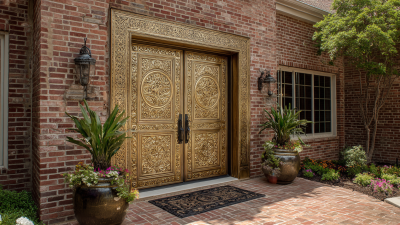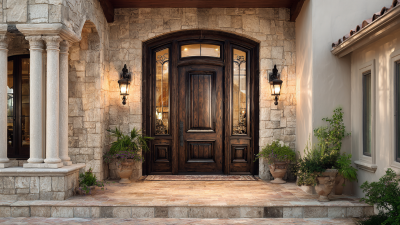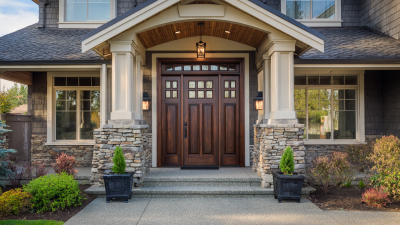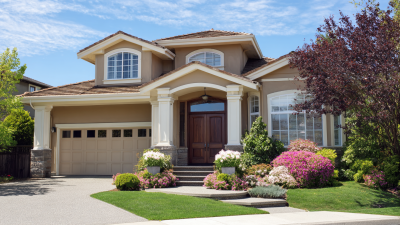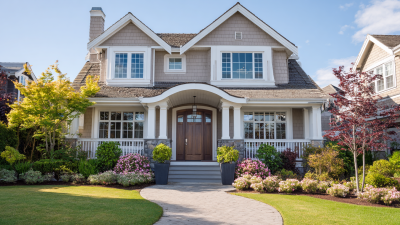


Choosing the right house front doors is crucial for any homeowner. The front door is the first thing visitors see. It sets the tone for your home’s exterior and enhances curb appeal. A well-chosen door can improve security while offering style.
When selecting house front doors, consider material and design. Are you drawn to wood, fiberglass, or steel? Each option has its unique benefits. Think about color and finish, too. A bright color can make a statement, while a classic finish exudes elegance.
Reflect on your lifestyle and needs. Do you have children or pets? A sturdy door may be essential. Also, the door's energy efficiency is important. This choice can affect your energy bills. House front doors are more than just entry points; they define the character of your home.
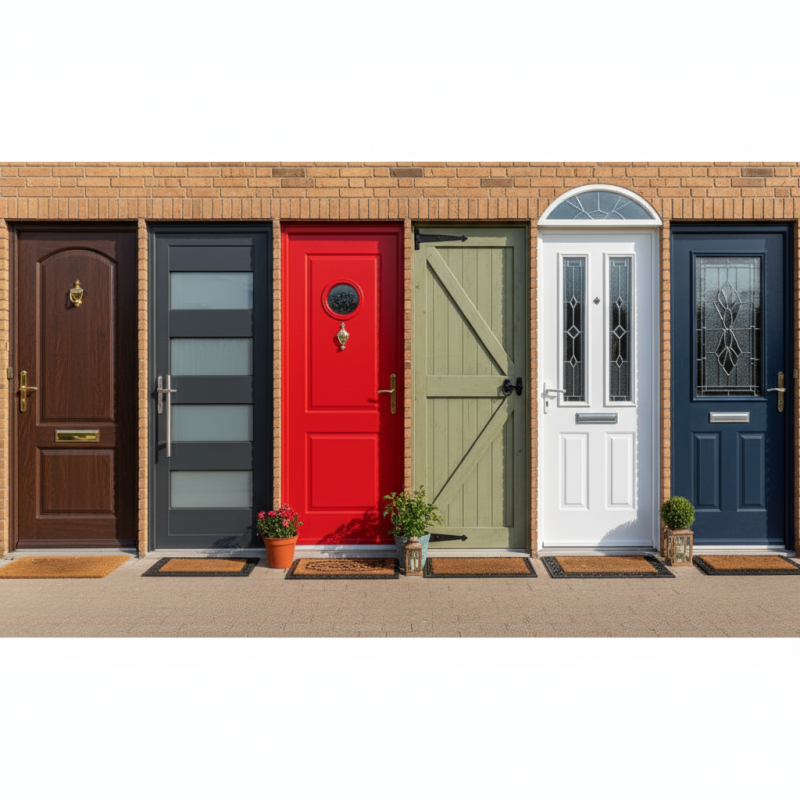
Selecting the right front door is essential for your home’s appeal and security. One key factor is material. Steel doors provide excellent security but may not offer the best insulation. On the other hand, wooden doors look great but can warp over time. According to a study from the American Plywood Association, nearly 30% of homeowners replace their front doors due to weather damage.
Another aspect to consider is the door's style. A traditional door may not blend well with a modern home design. Conversely, contemporary styles could clash with classic architecture. Research from the National Association of Realtors indicates that the style of your front door can impact the perceived value of your home, sometimes by up to 10%.
Energy efficiency is another crucial point. A door with a poor energy rating can lead to higher utility bills. However, some energy-efficient doors can be pricier upfront. In a recent survey, around 40% of homeowners expressed regret over their door choice after discovering its inefficiency. They wished they had prioritized energy ratings from the start.
| Factor | Description | Importance (1-5) |
|---|---|---|
| Material | Choose between wood, steel, fiberglass, or vinyl based on durability and aesthetic. | 5 |
| Security | Look for doors with features like strong locks and reinforced frames. | 5 |
| Energy Efficiency | Select insulated doors to maintain indoor temperature and reduce energy costs. | 4 |
| Style and Design | Select a style that complements your home’s architectural design. | 4 |
| Cost | Consider your budget, but balance cost with quality and features. | 3 |
| Maintenance | Evaluate how much maintenance is required for different materials. | 3 |
When choosing the best house front doors, material plays a crucial role. Wood, fiberglass, and steel are three common options. Each material offers unique benefits. According to a report by the National Association of Realtors, 48% of potential buyers prioritize a home's entry door. Wood doors provide warmth and aesthetic appeal. They are customizable and can be painted or stained. However, they require regular maintenance to prevent warping or rot.
Fiberglass doors are increasingly popular. They offer energy efficiency and durability. A study from the U.S. Department of Energy notes fiberglass doors can save homeowners up to 20% on energy costs. However, they might lack the charm of natural wood.
Steel doors are another sturdy choice. They are strong and provide excellent security. The Steel Door Institute reports that steel doors can reduce forced entries by 60%. But on the downside, they may dent easily and are prone to rust if not properly treated.
Consider your lifestyle when selecting door materials. Do you want a door that needs little maintenance? Or do you prefer the look of wood despite the upkeep? Each choice has its pros and cons. Reflect on these aspects to find the right fit for your home.
Choosing the right front door can transform your home's appearance. The front door is the first impression visitors have. It sets the tone for your entire space. Colors matter. Bright hues can make a bold statement, while muted tones create a calming atmosphere. Consider how your door color complements your home's exterior.
Material choices also impact your door's aesthetic. Wood offers warmth and texture, while metal can provide a modern edge. Glass inserts can enhance light and visibility. However, maintaining different materials presents challenges. Wood may require regular staining, and glass might need frequent cleaning.
Styles vary widely, from traditional to contemporary. Think about the architecture of your home. A sleek, modern door might clash with an antique house. Reflecting on your home's character helps guide your choice. Explore different styles until something clicks. Don't rush. The right front door balances function and beauty.
When choosing a front door, security features are crucial. According to the Bureau of Justice Statistics, nearly 2.5 million burglaries occur annually in the United States. A strong door can deter intruders effectively. Look for doors made from solid materials.
Steel and fiberglass offer superior strength compared to traditional wood.
Additional security elements can enhance your front door’s protective capabilities. Deadbolt locks are essential. A study by the National Institute of Standards and Technology reveals that deadbolts can increase theft resistance by over 80%. Installing a peephole or a smart doorbell helps you see who is at the door without opening it.
Not all doors have the same safety features. Some may look great but lack durability. Upgrading your door frame with reinforced hinges can make a big difference. It’s important to consider how your door will withstand forced entry. A well-secured front entry boosts safety and provides peace of mind. In an ever-changing environment, prioritizing security while maintaining aesthetics is vital.
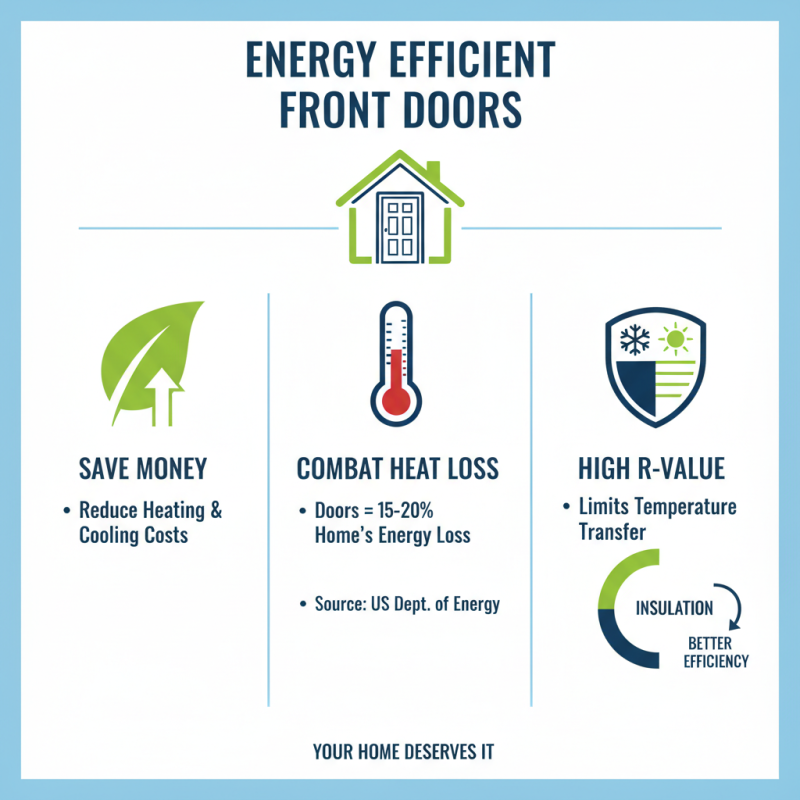
When selecting front doors, energy efficiency is crucial. A well-insulated door can significantly reduce heating and cooling costs. According to the U.S. Department of Energy, heat loss through doors can account for 15-20% of a home’s energy expenses. Choosing a door with a high R-value can limit this loss.
Materials matter. Steel and fiberglass doors often outperform wood in insulation. They offer better resistance to weather extremes. Look for doors with Energy Star certification. These products are designed to manage thermal performance effectively. They can provide tangible savings on energy bills.
Tip: Always check the door's u-value. A lower u-value indicates better insulation. Try to measure your space for the perfect fit. Poor fitting can lead to drafts, undermining efficiency. Regularly inspect seals for wear. These details matter in maintaining energy efficiency.