How to Choose the Perfect House Front Doors for Your Home Style
Choosing the perfect house front doors is a crucial step in defining the overall aesthetic and functionality of your home. The front door serves as the gateway to your residence, setting the tone for what lies beyond while also providing security and energy efficiency. With an array of styles, materials, and designs available, selecting the right doors can be both exciting and overwhelming.
In this guide, we will delve into the various factors to consider when choosing house front doors that align with your architectural style and personal preferences. From modern sleek designs that embody contemporary minimalism to classic wooden doors that evoke timeless charm, understanding the diverse options can help you make an informed decision. Additionally, we will explore essential aspects such as durability, maintenance, and insulation, ensuring your choice not only complements your home’s exterior but also meets practical needs. By the end of this guide, you’ll be equipped with the knowledge to pick the ideal house front doors that enhance your home’s appeal and value.
Understanding Different Home Styles and Their Characteristics
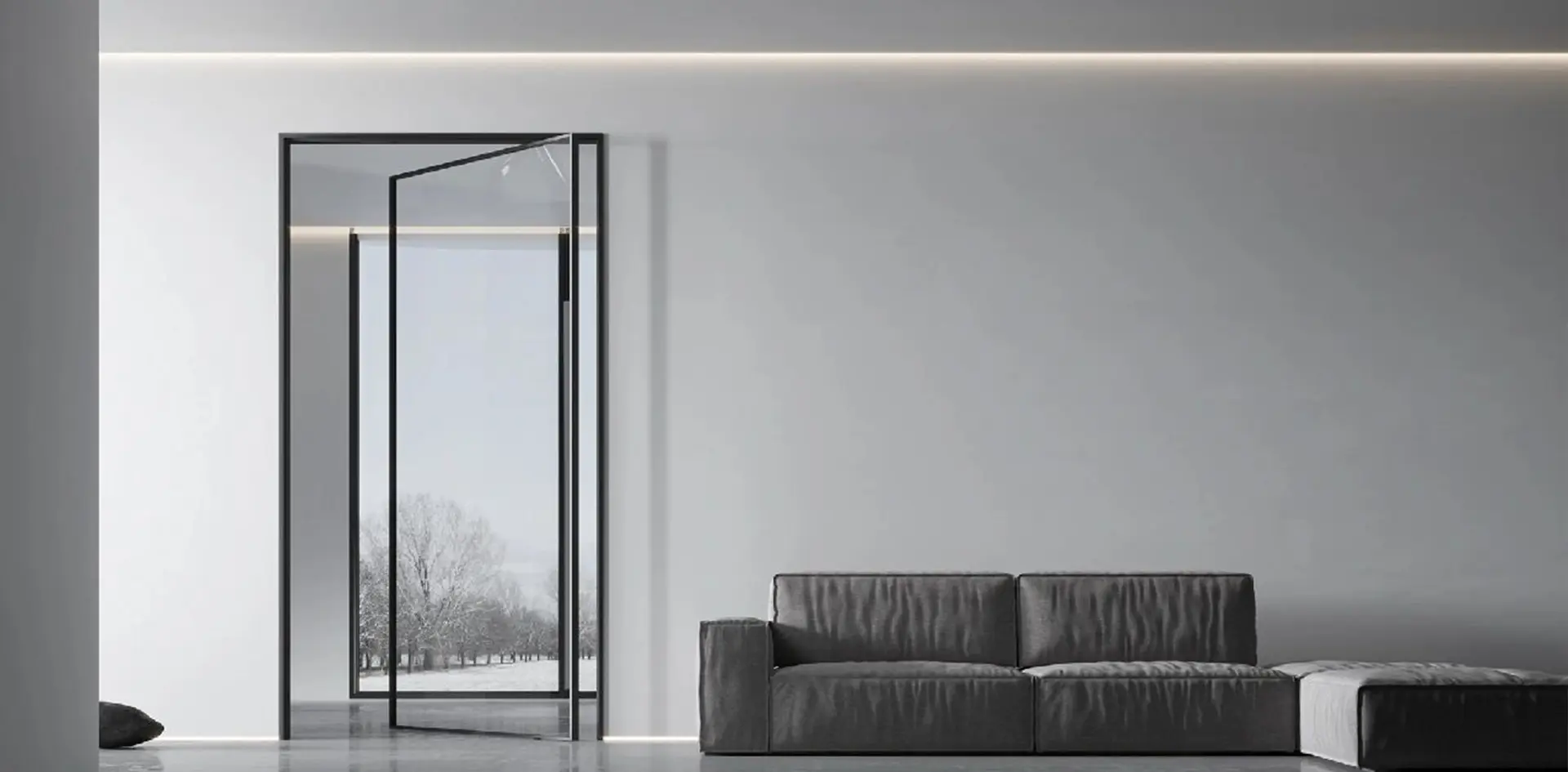
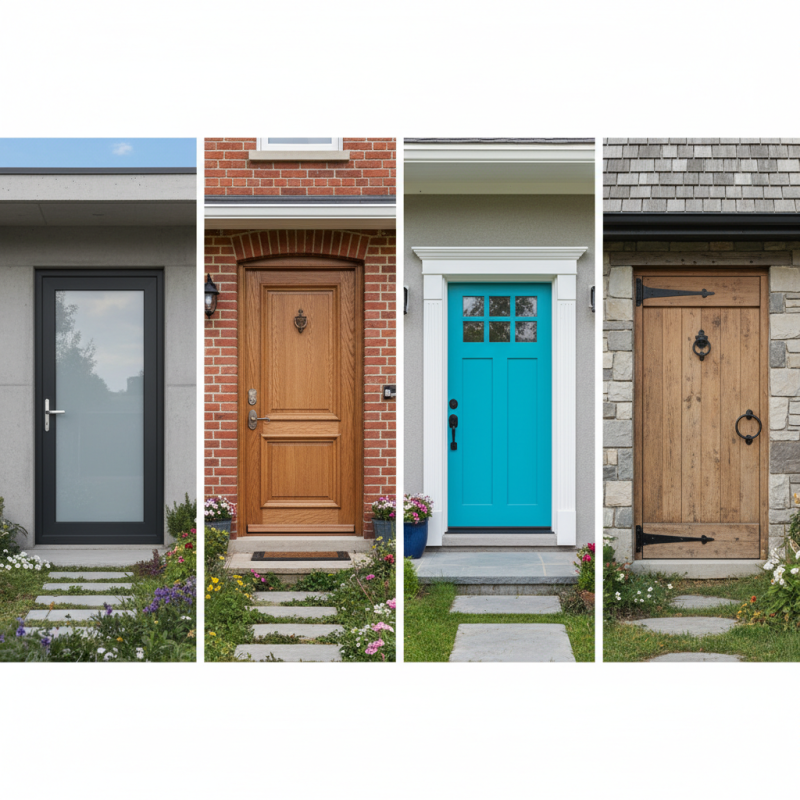
When it comes to choosing the perfect front door for your home, understanding your home’s architectural style is essential. Each style comes with its own unique characteristics, which can influence not only the aesthetics but also the functionality of the door. For example, a traditional craftsman home often features doors made of rich wood with intricate paneling and detailing, exuding a warm and welcoming vibe. In contrast, a modern minimalist home typically opts for sleek lines and materials like glass or metal, mirroring the simplicity and clean design of the overall structure.
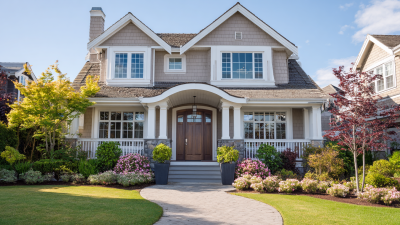
Another significant consideration is how the door complements or contrasts with existing elements of your home. Colonial-style homes may benefit from symmetrical designs with muted colors, while a Mediterranean-style abode often looks best with arched entries and bright paint finishes. Understanding these characteristics can guide you in selecting a door that enhances your home’s visual appeal and aligns with its overall design ethos. By focusing on these details, you can ensure that your choice of front door not only complements your home’s style but also reflects your personal taste.
Exploring Materials: Wood, Steel, Fiberglass, and Glass Options
When selecting the perfect front door for your home, the choice of material is paramount, as it not only impacts the aesthetic appeal but also the durability and security of your entryway. Wood doors, often praised for their natural beauty and warmth, can significantly enhance the charm of a traditional or rustic home. According to the National Association of Realtors, nearly 75% of home buyers consider a front door’s appearance to be essential to their overall impression of a home. However, wood can be susceptible to warping and rotting if not properly maintained, necessitating periodic upkeep.
On the other hand, steel doors are increasingly favored for their strength and energy efficiency. The U.S. Department of Energy highlights that insulated steel doors can save homeowners up to 20% on heating and cooling costs. Furthermore, a well-installed steel door can provide enhanced security features, making it a practical option for urban settings. Fiberglass doors, which mimic the look of wood while offering superior resistance to the elements, are also gaining traction. The Fiber Composites Industry reports that these doors are up to five times more energy-efficient than traditional doors, underscoring their appeal in today's environmentally conscious market. Lastly, glass options, particularly tempered or laminated variants, can add a modern touch while allowing natural light into your entrance, balancing style and functionality.
Front Door Material Preferences by Home Style
Design Elements: Colors, Shapes, and Hardware Combinations
When selecting the perfect house front door, the design elements you choose can significantly impact your home’s curb appeal. Colors play a crucial role; for instance, a vibrant red or a deep blue door can make a bold statement, while softer hues like pastel greens or creams can create a welcoming atmosphere. Additionally, the finish of the door—whether matte, glossy, or textured—will interact differently with light and surroundings, ultimately affecting the visual appeal. Depending on your home’s style, opting for classic or trendy colors can enhance the architectural features and provide a cohesive look.
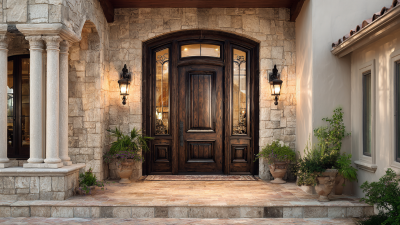
Shapes and sizes are also essential considerations when choosing a front door. Traditional homes often benefit from doors with intricate designs, such as arched tops or paneled patterns that reflect their period style. Conversely, contemporary styles may call for sleek, geometric designs with minimal embellishments, emphasizing simplicity and elegance. The door hardware, including handles, hinges, and locks, should harmonize with the overall theme. For instance, ornate brass fixtures can enhance a vintage look, while brushed nickel or matte black hardware complements modern aesthetics. By thoughtfully combining these design elements, you can achieve a stunning entryway that resonates with your personal style and elevates the overall charm of your home.
How to Choose the Perfect House Front Doors for Your Home Style - Design Elements: Colors, Shapes, and Hardware Combinations
| Home Style |
Recommended Colors |
Door Shapes |
Hardware Combinations |
| Modern |
Black, White, Grey |
Rectangular |
Sleek Handles, Minimalistic Locks |
| Traditional |
Deep Red, Navy Blue |
Arched |
Antique Brass Handles |
| Farmhouse |
Soft Pastels, Earth Tones |
Double Doors |
Rustic Knobs, Vintage Hinges |
| Contemporary |
Mixed Metals, Bright Colors |
Geometric |
Modern Edge Pulls |
| Mediterranean |
Warm Earthy Colors |
Curved |
Ornate Knockers |
Choosing Energy Efficiency and Security Features for Your Door
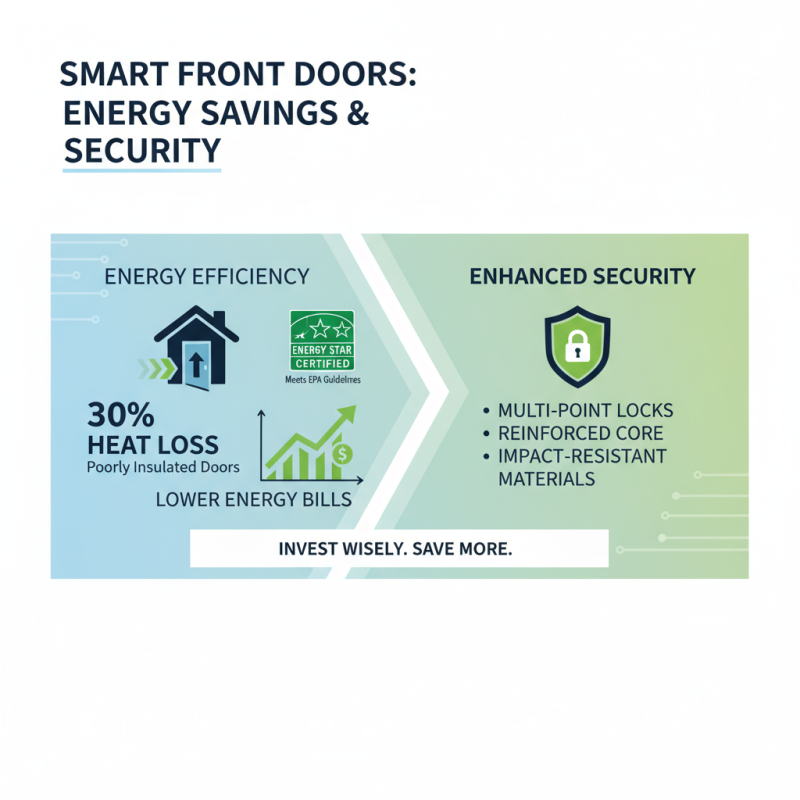
When selecting the perfect front door for your home, energy efficiency and security features are paramount. According to the U.S. Department of Energy, about 30% of a home's heating energy can be lost through insufficiently insulated doors. Therefore, investing in doors with high energy efficiency ratings can lead to significant savings on energy bills. Look for doors with an Energy Star label, which indicates that they meet strict energy efficiency guidelines set by the Environmental Protection Agency.
Security is another crucial aspect to consider. The FBI notes that over 2.5 million burglaries occur in the U.S. each year, often through the front door. A solid wood or fiberglass door can provide enhanced security compared to traditional hollow-core options. Additionally, incorporating deadbolt locks and security features such as smart locks can further protect your home. A study from the National Association of Realtors shows that homes with upgraded security features not only deter crime but can also increase property value.
Tips: When choosing your front door, prioritize doors with multi-point locking systems as they are significantly more secure than standard locks. Furthermore, choosing doors with a higher R-value, which indicates better insulation, will help maintain your home's temperature and reduce energy consumption. Don't forget to consider your local climate and choose materials that can withstand harsh weather conditions, thus prolonging the lifespan of your door.
Personalization: Customization and Unique Touches for Front Doors
When it comes to selecting a front door for your home, personalization plays a crucial role in making a lasting first impression. Customization options allow homeowners to reflect their unique styles and preferences while ensuring that the door harmonizes with the overall aesthetic of the house. From choosing the right material, color, and finish to selecting intricate designs and hardware, each choice contributes to creating a door that stands out and embodies individual personality. These choices not only enhance curb appeal but also signal the warmth and character of the home within.
Adding unique touches to your front door is an excellent way to express creativity and individuality. Consider incorporating decorative elements such as custom paneling, artistic carvings, or stained glass inserts. These features can transform an ordinary door into a stunning focal point. Additionally, hardware options like bespoke handles or custom knockers can serve as practical yet stylish finishes. By emphasizing personalization in your front door selection, you create an inviting entrance that showcases your tastes while complementing the architectural style of your home.