How to Choose Modern Entry Doors for Your Home?
When selecting Modern Entry Doors for your home, various factors come into play. The right door enhances your curb appeal. It also impacts your home's energy efficiency. Design, material, and color are vital choices.
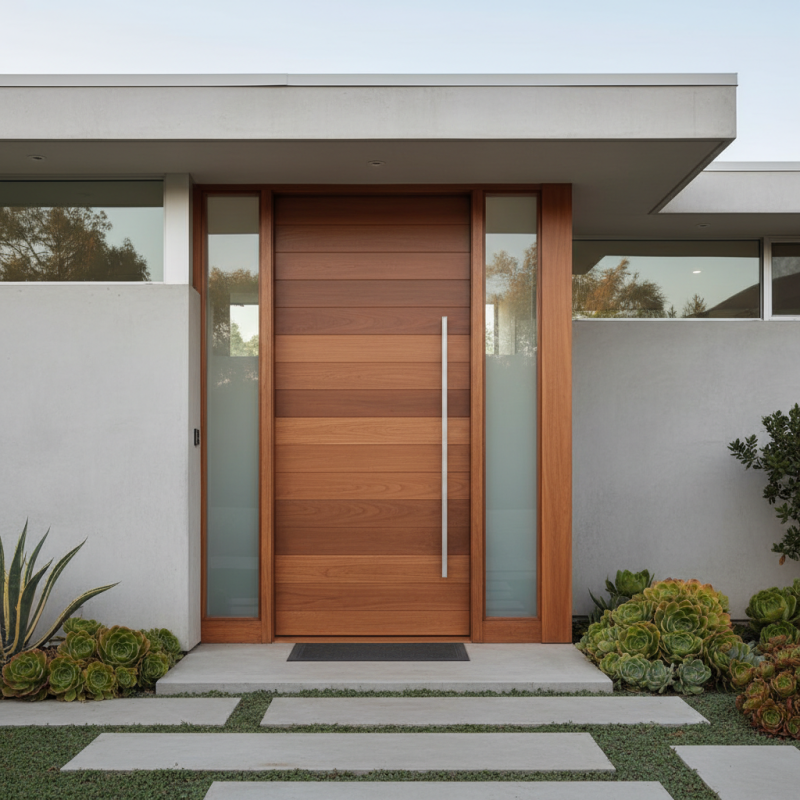
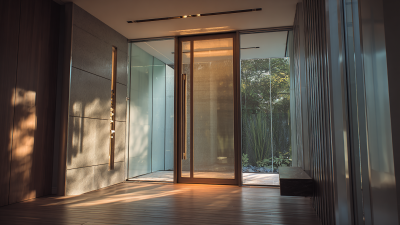
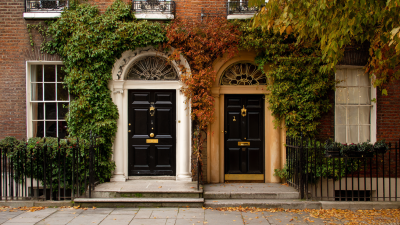
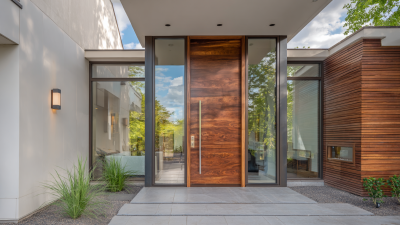
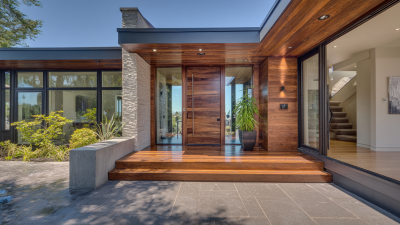
There’s no one-size-fits-all approach. What fits a contemporary style may not suit a traditional home. You might gravitate towards sleek glass doors. However, wooden doors provide warmth and charm. Think carefully about your neighborhood's aesthetic.
Consider functionality, too. Will the door withstand harsh weather? Are you investing in extra security? Sometimes, it’s easy to overlook practical needs for style. Balancing beauty and function can be challenging, yet essential. Aim for a door that you love and meets your unique needs.
Understanding the Importance of Entry Doors in Home Design
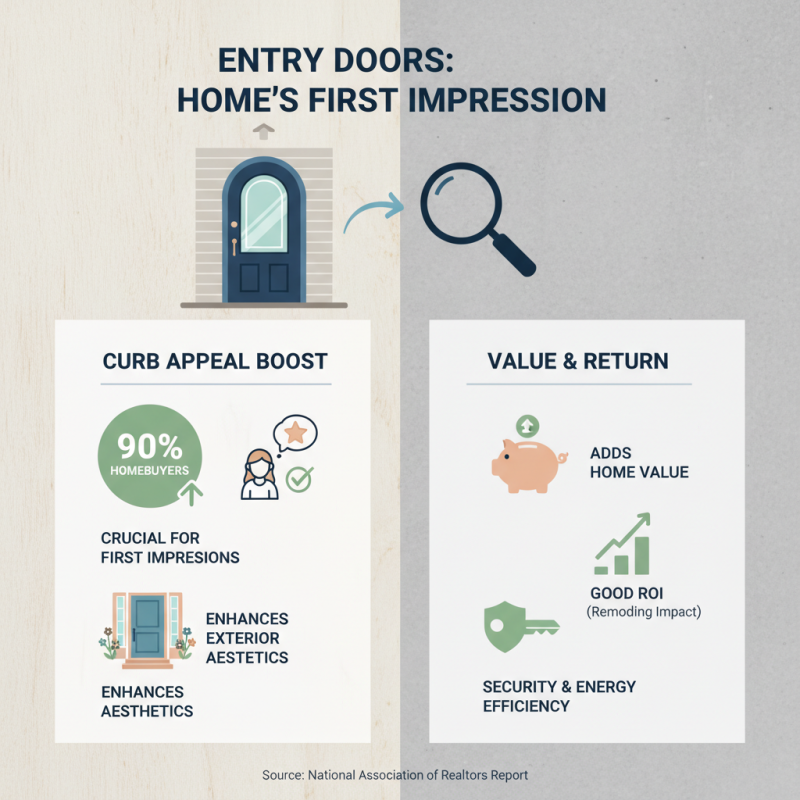
Entry doors play a crucial role in home design. They are the first impression for visitors and potential buyers. According to a National Association of Realtors report, 90% of homebuyers consider curb appeal vital. Entry doors significantly influence this appeal. A well-chosen door enhances aesthetics and adds value.
Incorporating modern materials can greatly improve energy efficiency. The U.S. Department of Energy notes that a good exterior door can reduce heating and cooling costs by up to 10%. Homeowners should reflect on their local climate. An energy-efficient door can make a difference.
Design and functionality are equally important. Many homeowners overlook the significance of security features. An estimated 34% of burglars enter through the front door, according to the Bureau of Justice Statistics. Choosing a door that combines style with security is essential. Every detail counts in home design.
Identifying Your Home's Architectural Style for Door Selection
Choosing the right entry door starts with understanding your home's architectural style. Each style tells a story. For example, a craftsman home often calls for doors with rich wood tones and intricate details. In contrast, a modern home may lean towards sleek lines and minimalistic designs. The door must harmonize with these features.
Look closely at your home’s exterior. Observe the roof style, window shapes, and overall aesthetics. A rustic cottage may benefit from a bold, handcrafted door. However, an urban loft might look best with glass and metal. Pay attention to color. It should complement the facade. Dark colors add depth, while lighter shades create a welcoming vibe.
It can be challenging to select a door that fits perfectly. Sometimes, personal taste clashes with architectural integrity. Consider the balance between uniqueness and tradition. Don’t rush the decision. Take your time to explore options. Reflect on how the door sets the tone for visitors. Is it inviting? Does it resonate with your home's character?
How to Choose Modern Entry Doors for Your Home? - Identifying Your Home's Architectural Style for Door Selection
| Architectural Style |
Recommended Door Materials |
Color Schemes |
Design Features |
| Modern |
Fiberglass, Steel |
Neutral tones, Bold colors |
Clean lines, Minimalist |
| Contemporary |
Glass, Composite |
Monochromatic, Earthy tones |
Large glass panels, Unique shapes |
| Traditional |
Wood, Steel |
Warm colors, Pastels |
Ornate details, Symmetry |
| Craftsman |
Wood, Aluminum |
Natural tones, Rustic colors |
Wooden panels, Short overhangs |
| Industrial |
Steel, Glass |
Dark colors, Grayscale |
Raw finishes, Factory styles |
Exploring Different Materials for Modern Entry Doors
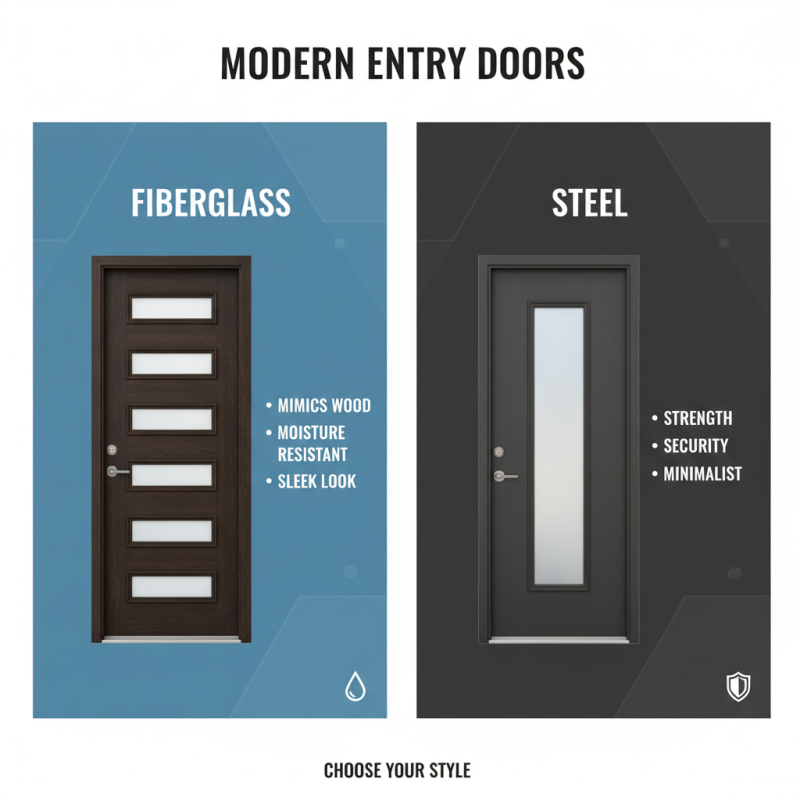
Choosing modern entry doors involves selecting the right material. Different materials offer unique benefits and aesthetics. For a sleek look, fiberglass doors are excellent. They can mimic wood but resist moisture. Steel is another popular option, known for its strength and security. It's often minimalistic, fitting modern designs well.
Wood doors add warmth and charm. However, they require more maintenance. Seasonal changes can cause warping. Consider your local climate when choosing wood. Aluminum is lightweight and won’t rust, making it a viable choice. It’s often combined with glass for a contemporary feel.
Tip: Always evaluate your budget before deciding. Some materials cost more upfront, but others can save money in the long run. Think about energy efficiency too. A well-insulated door can lower heating bills.
Exploring different finishes can enhance the door's appearance. Matte or glossy options change the overall vibe. Dark colors may absorb heat while lighter shades reflect it. Choose wisely based on your home's style and climate needs.
Evaluating Security Features in Entry Door Options
When selecting an entry door, security features are crucial.
You should assess the door's material.
Solid wood and fiberglass offer better protection.
Metal doors can also enhance security. Check for a strong core as well.
Look for high-quality locks.
Deadbolts are essential for added security.
Consider smart locks; they provide convenience and security alerts.
Installing a peephole or a security camera can also enhance safety.
Keep in mind the potential vulnerabilities.
Weak doors or flimsy locks can be easily breached.
Don't disregard the importance of proper installation.
Even the toughest door won't protect if poorly installed.
Verify that hinges are secure and not exposed outside.
A well-secured door can significantly decrease the chances of break-ins.
Reflect on the balance between aesthetics and security; both are vital for your peace of mind.
Considering Energy Efficiency and Insulation for Entry Doors
Choosing the right entry doors for your home goes beyond aesthetics. One crucial factor is energy efficiency. According to the U.S. Department of Energy, doors account for approximately 10% of a home’s energy loss. When selecting doors, look for options with high insulation ratings. A door with an R-value of 5 or higher can significantly reduce heating and cooling costs.
Insulation material matters too. Fiberglass and steel doors often perform better than traditional wooden doors in energy efficiency. You might notice that insulated doors prevent drafts and keep your home comfortable. According to studies, energy-efficient doors can save homeowners around $200 annually on utility bills, depending on climatic conditions.
Don’t forget about installation quality. Poor installation can negate the benefits of an energy-efficient door. Gaps can allow air leaks, reducing efficiency. It’s perhaps frustrating to consider how something as simple as an improper fit can lead to continued energy waste. Regular inspections can help catch these issues early, allowing for adjustments before they become more significant problems.
Energy Efficiency Ratings of Modern Entry Doors