Top Tips for Choosing Inside Doors With Glass?
Choosing the right Inside Doors With Glass can transform your home’s atmosphere. As John Smith, a leading interior designer, once said, “Glass doors invite light and life into any space.” This insight highlights the significance of natural light in home design.
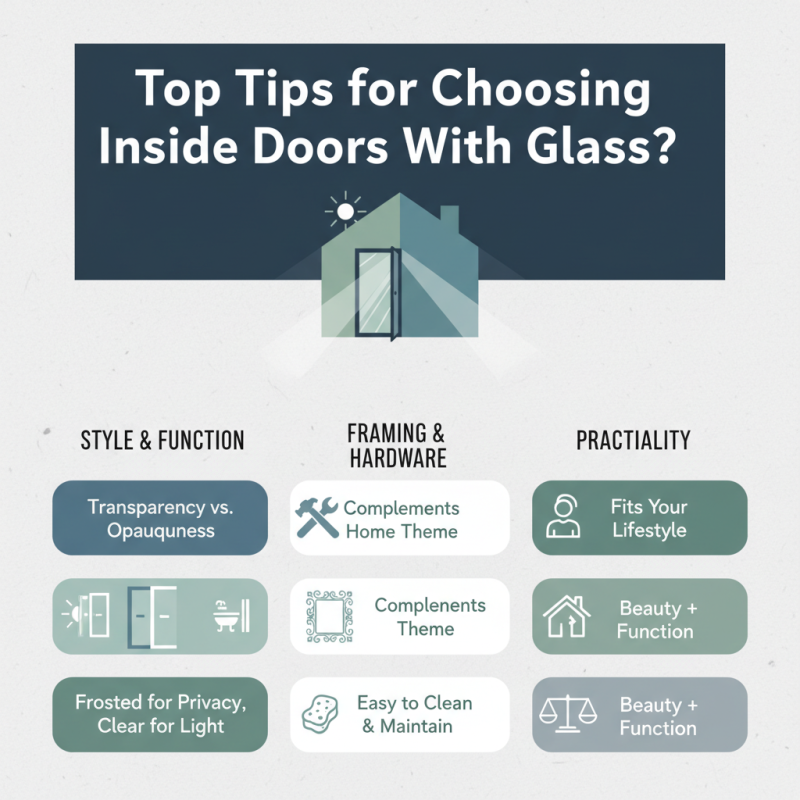
When selecting Inside Doors With Glass, consider both style and function. The right door can enhance your interior aesthetics while providing privacy. Look for options that balance transparency and opaqueness, depending on your needs. A frosted finish might work well for a bathroom, whereas clear glass can brighten a hallway.
Many homeowners overlook the importance of framing and hardware. The right detailing can complement your home’s overall theme. However, it’s essential to ensure these doors are practical. They should be easy to clean and maintain. While they add beauty, function should never be compromised. Rethink your choices and pay attention to how these doors will fit into your life.
Understanding Different Types of Glass Used in Inside Doors
When selecting inside doors with glass, it's crucial to understand the various types of glass available. Generally, there are three main types: tempered, laminated, and frosted glass.
Tempered glass is known for its strength and safety. It is heated and cooled rapidly, making it five times stronger than standard glass. This durability is particularly appealing for family homes.
Laminated glass offers another layer of security. It consists of layers of glass held together by interlayers. If broken, it shatters but remains adhered to the interlayer. This can be vital in maintaining safety and avoiding injuries. According to a report by the Glass Association, laminated glass can reduce noise by up to 30%. It's an excellent option for quieter indoor spaces.
Frosted glass presents a balance of light and privacy. It allows natural light to enter while obscuring visibility. This feature is valuable for bathrooms or office spaces where privacy is a priority. However, it can also feel less open. Some homeowners might find the lack of transparency restrictive. Choosing the right type requires careful thought about both aesthetics and functionality. Understanding these differences may assist in making an informed choice for your indoor spaces.
Evaluating Your Home's Style When Choosing Glass Door Designs
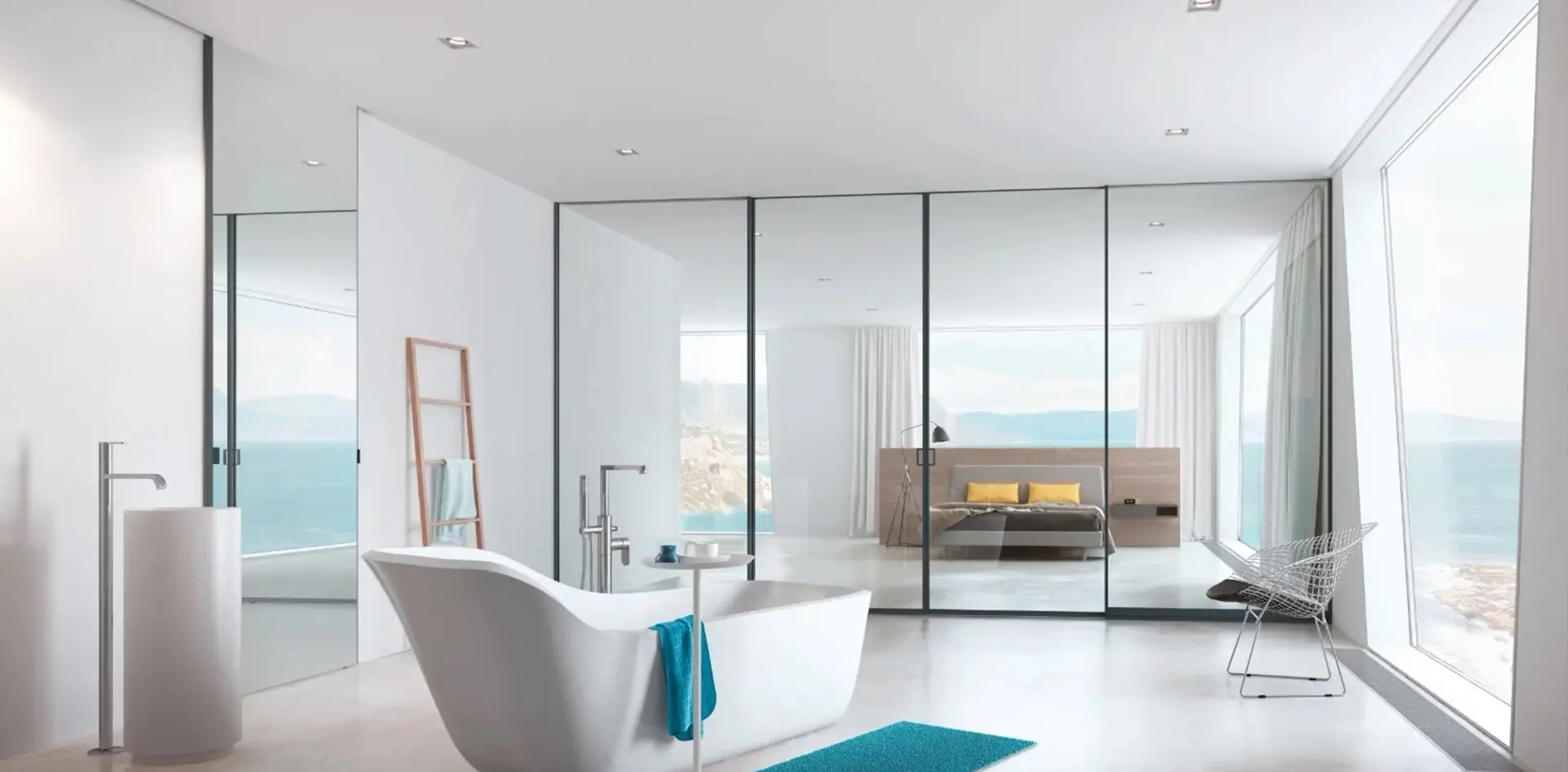
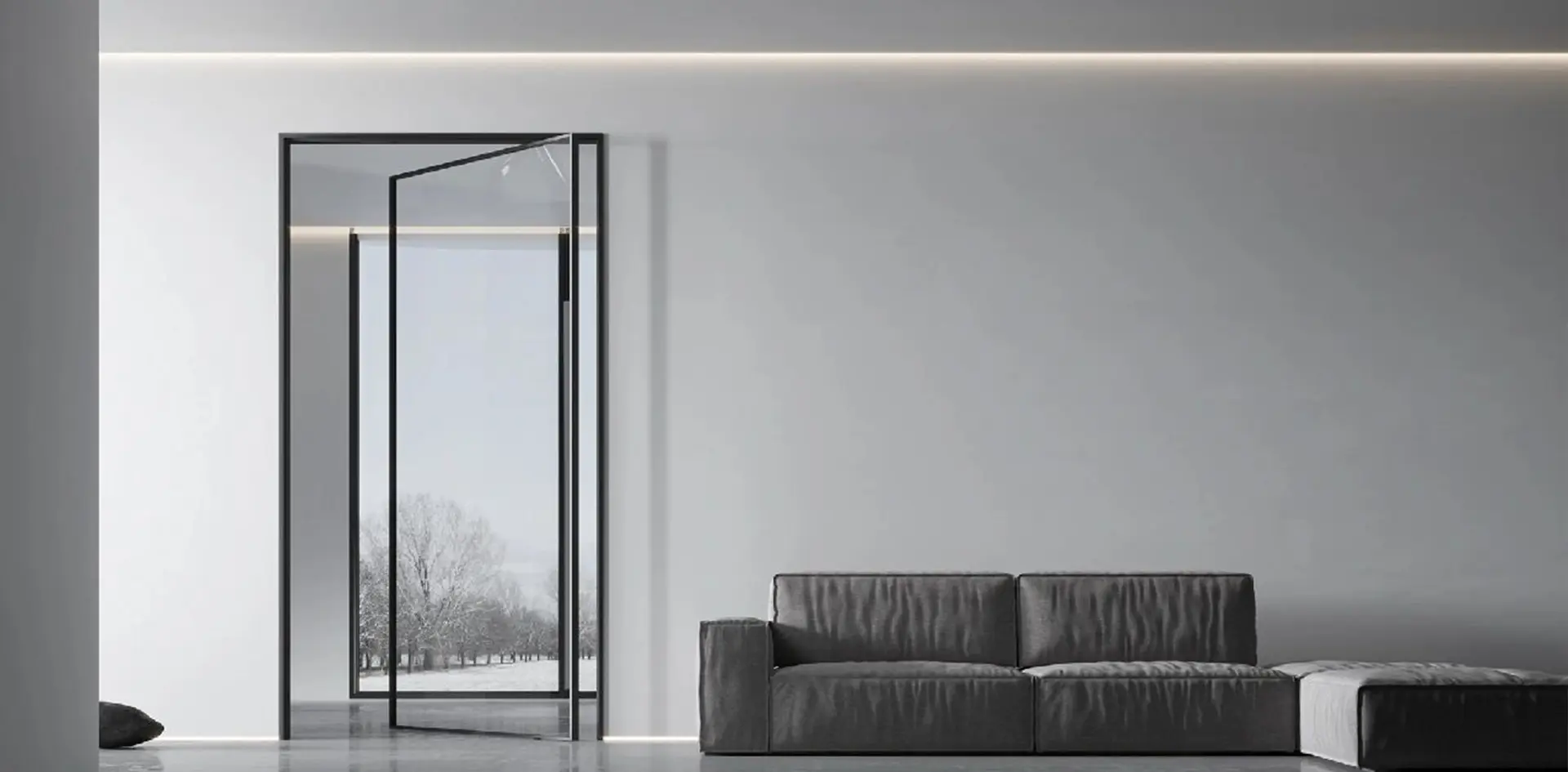
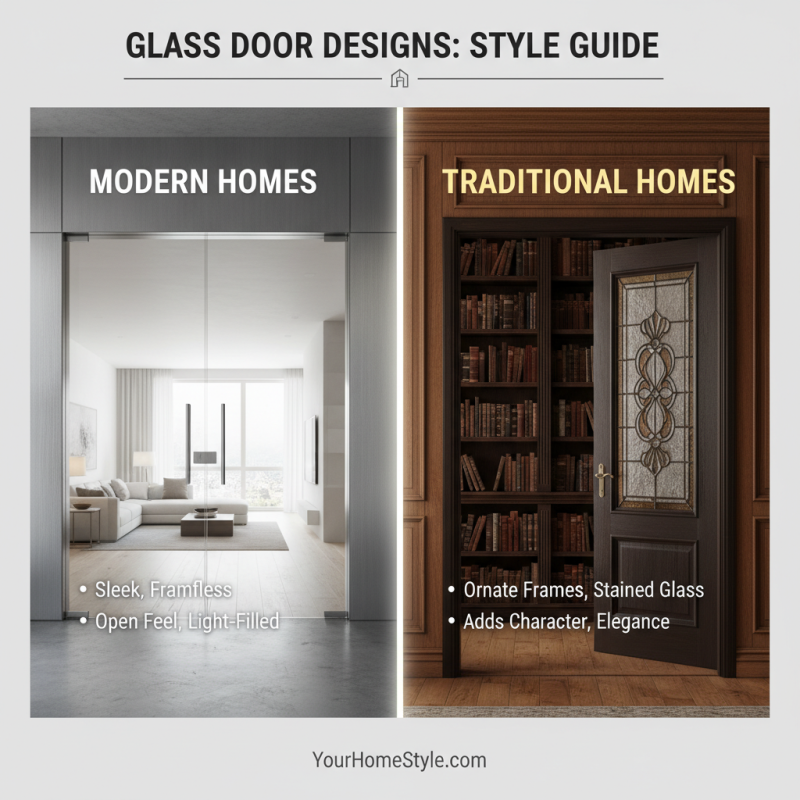
When selecting glass door designs, consider your home's overall style. Is your space modern or traditional? This question guides your choices. For modern homes, sleek, frameless glass doors can enhance an open feel. They invite light and create a seamless transition between spaces. In contrast, ornate styles may suit a classic design. Decorative frames or stained glass can add character while maintaining elegance.
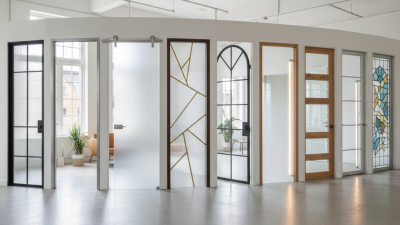
Pay attention to color and texture. Clear glass is a popular choice, but frosted options provide privacy. Textured glass can add visual interest without sacrificing light. Evaluate if the door complements your furniture or fixtures. Mixing styles might lead to a chaotic look, so maintain harmony.
Think about the function of the door. Will it be a focal point or a subtle addition? Doors leading into a well-lit room can boast transparent designs. Rooms with less natural light benefit from more solid panels. Reflect on how each choice affects the room's atmosphere. This reflection can lead to a more thoughtful selection process, ensuring you choose a design that resonates with your vision.
Considering Privacy Levels with Glass Inside Doors
When selecting inside doors with glass, privacy levels play a crucial role. Glass allows for light to flow, making spaces feel open. However, the right type of glass is essential for maintaining privacy. Consider frosted or textured glass. These options blur outlines while still admitting light. Plain glass can make a room feel exposed, especially in areas like bathrooms.
Think about the layout of your space. If the door is between shared areas, privacy might be less of a concern. However, in personal spaces, such as bedrooms, glass choices become critical. You want to feel comfortable and secure. Sometimes, even half-glass doors can feel too revealing.
Here are some tips to consider:
- Choose obscure glass for enhanced privacy.
- Use curtains or blinds for added control.
- Consider placement carefully for privacy zones.
Evaluating these details can significantly impact how a space feels. Glass doors can enhance beauty, but they come with challenges. Reflect on your needs before making a decision.
Assessing the Durability and Maintenance of Glass in Doors
When selecting inside doors with glass, durability and maintenance are key considerations. Glass doors can enhance a home’s aesthetic appeal but require evaluation. The type of glass used determines how well it withstands impact and daily wear. Tempered glass is stronger and more resistant to breaking. Laminated glass offers safety features but may require more care.
Maintenance of glass doors is also crucial. Regular cleaning helps maintain clarity and reduces scratches. Use non-abrasive cleaners to avoid damage. Inspect the seals around the glass for wear. Weather changes can weaken these seals. Watch for signs of moisture buildup, indicating potential issues. Choosing the right frame material can also impact longevity, as metal frames may corrode over time.
Consider these factors carefully. Not all glass doors are created equal. Reflect on the environment where the door will be installed. Houses with kids or pets may need stronger options. Climate plays a role too, as extreme weather can affect durability. Each decision shapes the door's overall function and longevity.
Top Tips for Choosing Inside Doors With Glass - Assessing the Durability and Maintenance of Glass in Doors
| Aspect |
Recommendation |
Notes |
| Material of Glass |
Tempered glass |
Stronger and safer than regular glass. |
| Thickness |
At least 1/4 inch |
Thicker glass provides better insulation and durability. |
| Frame Material |
Wood or aluminum |
Choose based on aesthetic and climate considerations. |
| Finishing |
Low-maintenance finishes |
Consider paint or laminate options for easier upkeep. |
| Insulation |
Double glazing |
Improves energy efficiency significantly. |
| Cleaning |
Use non-abrasive cleaners |
Prevents scratches and maintains clarity. |
Allocating Budget for Glass Inside Doors and Installation Costs
When planning your budget for glass inside doors, consider both the material and installation costs. According to industry reports, the average cost of a glass door can range from $100 to $600. Higher-end options can push prices above $1,000. This disparity often depends on factors like glass thickness and the quality of framing materials.
Installing these doors can add another $200 to $1,000, depending on complexity. It’s worth noting that professional installation is usually recommended.
On a practical level, allocate at least 15-20% of your budget for unexpected costs. Imperfections in framing or wall structure can arise. These might require additional adjustments, leading to extra expenses. Regular doors may not have these issues. Be prepared for a possible increase in final costs.
Glass doors are not just about aesthetics; they also provide light and openness. But remember, quality comes at a price, and the best choices often demand a bigger budget. Analyze your options carefully.