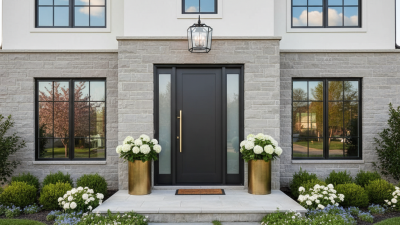
How to Choose the Best Modern Entry Doors for Your Home?
When selecting the perfect Modern Entry Doors for your home, several factors come into play. Entry doors are not just about aesthetics; they also enhance security and energy efficiency. A recent industry report indicates that over 60% of homeowners prioritize energy-efficient doors, as they can significantly lower heating and cooling costs.
Modern Entry Doors offer a range of styles and materials, from sleek steel to classic wood. Each choice impacts your home's curb appeal and resale value. According to design experts, homes with striking entry doors can see a return on investment of 70% or more. However, many homeowners overlook essential details like insulation ratings and security features.
Choosing the right door involves balancing style, functionality, and budget. Some may find it challenging to navigate the diverse options. Reflecting on personal needs and local climate conditions can lead to better decision-making. Overall, Modern Entry Doors have the potential to elevate your home's exterior while providing lasting benefits.
Understanding the Importance of Entry Doors in Home Design
Entry doors play a crucial role in home design. They serve as the first impression for visitors and define the aesthetic of your residence. According to a report from the National Association of Realtors, 70% of home buyers consider the front door's style when making a purchasing decision. This statistic highlights how entry doors can influence not only appearance but also the overall value of a home.
In addition to visual appeal, entry doors provide essential security. A study by the U.S. Department of Justice found that homes with robust entry doors are significantly less likely to experience break-ins. Choosing the right door is not just about style; it is about safety and durability. Many homeowners overlook the importance of door materials. Solid wood or fiberglass doors not only enhance security but also offer better insulation.
However, not all doors are created equal. Some may come with attractive features but lack functionality. A door that warps or chips easily can compromise both aesthetics and security. It's vital to invest time in research and consultation. Consulting with professionals can yield valuable insights, helping avoid costly mistakes. Balancing design with practicality can be challenging but is essential for creating a welcoming and secure home environment.
How to Choose the Best Modern Entry Doors for Your Home?
Identifying Your Home's Style and Architectural Compatibility
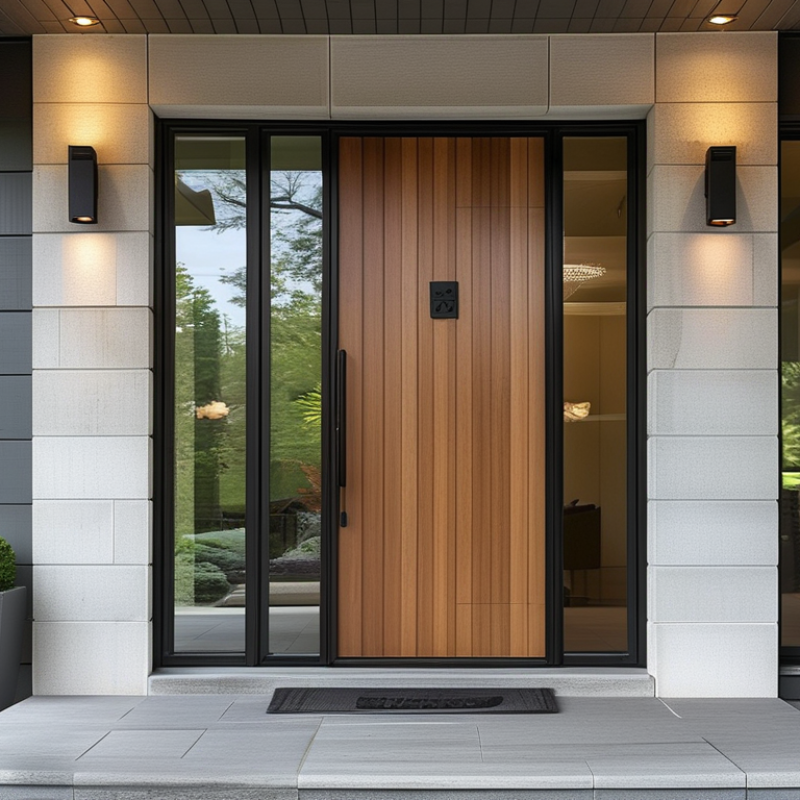
When selecting modern entry doors, understanding your home's style is crucial. Each architectural style conveys a unique narrative. A mid-century modern home may benefit from sleek, simple doors with minimalistic designs. In contrast, a farmhouse might shine with rustic, wooden doors. It’s essential to match the door with your home’s character.
Consider your neighborhood's architecture too. A modern door should complement surrounding homes while standing out in a positive way. If your home features brick, a door with bold colors and textures can create an appealing focal point. Think about the overall color scheme. Soft, neutral tones may harmonize beautifully with a traditional setting. A vibrant pop of color could energize a contemporary environment.
Reflect on your personal style. What resonates with you? This influence will guide your choice. But remember, practicality matters too. A door with large glass panes looks stunning but may lack privacy. Weighing aesthetics against functionality is key. Ultimately, the right door must reflect both your home’s style and your vision for your space.
Evaluating Materials: Durability, Aesthetics, and Maintenance
Choosing the right entry door is crucial. The material impacts durability, aesthetics, and maintenance. Popular materials include fiberglass, steel, and wood. According to the American Institute of Architects, fiberglass doors resist harsh weather better than wood.
Fiberglass offers a blend of strength and insulation. It's resistant to warping and denting. Steel doors provide superior security. However, they can rust if not maintained. Wood doors add warmth and beauty but require regular upkeep. A report from the National Association of Realtors indicates that 80% of buyers would pay more for a home with a beautiful entry door.
When evaluating aesthetics, consider your home's style. A modern home may benefit from sleek, minimalist designs. Traditional homes might look better with detailed wooden doors. Color and finish also play a role. Light colors can brighten a dark entry. Darker shades evoke elegance.
Tips: Always check the warranty. Look for doors with at least a 10-year warranty. This indicates durability. Consult with professionals. They can provide insights specific to your location's climate and building codes. Remember, the cost of maintenance can add up. Sometimes, investing more initially saves you money later.
Choosing the Right Security Features for Modern Entry Doors
When choosing modern entry doors, security features hold significant importance. A sturdy door can deter potential intruders. Look for materials like fiberglass or solid wood, as they typically offer better durability than hollow-core options. Reinforced frames provide additional strength. These elements can greatly enhance your home's security.
Consider locking mechanisms carefully. Deadbolts are essential; they provide a higher level of protection than standard locks. Multi-point locking systems distribute pressure across the door, making it harder to breach. Additionally, installing smart locks can enhance your security further. These locks often allow for keyless entry and remote monitoring. However, relying solely on technology can leave gaps. Always have a physical backup.
Think about door glass options too. Tempered or laminated glass adds protection. Some glass can be reinforced against shattering. Obscured glass is also a good choice; it maintains privacy while still allowing light in, but it might not be as secure as solid panels. Balancing aesthetics and functionality is key. Reflect on your home's overall security strategy before finalizing your decision.
Balancing Budget and Quality When Selecting Entry Doors
Selecting the right entry door for your home involves balancing budget considerations with quality. Entry doors can significantly affect your home’s appearance and energy efficiency. While you may feel tempted to go for the cheapest option, this can lead to long-term costs due to poor insulation or frequent repairs. Investing in a higher-quality door may seem daunting, but it can save you money over time.
When exploring your options, focus on materials and construction. Solid wood doors provide natural beauty but may require more maintenance. Steel doors are sturdy and energy-efficient, offering excellent security. Vinyl options are low-cost and easy to maintain but might lack durability. Consider the lifecycle costs associated with each type. A cheap door might look appealing at first, but it could lead to wasted resources later.
Don’t overlook the importance of energy efficiency ratings. Some doors may come with a higher upfront cost, yet they can dramatically lower your energy bills. Take the time to compare warranties and installation services as well. It’s wise to seek professional guidance to ensure you choose a door that meets your home’s specific needs. Balancing aesthetics and functionality can be challenging, but those efforts can lead to a more comfortable and appealing entrance to your home.