How to Choose the Best Lockable Sliding Door for Your Home?
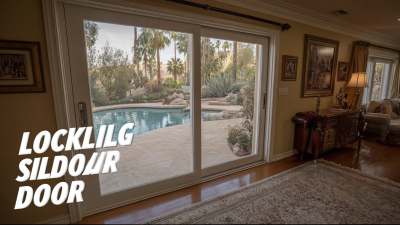
Choosing the right Lockable Sliding Door for your home can transform both security and aesthetics. Home design expert Clara Anderson once noted, “A lockable sliding door not only enhances beauty but ensures peace of mind.” This statement captures the essence of integrating security features into our living spaces.
When selecting a Lockable Sliding Door, several factors come into play. The material is key; whether you prefer wood, vinyl, or aluminum, understanding the pros and cons is essential. Think about the climate you live in, as this can greatly affect the longevity and performance of the door. Security features like multi-point locks and reinforced frames also matter.
Additionally, consider how the door fits your lifestyle. Is it frequently used? A high-traffic door needs durability. But aesthetics shouldn't be overlooked. A door can stand out or blend in with your home’s style. Each choice reflects your needs and preferences. This process, however, can feel overwhelming. Refining your choices takes time and thought. Making the right decision isn’t just about safety; it’s about finding harmony in your space.
Understanding Lockable Sliding Doors: Types and Features
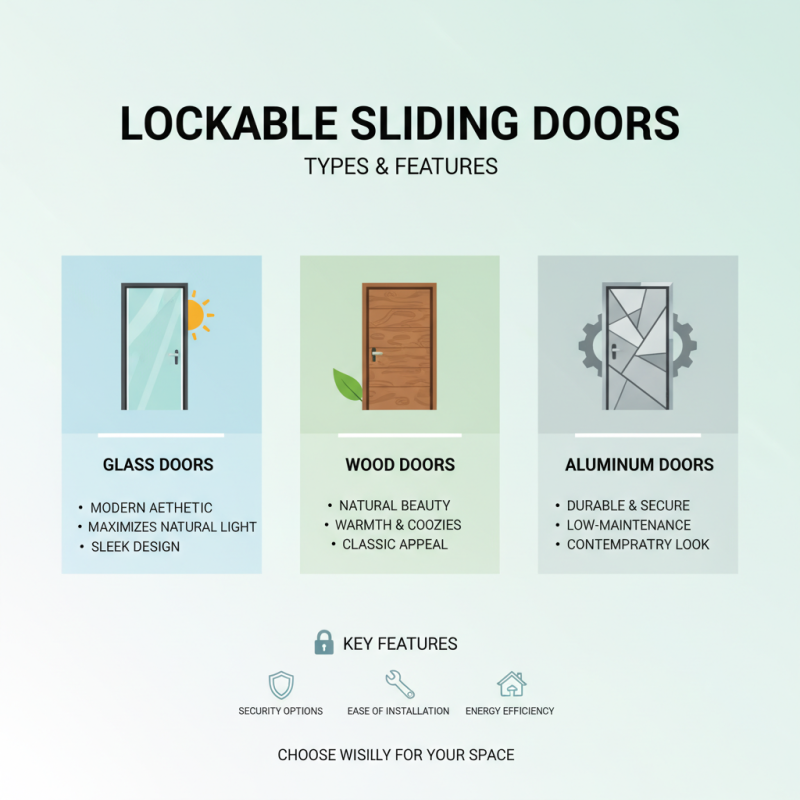
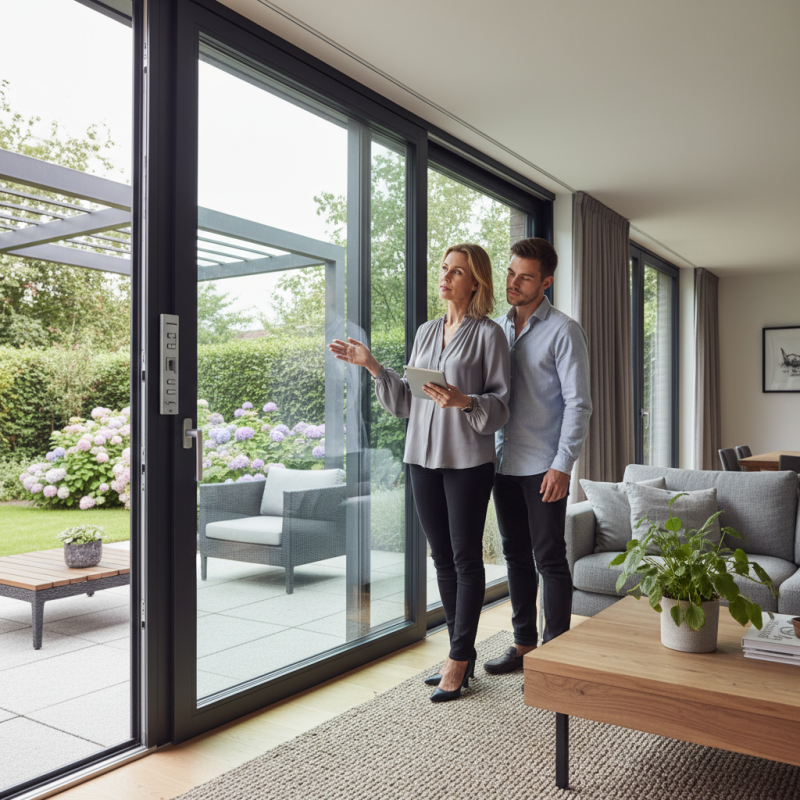
Lockable sliding doors come in various types, each with unique features. Understanding these options can help you make an informed choice. You might find doors made of glass, wood, or aluminum. Each material has its own advantages and aesthetic appeal. Glass offers a modern look while maximizing natural light. Wood provides warmth and natural beauty. Aluminum is durable and low maintenance, perfect for busy households.
Security features are crucial when selecting a lockable sliding door. Look for multi-point locking systems. These provide better protection against forced entry. Additionally, consider doors with impact-resistant glass. This feature guards against break-ins and enhances energy efficiency. Aesthetics also play a role. Selecting doors that match your home's style is paramount. Some designs may optimize security at the expense of visibility.
Despite their benefits, sliding doors can have drawbacks. Poor installation can lead to alignment issues, compromising security and function. Regular maintenance is essential to keep the locking mechanism working smoothly. It is worth noting that not all sliding doors fit every frame, leading to potential fitment concerns. Always examine the specifications carefully before purchase. Taking these factors into account will ensure your sliding door choice is both practical and appealing.
Evaluating Security Options: Locks and Mechanisms for Sliding Doors
When selecting a lockable sliding door for your home, security options are paramount. Statistics show that homes without proper security are three times more likely to be burglarized. A good sliding door should include robust locks and mechanisms to deter potential intruders effectively.
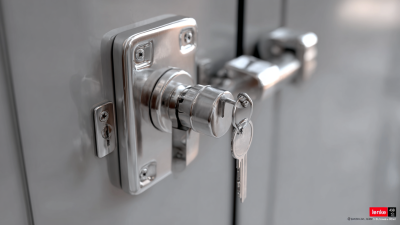
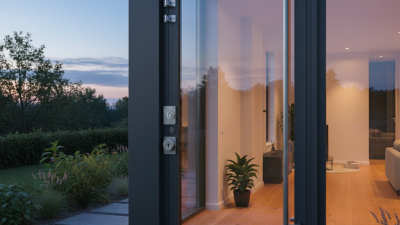
Many sliding doors come with sliding bolt locks. This mechanism can be combined with keyed locks for added security. Research indicates that doors with multiple locking points reduce the likelihood of unauthorized access. The American National Standards Institute (ANSI) recommends locks that are Grade 1 or Grade 2 for enhanced protection.
Tips for improving sliding door security:
- Consider installing a security bar. This simple addition can provide extra reinforcement against forced entry.
- Ensure the door frame is sturdy. A weak frame compromises the overall security of your sliding door.
- Regularly check and maintain locking mechanisms. Over time, wear and tear can affect their functionality. It’s essential to replace any worn components to maintain optimal security.
By focusing on the right locks and mechanisms, you can significantly enhance the
safety of your home.
Material Matters: Choosing the Right Material for Durability
When selecting a lockable sliding door, material choice is crucial for durability. Numerous options are available: wood, aluminum, and vinyl. Each material has unique properties. For instance, wooden doors offer warmth and aesthetic appeal, but they require regular maintenance. They can warp or crack in humid conditions, which is a consideration. On the other hand, aluminum doors are robust and resistant to various weather conditions. They can be a great option for modern homes.
Vinyl is affordable and generally low-maintenance. However, it may not provide the same level of security as metal or wood. Consider the climate where you live. A material that works well in one environment may not perform well in another. Reflect on your home’s design and security needs to make an informed choice.
Evaluate the energy efficiency of the materials as well. Poor insulation can lead to increased energy costs. Look for doors with good Energy Star ratings or insulation features. Aesthetic appeal and security should not overshadow durability. Balancing these factors is vital for long-lasting satisfaction.
How to Choose the Best Lockable Sliding Door for Your Home? - Material Matters: Choosing the Right Material for Durability
| Material |
Durability Rating (1-10) |
Weather Resistance |
Maintenance Level |
| Aluminum |
9 |
High |
Low |
| Vinyl |
8 |
Moderate |
Very Low |
| Fiberglass |
10 |
Very High |
Low |
| Wood |
7 |
Low |
High |
| Steel |
9 |
Very High |
Moderate |
Measuring Your Space: How to Select the Correct Size for Your Door
When selecting a lockable sliding door, measuring your space is crucial. Proper measurements ensure a perfect fit, enhancing both functionality and aesthetics. According to industry reports, a poorly sized door can lead to increased energy costs by up to 30%. This waste arises from drafts that can occur when doors do not seal correctly.
To measure your space accurately, begin with the width and height of the opening. Focus on three critical points along the width: top, middle, and bottom. This accounts for any irregularities in your walls. Avoid assuming that every opening is uniform; even slight discrepancies can affect the installation. For height, measure from the floor to the top of the opening. Make sure to account for any flooring height changes.
Tip: Always start your measurements from the most finished edge. This will help ensure that your new door aligns well with other structures. Don't forget to consider the space your door will slide into. A common mistake is underestimating the sliding track's space requirements, which can affect overall design. If in doubt, consult a professional for precise measurements.
Door Size Selection for Sliding Doors
This chart illustrates the popularity of different sliding door sizes among homeowners. The data shows that 72 inches is the most popular choice, while sizes 108 inches and below are less commonly selected. When choosing a sliding door, consider how the size fits your space and meets your needs.
Aesthetic Appeal: Matching Sliding Doors with Your Home Design
When selecting sliding doors, aesthetic appeal is crucial. Consider your home's architectural style. A modern home pairs well with sleek, minimalistic designs. Traditional residences benefit from doors that feature wooden finishes or intricate details. This harmony enhances the overall appearance while providing functionality.
Color choices matter, too. Neutral shades can create a serene atmosphere. Bold colors might inject energy into your space. Remember, matching your sliding doors to existing decor can elevate your design. However, don’t be afraid to experiment. Mixing textures or styles can yield unexpected results, inviting deeper conversations about interior design.
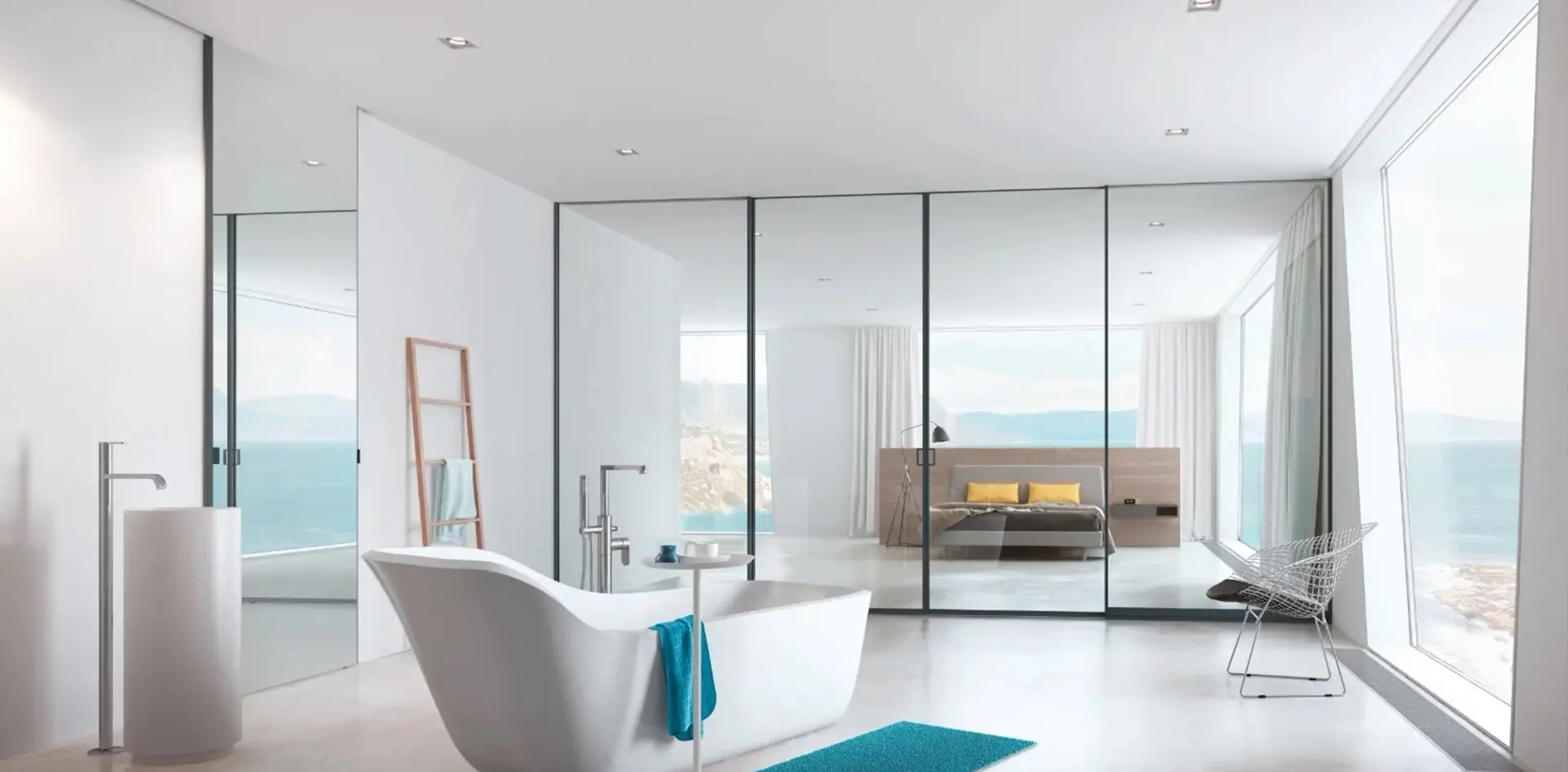
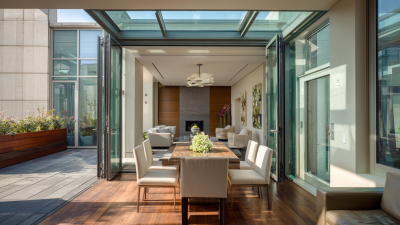
The materials used also influence visual impact. Glass sliding doors allow natural light to flood in, making spaces feel larger. Metal frames offer a contemporary edge, while wood provides warmth. Ensure that selected materials complement other elements in your home. This attention to detail creates a cohesive look. Balancing aesthetic appeal with practicality is essential. Your sliding door should look great but also function effectively.