How to Choose the Best Indoor Folding Door for Your Home?
Choosing the right Indoor Folding Door can transform your space. These doors offer versatility and style. According to a report by the Building Industry Association, 70% of homeowners consider space optimization a priority in their home renovations.
Industry expert Jane Doe emphasizes, "An Indoor Folding Door can create a seamless flow between rooms." This statement reflects the increasing demand for functional design in modern homes. People are looking for solutions that blend aesthetics with practicality.
Yet, not all folding doors are created equal. Homeowners must consider materials, durability, and installation ease. Budget constraints can complicate the selection process. Investing time in research can prevent costly mistakes. Remember, a poorly chosen Indoor Folding Door could undermine your beautiful space. Think carefully before you decide.
Understanding the Different Types of Indoor Folding Doors Available
When selecting an indoor folding door, understanding available types is crucial.
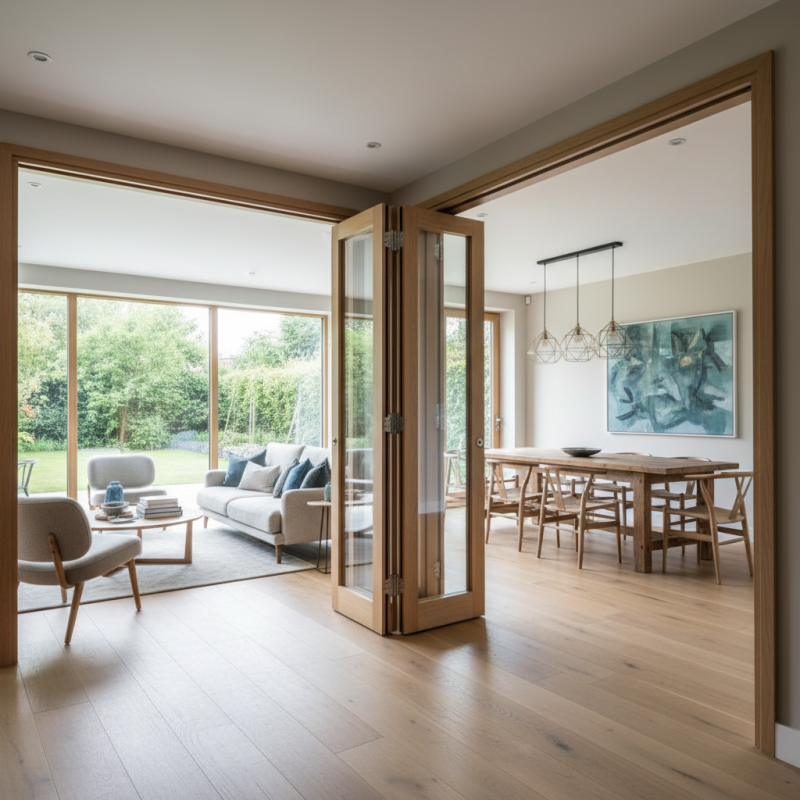
Bi-fold doors are popular. They fold to one side, creating a wide opening.
Perfect for connecting living spaces, they offer a seamless transition. However, installation can be tricky. Many overlook the need for
precise measurements, leading to gaps or misalignment.
Accordion doors are another option. They consist of multiple panels that slide to one side.
This design saves space and is ideal for small areas. Yet, some may find the movement less smooth compared to bi-fold styles.
Regular maintenance is essential to avoid sticking doors.
Another choice is pocket doors. These slide into the wall, disappearing when opened.
They’re excellent for maximizing floor space. However, the installation is more complex. Hidden mechanisms can be difficult to repair
if issues arise. A proper understanding of your home’s layout can guide the right choice among these distinct types.
Choosing the right style hinges on careful thought.
Evaluating Material Options: Wood, Vinyl, and Metal Folding Doors
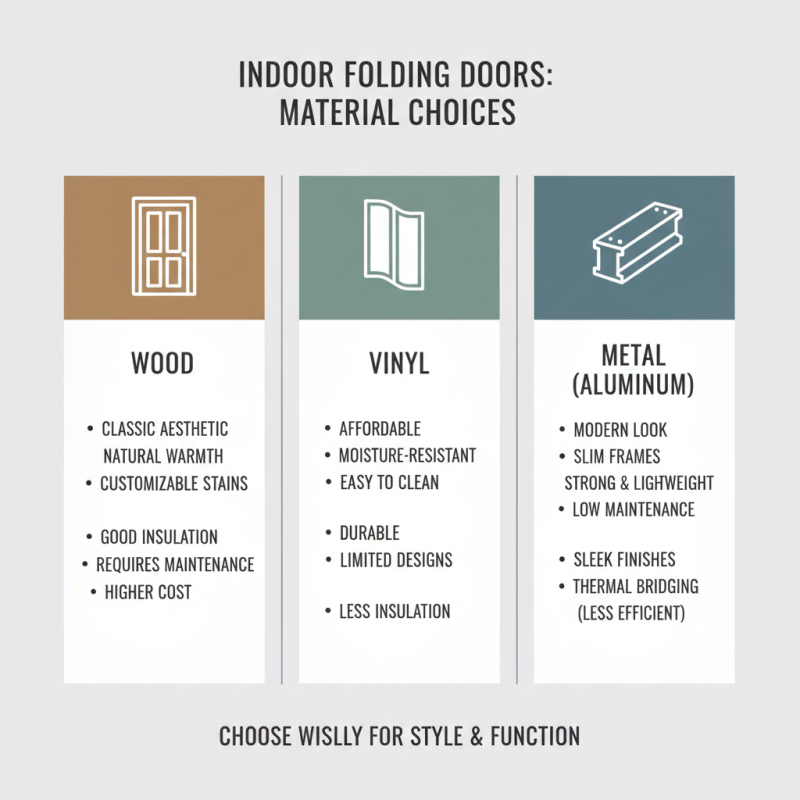
Choosing the right material for indoor folding doors is essential. Wood, vinyl, and metal are the main options. Each material has specific characteristics that can impact your home decor and functionality.
Wood folding doors offer a classic aesthetic. They bring warmth and a natural feel to any space. However, they may require maintenance to prevent warping or fading. If your home has high humidity, wood may not be the best choice. It's beautiful but can be tricky.
Vinyl doors provide a modern look. They are lightweight and easy to clean. Additionally, they are resistant to moisture, which makes them practical for various rooms. However, vinyl may lack the unique charm that wood offers. Lastly, metal doors are extremely durable. They can withstand wear and tear better than others. Yet, some may find them too cold or industrial for their taste. Each option has its pros and cons. Thoughtful consideration is needed to choose wisely.
Assessing Space Requirements: Measuring for Optimal Door Size and Fit
When choosing the best indoor folding door, measuring for space is crucial. Start by determining the area where the door will be installed. You need precise measurements to ensure a snug fit. Measure the width and height of the opening. Consider any features around the area, like light switches or furniture. These could affect your door's operation.
Take note of the floor space too. A folding door needs room to operate effectively. If the door folds to one side, you should measure the length of that wall. If it opens in the middle, ensure there is clearance on both sides. Small miscalculations can lead to big headaches later. Using a tape measure with a friend can help avoid mistakes.
Think about the door's location in relation to your daily activities. Is it near a living area or a tight hallway? You may require additional space for foot traffic. Visualize the flow of movement in that area. A folding door must complement your home, not complicate it. These considerations are often overlooked, yet they make a significant difference. Make sure to double-check your measurements and reflect on your needs.
Choosing the Right Indoor Folding Door: Size Considerations
Analyzing Aesthetic Considerations: Style and Design Trends for Interiors
When choosing indoor folding doors, aesthetics play a crucial role. The right design can transform a room. According to a report from the American Institute of Architects, homeowners increasingly prefer open floor plans. This trend influences door selection. Folding doors provide versatility and style while maximizing space.
Current design trends lean towards minimalism and natural materials. Wood, glass, and metal are popular choices. These materials add warmth and texture, creating inviting spaces. A study by the National Association of Home Builders reveals that 61% of buyers prioritize aesthetics in home features.
However, not every folding door fits every home. Some styles may clash with existing decor. A glossy finish might look out of place in a rustic setting. Exploring local design trends can help refine choices. Details like color and framing can make a significant impact on overall appeal. Knowing personal style is vital in this decision-making process.
Comparing Costs and Installation: Budgeting for Your Folding Door Purchase
When considering an indoor folding door, budget plays a crucial role. Costs can vary significantly based on materials, size, and design. On average, a basic folding door might start around a few hundred dollars. However, premium materials could push the price into the thousands. Installation costs are another important factor. Some homeowners choose DIY installations to save money, while others hire professionals, adding to their budget.
Installation complexity can also vary. Simple designs may only require basic tools and a few hours of work. More intricate systems can demand expertise and time. It’s essential to assess your own skills realistically. This decision could save or cost more in the long run. Additionally, consider potential future maintenance costs. Some materials may require more upkeep than others.
Thinking through these financial aspects is vital. Ensure your budget aligns with your vision. Overestimating costs might lead to disappointment. Underestimating could strain your finances. Reflect on your priorities – sometimes, the cheapest option is not the best in the long term. Finding the right balance can transform your space beautifully while keeping your budget intact.
How to Choose the Best Indoor Folding Door for Your Home? - Comparing Costs and Installation: Budgeting for Your Folding Door Purchase
| Door Type |
Material |
Average Cost ($) |
Installation Difficulty |
Estimated Installation Time (Hours) |
| Bi-Fold Door |
Wood |
800 |
Moderate |
4 |
| Accordion Door |
PVC |
300 |
Easy |
2 |
| Sliding Folding Door |
Aluminum |
1,200 |
Challenging |
5 |
| French Folding Door |
Fiberglass |
1,000 |
Moderate |
4 |
| Glass Folding Door |
Tempered Glass |
1,500 |
Challenging |
6 |