How to Choose the Best Lockable Sliding Door for Your Needs?
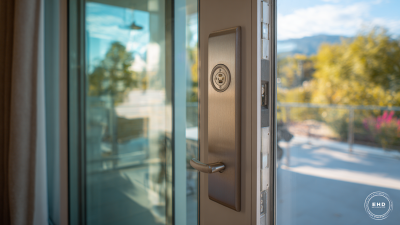
Choosing the right lockable sliding door is crucial for security and functionality. Many options are available, each designed to meet different needs. A quality lockable sliding door can enhance your home’s entrance and provide peace of mind.
When selecting a lockable sliding door, consider your specific requirements. Think about materials, style, and safety features. Are you looking for energy efficiency or aesthetic appeal? Perhaps you need one that is easy to operate for daily use. Each choice has its pros and cons, and it’s essential to reflect on what aligns best with your lifestyle.
Remember, not all lockable sliding doors are created equal. Some might offer advanced locking mechanisms, while others focus on ease of installation. Take time to research different brands and models. Reading reviews can offer insight into reliability and performance. The right door should not only look good but also provide the security your home deserves.
Types of Lockable Sliding Doors Available in the Market
When looking for lockable sliding doors, it’s essential to understand the types available. First, consider the two main materials: vinyl and aluminum. Vinyl doors are known for their energy efficiency. They offer excellent insulation, keeping homes warmer in winter. Reports show that homes with vinyl sliding doors maintain better indoor temperatures, potentially lowering energy bills.
On the other hand, aluminum doors are favored for their durability. They tend to withstand harsh weather conditions better than vinyl. However, many buyers overlook the potential for condensation on aluminum. This can lead to moisture issues indoors. Hence, regular maintenance becomes crucial with this type.
Another popular choice is the multi-point locking system. This system offers added security by locking the door at multiple points. According to studies, homes with multi-point locks experience fewer break-ins than those with standard locks. Yet, installation can be more complicated and costly. Homeowners must weigh the benefits against the challenges to find the right balance. Understanding these nuances helps in making a well-informed decision.
Key Features to Consider When Choosing a Sliding Door
When it comes to selecting a lockable sliding door, several key features should be at the forefront of your decisions. First, the material matters significantly. Options include wood, aluminum, and vinyl. Each exhibits unique advantages regarding durability and insulation. Consider your climate and maintenance preferences when making your choice.
Locking mechanisms vary widely as well. Some doors utilize traditional key locks, while others might offer digital options. Security is paramount, so ensure that whatever system you select meets your safety needs. A sturdy frame can also enhance security. When looking at frames, notice the thickness and strength. This contributes to overall toughness.
Tips to keep in mind: Test the sliding mechanism before purchasing. It should move smoothly and easily. Pay attention to potential weather stripping as well. Good seals prevent drafts and water leakage. Always check for certification labels that indicate quality standards. Making the right choice requires careful consideration of how the door fits your needs. Minor details can lead to major differences.
Assessing Security Needs for Different Environments
When assessing security needs for different environments, the choice of a lockable sliding door becomes crucial. Various settings, from residential areas to commercial spaces, demand distinct security features. A recent report by the Security Industry Association highlights that 70% of break-ins occur through unsecured entrances. Selecting the right sliding door can significantly mitigate this risk.
In high-crime areas, advanced locking mechanisms are essential. For instance, multi-point locks provide superior protection compared to standard single locks. Statistics indicate that homes with robust door security measures experience 50% fewer burglaries. Meanwhile, businesses may benefit from doors designed for high traffic, offering both security and accessibility. Some sliding doors even include reinforced glass, which can withstand impact better than regular glass.
While it's tempting to focus solely on aesthetics or cost, security features should never be compromised. Many homeowners and businesses often overlook keeping door systems well-maintained. A neglected locking system can create vulnerabilities. Awareness of environmental risks and regular assessments can help ensure the chosen door truly meets security needs. This proactive approach can save time and resources in the long run.
Materials and Durability: Selecting the Right Options
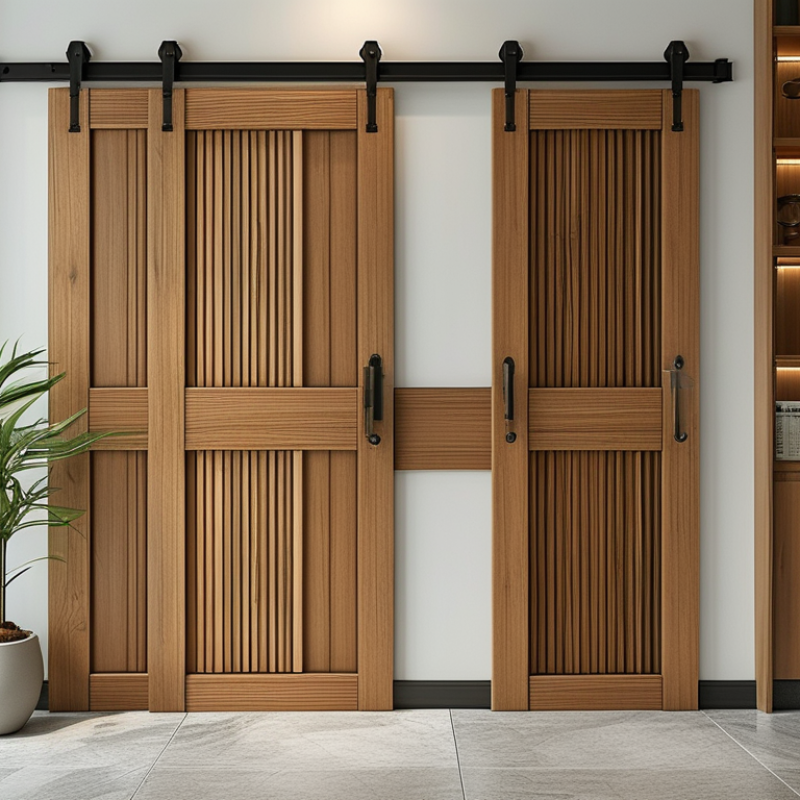
When selecting a lockable sliding door, material choice plays a vital role in durability. Common materials include vinyl, wood, and aluminum. Vinyl is low maintenance and resistant to weather. However, it may not offer the same aesthetic appeal as wood. On the other hand, wooden doors can add warmth and elegance to your space. Yet, they require regular upkeep and can warp over time. Aluminum is sturdy and resistant to corrosion, but it can feel cold and industrial in design.
Consider the environment where the door will be installed. Harsh weather conditions can impact the lifespan of certain materials. For instance, a wooden door in a humid climate might develop mold. Reflecting on local climate factors is essential in making informed decisions. Durability isn't just about the material; it’s also about installation quality. Ill-fitted doors can become problematic quickly, regardless of the material. Investing in proper installation often leads to enhanced longevity.
Installation and Maintenance Tips for Sliding Doors
When it comes to sliding doors, proper installation and maintenance play crucial roles in their longevity and functionality. A well-installed sliding door ensures smooth operation and security. Begin by ensuring the door frame is level and plumb. Using a professional can help avoid common mistakes like misalignment. Regularly check the tracks for debris. Dirt can cause the door to stick or jam.
Maintenance involves simple tasks that keep your door in top shape. Clean the tracks and lubricate them periodically. Use a silicone spray for the best results. Inspect the seals for wear, as damaged seals can lead to drafts or leaks. If you notice issues, address them promptly to prevent bigger problems.
An important tip: always weatherproof your sliding door. Poor insulation can increase energy costs. Additionally, consider upgrading your sliding hardware if it's worn. This can enhance security and ease of operation. Remember that even small maintenance tasks contribute to the overall performance of your sliding door. Keep an eye on it regularly.
Door Security Ratings Comparison