How to Choose the Best Lockable Sliding Door for Your Home?
Choosing the right Lockable Sliding Door for your home is essential for both security and style. A well-designed sliding door can enhance your living space while providing peace of mind. These doors come in various materials, colors, and locking mechanisms. It's important to consider what suits your home best.
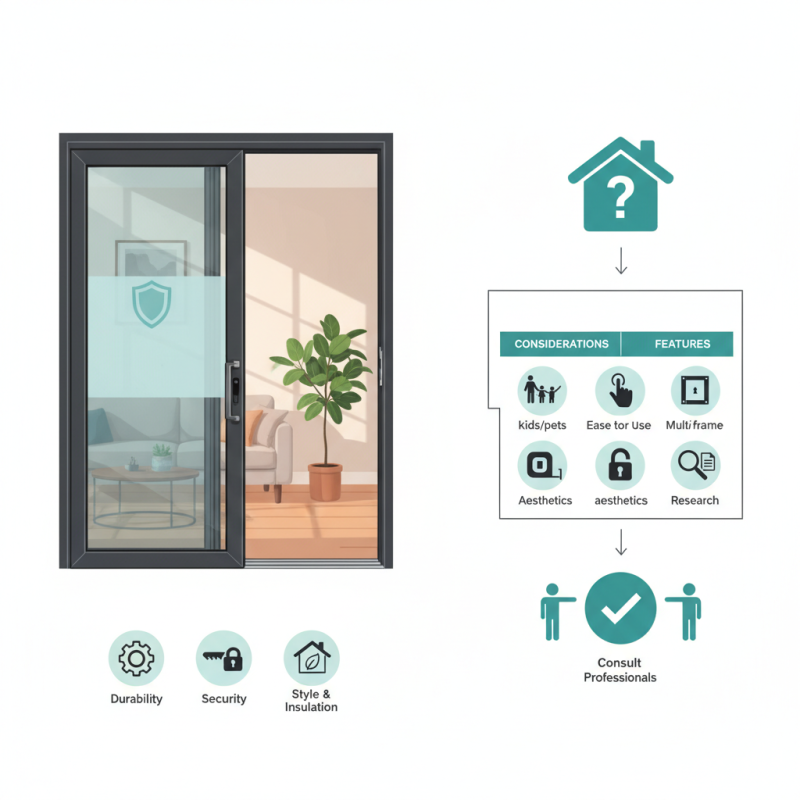
When selecting a Lockable Sliding Door, think about durability and functionality. Do you have kids or pets? A reinforced door might be necessary. The locking system is another critical factor. Look for features that offer both ease of use and security. Balance is vital—find a door that fits your home’s aesthetic and meets safety standards.
Not every door is perfect. Some may lack adequate insulation or be difficult to operate. Reflect on the fine details, as they make a difference. Research thoroughly and consult professionals when needed. A well-chosen Lockable Sliding Door can truly elevate your home's comfort and security.
Understanding Different Types of Lockable Sliding Doors Available
When selecting a lockable sliding door for your home, understanding the types available is crucial. There are several styles to choose from, each offering different security features. One common type is the standard sliding door, which often has a basic lock mechanism. This may suffice for low-risk areas but might not provide adequate security for more vulnerable spaces like backyards.
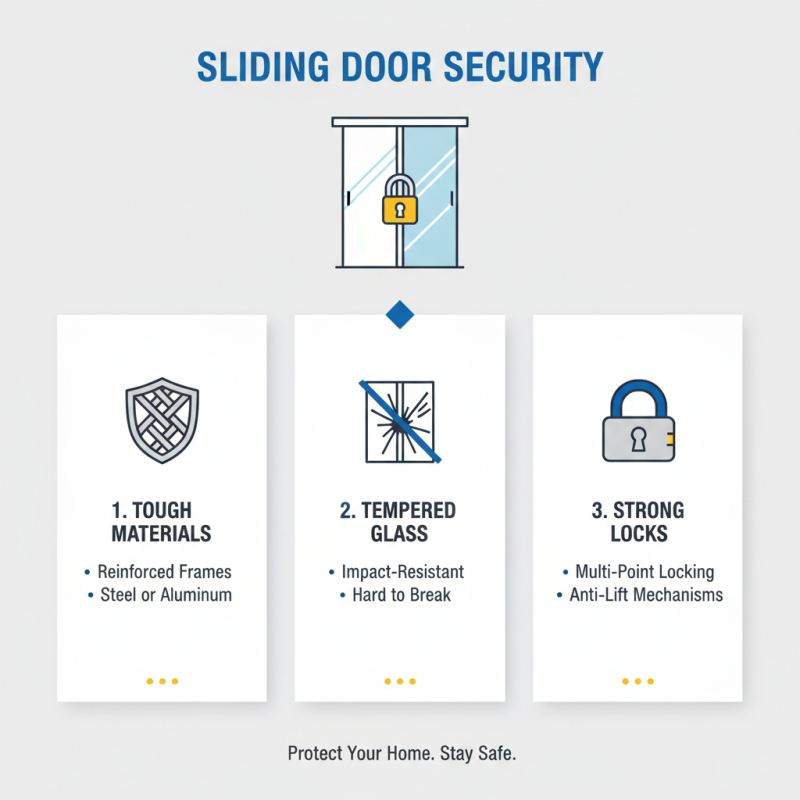
Another option is the multi-point locking system. This design secures the door at multiple points, enhancing its durability and resistance against forced entry. It offers peace of mind for homeowners prioritizing security. However, installation can be more complex, requiring professional help.
Consider also the material of the sliding door. Aluminum frames are lightweight and resistant to corrosion. Vinyl, on the other hand, provides better insulation but may not be as strong. Each material has its pros and cons. Reflect on your needs and preferences when making a choice. Ultimately, understanding these different types of lockable sliding doors can lead to more informed decisions for your home security.
Evaluating Materials and Durability of Sliding Doors
When choosing lockable sliding doors, the materials and durability are crucial. Common materials include vinyl, wood, and fiberglass. Each material has unique properties that affect longevity. Vinyl offers excellent resistance to weathering and requires minimal upkeep. On the other hand, wood provides a warm aesthetic but can warp over time if not properly maintained.
Durability is often linked to the material used. Fiberglass doors are known for their strength and resistance to dents and scratches. They maintain their form better than wood or vinyl. However, the choice of glazing options also matters. Double or triple glazing can enhance energy efficiency and reduce noise. Yet, this might make the doors heavier.
Reflecting on personal experiences, I’ve seen many homeowners overlook the impact of weather conditions on door performance. In areas with extreme temperatures, one material may thrive while another falters. It's essential to weigh these factors based on your local climate. Choosing wisely can lead to a long-lasting and secure addition to your home.
Measuring Your Space for a Perfect Fit
When choosing a lockable sliding door, measuring your space accurately is crucial. Start by measuring the width and height of the opening where the door will be installed. Use a tape measure for precision. Many people overlook this step, leading to ill-fitting doors. Take multiple measurements to ensure accuracy. This prevents future issues and frustration.
Consider the track system as well. The space above the door should have enough clearance for the door to slide without obstruction. Reflect on potential obstacles like light fixtures or molding. A common mistake is not accounting for these details. The grooves for the door should also be assessed; they must align perfectly with your wall structure.
Incorporate space for any door frame that will be needed. This can affect the overall dimensions. Think about the door’s style and how it fits in your home’s decor. Sometimes, aesthetics can collide with practicality. Aim for balance, but don’t forget functionality. A lockable sliding door should not only look good; it should work well for your everyday needs. Proper measurement and careful planning can prevent costly mistakes in your home improvement project.
Sliding Door Energy Efficiency Comparison
This chart compares the energy efficiency ratings of various types of lockable sliding doors based on their insulating properties. Higher ratings indicate better energy conservation which is essential for maintaining optimal home temperatures.
Considering Aesthetic Options and Design Compatibility
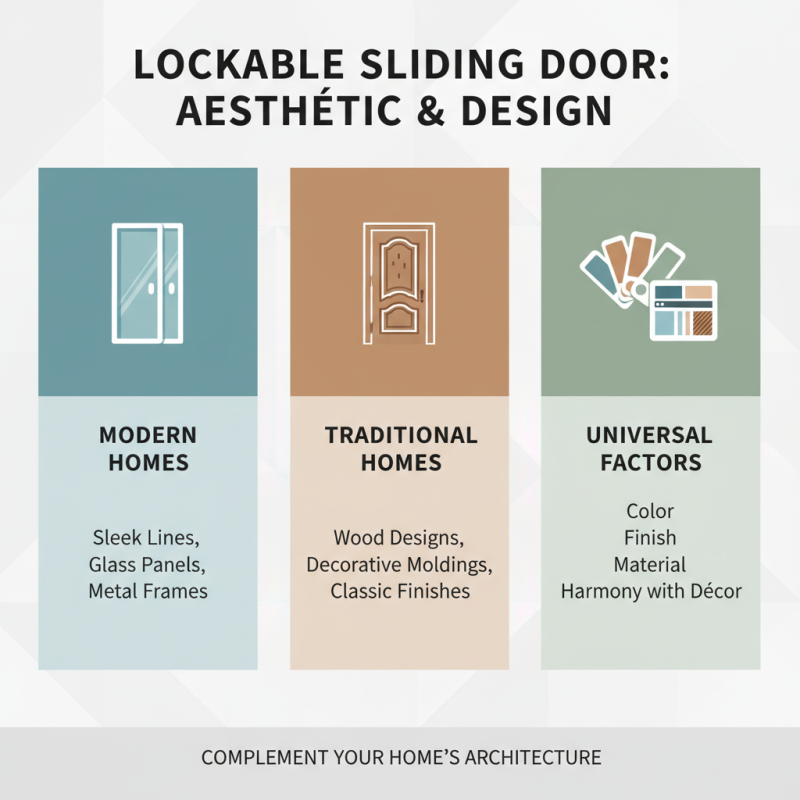
When selecting a lockable sliding door, aesthetics and design compatibility are crucial. Your door should complement your home’s architectural style. If you have a modern home, sleek lines and glass panels may suit best. Traditional homes may benefit from wooden designs or decorative moldings. Always consider the door's color and finish to ensure harmony with your existing décor.
Material choice also impacts aesthetics. Vinyl, wood, and aluminum each offer unique visual appeals. Vinyl doors can provide a clean, contemporary feel. Wood adds warmth but requires maintenance. Aluminum frames have a sleek, minimalist look that’s durable. Consider how these materials blend with window frames and other elements in your home.
Don’t overlook functionality. A beautiful door may not serve well if it doesn’t glide smoothly or lock securely. Test different options to find the right balance between style and practicality. Reflect on what you truly need versus what looks good. This balance will lead to a well-designed space that feels both inviting and secure.