What is Inside Bifold Doors Benefits and Features Explained?
Bifold doors have become increasingly popular in modern architecture. Their versatility and stylish appeal make them a favorite among homeowners. However, many people wonder what lies inside bifold doors and how it contributes to their functionality. Understanding the internal components and features of these doors can help you make an informed choice for your space.
Inside bifold doors, you will find a well-engineered system that balances aesthetics and durability. Each panel is designed to glide smoothly on a track. The hinges used can be quite complex, ensuring longevity. If not properly maintained, these mechanisms might become a source of frustration. This highlights the importance of regular checks on their performance.
Bifold doors also serve as a bridge between interior and exterior spaces. They can enhance natural light within your home. Yet, they may not always provide adequate insulation, which can lead to energy loss. It's essential to weigh these benefits against potential drawbacks when considering bifold doors for your property. By exploring what's inside bifold doors, you can identify if they suit your needs.
Understanding Bifold Doors: Definition and Functionality
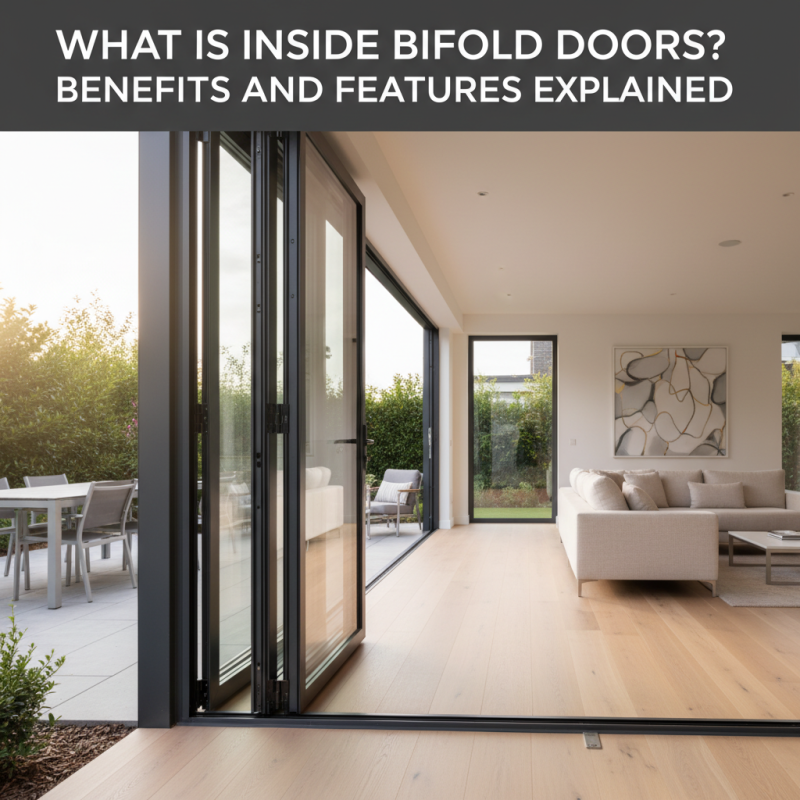
Bifold doors are an innovative solution for modern living spaces. They consist of multiple panels that fold and stack to one side, providing a wide opening. This design enhances the flow between indoor and outdoor areas. A major benefit is their ability to create a seamless transition, making any room feel more spacious.
Understanding the functionality of bifold doors is crucial. They provide ample natural light while offering flexible ventilation options. When fully opened, they can transform a room into an extension of the garden or patio. Homeowners often appreciate this feature, especially during gatherings or celebrations. However, it's vital to consider the installation process. A poorly fitted door can lead to operational issues or drafts.
The materials used in bifold doors vary. Common choices include aluminum, wood, and uPVC. Each material offers different aesthetic and energy efficiency benefits. However, users may need to weigh durability against personal style preferences. Regular maintenance is necessary. Neglect can lead to wear, impacting aesthetics and functionality. Understanding these aspects can help you make informed choices about bifold doors.
Benefits of Bifold Doors
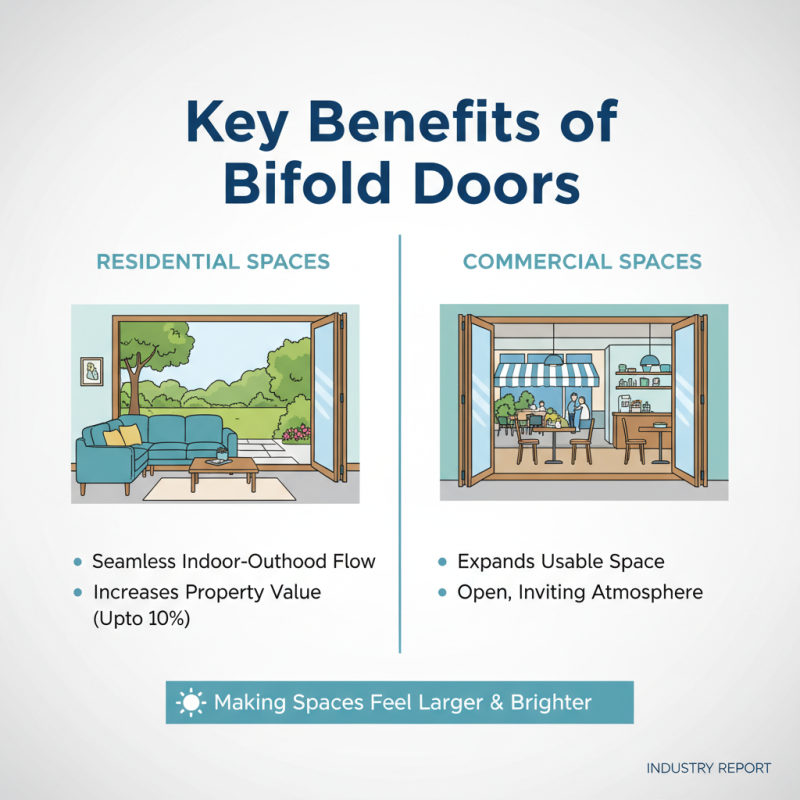
Key Benefits of Bifold Doors in Residential and Commercial Spaces
Bifold doors are increasingly popular in both residential and commercial settings, offering numerous advantages. These doors enable seamless transitions between indoor and outdoor spaces. They create an illusion of more space, making rooms feel larger and more connected to nature. According to a recent industry report, homeowners can increase their property value by up to 10% with the installation of bifold doors.
One key benefit of bifold doors is their flexibility. They can fully open, allowing for maximum ventilation and natural light. This is particularly beneficial in commercial spaces, where a bright and airy environment enhances employee productivity. Additionally, the large glass panels can highlight stunning views, making them an appealing choice for restaurants and cafes. However, the initial cost can be higher compared to traditional doors, which is a consideration for budget-conscious homeowners and business owners.
There are practical aspects to consider. Bifold doors require ample wall space to operate effectively. Regular maintenance is necessary to ensure longevity and optimal performance. Some users report challenges with air sealing and security. These issues can cause hesitation in the buying decision. Overall, bifold doors present exciting opportunities for enhancing aesthetic appeal and functionality, despite their complexities.
Exploring the Design Features of Bifold Doors
Bifold doors are a marvelous addition to any space. They seamlessly blend indoor and outdoor environments. The design features of bifold doors enhance both functionality and aesthetics. These doors can fold back neatly, creating a wide opening. This maximizes natural light and improves ventilation. Homeowners appreciate the way bifold doors can transform the atmosphere of a room.
When exploring the details of bifold doors, their materials stand out. You can find them in wood, aluminum, or vinyl. Each material offers unique benefits and requires different care. Wooden frames provide warmth but may need regular maintenance. Aluminum is sleek and weather-resistant but might lack the cozy feel. Choosing the right material can make a significant impact on durability and style.
The versatility of bifold doors is another notable feature. They can serve as room dividers or access points to a patio. However, one must consider the installation process. A poorly installed bifold door may not operate smoothly. This brings potential issues, like gaps that affect energy efficiency. Thoughtful planning and professional advice can mitigate these concerns. Investing time in research can lead to better choices.
What is Inside Bifold Doors Benefits and Features Explained? - Exploring the Design Features of Bifold Doors
| Feature |
Benefits |
| Space Saving Design |
Bifold doors fold to one side, creating more usable space in both indoor and outdoor areas. |
| Natural Light |
Large glass panels allow for ample natural light to brighten up home interiors. |
| Versatile Style |
Available in various materials and finishes to match different architectural styles. |
| Enhanced Accessibility |
Offers wider openings, making it easier to move between spaces, especially for gatherings. |
| Energy Efficiency |
Modern bifold doors are designed to be energy-efficient, reducing heating and cooling costs. |
| Increased Property Value |
Installing bifold doors can enhance the aesthetic appeal of your home, potentially increasing its market value. |
Material Options for Bifold Doors: Pros and Cons
Bifold doors are popular for their flexibility and aesthetic appeal. When considering material options, homeowners should weigh the pros and cons carefully. Common materials include wood, aluminum, and vinyl. Each has unique benefits and drawbacks.
Wood offers a classic look, with natural warmth and excellent insulation. However, it requires regular maintenance and can be susceptible to warping. Studies show that well-maintained wooden doors can last over 30 years, though they may incur higher long-term costs.
Aluminum, on the other hand, is durable and low-maintenance. It can withstand harsh weather conditions without warping or rusting. Yet, it typically has lower insulation properties, which can lead to higher energy bills. Some reports indicate that aluminum doors can lose up to 15% of heat.
Vinyl represents a cost-effective solution, with good thermal efficiency and minimal upkeep, but it may lack the visual appeal of wood.
Tip: Always consider your climate when choosing materials. Areas with high humidity might not be ideal for wooden doors. Additionally, focus on energy efficiency ratings to reduce costs in the long run.
Installation and Maintenance Considerations for Bifold Doors
Bifold doors are popular due to their versatile design and functional benefits. However, proper installation and maintenance are crucial for optimal performance. A report by the American Institute of Architects highlights that improperly installed bifold doors can lead to issues such as air leakage and operational difficulties. Ensuring a precise fit and level frame helps prevent these problems.
Regular maintenance is essential for longevity. It’s advisable to inspect the tracks periodically. Keeping them free of dirt and debris can significantly enhance the door's functionality. Lubricating the hinges and rollers every few months is also beneficial. Regularly checking seals will help maintain energy efficiency, which is vital considering that up to 30% of a building’s energy loss can occur through poor sealing.
Tips:
- Use a soft brush for track cleaning.
- Schedule seasonal checks to prevent buildup.
- Watch for signs of misalignment; it can indicate wear.
Bifold doors can be a transformative addition to any space, but their efficiency depends heavily on proper care. A lack of timely maintenance can lead to costly repairs that could have been avoided. Emphasizing ongoing upkeep can also enhance your property's
value.