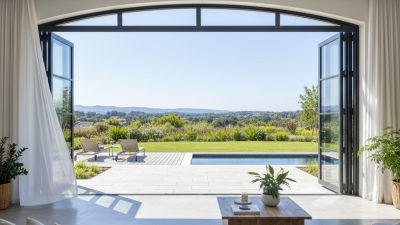
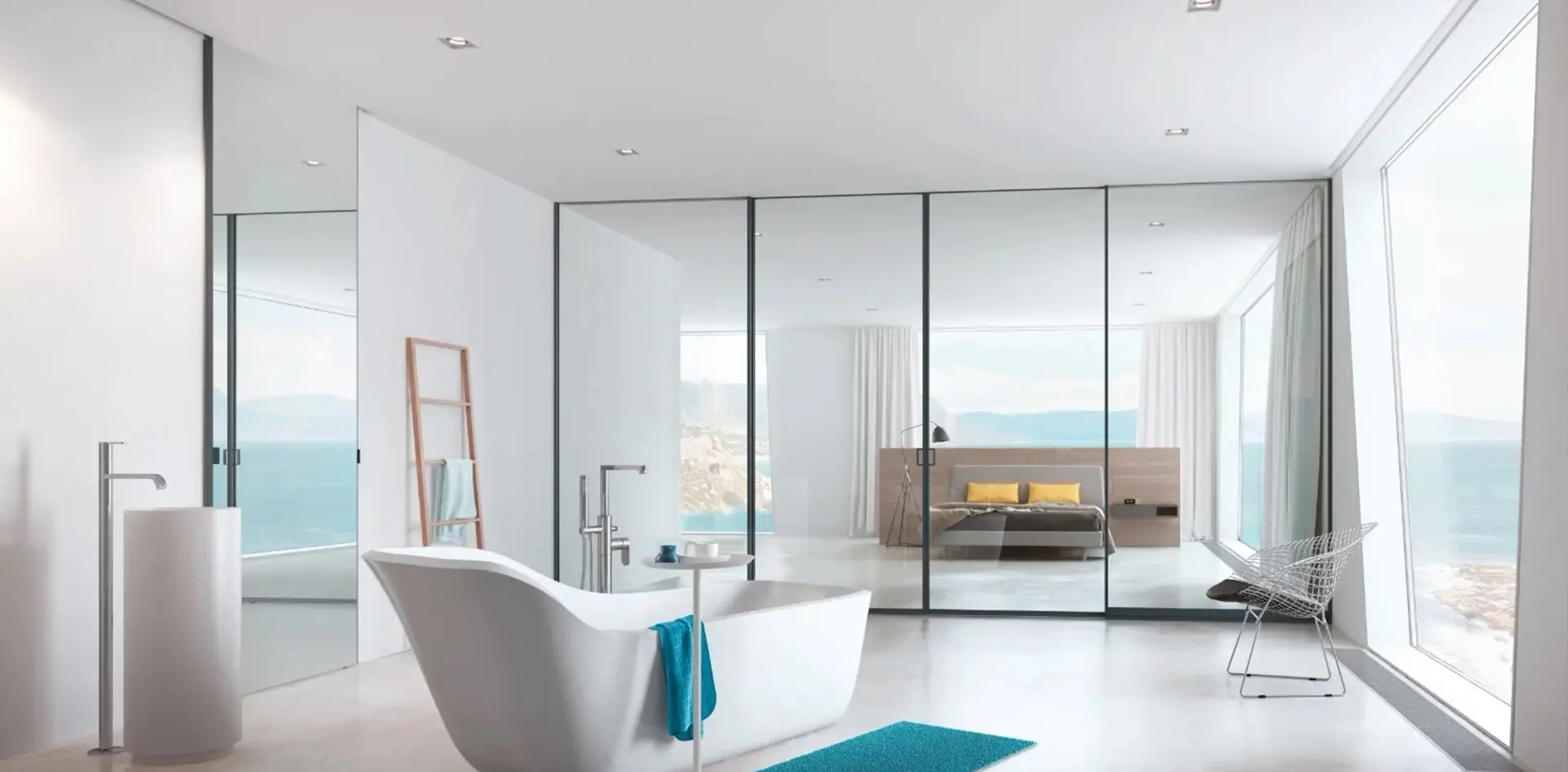
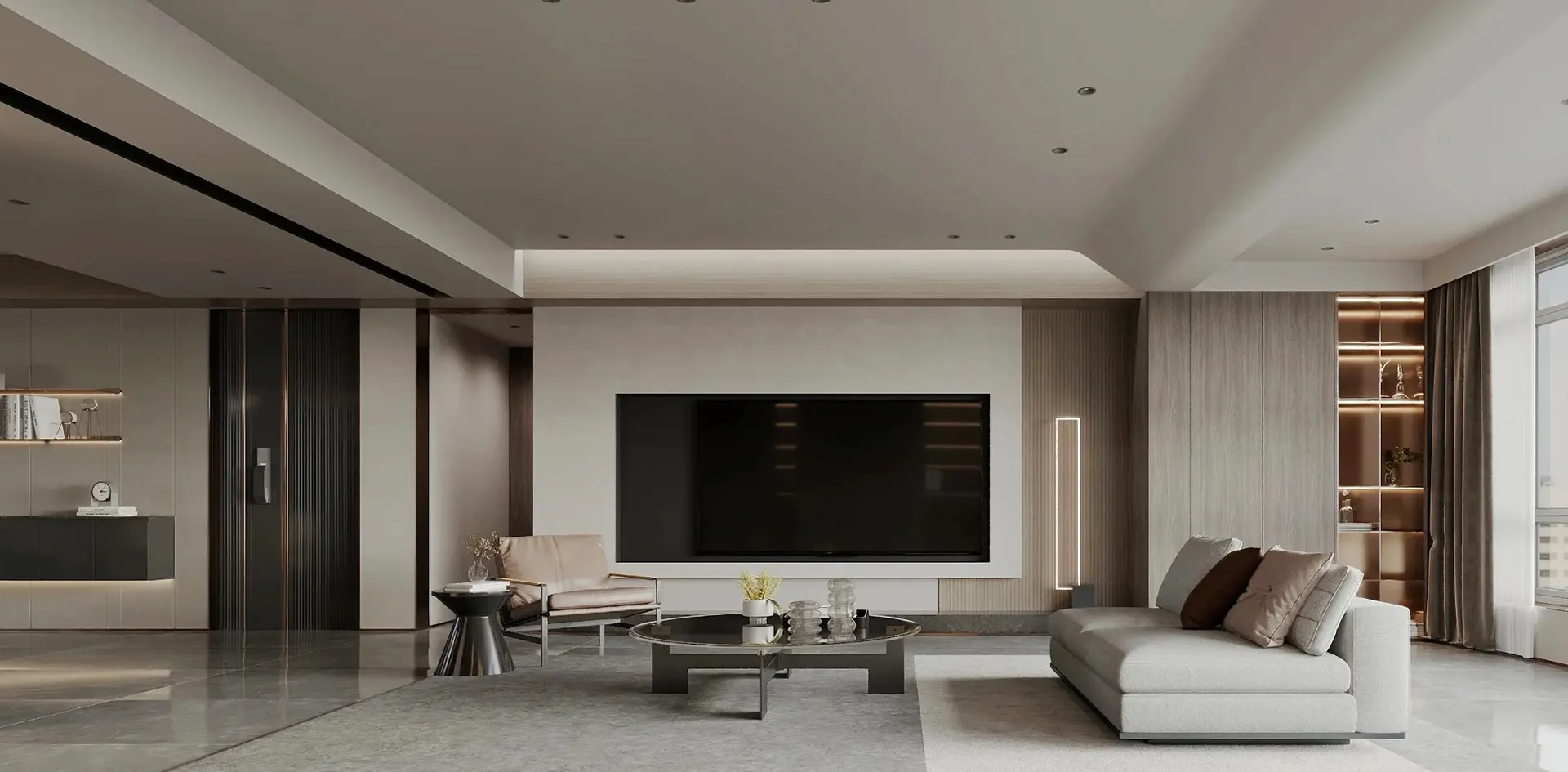
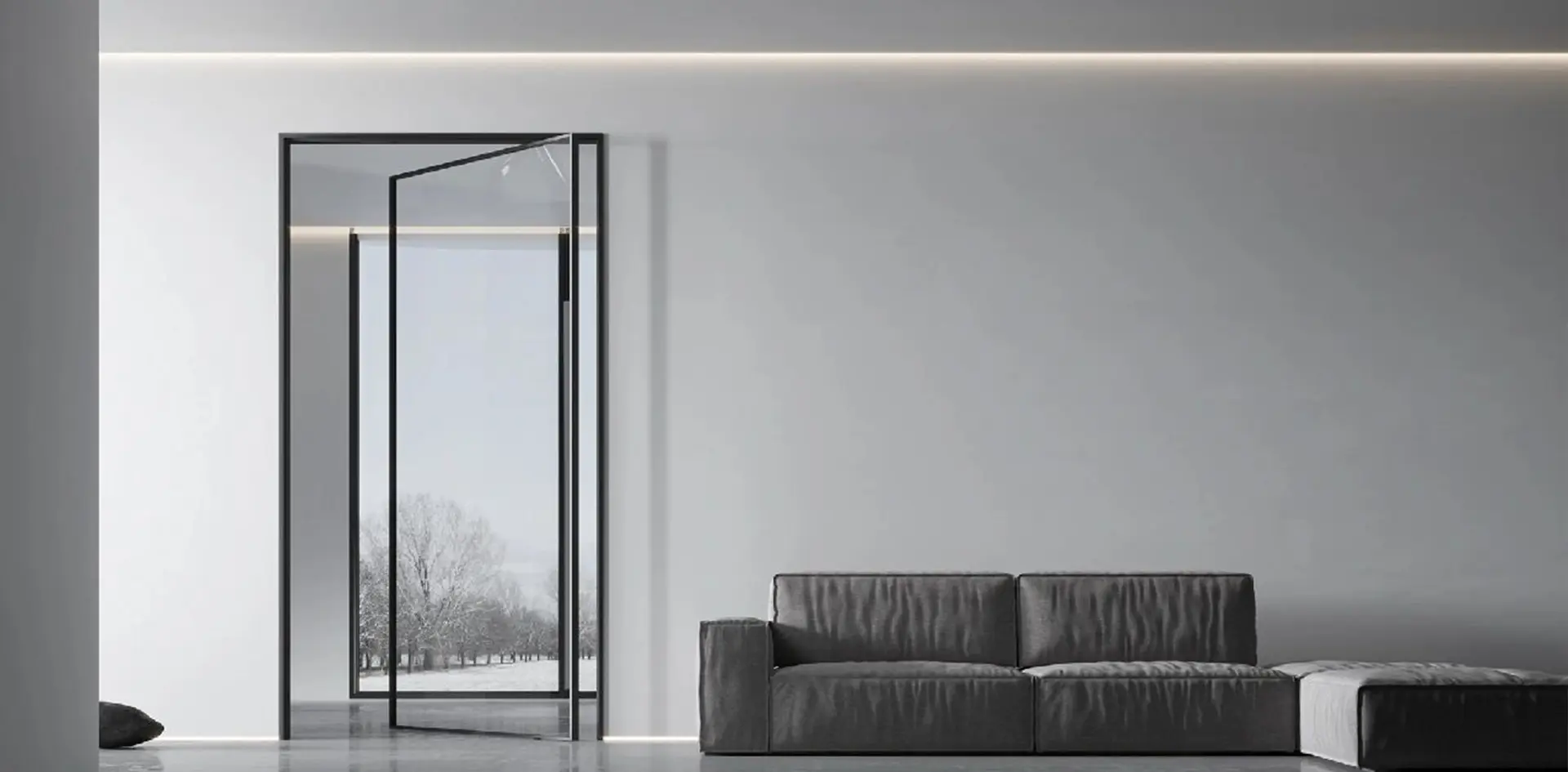
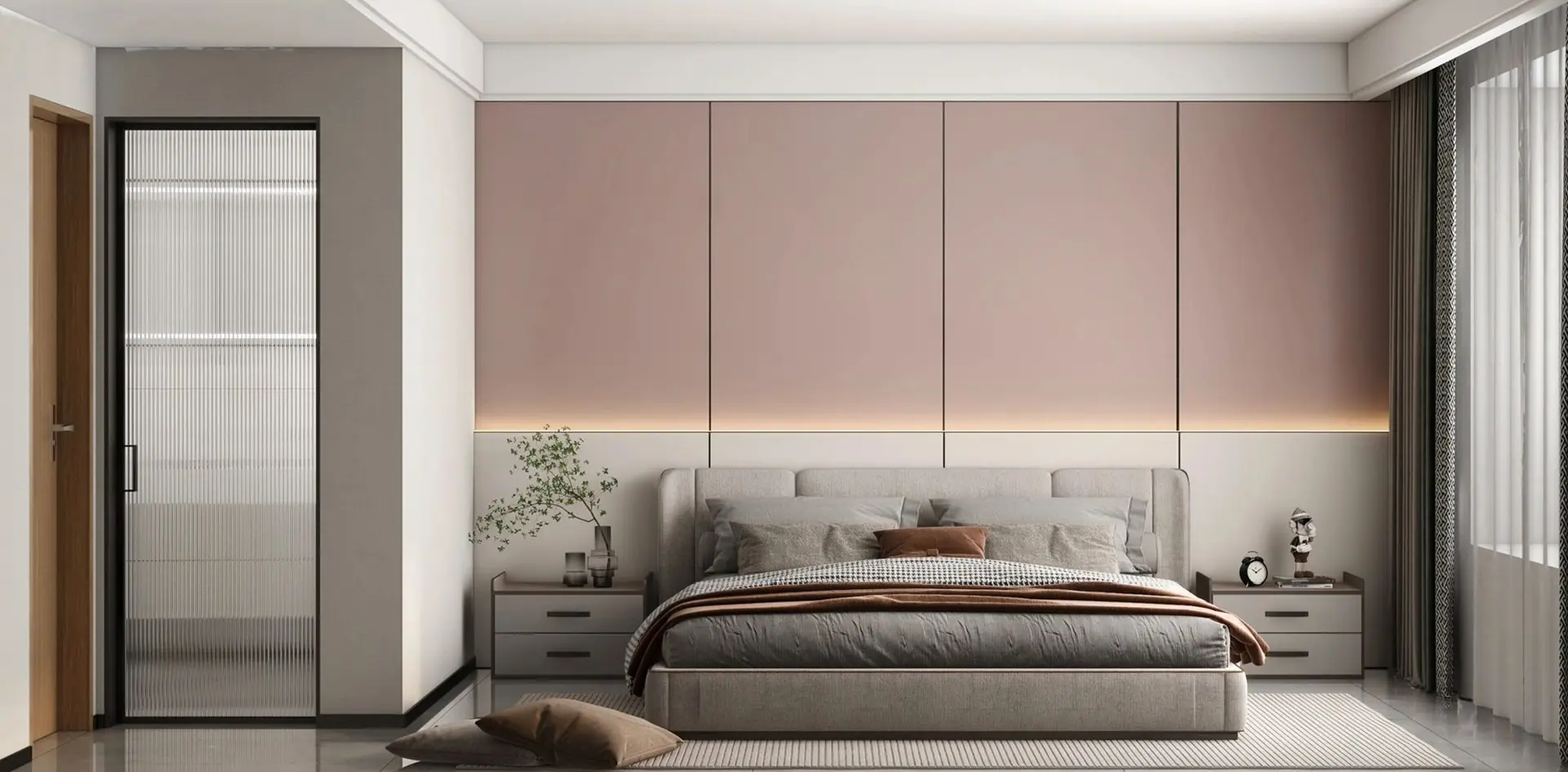

Indoor Folding Doors are becoming essential for achieving space efficiency in modern homes. Renowned interior designer Alex Mercer emphasizes their importance, stating, "An Indoor Folding Door is a brilliant solution for compact living spaces." These doors not only save space but also add an elegant touch to interiors.
With many designs available, choosing the right one can be overwhelming. Some options may not suit every decor style. It's crucial to find a balance between aesthetics and functionality. Indoor Folding Doors can transform areas—turning a small room into a versatile space. However, choosing the wrong material or color can lead to regret.
Those seeking space-saving solutions need to consider various factors. The right Indoor Folding Door can enhance both light and airflow. Still, potential buyers must reflect on their unique needs to avoid common pitfalls. Seeking expert advice helps navigate the options available.
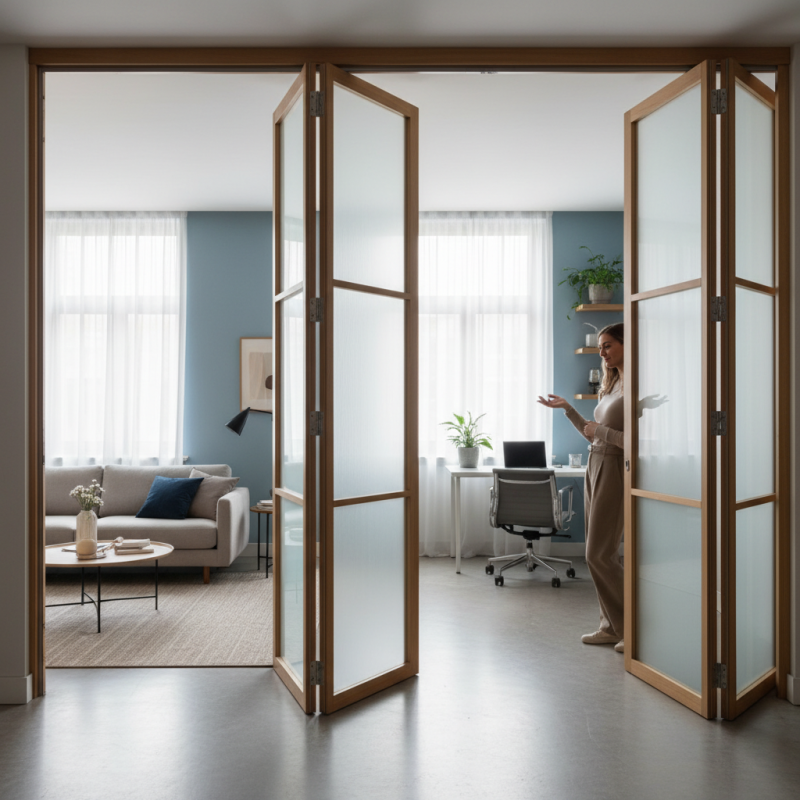
When considering indoor folding doors, space efficiency is key. These doors come in various types, each with unique benefits. Bi-fold doors are popular. They fold to one side, opening up to create a wider doorway. This style works well in smaller rooms. They allow light to flow while maximizing usable space.
Another option is accordion doors. They slide along a track, making them suitable for tight spaces. Accordion doors can be used to separate rooms effectively. They provide privacy without sacrificing space. For a more modern look, consider pocket doors. These doors disappear into the wall when opened. This design creates a seamless flow between rooms.
**Tips:**
Choose the right material for durability. Consider lightweight options for easy operation. Measure your space accurately to ensure a perfect fit. Experiment with colors to match your decor. Sometimes, a bold color can draw attention and enhance the room's character. Reflect on how often you need to access these areas. This can inform your choice of door style.
| Door Type | Material | Width Options | Height Options | Price Range | Best Use |
|---|---|---|---|---|---|
| Bi-fold Doors | Wood, Vinyl | 24" - 72" | 80" - 96" | $200 - $800 | Closets, Pantries |
| Accordion Doors | Hollow Core, PVC | 30" - 60" | 80" - 84" | $150 - $400 | Room Dividers |
| Panel Doors | Wood, MDF | 24" - 36" | 78" - 84" | $100 - $600 | Bedrooms, Offices |
| Folding Glass Doors | Aluminum, Glass | 36" - 96" | 80" - 120" | $900 - $3000 | Patios, Living Areas |
Folding doors are a fantastic solution for small spaces. They save valuable space while adding style to homes. When closed, they provide privacy. When opened, they create an airy feel. This flexibility is particularly great for studio apartments or tiny homes. You can easily separate rooms as needed.
Using folding doors also enhances natural light. Traditional doors can block sunlight, making rooms feel cramped. Folding doors slide open smoothly, allowing light to flood in. This brightens the space and often creates an illusion of a larger area. Choosing the right colors or materials adds even more to the aesthetic appeal.
However, not all folding doors are created equal. Often, there are visibility issues when doors are fully opened. Also, they require a good amount of wall space. Not everyone considers the installation process, which can be a bit tricky. A little planning goes a long way in ensuring they fit perfectly. When done right, folding doors can transform a small area into a multi-functional haven.
Indoor folding doors offer versatile space-saving solutions. Their materials play a crucial role in aesthetics and performance. Common options include wood, metal, and composite materials. Each has its unique benefits and drawbacks.
Wooden doors add warmth and elegance to interiors. However, they can warp or swell with humidity. Metal doors are durable and often use steel or aluminum. They resist wear over time, yet they can feel cold and uninviting. Composite materials bridge the gap. They mimic wood's appearance while offering improved resistance to moisture.
A recent industry report shows that 45% of homeowners prefer composite doors for their balance of aesthetics and durability. Additionally, the sound insulation of these materials is often rated higher than that of their metal counterparts. Nevertheless, some users report dissatisfaction with the cost of high-quality composites. This highlights the ongoing debate over value versus performance in indoor folding door selection.
Choosing indoor folding doors can greatly enhance your home’s space efficiency. Installation, however, can be tricky. According to a recent industry report, over 40% of homeowners face challenges during the installation process. This often results in improper function or aesthetics. To ensure a smooth installation, careful planning is crucial.
Start by accurately measuring the space where you intend to install the doors. This step is vital. A small error can lead to gaps, affecting both insulation and appearance. Aim for precision. Consider the type of track system that suits your needs. Some tracks are easier to install than others. Specialized tools can make a difference. Don't overlook door weight, as heavier doors may require more robust support.
Once installation begins, working systematically is key. Many neglect to read the instructions fully, causing delays and errors. Always double-check alignment before securing the doors. Remember that adjusting hinges can be tedious but worth it for functionality. Mistakes early on can lead to problems later. Rushing through can compromise the final outcome; it's advisable to take your time. Installing indoor folding doors may present challenges, but a thoughtful approach yields rewarding results.
Caring for folding doors is crucial for their longevity. Regular maintenance ensures they operate smoothly and look great. Dust and dirt can accumulate in the tracks. This buildup can cause the doors to stick or jam. A simple cleaning with a damp cloth can help. Pay attention to the hinges, too. They need lubrication to prevent squeaking and ensure easy movement.
It's important to inspect the doors regularly. Check for any signs of wear and tear. Small dents or scratches can lead to bigger issues. Touching up these imperfections can save you from more extensive repairs later. If a door starts to warp, consider adjusting its alignment. This can often be done with simple tools.
Humidity can also affect folding doors. In a damp environment, wood can swell and warp. Using a dehumidifier can help in such cases. Always ensure good ventilation in the room. This simple step can prolong the life of your doors significantly. Remember, the effort you put into maintenance today will pay off in the future.