Best 10 House Front Doors for a Stylish Home?
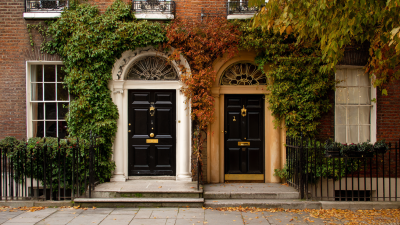
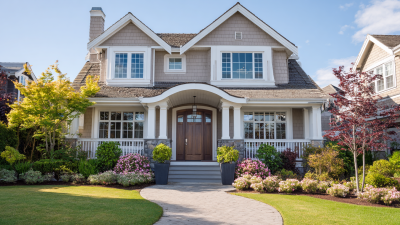
Choosing the right House Front Doors can significantly enhance your home's curb appeal. In a recent study, 67% of buyers stated they would pay more for a home with stylish entry doors. This statistic highlights the importance of selecting a door that reflects your style and complements your residence.
The materials and designs of House Front Doors are vital for making a lasting impression. Wood offers warmth and elegance, while fiberglass provides durability and energy efficiency. In fact, homes with well-designed doors can see a return on investment of 75% or more upon resale. However, the choices can feel overwhelming at times.
Moreover, it's essential to consider that sometimes door maintenance is neglected. Many homeowners overlook scratches, fading paint, or outdated styles, which can diminish a home's overall appearance. Reflecting on your door's condition can lead to improved aesthetics and value. Investing time in selecting and maintaining your House Front Doors can create a welcoming atmosphere for friends and family.
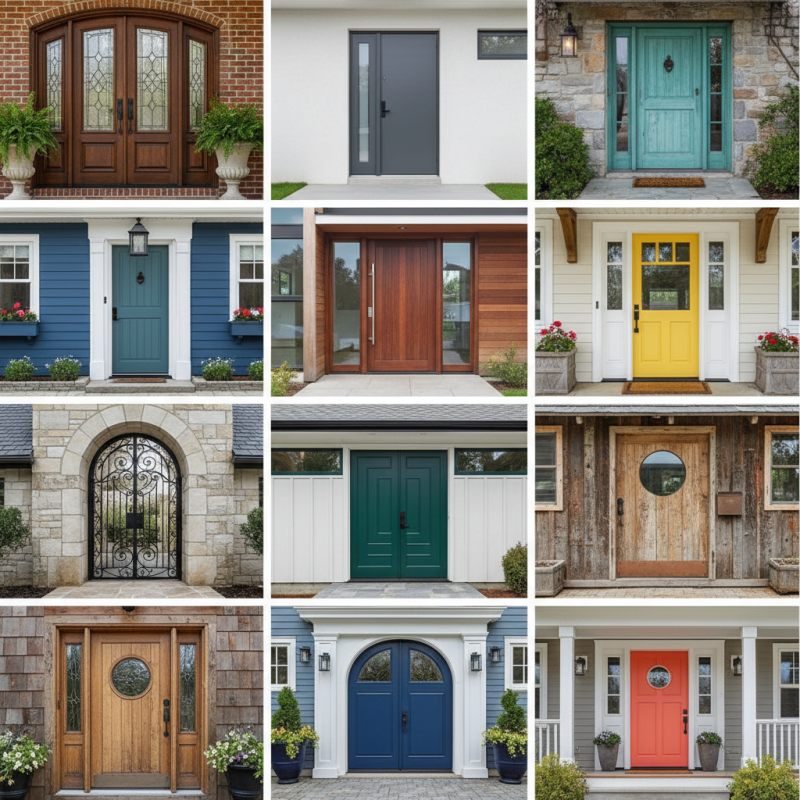
Top Features to Consider When Choosing a Front Door
Choosing the perfect front door is crucial for your home’s curb appeal. Consider the style, material, and security features. A wooden door might look classic, but it requires regular maintenance. Steel doors offer great durability, yet they can lack character.
When selecting a door, think about energy efficiency. Look for features like insulation. A well-insulated door can reduce energy bills. Double-glazed glass panels can also help with this.
Tips: Measure the door frame before shopping. A standard size works for many homes, but yours might be different. Don’t overlook the color. A bold hue can make a statement. If you want something timeless, go for neutral tones.
Don’t forget about the hardware. Handles and locks should match the overall design. Aim for quality over quantity. Small details can elevate your door’s look. Always test the door's closing mechanism. It should feel solid and secure. A loose door can lead to trouble later.
Top 10 House Front Doors Features
This bar chart illustrates the importance of various features to consider when selecting a front door for a stylish home. Each feature is rated on a scale from 1 to 10, reflecting its significance in the decision-making process.
Popular Materials for Stylish House Front Doors
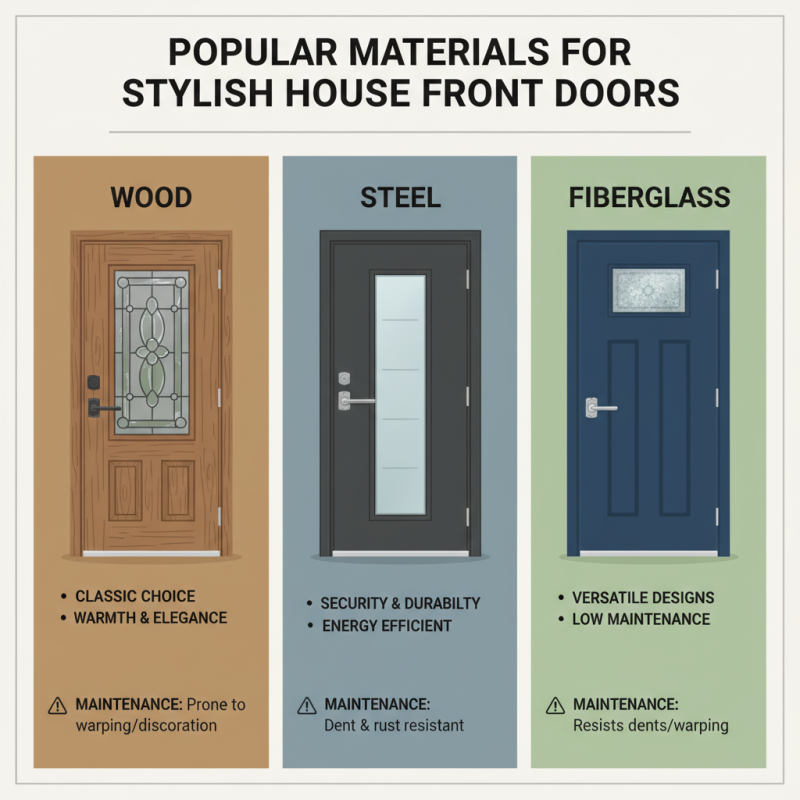
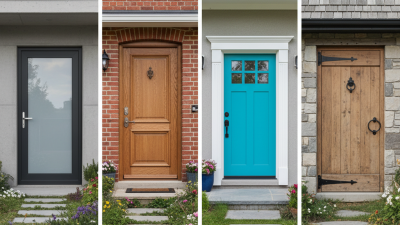
When selecting a front door for your home, the material plays a vital role. Wood is a classic choice. It offers warmth and elegance. However, it requires regular maintenance to prevent warping and discoloration. Many homeowners find the effort worthwhile for its timeless appeal.
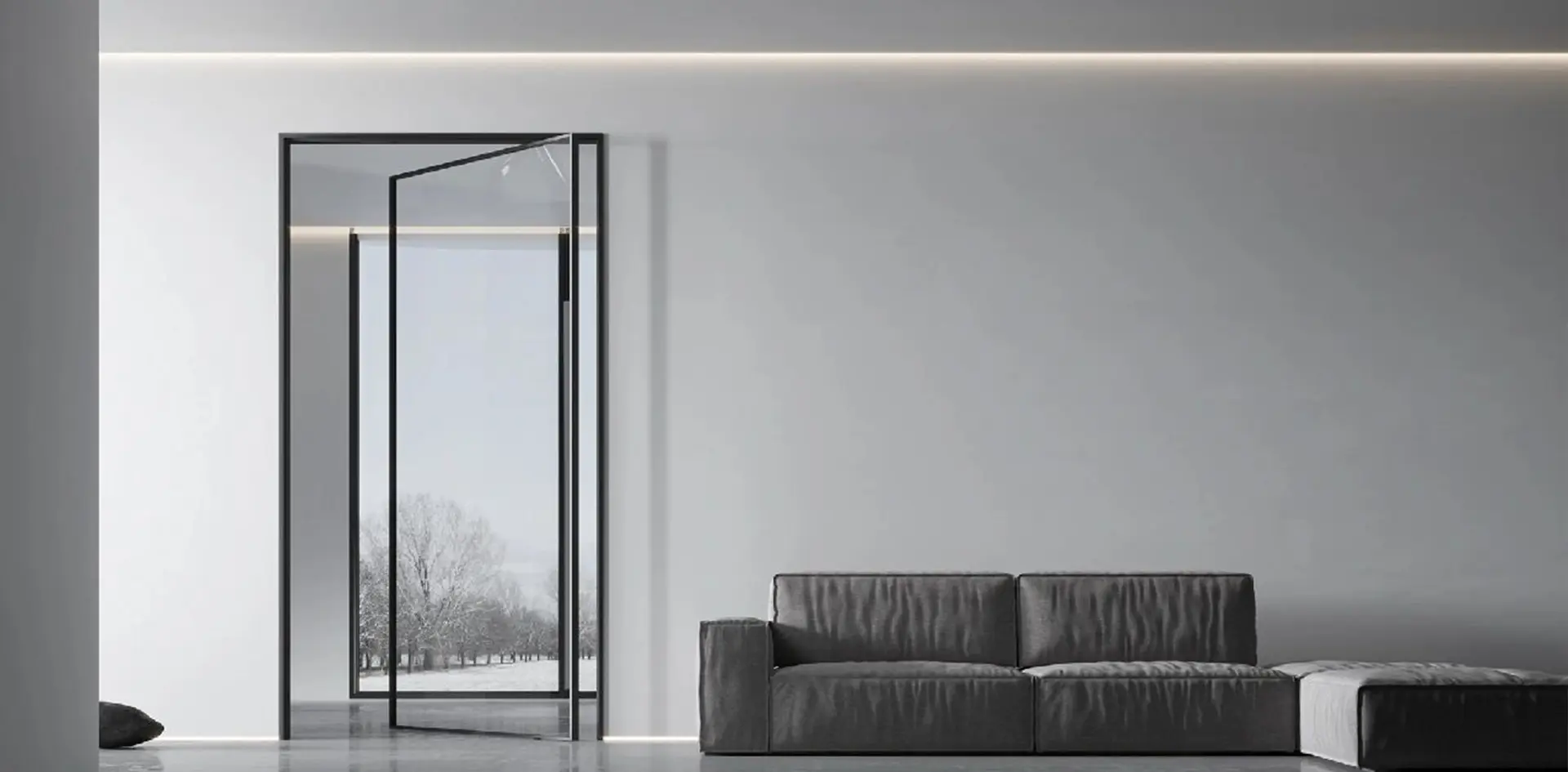
Fiberglass is another popular option. It mimics the look of wood but is more durable and low-maintenance. Homes in humid climates might benefit from this material. Still, some people think it lacks the authentic charm of real wood. Metal doors, such as steel, provide security and a sleek look. They can be very stylish, but without proper insulation, they may lead to increased energy costs.
Glass doors are also gaining attention. They allow natural light, making spaces feel larger. Privacy films can solve concerns about visibility. Yet, they may lack insulation and can be easily damaged. Each material carries its pros and cons, and the choice often reflects personal style and practical considerations.
Design Styles That Enhance Home Curb Appeal
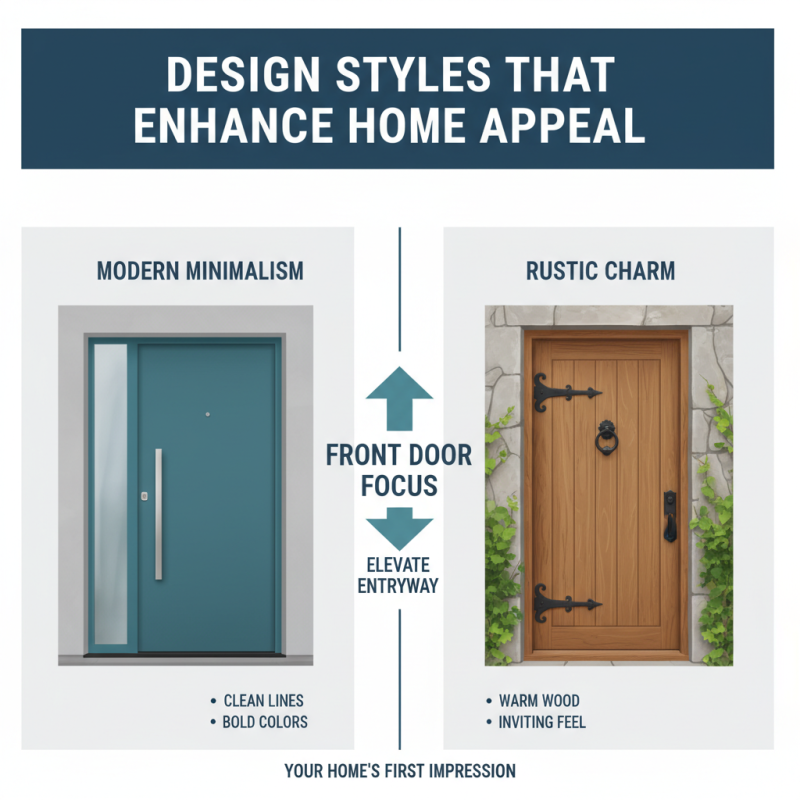
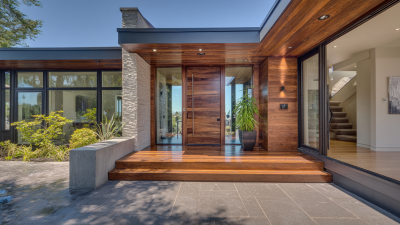
Choosing the right front door can dramatically enhance your home's curb appeal. A well-designed door serves as a focal point for your entryway. Consider styles like modern minimalism, with clean lines and bold colors. These can create a striking first impression. Alternatively, a rustic wooden door exudes warmth and charm, inviting guests to feel at home.
Color is equally important. Bright hues can energize a space, while muted tones offer sophistication. Think of a bright yellow door against white siding—it's cheerful and welcoming. But some may argue they don't suit every architectural style. Pay attention to the surrounding details. Overly ornate doors can clash with simpler home exteriors. Lastly, don’t overlook door hardware. Handles and locks can enhance the overall aesthetic. A unique knob or handle can add a personal touch.
Color Trends for Front Doors in Modern Architecture
In modern architecture, front door colors play a vital role in a home’s overall aesthetic. Bold colors often dominate the scene, providing a striking contrast to neutral facades. Navy blue, for instance, offers an elegant touch, while bright red commands attention. These choices can enhance a home’s character, but they also risk clashing with surrounding elements.
Pastel shades are becoming increasingly popular. Soft pinks and gentle greens bring a sense of tranquility. However, such colors may fade over time under harsh sun exposure. That’s something to consider if a homeowner desires longevity in their design choice. Mixing colors can be fun, yet it requires careful thought. Choosing a vibrant door color that reflects personal style is essential, but homeowners must question if it resonates with the overall design.
Textures alongside color are equally significant. A smooth finish can evoke modernity, while a wood-grain effect offers warmth. Each texture interacts with paint differently, creating unique visuals that demand attention. Homeowners should observe how light plays on the surface throughout the day. Balancing bold choices with functional beauty presents challenges. Reflecting on these decisions helps create a front door that is not only stylish but also enduring.
Best 10 House Front Doors for a Stylish Home
| Door Style |
Color |
Material |
Architectural Style |
Popularity (1-10) |
| Classic Panel |
White |
Wood |
Traditional |
8 |
| Modern Pivot |
Charcoal Gray |
Fiberglass |
Contemporary |
9 |
| French Doors |
Soft Blue |
Wood |
Rustic |
7 |
| Sliding Door |
Cedar Red |
Aluminum |
Modern |
6 |
| Dutch Door |
Sunset Orange |
Wood |
Country |
5 |
| Art Deco |
Emerald Green |
Steel |
Art Deco |
8 |
| Craftsman |
Earthy Brown |
Wood |
Craftsman |
9 |
| Bifold Doors |
Jet Black |
Fiberglass |
Modern |
7 |
| Minimalist Door |
Pure White |
Aluminum |
Minimalist |
10 |
| Geometric Door |
Graphite Gray |
Wood and Glass |
Modern |
6 |
Maintenance Tips for Keeping Your Front Door Looking Great
Keeping your front door in top shape requires consistent care. Regular cleaning is essential. Use a soft cloth and mild soap to remove dirt and grime. Avoid harsh chemicals that could damage the finish. A clean door not only looks inviting but also extends its lifespan. Remember to check for scratches or dents. A quick touch-up can save you from bigger repairs later.
Consider the weather when maintaining your door. Sunlight can fade colors, while moisture may lead to rot. Applying a protective sealant every few years adds an extra layer of defense. Wood doors may require more attention. Resealing and painting can keep them looking fresh. It’s often easy to overlook these tasks, but they are crucial for longevity.
Don’t forget about hardware! Hinges and doorknobs need periodic greasing. Dust can build up, making them hard to operate. A little maintenance goes a long way. If the door ever feels heavy or sticks, it may need adjustment. Addressing these minor issues promptly prevents larger problems down the line. Regular checks will help maintain a stylish, welcoming entrance to your home.