What is the Best House Door for Your Home Needs?
Choosing the right house door is more than just aesthetic appeal. It is about security, energy efficiency, and enhancing your home's overall vibe. A well-chosen house door serves as your first line of defense against intruders. It also influences how visitors perceive your space.
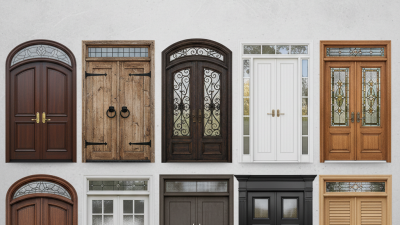
Consider various options available on the market. Wooden doors offer warmth and charm but require regular maintenance. Metal doors provide enhanced security but may lack visual appeal. Fiberglass doors combine durability with style, yet they can be pricier. Each type has its pros and cons.
Think about your specific needs. What matches your home’s architecture? How do you want guests to feel upon arrival? Your house door can make a statement, yet choosing poorly may lead to regrets. By reflecting on these elements, you can find the ideal door for your home.
Factors to Consider When Choosing a House Door
Choosing the right house door is crucial for both
security and
aesthetics. A study by the
Door & Access Systems Manufacturers Association
indicates that 34% of home break-ins occur through the front door.
This highlights the importance of selecting a door that offers robust security features.
Look for doors with solid cores,
deadbolt locks, and
security plates to maximize protection.
Energy efficiency is another critical factor. According to the
U.S. Department of Energy,
doors account for 10-15% of household heat loss.
Selecting doors with a high energy rating can
significantly reduce heating and cooling costs. Look for features like
insulated cores and
weather stripping. These can make a noticeable
difference in your utility bills.
Aesthetic appeal shouldn't be overlooked either. The door you choose sets the
tone for your entire home. Consider the architectural style of your house.
A mismatched door can detract from your home's overall look. It’s also essential
to think about maintenance. Some materials require more upkeep than others.
For instance, wood doors may need regular painting or staining, while fiberglass
offers lower maintenance needs. Choosing the right door is a blend of
security,
efficiency, and
style.
Types of House Doors: Materials and Styles
When choosing a house door, understanding materials and styles can significantly impact your home.
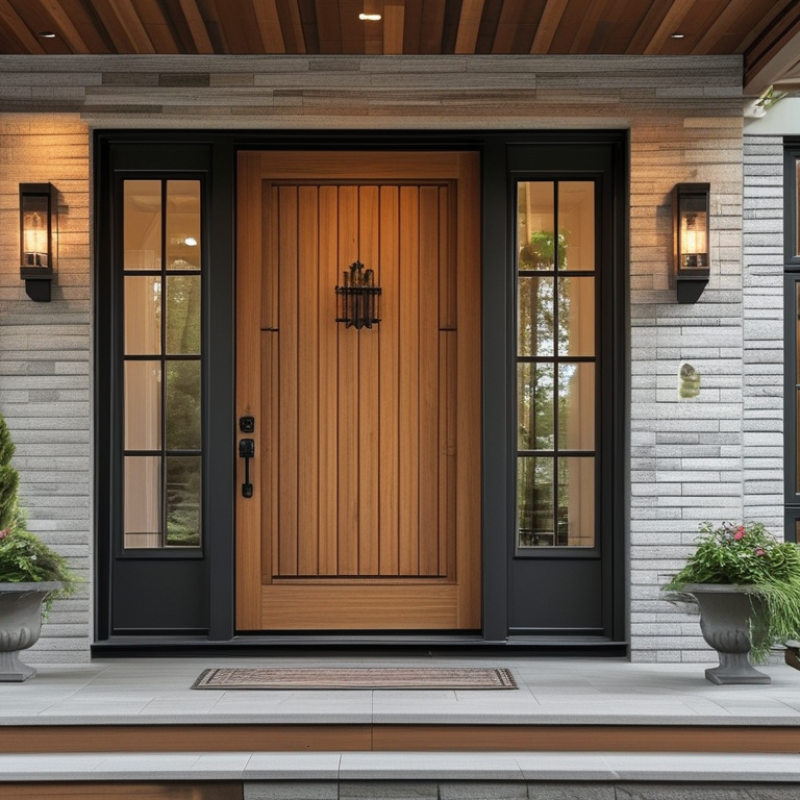
Wooden doors offer warmth and charm. They can be customized easily with different stains or paints. However, wood may warp over time and requires maintenance. It’s essential to consider climate and location before settling on wood.
Steel doors provide security and durability. They are often insulated, which helps in energy conservation. These doors can be plain or have a sleek, modern design. On the downside, they may dent and require touch-ups. If you prioritize strength over aesthetics, steel could be your choice.
Fiberglass doors combine the durability of steel with the beauty of wood. They are resistant to warping and offer good insulation. However, their price point might be higher. Your choice should reflect your style and budget. Consider how each material fits into your long-term plan for your home. Each option has its pros and cons, and careful thought is necessary.
Assessing Security Features for Your Front Door
When selecting a front door, security features are paramount. According to a report from the National Institute of Justice, homes with secure doors can thwart over 80% of break-ins. Reinforced doors with solid cores, deadbolt locks, and security hinges are often recommended. These features can make it significantly harder for intruders to gain access.
Many homeowners overlook the importance of door materials. Steel doors provide superior strength compared to wood or fiberglass. They resist forceful entry much more effectively. Additionally, ensure your door frame is sturdy and well-secured. A weak frame can undermine the effectiveness of even the most secure door.
**Tips:** Consider installing a peephole or a smart lock for extra security. Landscaping, such as thorny bushes near lower windows, can deter potential intruders. Regularly inspect your door's condition. Weather damage can create vulnerabilities that are easy to overlook. Stay proactive in protecting your home.
Energy Efficiency and Insulation Considerations
When choosing a house door, energy efficiency is paramount. According to the U.S. Department of Energy, doors can account for up to 10% of a home’s energy loss. Selecting a door with a high energy efficiency rating can reduce heating and cooling costs significantly. For instance, insulated fiberglass doors can have an R-value of up to 13, while steel doors with polyurethane foam typically reach R-values of around 6. These values indicate how well a door can resist heat flow, affecting your energy bills.
Another critical element is proper sealing. Even the most efficient door can lose energy if not installed correctly. The National Renewable Energy Laboratory finds gaps around doors may increase heating and cooling demands by an average of 20%. Weather stripping and adjustable thresholds can improve insulation. However, homeowners often overlook these details, resulting in unnecessary energy waste.
It’s essential to evaluate the long-term benefits of an energy-efficient door. While upfront costs may be higher, the potential savings over time are significant. Studies suggest that investing in an energy-efficient door can yield a return on investment exceeding 70% when it comes time to sell the home. Engaging with local energy auditors can provide insights tailored to your specific needs, ensuring you make an informed decision.
Cost Analysis: Budgeting for Your New House Door
When budgeting for your new house door, consider various factors. The average cost ranges from $400 to $1,700, depending on material and design. A solid wood door often costs more but offers excellent insulation. In contrast, fiberglass doors are popular for durability and lower maintenance needs.
Installation fees can add $100 to $500 to your budget. Hiring a professional ensures proper fitting, which impacts long-term performance. However, consider the DIY route if you’re on a tighter budget. Research shows that 78% of homeowners prioritize door aesthetics, but only 34% budget for long-term energy savings.
Think about additional features like security systems or smart locks. These enhancements may raise initial costs, yet they provide better security and convenience. A 2022 study indicated that homes with upgraded entry doors could see a 90% return on investment at resale. Balancing cost with value ensures a rewarding purchase. Keep in mind, investing wisely today can prevent costly issues down the road.
Cost Analysis of Different Types of House Doors