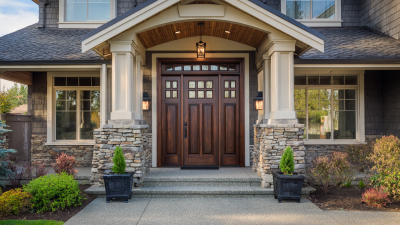
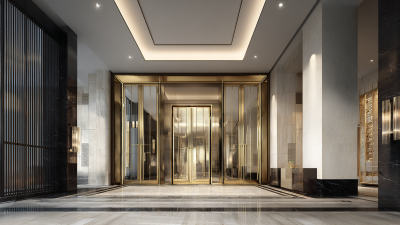
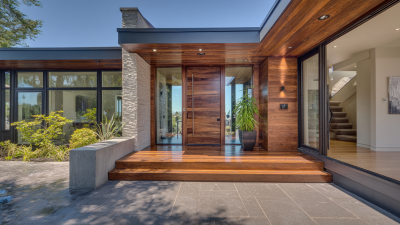
What Are the Benefits of Modern Entry Doors?
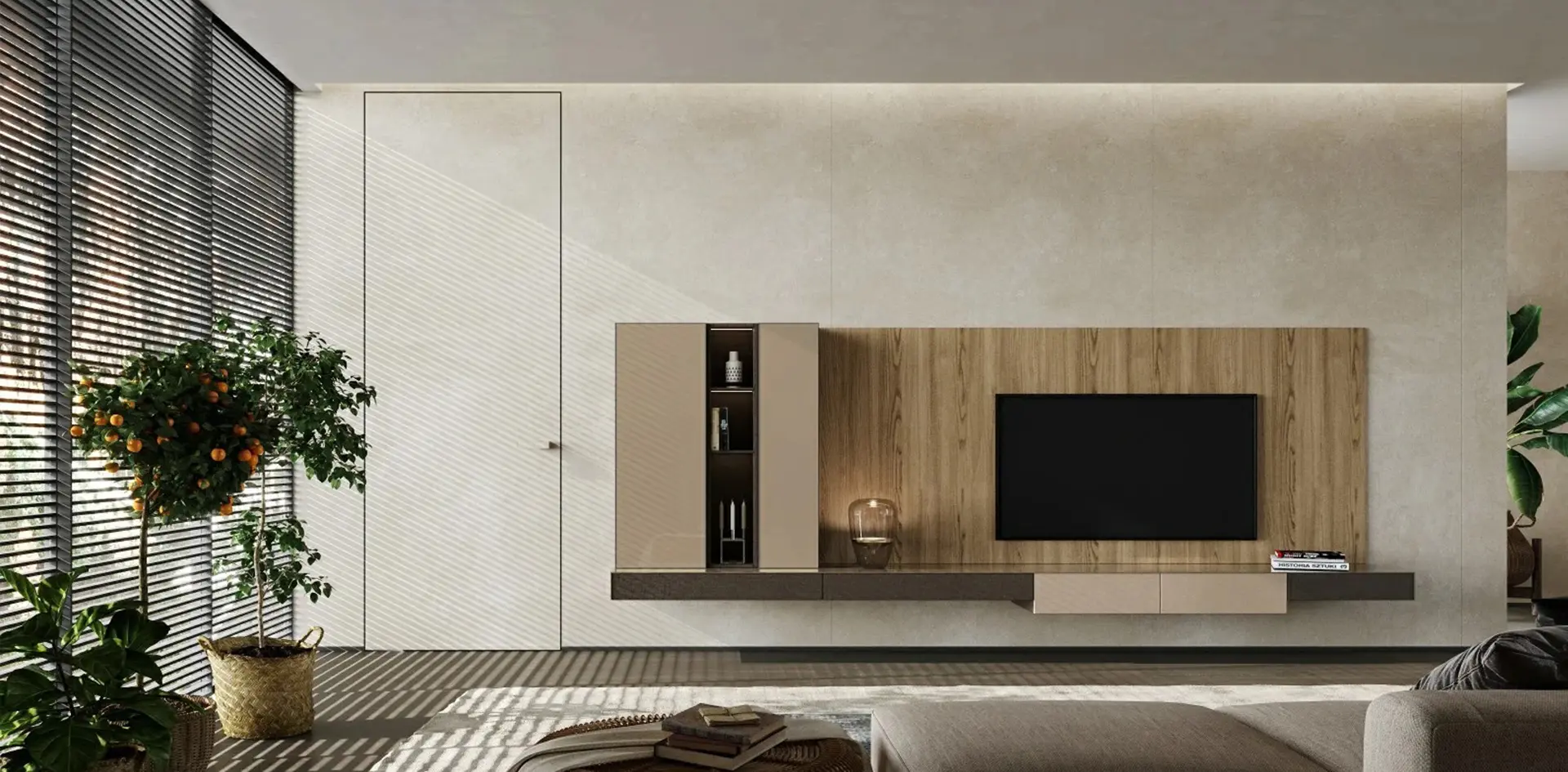
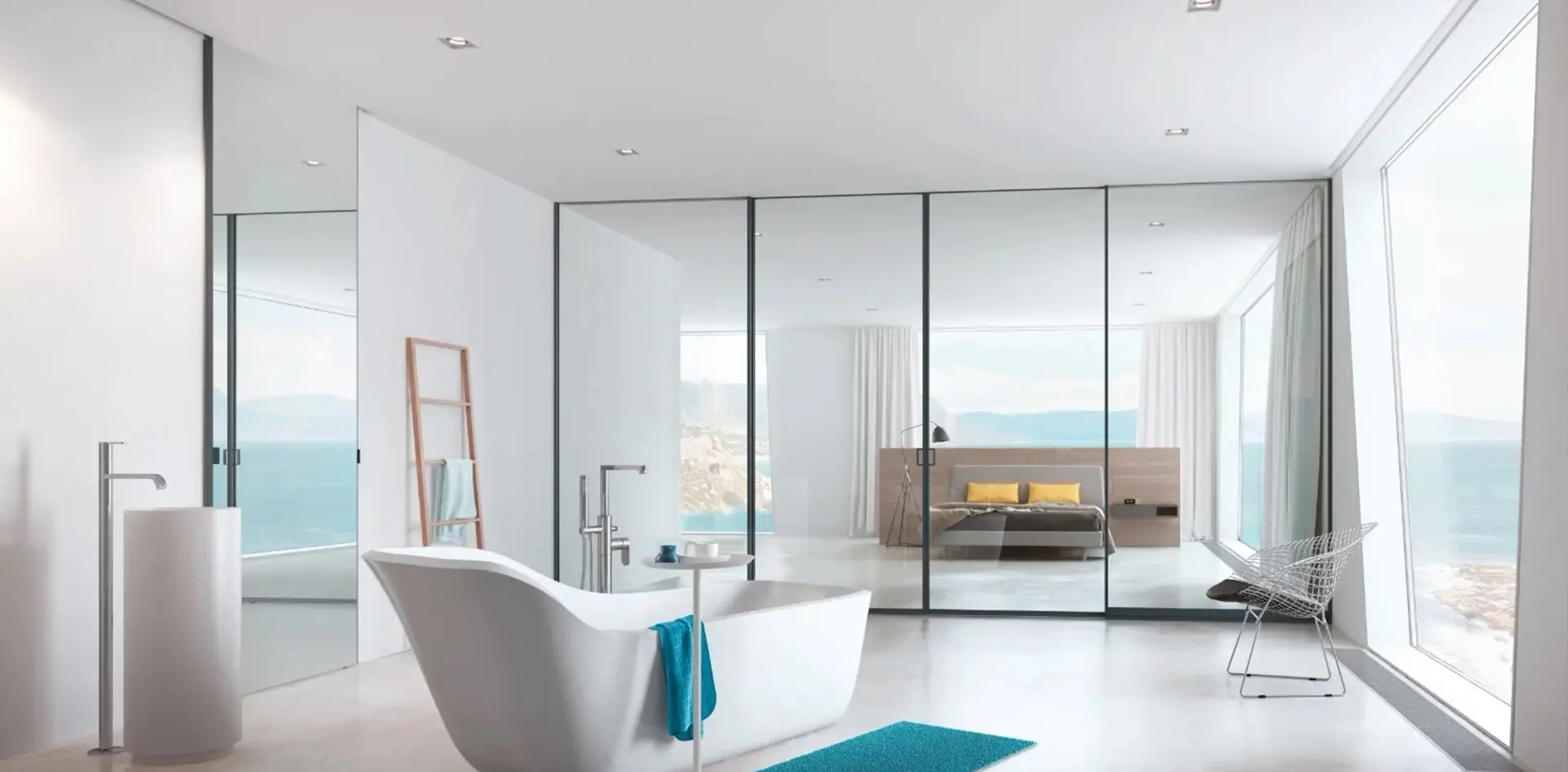
Modern Entry Doors are more than just functional elements. They serve as the first impression of your home. A well-designed door can enhance curb appeal significantly. These doors often come in various styles, colors, and materials. Homeowners can choose options that reflect their personal taste.
However, it’s important to consider energy efficiency. Modern Entry Doors often feature better insulation than older models. This improvement can lead to energy savings and increased comfort. Yet, some may overlook the importance of security features. Quality locks and durable materials are essential for safety.
Investing in Modern Entry Doors can increase property value. They are an opportunity to make a statement. Still, one must weigh the costs against potential benefits. Are the choices truly serving the intended purpose? Reflecting on these aspects can lead to smarter home improvement decisions.
Advantages of Energy Efficiency in Modern Entry Doors
Modern entry doors provide significant energy efficiency benefits. According to the U.S. Department of Energy, nearly 30% of a home’s heating and cooling energy can escape through inefficient entry doors. Upgrading to a modern door can drastically cut energy costs. These doors often feature advanced insulation materials, reducing thermal transfer.
In fact, a study from the National Association of Home Builders revealed that well-insulated doors can save homeowners up to $200 per year on energy bills. Many modern entry doors also come equipped with weatherstripping and multi-point locking systems, preventing drafts. Yet, not all doors are created equal. It’s crucial to choose based on specific climate needs. Some homeowners overlook door performance metrics, focusing solely on aesthetics.
Energy-efficient doors can also enhance comfort indoors. They minimize temperature fluctuations, creating a more stable environment. However, the upfront investment may deter some. High-quality doors come with higher price tags, which can be a barrier. Evaluating long-term savings versus initial costs is essential. Homeowners should carefully weigh these factors.
Enhanced Security Features of Contemporary Entry Doors
Modern entry doors offer a range of benefits, particularly in terms of security. These doors are often designed with advanced locking systems that help deter intruders. For example, multi-point locks provide greater security by engaging multiple points along the door frame. This makes it much harder for anyone to force the door open. Additionally, many contemporary designs incorporate reinforced frames. This added strength enhances protection against break-ins.
Another noteworthy feature is the use of impact-resistant materials. Some modern doors are made from composites or fiberglass, which are difficult to tamper with. They often include double glazing, which not only improves insulation but also adds an extra layer of protection. The combination of these features makes modern entry doors particularly resilient.
Yet, some might argue that focusing solely on security can overlook aesthetic values. A door should be welcoming; it should feel inviting rather than intimidating. Sometimes, people choose bulky options while overlooking slimmer, sleeker designs that still provide security. Striking the right balance is essential, ensuring that safety does not compromise the door’s overall appearance. It's worth reflecting on how to blend security and style effectively.
Aesthetic Appeal and Design Options of Modern Entry Doors
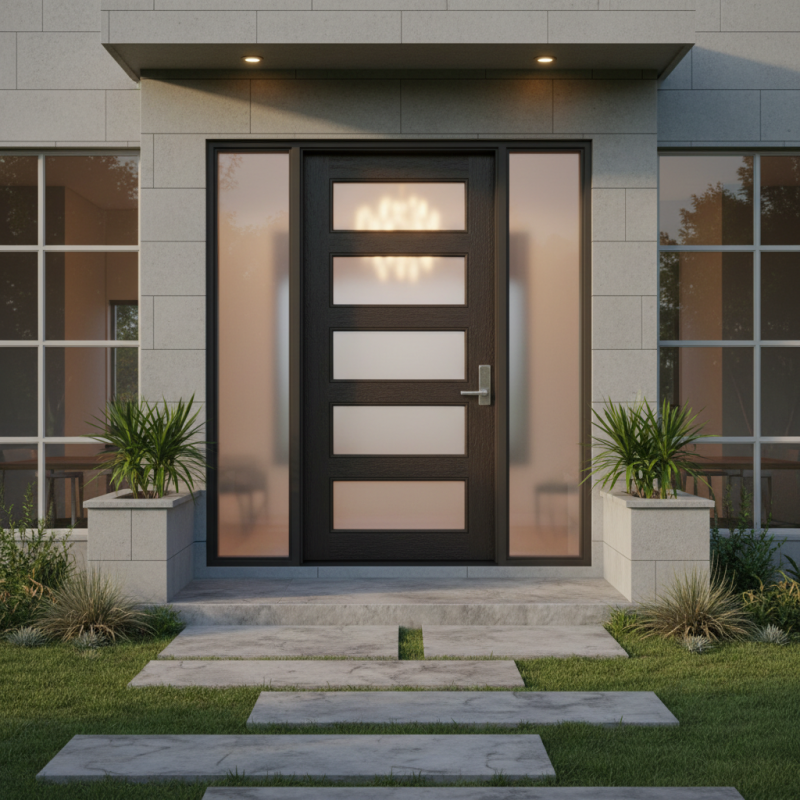
Modern entry doors offer significant aesthetic appeal and diverse design options that can elevate the look of any home.
According to a report by the National Association of Home Builders, high-quality entry doors can enhance curb appeal and potentially increase property value by up to 10%.
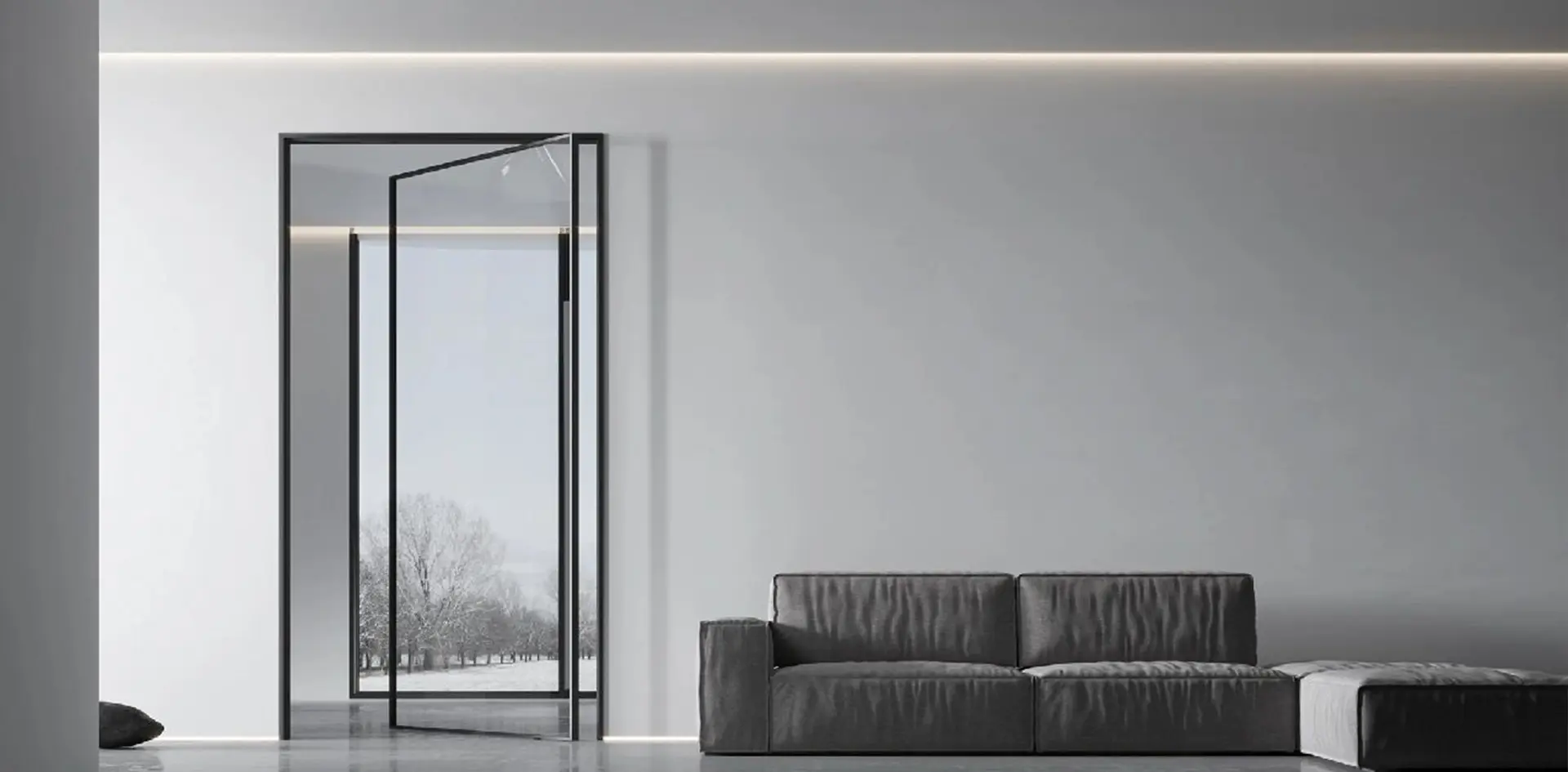
Distinctive styles, colors, and materials allow homeowners to express their personal tastes. For example, sleek glass panels or bold colors can create a striking first impression. The combinations are almost limitless.
Many modern entry doors feature energy-efficient materials. These can contribute to reduced energy costs, making homes more comfortable. A recent study indicated that well-insulated doors can cut heating costs by 10% to 20%. However, homeowners also face challenges in finding the right balance between aesthetics and practicality. Some doors may look visually stunning but lack durability or efficiency. It's crucial to consider long-term performance alongside immediate visual appeal when selecting an entry door. Striking that balance can be a complex decision.
Durability and Weather Resistance of Current Entry Door Materials
Modern entry doors are designed for durability and weather resistance. Materials used have evolved significantly. Many doors today feature fiberglass and steel, known for their strength. According to a report from the National Association of Home Builders, these materials can withstand extreme weather conditions better than traditional wood.
Fiberglass doors don't warp or swell. They resist denting and scratching. In contrast, steel doors offer security and energy efficiency. They can reduce heating and cooling costs by up to 20%, as mentioned in the Department of Energy's findings. The long-lasting performance of these materials is impressive yet raises questions about their environmental impact.
However, no material is perfect. Fiberglass can crack in very harsh conditions, while metal doors can rust over time. Homeowners must consider maintenance. Despite the challenges, choosing modern entry doors can enhance a home's resilience against weather. Investing in the right materials pays off in the long run.
What Are the Benefits of Modern Entry Doors? - Durability and Weather Resistance of Current Entry Door Materials
| Material |
Durability Rating (Years) |
Weather Resistance |
Insulation Value (R-Value) |
Maintenance Level |
| Fiberglass |
30+ |
Excellent |
R-5 to R-7 |
Low |
| Steel |
15-20 |
Good |
R-3 to R-5 |
Medium |
| Wood |
10-30 |
Fair |
R-2 to R-3 |
High |
| Aluminum |
20+ |
Good |
R-2 to R-4 |
Medium |
| Vinyl |
30+ |
Excellent |
R-4 to R-6 |
Low |