


Choosing the right House Door in 2026 is not only a design decision. It affects security, comfort, energy use, maintenance, and daily convenience.
Global buyers face different climates, building methods, budgets, and installation practices. A solid timber door may suit a dry, traditional home, but moisture can cause swelling in humid regions. Fiberglass can offer stable performance, while steel may provide strong security and durability. Aluminum doors often fit modern designs, although thermal performance depends on the frame and insulation.
No door wins everywhere.
This guide examines popular House Door types for international residential projects. It considers material quality, insulation, weather resistance, hardware, opening direction, glazing, and expected service life. These details matter when a door must withstand coastal air, desert heat, freezing winters, or heavy rainfall.
Professional experience shows that the door slab is only part of the result. Poor measuring, weak hinges, or an unsuitable threshold can reduce performance quickly. Local installers should confirm wall dimensions, drainage needs, ventilation, and applicable building requirements before purchase. Product certificates and manufacturer specifications also deserve careful review.
Some recommendations remain imperfect. A premium door may exceed a modest renovation budget, while a lower-cost model may require more maintenance. Buyers should compare total ownership costs instead of focusing only on the purchase price. This article offers a practical framework for making that comparison with clearer expectations and fewer costly surprises.
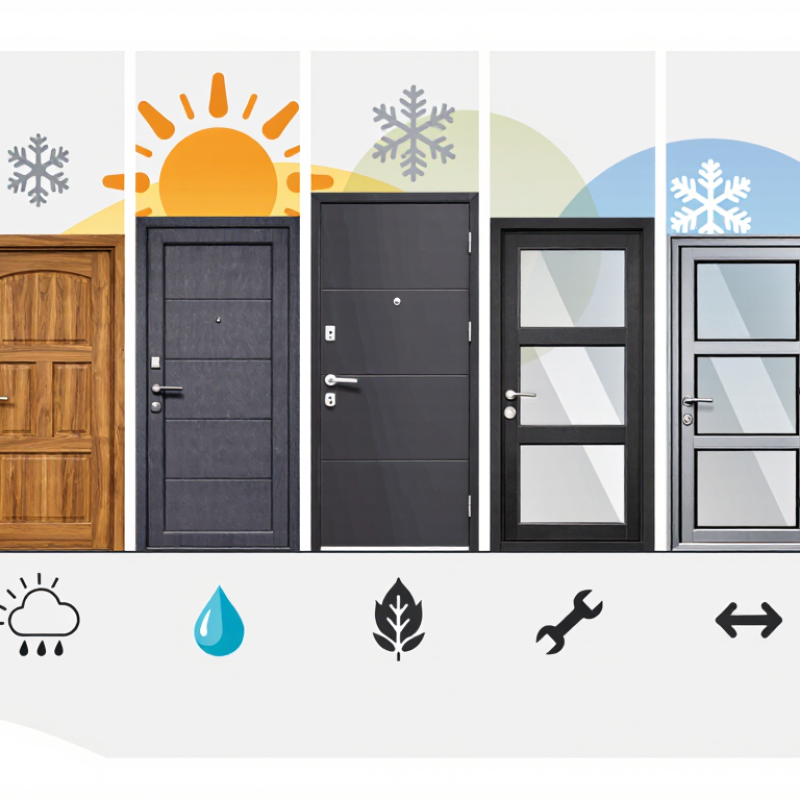
2026 Best House Door Types for Global Buyers?
House Door Basics: Materials, Functions, and Design Standards
A house door should balance security, weather resistance, comfort, and daily usability. Its material strongly affects that balance. Solid timber offers warmth and repairability, but it needs regular protection in humid climates. Steel provides strength and stability, although exposed surfaces may corrode near coastlines. Fiberglass resists moisture and temperature changes, yet poor-quality cores can reduce its long-term value. Aluminum is lightweight and modern, but thermal breaks are essential in cold regions.
Function matters as much as appearance. A main entrance may need reinforced locks, impact-resistant panels, and clear visibility around the threshold. A rear door often prioritizes ventilation, drainage, and easy access to outdoor areas. Insulated cores can reduce heat transfer, while tight seals help limit drafts, dust, and rain. Glass panels should match the required safety level and privacy needs.
Design standards vary by country, climate, and building type. Buyers should check local requirements for fire performance, energy efficiency, accessibility, and minimum dimensions. Door swing direction also deserves attention, especially in narrow halls or homes used by older residents. No material is perfect. A beautiful door can still fail when its frame is weak or installation is careless. Measurements, flashing, hinges, and threshold drainage need equal attention. That part is often underestimated. A practical choice combines tested construction, qualified installation, and maintenance that matches the local environment.
House Door Basics: Materials, Functions, and Design Standards
How to read the chart: Lower thermal conductivity generally means better resistance to heat flow through the material itself. Actual door energy performance also depends on thickness, cores, glazing, seals, frames, installation quality, and the complete door assembly.
Buying guidance: Wood and rigid PVC have relatively low material conductivity, while steel and aluminum require insulated cores and thermal-break frames for improved energy performance. Exterior doors should also be selected for weather exposure, security, fire requirements, accessibility, and local building codes.
Design standards to check: EN 14351-1 covers performance characteristics for external pedestrian doorsets in Europe; ISO 10077 provides methods for calculating thermal transmittance of windows and doors; accessibility rules such as the ADA commonly require at least a 32-inch (815 mm) clear opening in the United States.
Material values are representative reference values at room temperature and vary by species, density, alloy, moisture content, and product construction. They are not whole-door U-values.
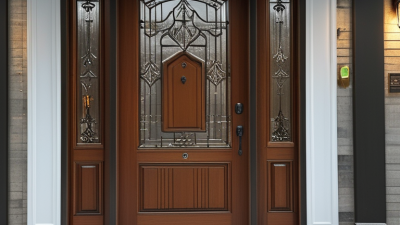
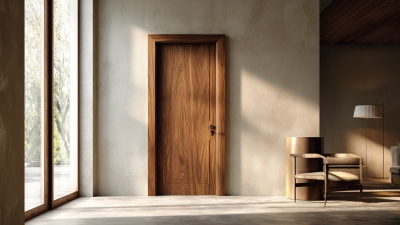
Choosing the right main house door depends on climate, security needs, maintenance, and architectural style. Solid wood doors create warmth and strong visual character. They suit dry or temperate regions, but require sealing against moisture and sunlight. I have seen unsealed wood swell around the threshold after one wet season.
Steel doors provide excellent strength and stable performance. They work well for urban homes and areas needing stronger entry protection. However, damaged coatings can expose steel to rust, especially near coastlines. Fiberglass doors offer a practical balance. They resist moisture, imitate wood textures, and need less maintenance. This makes them useful for humid, rainy, or frequently occupied homes.
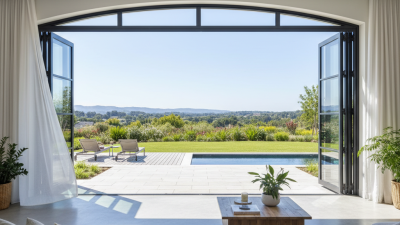
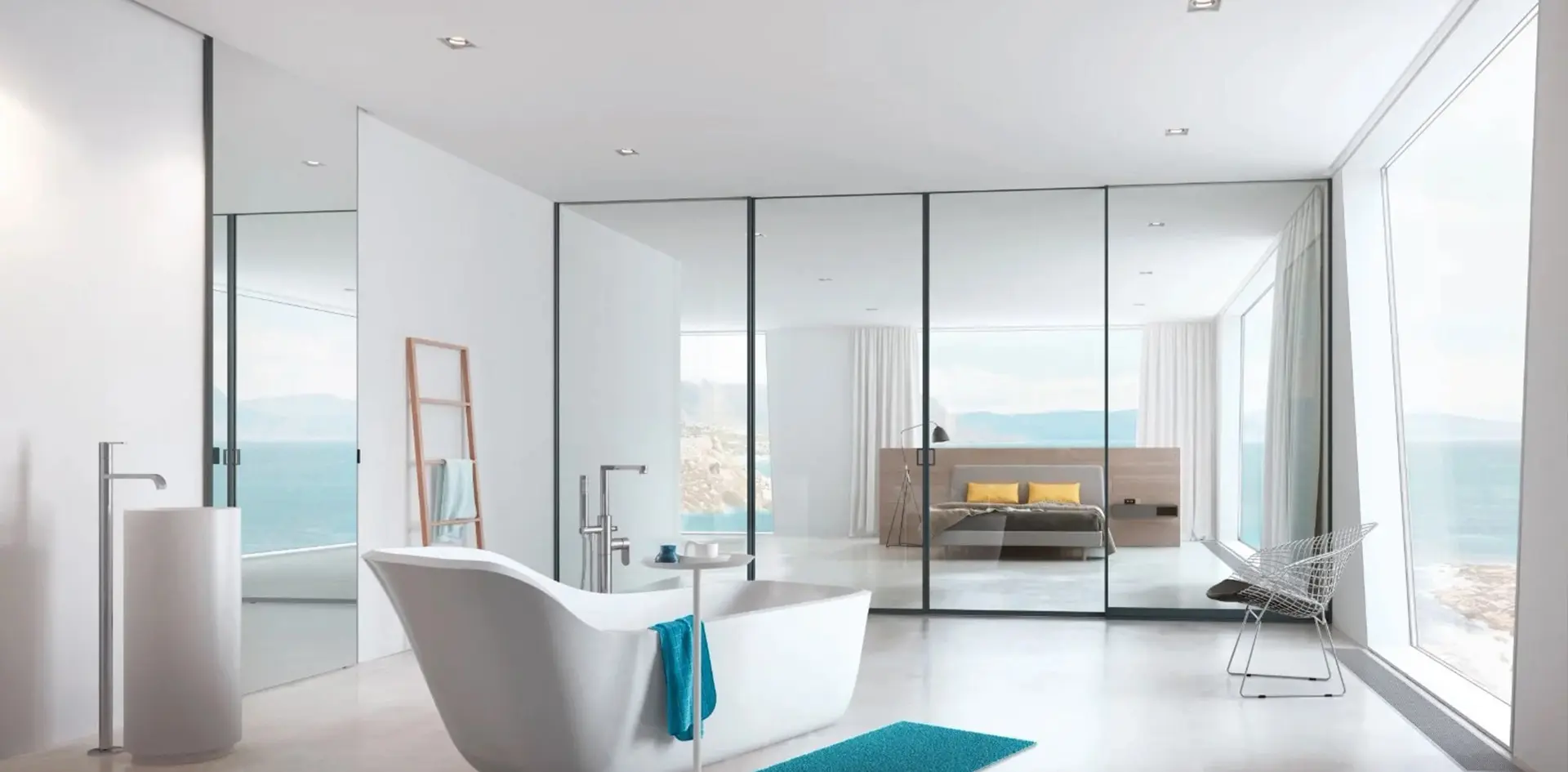
Glass and aluminum doors suit modern entrances with wide openings and abundant daylight. Use insulated glass and thermally improved frames in hot or cold climates. A door’s threshold, hinges, locks, and weather seals matter as much as its surface material. Tips: Check local building requirements, wind exposure, drainage, and replacement-part availability before ordering. Test the swing direction with furniture in place. Small mistakes become expensive. I would also compare warranty terms carefully, because installation problems are sometimes confused with product defects.
2026 Best House Door Types for Global Buyers?
Choosing a house door is not only a style decision. Security, energy efficiency, and weather resistance must work together. A solid steel door can resist forced impact, but poor sealing may increase heat loss. A timber door feels warm and natural, yet it needs careful protection in humid climates. Fiberglass often balances durability and insulation, but quality varies between manufacturers.
Check the frame before judging the door. A reinforced frame, protected hinges, and a tested multi-point lock can improve resistance. Glass panels should use laminated safety glazing, especially near the handle. Ask for independently verified test results, not only sales claims. Ratings differ by country, so compare them with local building codes and insurance requirements.
Energy performance depends heavily on installation. Look for a low U-value, continuous weather seals, and a thermally broken threshold. In windy coastal areas, test data for wind-driven rain matters. In sunny regions, UV-resistant finishes reduce fading and surface cracking. A door may have excellent laboratory results but perform poorly after careless fitting. That detail is easy to overlook.
No door is perfect. A heavier leaf can strain hinges over time. Seals also shrink, harden, and need replacement. Inspect the bottom edge after heavy rain, and check for daylight around the frame. For global buyers, climate records, exposure direction, maintenance access, and local repair skills deserve as much attention as appearance.
Door selection should begin with climate, not appearance. In hot, humid regions, insulated fiberglass or engineered-composite doors resist moisture better than many solid wood designs. A shaded entrance and light-colored finish can also reduce surface heat. The UNEP Global Status Report for Buildings and Construction reports that buildings consume about 32% of global energy, making envelope performance increasingly important.
Cold-climate homes need doors with low U-values, insulated cores, and tight weather seals. Steel doors can provide strong thermal performance when their cores and frames are properly insulated. Check certified U-factor and air-leakage ratings, rather than trusting material labels alone. In coastal areas, corrosion-resistant hardware and sealed edges deserve extra attention. Salt air is unforgiving.
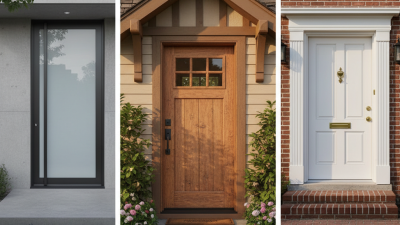
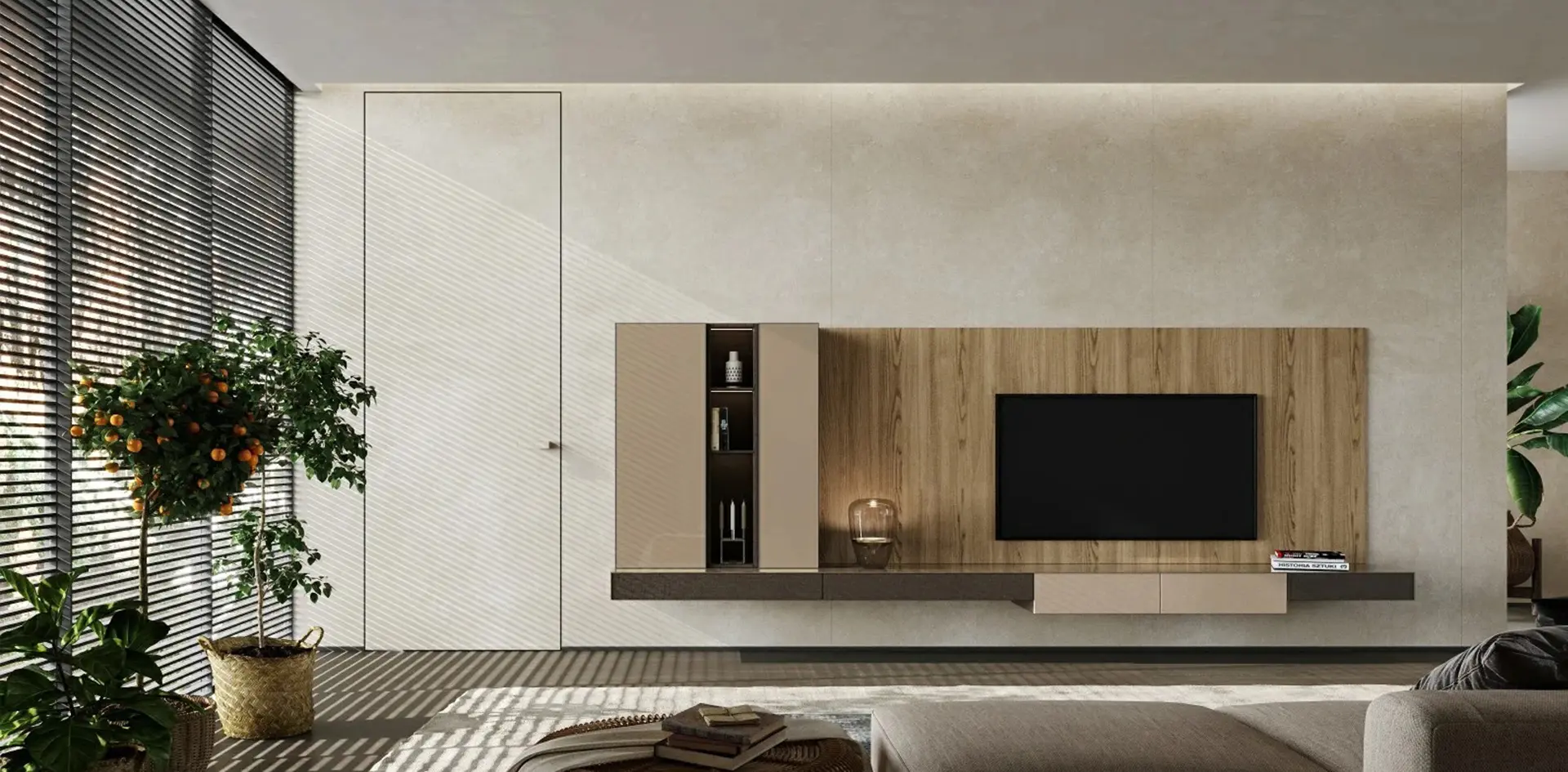
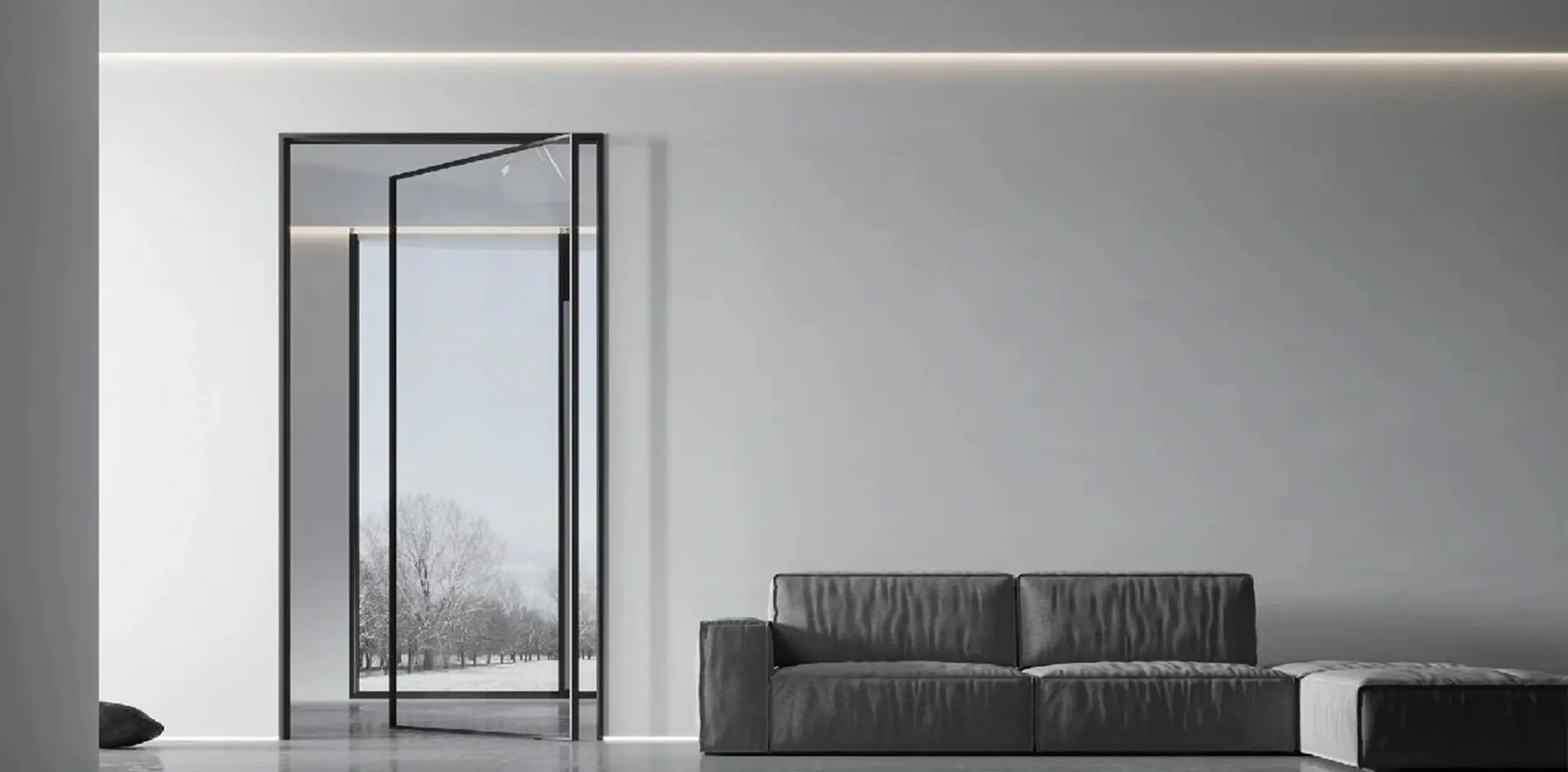
Modern homes often suit flush-panel or pivot designs, while traditional houses may benefit from recessed panels and glazed sidelights. Large glass areas look welcoming, but they can increase solar gain in warm climates. Energy-rating guidance from the U.S. Department of Energy supports comparing insulation, glazing, and weather-stripping performance together. A beautiful door can still perform poorly. I would not choose an oversized pivot door without checking its frame alignment, threshold drainage, and local wind requirements. Door style should serve the home’s climate, structure, and daily use.
Door selection should begin with measurements, not appearance. Standard sizes differ between countries and construction systems. Measure the opening at three points, then record width, height, and wall depth. Check the floor level, threshold height, and swing clearance. Small errors matter. Steel doors suit security-focused projects, while timber doors offer warmth but need stronger moisture protection. Composite and aluminum options can perform well in changing climates.
Building codes may govern fire resistance, ventilation, accessibility, glazing, and emergency escape routes. Requirements can vary by city, building type, and renovation scope. Confirm the current rules with a qualified local professional before ordering. A door may fit physically but still fail inspection. Installation also depends on the wall structure. Masonry openings need different anchors from timber frames. Installers should keep the frame plumb, level, and square, then seal gaps around the frame. Installation is where plans often fail.
Maintenance depends on exposure. Coastal air can accelerate corrosion, and strong sunlight may fade finishes. Inspect hinges, locks, drainage holes, and weather seals at least twice yearly. Clean surfaces with mild soap instead of abrasive chemicals. Timber may need periodic sealing, although local humidity changes the schedule. Door performance can decline quietly. I would leave adjustment space around the frame, especially in humid regions where materials expand. Some product specifications remain uncertain until a local installer checks the opening, and that detail deserves more attention than attractive photographs.