2025 Top 10 Trends for Inside Doors With Glass Featuring Design Insights and Market Data
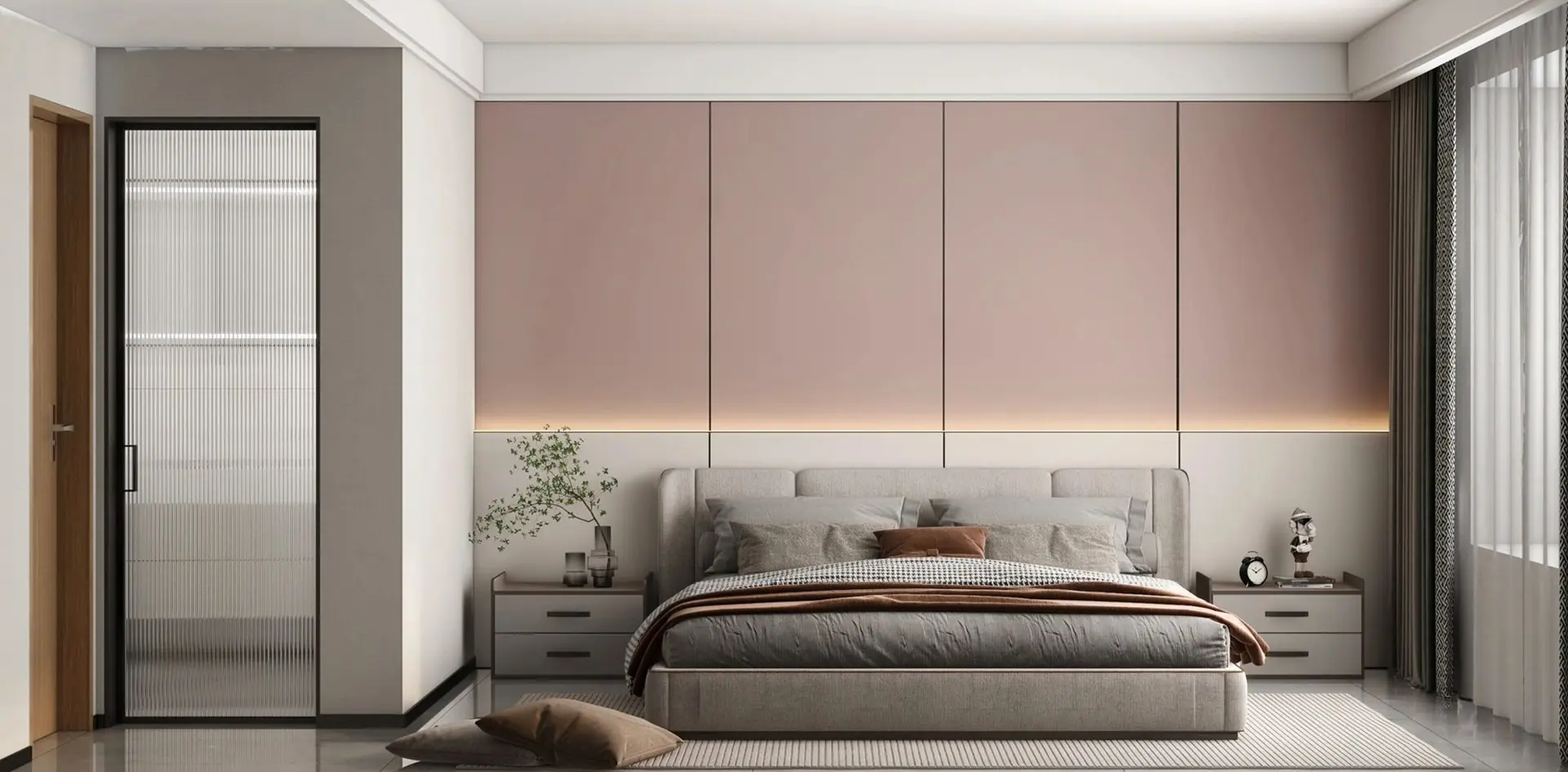
The world of "Inside Doors With Glass" is ripe for innovation and transformation as we approach 2025. As homeowners and designers alike seek to blend functionality with aesthetics, the trends emerging in this segment showcase a remarkable shift towards transparency and light. According to a recent report by the National Association of Home Builders, the demand for glass interior doors has surged by 25% over the last five years, indicating a significant departure from traditional solid doors. This trend reflects a broader movement within home design, wherein open spaces and natural light are paramount.
Industry expert, Michael G. Roberts, a renowned architect and advocate for sustainable design, emphasizes, “Glass doors not only enhance the beauty of a space but also foster a sense of connectivity within the home.” His insights underline the growing appreciation for products that resonate with modern lifestyles, marrying practicality with visual appeal. As we delve into the top trends for 2025, it becomes clear that "Inside Doors With Glass" will play a crucial role in shaping the interiors of tomorrow—where elegance meets innovation, and where every door tells a story of design evolution.
Emerging Trends in Glass-Enhanced Interior Door Designs for 2025
As we approach 2025, the interior design landscape is witnessing a significant transformation, particularly regarding the use of glass in interior doors. Emerging data from the National Association of Home Builders suggests that over 30% of homeowners are opting for glass-enhanced doors as a means to increase natural light and enhance open space. These trends reflect a growing desire for light-filled environments that blur the lines between indoor and outdoor living, catering to modern lifestyles that prioritize wellness and connectivity.
The integration of glass into door designs is not merely a functional choice but also a stylistic statement. Reports indicate that minimalist aesthetics are gaining traction, with sleek and frameless glass doors representing a substantial segment of new constructions and renovations. According to a recent survey by the American Institute of Architects, more than 45% of architects incorporated glass doors into their projects last year, a figure expected to rise as affordability and customization options expand. The appeal of glass is further enhanced by advancements in smart glass technology, which offers both privacy and light control, positioning these doors as a pivotal trend for the future of interior design.
2025 Top 10 Trends for Inside Doors With Glass Featuring Design Insights and Market Data
| Trend |
Description |
Market Growth (%) |
Consumer Preference (%) |
| Smart Glass Integration |
Integration of smart technology for privacy and energy efficiency. |
15% |
70% |
| Sustainable Materials |
Use of eco-friendly materials and recyclable glass. |
20% |
65% |
| Minimalist Designs |
Sleek, clean lines with emphasis on simplicity. |
18% |
75% |
| Translucent Glass Panels |
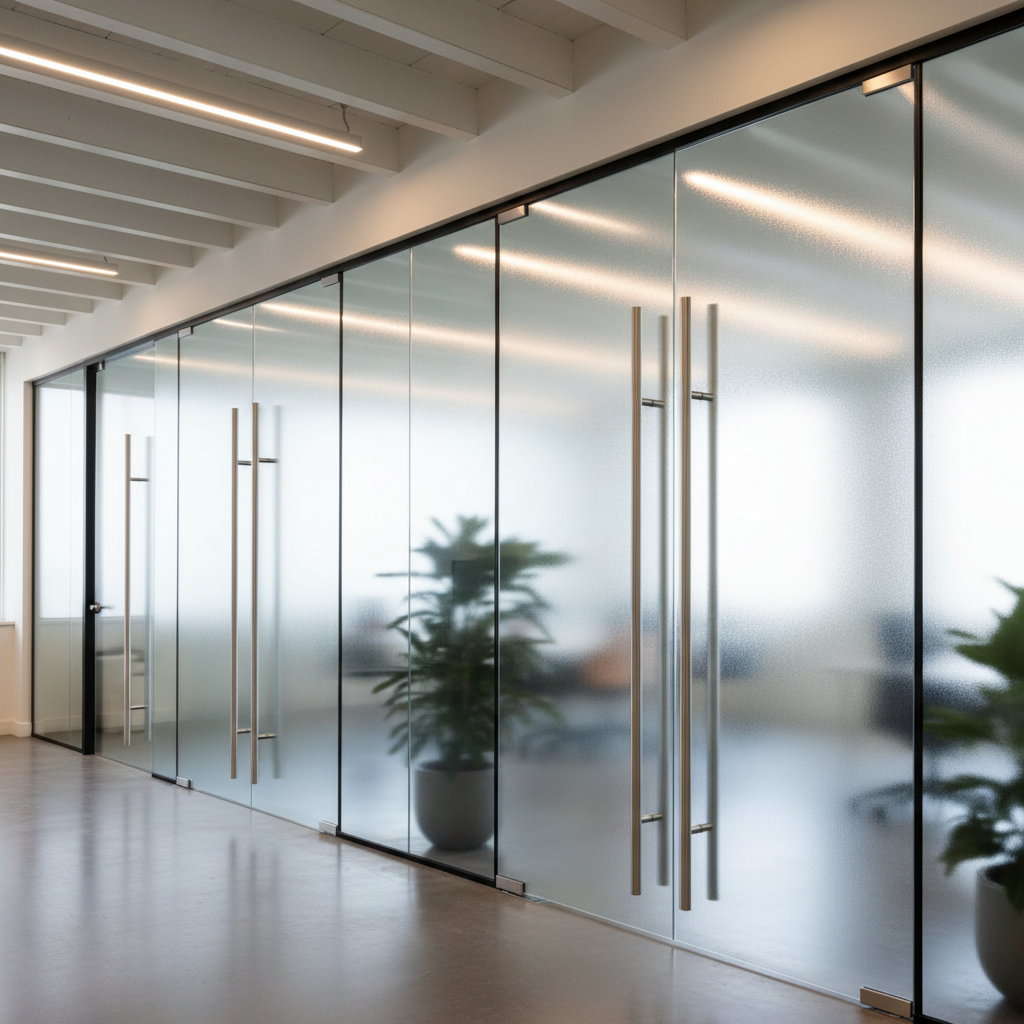
Translucent panels that provide privacy without sacrificing light. |
12% |
60% |
| Frameless Glass Doors |
Doors that eliminate frames for a seamless look. |
25% |
80% |
| Artistic Glass Designs |
Use of artistic glass patterns and colors to enhance aesthetics. |
10% |
68% |
| Textured Glass Options |
Incorporation of textures to add depth and interest. |
14% |
55% |
| Industrial Styles |
Combination of glass with metal for an industrial look. |
16% |
74% |
| Color Trends |
Incorporating vibrant colors and finishes into glass doors. |
11% |
63% |
| Energy-Efficient Glass |
High performance glass that reduces energy costs. |
22% |
71% |
Sustainability in Materials: Analyzing Eco-Friendly Glass Door Options
As we move towards a more sustainable future, the demand for
eco-friendly materials in interior design grows significantly.
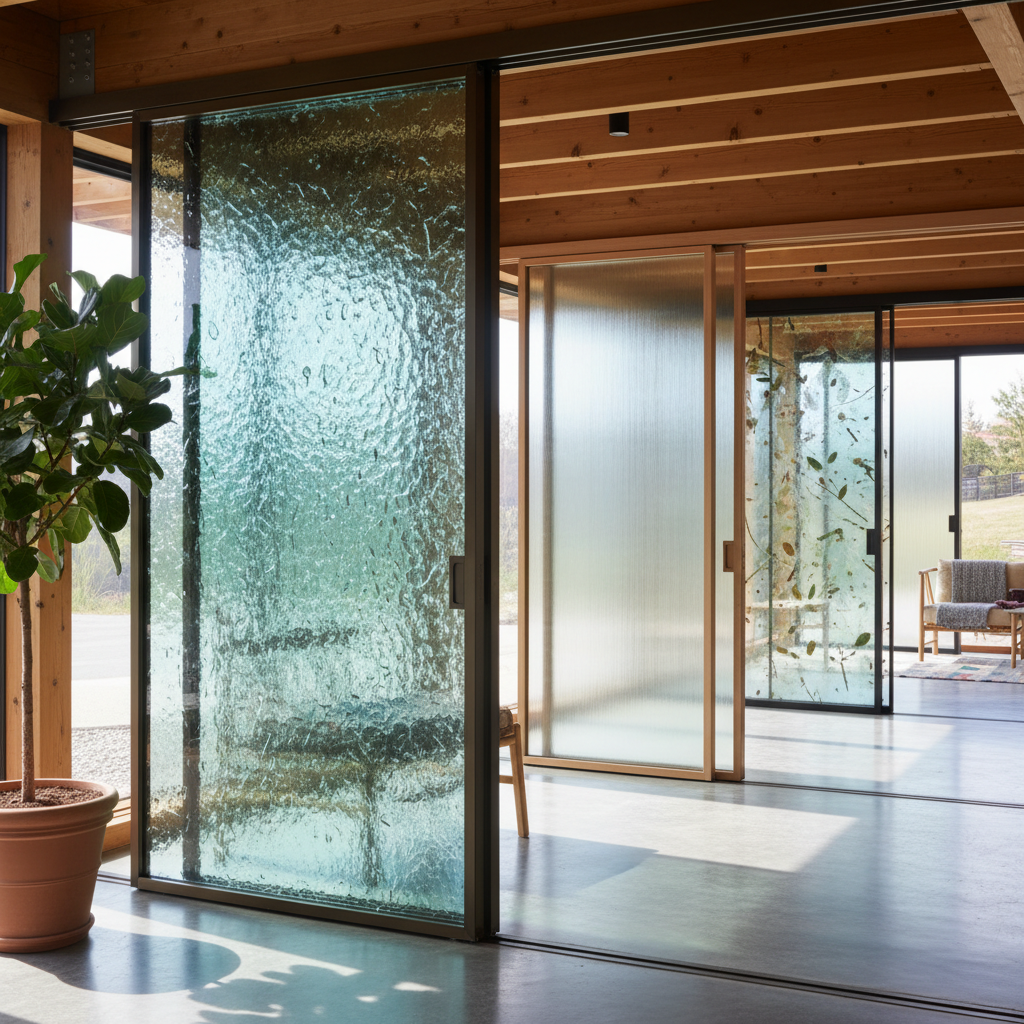
Glass doors are increasingly being manufactured with sustainable practices in mind, offering homeowners both
aesthetic appeal and environmental responsibility. Notable innovations
include the use of recycled glass and low-emissivity coatings, which reduce energy
consumption and enhance thermal efficiency.
Tips for Selecting Eco-Friendly Glass Doors:
When considering glass door options, look for certifications such as Energy Star or LEED,
which indicate that the products meet strict environmental standards. Additionally, consider the source of the glass—opt
for companies that prioritize sustainable sourcing and manufacturing processes. Choosing doors with a high percentage of
recycled materials not only helps reduce waste but also contributes to the overall sustainability of your space.
Another trend is the use of natural finishes that complement glass and extend the
eco-friendly appeal of the door. Materials like bamboo or reclaimed wood frames add a touch of warmth
while maintaining a commitment to sustainability. Remember to assess the longevity of the materials, as durable options
reduce the need for replacement, further minimizing environmental impact.
Market Growth Projections: The Rise of Glass Doors in Interior Spaces
The market for glass doors in interior spaces is witnessing significant growth, driven by an increasing demand for aesthetic appeal and functionality in both residential and commercial applications. In 2022, the overall size of the foyer door market was valued at $120 million, with projections indicating a rise to $180 million by 2030, reflecting a compound annual growth rate (CAGR) of 6.0% from 2024 to 2030. This growth is fueled by consumer preferences shifting towards more versatile materials, particularly glass, which allows for better light transmission and integration with modern design sensibilities.
As the market evolves, various materials such as wood, metal, and glass are being categorized into manual and automated systems, impacting distribution channels that include both online and offline sales. The anticipated growth of kitchen cabinetry and residential steel doors in Europe, alongside the rising popularity of glass doors, illustrates a robust trajectory for the interior door market. Specifically, the European residential steel door market is forecasted to exceed $6.9 billion in 2024, highlighting an upward trend driven by a booming construction sector and an increasing emphasis on contemporary design aesthetics. The intersection of these factors sets the stage for innovative developments in interior door design, particularly those incorporating glass elements.
Aesthetic Preferences: Consumer Insights into Glass Door Styles
The aesthetic preferences for glass doors are rapidly evolving as consumers seek to blend functionality with visual appeal. According to a 2023 industry report from Grand View Research, the global market for interior glass doors is projected to reach $10 billion by 2025, driven largely by an increased demand for modern, minimalist designs in residential and commercial spaces.
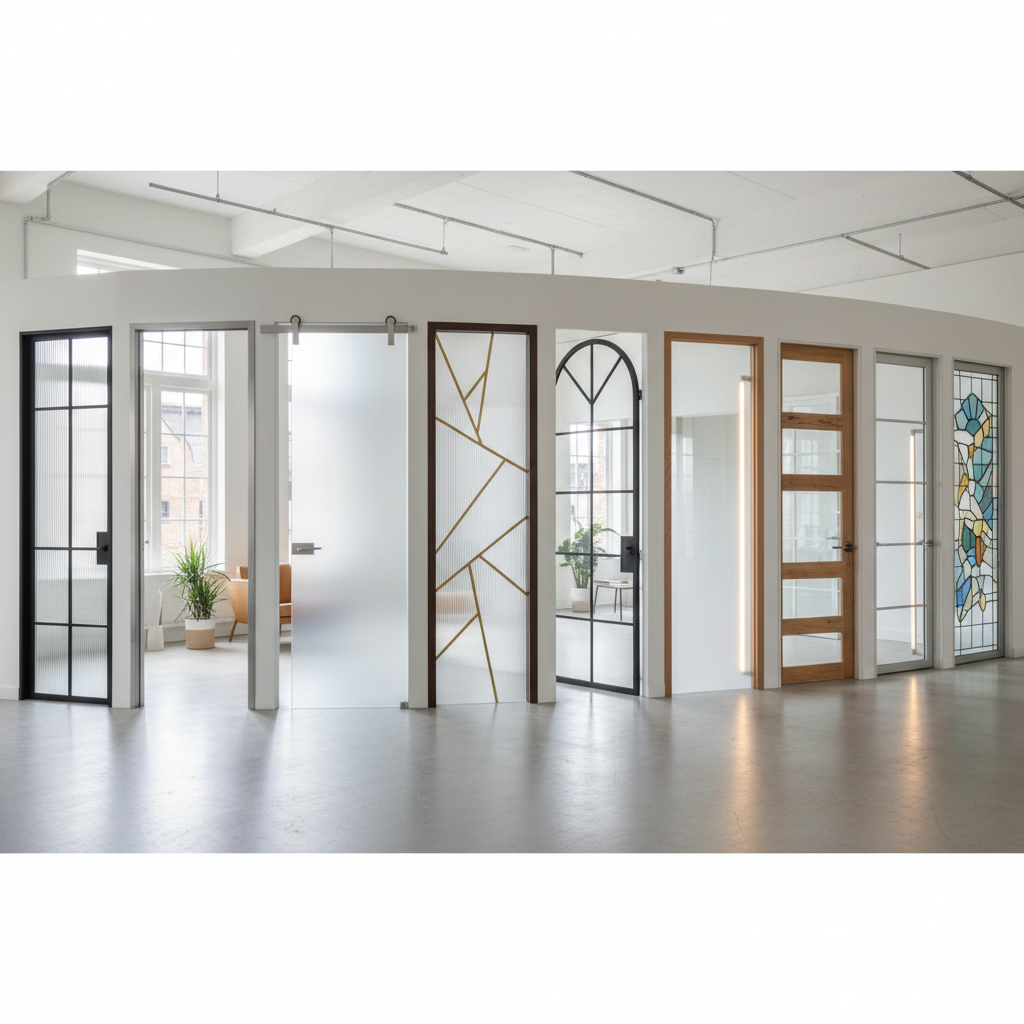
Consumers are gravitating towards styles that incorporate frosted glass, sleek frames, and bold hardware, emphasizing transparency while maintaining privacy.
Tips: When selecting a glass door style, consider the overall theme of your home. A frameless design may complement a contemporary setting, whereas a door with ornamental details can enhance a traditional aesthetic.
Moreover, sustainability plays a crucial role in consumer choices. A survey conducted by the National Association of Home Builders found that 79% of homeowners prefer eco-friendly materials, boosting the popularity of energy-efficient glass options. This shift not only reflects personal values but also fosters a greater connection to the environment.
Tips: Look for manufacturers that offer Sustainable Forestry Initiative (SFI) certified wood for framing, ensuring that your choice supports responsible sourcing and production practices.
Technological Innovations in Glass Doors: Smart Features and Design Enhancements
The integration of smart features into glass doors is transforming the way we design and interact with our spaces. According to a report by Grand View Research, the global smart door market is expected to surpass $83 billion by 2025, highlighting the increasing consumer demand for technological innovations. These upgrades not only enhance security but also offer convenience through features such as remote locking, integrated cameras, and automated opening mechanisms that can be controlled via smartphones or smart home systems.
Design enhancements in glass doors also play a crucial role in appealing to modern aesthetics. Advanced technologies have enabled the development of energy-efficient glass that provides insulation while maintaining transparency. A study from MarketsandMarkets indicates that energy-efficient building materials, including innovative glass solutions, will see a growth rate of 8.1% annually through 2026. This trend is reflective of a growing emphasis on sustainability in design, with homeowners seeking products that blend function with eco-friendliness. Such advancements ensure that glass doors are not just beautiful features but also contribute to the overall energy efficiency and value of a property.