2025 Guide: How to Choose the Perfect Flush Door for Your Home
When it comes to home design and renovation, choosing the right door can significantly impact the overall aesthetic and functionality of your space. One popular option that has gained prominence in recent years is the Flush Door. Characterized by their sleek and minimalist appearance, flush doors offer a seamless look that blends harmoniously with various interior styles. However, with the multitude of designs, materials, and features available, selecting the perfect flush door can be a daunting task.
In this 2025 guide, we will provide a comprehensive overview of how to choose the ideal flush door for your home. From understanding the different types of flush doors to considering practical aspects such as durability, maintenance, and installation, this guide will help you navigate the selection process with confidence. We will delve into the top five criteria you should consider when making your choice, ensuring that your new flush door not only enhances your home’s decor but also meets your specific needs and preferences.
Prepare to transform your living space by making an informed decision that elevates your home’s charm and functionality with the perfect flush door.
Choosing the Right Material for Your Flush Door: A Comparative Guide
When selecting the perfect flush door for your home, understanding the various materials available is crucial. Flush doors can be made from wood, MDF (medium-density fiberboard), or even steel, each offering unique advantages. Wooden flush doors provide a rich aesthetic and are excellent insulators, making them ideal for traditional homes. They can be easily customized with paint or stain, allowing homeowners to match their doors to their interior decor.
On the other hand, MDF doors are known for their smooth finish and cost-effectiveness. They resist warping and offer better durability compared to solid wood, making them a popular choice in modern homes. For those seeking maximum security and durability, steel flush doors are unmatched. They are incredibly strong and provide superior protection against harsh weather conditions, which makes them suitable for exterior applications. By comparing these materials, homeowners can make an informed choice that aligns with their style, budget, and functional needs.
2025 Guide: How to Choose the Perfect Flush Door for Your Home
| Material |
Durability |
Insulation |
Cost |
Maintenance |
Aesthetic Appeal |
| Wood |
High |
Good |
$$$ |
Moderate |
Classic |
| Steel |
Very High |
Excellent |
$$ |
Low |
Modern |
| Fiberglass |
High |
Good |
$$$ |
Low |
Versatile |
| Hollow Core |
Moderate |
Fair |
$ |
Very Low |
Basic |
| PVC |
High |
Good |
$$ |
Low |
Contemporary |
Design Styles: Finding the Perfect Aesthetic for Your Home with Flush Doors
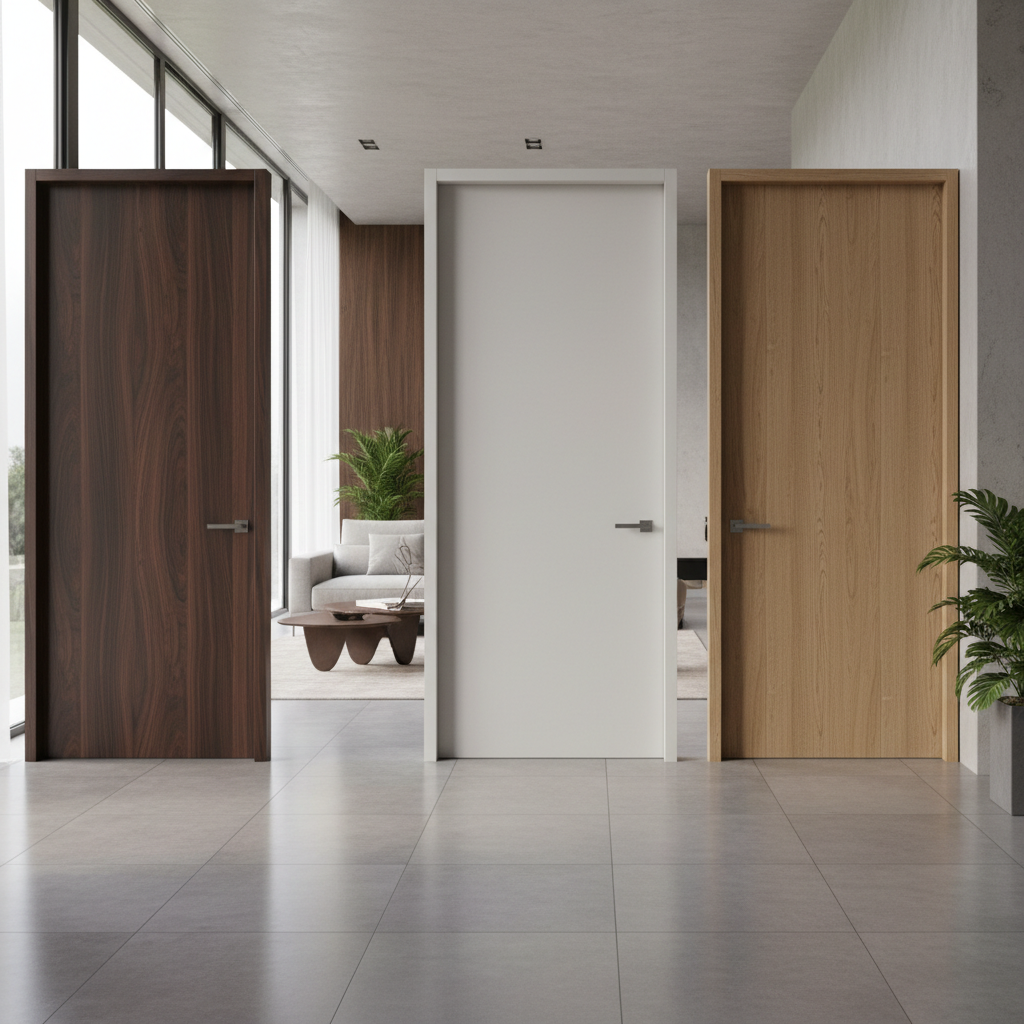
When choosing flush doors for your home, it's essential to consider the overall design style you aim to achieve. Flush doors are versatile and come in various finishes, which can complement different aesthetics. For a modern and minimalist look, opt for smooth, unembellished surfaces that enhance the simplicity of your decor. Meanwhile, textured or wood-finish flush doors can provide warmth and character, perfectly suiting a transitional or rustic style.
Tips: To find the perfect flush door for your space, consider the color palette of your home. A monochromatic scheme may benefit from a bold-colored flush door, while neutral hues can create a seamless, calming effect. Additionally, pay attention to the hardware you choose; sleek, modern handles will elevate a contemporary design, while vintage knobs can add a charming touch to more classic interiors.
Another vital aspect to think about is the functionality of the space. For areas requiring more sound insulation, solid core flush doors are an excellent choice, whereas hollow core doors might suffice in less-utilized spaces. Ensuring that the flush door aligns with both your style and functional needs will create a cohesive and inviting atmosphere in your home.
Energy Efficiency and Insulation: Why It Matters in Flush Door Selection
When selecting a flush door for your home, energy efficiency and insulation are critical factors that should not be overlooked. According to the U.S. Department of Energy, uninsulated doors can lead to heat losses equivalent to leaving a window wide open during harsh weather conditions. This not only compromises the comfort of your living space but also increases energy costs significantly. In fact, a report by the National Association of Home Builders indicates that improving door insulation can reduce heating and cooling costs by up to 15%.
Moreover, the material you choose for your flush door plays a pivotal role in its insulation properties. Solid-core doors, for instance, offer superior thermal performance compared to hollow-core options, with R-values typically ranging from 3.8 to 4.0. Selecting a door that meets or exceeds these R-value recommendations can enhance your home's energy efficiency and support a more sustainable lifestyle. As energy regulations tighten, opting for high-performance flush doors will not only increase your home's insulation but also potentially boost its resale value, making it a wise investment for any homeowner.
2025 Guide: Energy Efficiency and Insulation in Flush Door Selection
Sizing and Installation: Key Considerations for a Perfect Fit

When selecting the perfect flush door for your home, sizing and installation are crucial elements to consider for an optimal fit. Start by measuring the door frame accurately; this ensures that the door will close properly without any gaps. Additionally, take into account the swing direction of the door. It’s necessary to choose a door that complements the layout of your space, allowing for seamless movement as well as maximizing functionality.
Tips: When measuring, be sure to check the width, height, and thickness of the existing frame. It’s also helpful to make a note of any baseboards or trim that might affect the door's installation. For installation, consider whether you want a DIY approach or prefer hiring a professional, as this can significantly influence the final look and performance of your door. Moreover, pay close attention to the type of hinges and hardware used; choosing durable, high-quality materials will enhance the longevity of your flush door.
Consulting with a specialist can provide additional insights about sizing and installation based on the specific architectural style of your home. Consider testing a prototype or reviewing customer feedback if available. This information can guide you to making the best choice that aligns with both aesthetic and functional needs in your living space.
Maintenance Tips to Keep Your Flush Doors Looking New and Functional
When it comes to maintaining flush doors, regular care is essential to ensure they remain both aesthetically pleasing and functional over time. According to the National Association of Home Builders (NAHB), properly maintained doors can significantly increase the lifespan of a residential property—often lasting up to 30 years with consistent upkeep. To keep your flush doors looking new, start with simple cleaning routines. A mixture of mild soap and water can effectively remove dust and grime, while avoiding harsh chemicals that may damage finishes.
In addition to cleaning, inspecting your flush doors for signs of wear and tear is crucial. The American Society for Testing and Materials (ASTM) emphasizes the importance of checking weather stripping, hinges, and seals for any deterioration. Regularly lubricating hinges and tightening hardware can prevent misalignment and sticking, preserving the door's functionality. If you live in an area with high humidity, applying a protective sealant can help prevent moisture damage, a key concern noted in industry reports for maintaining flush doors in such climates.
By following these maintenance tips, homeowners can enjoy the lasting beauty and performance of their flush doors.